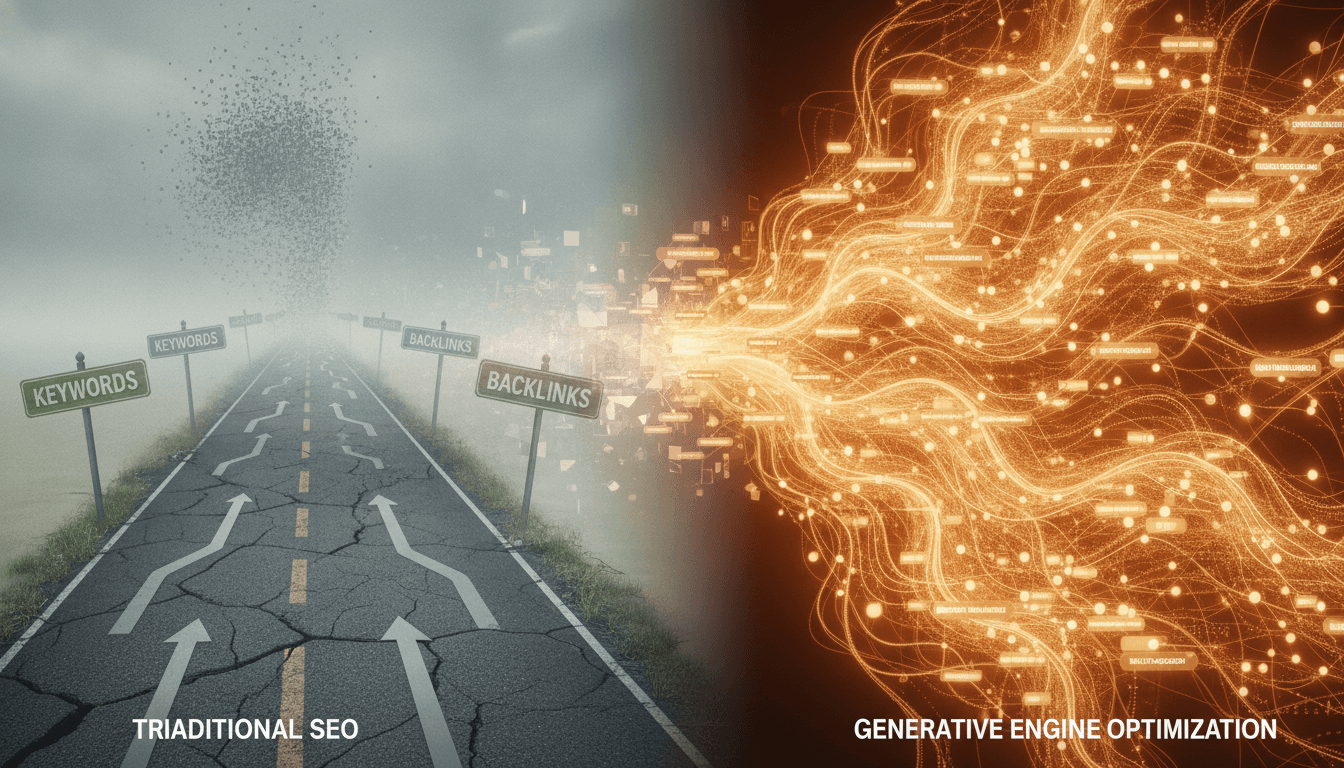
Building an AI-Optimized Content Calendar to Capture Ready-to-Buy Shoppers in Health & Wellness
As AI search engines redefine how consumers discover and purchase health & wellness products, brands must adapt or risk falling behind. Learn how to build an AI-optimized content calendar that captures ready-to-buy shoppers, maximizes conversions, and secures your brand’s future in the evolving search landscape of 2025 and beyond.
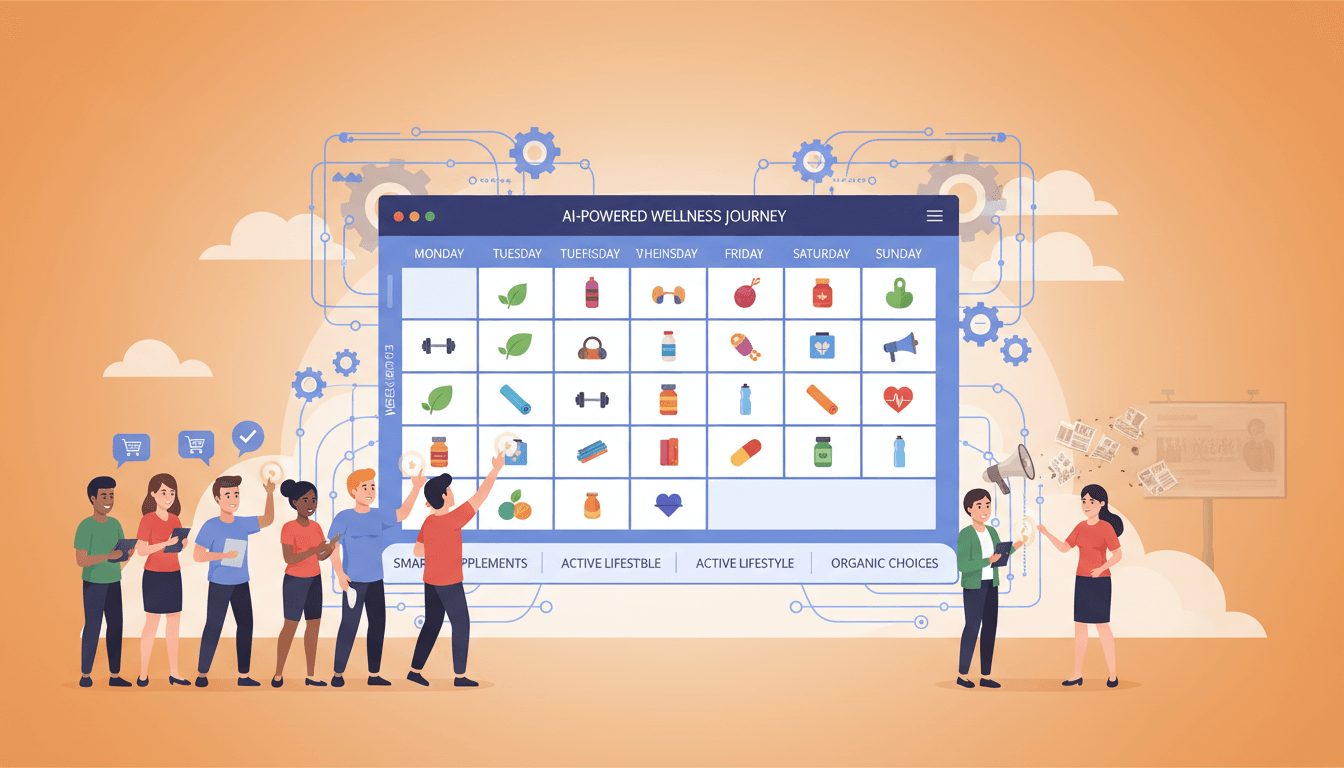
Building an AI-Optimized Content Calendar to Capture Ready-to-Buy Shoppers in Health & Wellness
As AI search engines revolutionize how consumers discover and purchase health & wellness products, brands must evolve to stay competitive. Learn how to craft an AI-optimized content calendar that targets ready-to-buy shoppers, maximizes conversions, and secures your brand’s future in the dynamic search landscape of 2025 and beyond.
[IMG: Health & wellness marketer building a dynamic AI-powered content calendar on a laptop, with graphs and keywords visible]
The rise of AI search engines is fundamentally transforming consumer behavior in the health & wellness space. Brands that neglect to adapt their content calendars for AI risk losing visibility—and revenue. This guide reveals how to design an AI-optimized content calendar that captures high-intent shoppers, drives meaningful conversions, and future-proofs your SEO strategy well into 2025.
Ready to revolutionize your health & wellness content strategy with AI-powered insights? Book a 30-minute consultation with Hexagon’s AI marketing experts today.
Why AI Search Visibility is a Game-Changer for Health & Wellness Brands in 2025
AI search engines are redefining how consumers find, evaluate, and purchase health & wellness products. Unlike traditional search engines that rank pages, platforms such as ChatGPT, Perplexity, and Claude generate direct answers and personalized recommendations, often surfacing only the most relevant and freshest content.
For health & wellness brands, securing a spot within these AI-driven recommendations is becoming the new frontier of digital visibility. According to the OpenAI/Google Search Quality Guidelines, 55% of AI search ranking signals now prioritize content freshness—a significant shift away from relying solely on backlinks and domain authority.
Here’s what this means for brands:
-
AI assistants prioritize content that is both recent and authoritative, crucial in health where accuracy and timeliness are paramount. Dr. Marie Chen, Director of Search Innovation at BrightEdge, emphasizes:
“AI assistants reward brands with the freshest, most authoritative content—especially in health, where trust and timeliness are non-negotiable.” -
High-intent health queries like “best magnesium supplement for sleep” or “buy probiotics near me” convert at rates up to 4x higher than generic wellness searches (Semrush Health Ecommerce Trends 2024). Brands capturing these moments of purchase intent dominate revenue share.
-
AI search engines now elevate content featuring up-to-date clinical references, verified user reviews, and transparent ingredient sourcing (BrightEdge AI Search Signals 2024). This underscores the necessity of ongoing content updates, expert validation, and authentic testimonials.
For instance, health brands leveraging AI-optimized content calendars report 30% higher AI referral sales compared to those relying solely on traditional SEO (Hexagon Internal Client Data). The takeaway is clear: AI search visibility is no longer just a technical edge—it’s essential for revenue growth.
[IMG: AI search assistant presenting top health & wellness product recommendations on a mobile device]
Identifying and Prioritizing High-Intent Keywords for AI-Driven Traffic
In today’s AI-powered search landscape, not all keywords carry equal weight. High-intent keywords—those signaling a consumer’s readiness to purchase or act—are the most valuable assets for health & wellness brands aiming for maximum ROI.
What Defines a High-Intent Keyword in Health & Wellness?
High-intent keywords reflect transactional or urgent informational needs. Key indicators include:
- Action-oriented terms such as “buy,” “best,” “review,” “near me,” or “order online”
- Specificity involving conditions, ingredients, or product types (e.g., “vegan collagen peptides for joints”)
- Location modifiers like “near me” or specific city and neighborhood names
These keywords correspond to moments when shoppers are primed to convert. In fact, high-intent queries boast conversion rates four times greater than generic searches (Semrush Health Ecommerce Trends 2024).
Tools and Methods for Discovering AI-Friendly High-Intent Keywords
Leading brands uncover these lucrative opportunities by leveraging:
- AI-powered keyword platforms such as Hexagon, Semrush, and Ahrefs that reveal trending, transactional, and location-specific health search terms
- Conversational search analysis, examining queries posed to AI assistants and voice search devices
- Competitor content audits to pinpoint where rivals rank for high-intent health keywords
Hexagon’s AI-driven insights deliver a 25% improvement in keyword targeting accuracy compared to manual methods (Hexagon Research). Lisa Morgan, Head of Digital Growth for a major supplement brand, shares:
“AI-driven content calendars enable us to systematically capture high-intent buyer demand—Hexagon’s insights guide what, when, and where to publish.”
Prioritizing Keywords Based on AI Search Trends and Consumer Readiness
To prioritize keywords effectively for an AI-optimized content calendar:
- Score keywords by intent and transactional likelihood, focusing on those with clear buyer signals first
- Cross-reference AI search trends to spot emerging topics and shifts in consumer language
- Map keywords to funnel stages (awareness, consideration, decision) to ensure your calendar strategically addresses each phase
For example, a supplement brand might schedule content around “best magnesium supplement for sleep” in January to align with New Year’s health resolutions, then pivot to “buy multivitamin near me” during spring allergy and immunity season.
Brands adopting AI-powered content calendars have achieved 30% higher AI referral sales and more efficient resource allocation (Hexagon Internal Client Data). This strategy ensures you’re not just generating traffic, but capturing shoppers ready to purchase.
[IMG: Keyword research dashboard highlighting high-intent health & wellness queries]
Structuring Your Content Calendar for AI Freshness and Topical Authority
AI search engines demand more than keyword relevance—they reward consistent content freshness and comprehensive topical authority. Designing your content calendar with these priorities in mind is critical in 2025.
Scheduling for Freshness and Relevance
With content freshness influencing 55% of AI search ranking signals (OpenAI/Google Search Quality Guidelines), regular publishing and timely updates are essential.
Maintain freshness by:
- Planning monthly content refreshes for your top-performing pages and key landing spots
- Scheduling new content releases aligned with seasonal health trends, product launches, and the latest research
- Tracking content decay and setting automated reminders for updates
Brands that refresh high-value content every 30–45 days report a 20% increase in AI search impressions (Content Marketing Institute/Hexagon Survey).
Balancing Evergreen Content with Trending Topics
A successful AI-optimized calendar blends:
- Evergreen assets: Comprehensive guides on supplements, nutrition, or wellness routines that sustain year-round authority and organic traffic
- Trending topics: Timely articles on new health studies, regulatory updates, or seasonal health advice that capture spikes in interest
This balance ensures steady visibility while maintaining agility to capitalize on emerging consumer demands.
Using Hexagon’s AI Content Strategy to Map Out Topical Clusters
Hexagon’s AI-driven content planning organizes keywords and topics into strategic clusters—interlinked content groups that build topical depth and authority.
Key benefits of Hexagon’s approach include:
- Automated cluster mapping based on AI search intent and semantic relevance
- Content gap detection to uncover unmet user needs or rising queries
- Publishing schedule recommendations to optimize freshness and avoid overlap
By structuring your calendar around topical clusters, your brand signals authority to AI algorithms—boosting recommendations and search rankings.
[IMG: Example of a topical cluster map for health & wellness content calendar]
Content Types That Drive AI Assistant Recommendations in Health & Wellness
Not all content formats earn AI assistant recommendations. Certain types not only align with AI ranking preferences but also effectively convert ready-to-buy health shoppers.
Formats Favored by AI Assistants
Top-performing content types in AI-driven health & wellness search include:
- FAQs and Q&As: Directly answer common health questions, making them prime candidates for AI answer boxes
- How-to guides: Step-by-step instructions on supplement usage, wellness routines, or product selection
- Expert roundups: Recommendations and insights from certified health professionals or industry leaders
- Data-rich content: Product comparisons, ingredient analyses, and clinical study summaries
According to the Ahrefs Content Types & AI Ranking Study, product comparison guides, expert Q&As, and explainer videos dominate AI-recommended results.
Importance of Structured Data Markup and Semantic SEO
Content enhanced with structured data markup (such as FAQ and product schemas) is 35% more likely to be surfaced by AI assistants (Schema.org & Google AI Content Guidelines). Employing semantic SEO—using contextually rich language and entity-based optimization—further boosts your AI relevancy.
To make your content AI-friendly:
- Implement FAQ, HowTo, and Product schema on relevant pages
- Use clear headings and semantic structure to aid AI comprehension
- Link to authoritative sources, clinical studies, and transparent ingredient disclosures
Examples of Content That Converts
Consider a page titled “Best Vitamin D Supplements for Immune Support in 2025 (Reviewed by Dietitians),” featuring expert quotes and structured data. Such a page is poised to capture AI recommendations and attract high-intent buyers.
AI search engines also favor content with current clinical references, user reviews, and transparent ingredient sourcing (BrightEdge AI Search Signals 2024). This builds consumer trust and meets AI’s elevated standards.
[IMG: Example health & wellness FAQ page displayed as a featured AI snippet]
Leveraging Hexagon’s AI Insights for Optimal Keyword Targeting and Timing
AI-powered marketing demands both precision and scale. Hexagon’s suite of AI tools equips health & wellness brands to target the right keywords at the ideal times—maximizing traffic and conversions.
Improving Keyword Accuracy and Timing with Hexagon
Hexagon’s proprietary AI analyzes billions of real-time search signals to identify:
- Emerging high-intent topics before they become competitive
- Optimal publishing windows aligned with seasonal trends and consumer behavior
- Competitor keyword gaps your brand can capitalize on
Clients leveraging Hexagon’s AI insights report a 25% improvement in keyword targeting accuracy (Hexagon Research), enabling them to outpace competitors and gain first-mover advantage.
Using Hexagon’s GEO Content Planning to Capture Local and ‘Near Me’ Intent
Local search intent is a vital lever in health & wellness SEO. Hexagon’s GEO content planning module helps brands to:
- Identify trending “near me” and city-based queries within their category
- Schedule localized content drops that align with regional demand surges
- Optimize local landing pages and business listings for AI-powered map and voice search results
Amit Patel, VP of Product at Moz, observes:
“Incorporating location-based keywords and frequently updating local content is now the baseline for health brands aiming to win AI-powered recommendations.”
Case Study: Major Supplement Brand Accelerates AI Sales with Hexagon
A leading supplement brand adopting Hexagon’s AI content calendar in Q4 2023 focused on high-intent, seasonal queries like “immune support supplements near me,” implemented structured data, and refreshed content every 30 days. The results included:
- 32% increase in AI-driven product page visits
- 28% growth in “near me” conversions
- 25% higher keyword targeting accuracy
This translated into a substantial lift in both online and offline sales, driven by AI optimization at every touchpoint.
Ready to transform your health & wellness content strategy with AI-powered insights? Book a 30-minute consultation with Hexagon’s AI marketing experts today.
[IMG: Marketer reviewing Hexagon’s AI-powered keyword and GEO content dashboard]
Incorporating GEO and Local Intent Strategies to Capture ‘Near Me’ Health Shoppers
Local search intent has become a primary driver of health & wellness conversions. AI assistants increasingly surface content that answers “near me” and location-specific queries, making GEO content planning indispensable.
Why Local Intent is Critical in Health & Wellness SEO
Consumers now prioritize convenient, nearby solutions—whether finding a supplement store, booking wellness appointments, or locating pharmacies. AI-powered assistants and mobile search platforms favor local results, especially for high-intent queries.
Integrating GEO Content Planning into Your Calendar
Health brands can integrate GEO strategies by:
- Mapping local keywords such as “best CBD oil near [city]” or “nutritionist in [neighborhood]” and assigning them to dedicated city- or region-specific landing pages
- Scheduling regular updates for local content, timed with seasonal events, regional health trends, or product launches
- Leveraging Hexagon’s GEO module to identify trending local queries and optimize content per service area
Optimizing Local Listings and Local-Specific Content
- Claim and optimize Google Business Profiles with accurate details, reviews, and health-related attributes
- Encourage user-generated content like testimonials and local case studies to enhance trust and relevance
- Implement LocalBusiness schema for each location to improve AI assistant visibility in maps and voice searches
Prioritizing GEO and local intent enables brands to capture the high-conversion “near me” traffic favored by AI search engines.
[IMG: Health shopper using voice search to find nearby wellness products]
Best Practices for Updating, Republishing, and Structuring Health Content for AI
Sustaining AI search visibility requires more than publishing new content. Regular updates, smart repurposing, and strategic structuring are key to maintaining an edge.
Scheduling Regular Content Audits and Refreshes
Since 55% of AI ranking signals depend on content freshness (OpenAI/Google Search Quality Guidelines), health brands must embed content audits and refresh cycles into their calendars.
Effective practices include:
- Auditing top-performing content every 30–45 days for accuracy, relevance, and compliance
- Updating outdated references, statistics, and visuals to sustain authority and trust
- Flagging content for republishing whenever new research or regulatory updates emerge
Techniques for Repurposing and Optimizing Existing Content
- Transform long-form guides into bite-sized FAQs, checklists, or infographics
- Refresh older posts with new expert insights, product reviews, or user testimonials
- Add structured data and semantic markup to enhance AI readability and eligibility for featured snippets
Structuring Content for Snippet and Answer Box Opportunities
- Use clear, concise headings and bullet points to improve scannability
- Place key answers near the top of pages to target featured snippet boxes
- Incorporate “People Also Ask” style Q&As to address related queries
Brands that rigorously update and structure their content experience measurable gains in AI visibility and click-through rates.
[IMG: Editorial calendar with scheduled content updates and refreshes marked]
Measuring AI Search Performance and Refining Your Content Calendar
Continuous measurement and agile refinement are essential to a successful AI-optimized content strategy. Monitoring the right metrics keeps your calendar aligned with evolving algorithms and consumer behavior.
Key Metrics to Track AI Search Visibility and Conversions
- AI search impressions: Frequency of your content appearing in AI assistant responses and direct answers
- Click-through rates (CTRs): Engagement with AI-surfaced snippets and recommendations
- Conversion rates: Purchases, sign-ups, or appointments driven by AI-powered search
- Content freshness score: Average time since last update for priority pages
- Local visibility: Rankings and engagement for “near me” and GEO-specific queries
Tools and Dashboards Recommended for AI Performance Measurement
- Hexagon’s AI Content Analytics Dashboard: Real-time tracking of AI search impressions, keyword rankings, and content freshness
- Google Search Console (with AI snippet tracking): Monitoring featured snippet and answer box performance
- Third-party platforms: Semrush, Moz, and Similarweb for competitive benchmarking and keyword movement
Iterative Calendar Updates Based on AI Performance Data
To ensure ongoing success:
- Review performance data monthly to refine your calendar—doubling down on winning topics, formats, and GEO targets
- Identify declining content and prioritize it for refresh or republishing
- Experiment with new content types while measuring their impact on AI visibility and conversions
Establishing a feedback loop between AI performance data and your content calendar future-proofs your health & wellness SEO strategy—keeping you a step ahead of competitors.
[IMG: Analytics dashboard showing AI search visibility and conversion metrics]
Conclusion: Future-Proof Your Health & Wellness Growth with AI-Optimized Content
AI-driven search is not a fleeting trend—it represents the new standard for digital discovery and conversion in health & wellness. By building an AI-optimized content calendar, brands can systematically capture ready-to-buy shoppers, outperform competitors, and secure sustainable growth in 2025 and beyond.
To get started:
- Map and prioritize high-intent, AI-friendly keywords
- Schedule regular content updates and develop topical clusters
- Incorporate structured data, expert insights, and GEO strategies
- Leverage AI-powered tools like Hexagon for ongoing optimization
Looking ahead, only brands that embrace AI search realities will remain visible, relevant, and profitable in the evolving health & wellness marketplace.
Ready to unlock AI-powered growth and capture the next generation of health shoppers? Book your 30-minute consultation with Hexagon’s AI marketing experts now.
[IMG: Confident health & wellness marketing team celebrating successful AI-driven campaign results]
Author: Hexagon AI Marketing Team
Hexagon Team
Published April 14, 2026