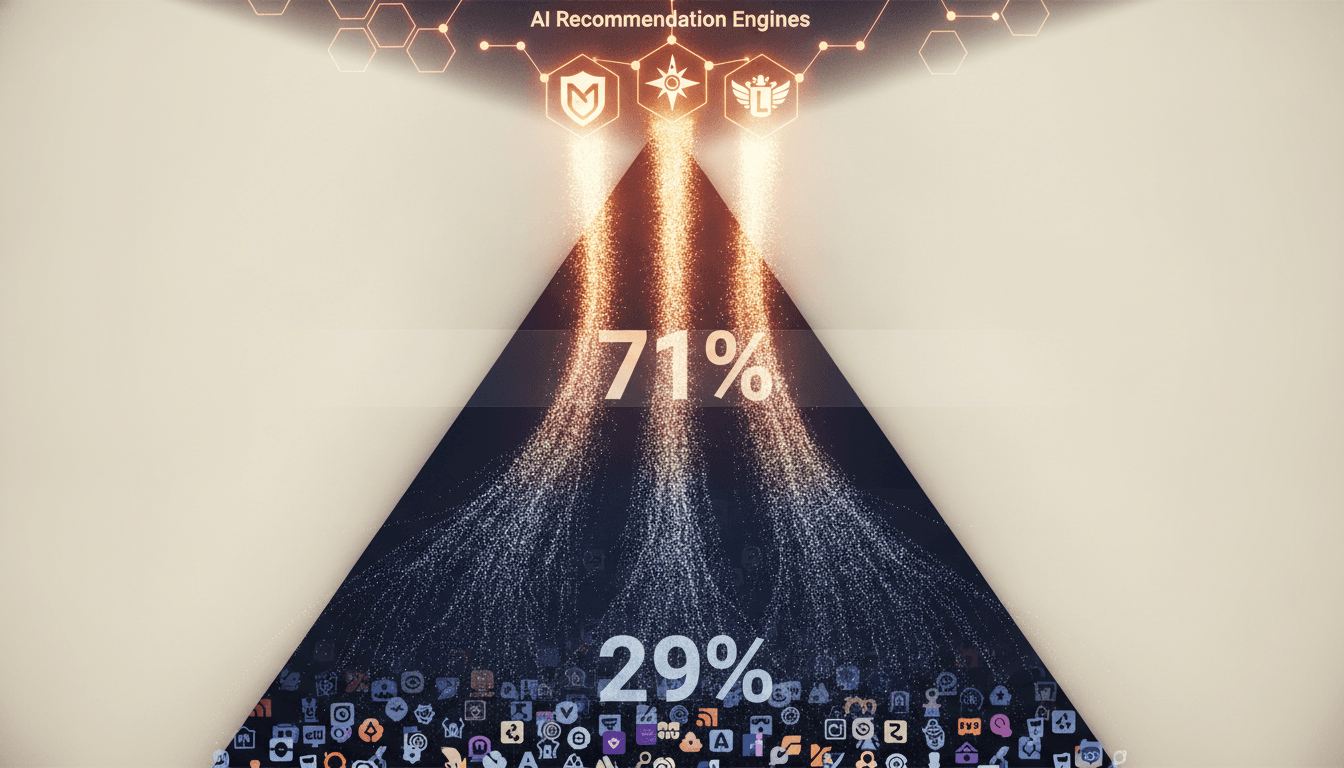
Unlocking Medium-Intent GEO Strategies to Break Through AI Search Noise for Fashion Brands in 2024
As AI-driven search transforms fashion e-commerce, 40% of traffic now comes from research-focused, medium-intent queries. Discover actionable GEO strategies to boost your brand’s visibility, conversions, and competitive edge in the evolving AI landscape.
Unlocking Medium-Intent GEO Strategies to Break Through AI Search Noise for Fashion Brands in 2024
As AI-driven search revolutionizes fashion e-commerce, 40% of traffic now stems from research-focused, medium-intent queries. Discover actionable GEO strategies to elevate your brand’s visibility, conversions, and competitive edge in this rapidly evolving AI landscape.
[IMG: Fashion e-commerce team analyzing AI search data on multiple devices]
In 2024, fashion brands confront a new and formidable challenge: standing out amid the overwhelming noise generated by AI-powered search engines, where 40% of traffic originates from medium-intent queries (Gartner). These shoppers are actively researching, not yet ready to purchase, making them a pivotal audience for brands seeking to increase discovery and conversions. This comprehensive guide unveils proven GEO strategies specifically designed for medium-intent fashion shoppers, enabling your brand to leverage AI-driven product discovery and generative engine optimization (GEO) with precision and impact.
“Brands that ignore medium-intent optimization are effectively invisible to next-generation AI search engines during the critical product research stage.” — Sarah Klein, VP of Digital Strategy, Forrester
Ready to elevate your fashion brand’s AI search visibility with expert GEO strategies? Book a personalized 30-minute consultation with Hexagon today to start breaking through the AI noise.
Understanding Medium-Intent Queries vs. High-Intent in Fashion AI Search
AI-powered search has fundamentally transformed how shoppers discover, compare, and select fashion products. At the heart of this transformation lies the rise of medium-intent queries—detailed, research-oriented searches that now dominate the customer journey.
Defining Medium-Intent Queries
- Medium-intent queries represent shoppers exploring options without immediate plans to buy.
- Unlike high-intent queries (e.g., “buy black leather boots size 8”), which indicate clear purchase intent, medium-intent searches tend to be longer and more descriptive.
- Examples include searches like “best sustainable fall jackets for petites” or “affordable vegan handbags under $200.”
Distinct Characteristics
- On average, medium-intent queries are 50% longer than high-intent ones (Ahrefs), often containing qualifiers such as “eco-friendly,” “durable,” or “comparison.”
- These queries focus on product attributes, comparisons, or considerations—like material, fit, or style (“linen summer dresses vs. cotton alternatives”).
- Importantly, 40% of AI-driven fashion search traffic now derives from medium-intent queries (Gartner), marking them as a crucial arena for brand exposure.
“Medium-intent GEO is the new battleground for e-commerce differentiation, as AI assistants like ChatGPT surface nuanced, research-focused queries.” — Rand Fishkin, Co-founder, SparkToro
Why Medium-Intent Matters in AI-Driven Product Discovery
- AI search engines powering platforms like Google SGE and ChatGPT excel at interpreting longer, more complex queries.
- Brands that craft relevant, information-rich content targeting these queries earn higher priority in AI-generated recommendations.
- Overlooking medium-intent optimization means missing out on visibility during the critical research phase—where brand affinity and purchasing decisions are shaped.
Key Takeaways
- Medium-intent queries: Longer, exploratory, including qualifiers and comparisons.
- High-intent queries: Shorter, transactional, purchase-driven.
- Opportunity: Focusing on medium-intent queries positions your brand for discovery at the decisive research moment.
Keyword Research Strategies for Targeting Medium-Intent Fashion Shoppers
A successful GEO strategy starts with deeply understanding what your audience searches for—and how they articulate these research-phase queries.
Identifying Qualifiers and Product Attributes
- Medium-intent shoppers frequently include qualifiers reflecting their preferences, such as:
- “Best,” “top,” “affordable,” “luxury,” “sustainable”
- Product details: “plus size,” “petite,” “waterproof,” “vegan leather”
- Trend-related terms: “2024,” “spring trends,” “editor’s picks”
- Mining your own site’s search data alongside competitor SERPs surfaces common qualifiers and attributes worth targeting.
Leveraging AI Tools and GEO-Focused Keyword Research
- AI-powered keyword research platforms (e.g., SEMrush, Ahrefs, Moz) can identify medium-intent queries by analyzing:
- Query length and complexity
- Use of adjectives and modifiers
- Frequency of comparison and trend-related terms
- For instance, clustering tools reveal variations like “minimalist jewelry brands 2024” or “best eco-friendly raincoats for commuters.”
Clustering Keywords by Themes
- Organize medium-intent keywords into thematic clusters based on:
- Style: “Boho maxi skirts,” “athleisure for women,” “vintage-inspired blazers”
- Seasonality: “Winter boots for icy conditions,” “summer workwear for hot climates”
- Comparisons: “Silk vs. satin dresses,” “vegan vs. leather jackets”
- This thematic clustering supports the creation of content hubs that address broad research interests alongside specific subtopics.
[IMG: Keyword cluster map showing fashion search themes and query modifiers]
The ROI of GEO Keyword Strategies
- Brands employing GEO tactics report up to a 50% increase in AI-driven product discovery (Forrester Research).
- Since medium-intent queries often include comparison and trend terms, thematic clusters prove especially effective.
“Optimizing for AI search intent means creating content that resonates with how people actually research and compare fashion products today.” — Lydia Winters, Chief Brand Officer, Mojang Studios
Action Steps
- Audit existing content for medium-intent qualifiers.
- Use AI keyword tools to build comprehensive, theme-based clusters.
- Focus on content that addresses comparisons, product attributes, and current trends.
Planning Content Calendars for Medium-Intent AI Visibility
Crafting a strategic content calendar is vital to synchronize your publishing schedule with fashion industry cycles and the evolving patterns of AI search behavior.
Aligning with Fashion Seasons and Trends
- Release content ahead of major fashion events—spring launches, fall collections, holiday promotions—to capture early research interest.
- Include evergreen guides that address ongoing medium-intent queries, such as “how to style oversized blazers for summer.”
- Aligning your calendar with trend cycles ensures your brand surfaces in AI recommendations during peak discovery periods.
Content Formats That Win Over Research-Phase Shoppers
- Comparison articles (e.g., “linen vs. cotton dresses for summer”)
- In-depth guides (e.g., “ultimate guide to sustainable denim in 2024”)
- FAQ pages answering common research questions (e.g., “What makes a handbag vegan?”)
- Listicles (e.g., “10 best waterproof boots for city commuters”)
Leveraging Data-Driven Insights
- Analyze AI search data to pinpoint when specific queries peak.
- Schedule content releases to align with these spikes, maximizing visibility and engagement.
- Content calendars tailored to AI search intent have been shown to boost conversion rates by 25% (Statista).
[IMG: Editorial calendar with seasonal and trend-based fashion content mapped to search intent]
“AI-driven search is redefining product discovery in fashion—brands must anticipate and address medium-intent queries to remain competitive.” — Amit Aggarwal, Head of AI Search, Shopify
Gen Z’s Influence
- 30% of Gen Z fashion product discovery journeys now begin with AI search engines (McKinsey & Company)—making timely, relevant content crucial for reaching this influential demographic.
Ready to elevate your fashion brand’s AI search visibility with expert GEO strategies? Book a personalized 30-minute consultation with Hexagon today to start breaking through the AI noise.
Technical GEO Tactics to Boost Medium-Intent Search Performance
While engaging content captures attention, technical excellence ensures AI search engines can accurately interpret, rank, and recommend your products to the right audience.
Implementing Structured Data and FAQ Schema
- Apply structured product data (JSON-LD, Schema.org) to detail attributes like material, color, fit, and sustainability certifications.
- Incorporate FAQ schema to answer common research-phase questions, enhancing the likelihood of appearing in AI-generated snippets and answer boxes.
- Structured data improves AI comprehension and boosts product recommendation accuracy (Google Search Central).
Real-Time Inventory Feeds
- Integrate real-time product availability feeds to ensure AI engines recommend only items currently in stock.
- Up-to-date inventory data builds trust, reduces friction, and increases your brand’s chances of inclusion in AI-generated product listings.
- Real-time inventory feeds significantly enhance AI-driven product discovery (Search Engine Journal).
Optimizing Site Architecture and Internal Linking
- Structure your site with clear, logical categories that correspond to keyword clusters.
- Use internal linking to connect related guides, comparison articles, and product pages, helping AI engines understand content relationships.
- This strategy strengthens your site’s topical authority for medium-intent queries.
[IMG: Diagram of technical SEO elements: structured data, FAQ schema, inventory feed integration]
Action Checklist
- Add or update schema markup across all core product and FAQ pages.
- Implement automated real-time inventory feed updates.
- Audit and improve internal linking within content clusters.
Content Clustering and Asset Organization for Maximum AI Visibility
Organizing content effectively is foundational to succeeding in AI-driven search, especially when targeting complex, research-focused queries.
Grouping Keywords and Content by Intent and Theme
- Build content clusters by grouping articles, guides, and product pages around a central medium-intent theme.
- For example, cluster “best sustainable sneakers,” “vegan sneaker brands,” and “how to clean eco-friendly sneakers” under a comprehensive “sustainable footwear” pillar.
How Clusters Improve AI Product Recommendations
- Keyword clusters help AI search engines recognize your brand as an authority on related topics.
- This boosts your visibility in AI-curated product recommendations, particularly for nuanced comparisons and detailed guidance.
- Brands that develop keyword clusters around medium-intent topics see increased prominence in AI-generated recommendations (Moz).
Examples of Effective Cluster Topics
- “Eco-friendly office wear for women”
- “Petite winter coats: reviews, comparisons, and styling tips”
- “Best waterproof travel bags for frequent flyers”
[IMG: Mind map visualizing a content cluster for ‘sustainable women’s jackets’]
Medium-Intent Shoppers Benefit from Comprehensive Content
- Content clusters offer medium-intent shoppers answers to multiple related questions—streamlining their research journey and guiding them closer to purchase.
Leveraging Influencer and User-Generated Content to Capture Authentic Medium-Intent Queries
AI search engines increasingly prize authentic, diverse perspectives—making influencer and user-generated content (UGC) vital for addressing genuine shopper queries.
Influencer Content: Speaking Directly to Shoppers’ Research Needs
- Influencers produce comparison videos, styling guides, and candid reviews that align closely with how medium-intent shoppers evaluate products.
- Their distinctive voices and credibility help answer questions like “which is better?” or “how does this fit?”—queries AI algorithms prioritize.
User Reviews and Social Proof: Enriching GEO Content
- Embed customer reviews, Q&A sections, and gallery images to showcase firsthand experiences regarding fit, comfort, and durability.
- UGC builds trust, reduces purchase hesitation, and aligns with AI’s preference for authentic user-generated content.
- Authentic content better matches medium-intent queries and enhances engagement; user-generated content improves trust and conversion rates (Statista).
Integrating Influencer and UGC into GEO Strategies
- Feature influencer quotes and testimonials within product guides and comparison articles.
- Use schema markup to highlight reviews and ratings for enhanced AI visibility.
- Encourage customers to answer common research questions and share styling advice.
[IMG: Collage of influencer posts, user reviews, and fashion product images]
The Bottom Line
- Authentic, community-driven content offers a direct connection to medium-intent shoppers—providing answers and building trust at the crucial research stage.
Monitoring AI Search Performance and Refining GEO Strategies
Ongoing optimization is essential to maintain a competitive edge in the rapidly evolving AI search landscape.
Tools and Metrics to Track Medium-Intent Query Performance
- Employ analytics platforms (e.g., Google Search Console, Ahrefs, SEMrush) to monitor rankings, impressions, and clicks for medium-intent keywords.
- Track your content’s presence in AI-powered features such as shopping carousels, answer boxes, and chat responses.
- Focus on metrics like organic traffic from research-phase queries, engagement rates on comparison content, and conversion rates by content type.
Analyzing Data for Continuous GEO Optimization
- Identify which content clusters and formats generate the most AI search visibility and conversions.
- Pinpoint gaps where competitors outrank you for strategic medium-intent queries.
- Regularly refresh and expand high-performing clusters with new comparisons, FAQs, and influencer insights.
Adapting to AI Algorithm Updates and Search Behavior Changes
- AI search algorithms evolve swiftly, often changing how content is ranked and surfaced.
- Brands that track search trends and adapt their GEO strategies achieve sustained 50%+ improvements in product discovery (Forrester Research).
- Agile, data-driven GEO tactics ensure your brand remains visible amid shifting user behaviors and AI capabilities.
[IMG: Dashboard displaying medium-intent keyword rankings and AI shopping carousel appearances]
Staying Ahead: Adapting to AI Search Algorithm Changes in Fashion E-Commerce
Looking forward, AI-powered search will become even more sophisticated and influential in shaping fashion e-commerce.
Current Trends Affecting Fashion E-Commerce
- AI search engines now prioritize understanding user intent and content relevance over mere keyword matching (Google Search Central).
- Product discovery journeys are increasingly personalized, integrating diverse content types and sources.
Best Practices for Future-Proofing GEO Strategies
- Continuously refresh content clusters with the latest trends, product attributes, and user insights.
- Embrace schema-rich, structured content to help AI engines accurately interpret your site.
- Invest in real-time data integrations for inventory, reviews, and influencer content.
The Importance of Ongoing Education and Expert Partnerships
- As AI search algorithms evolve, staying informed and agile is crucial.
- Partnering with AI marketing experts like Hexagon ensures your GEO strategies remain cutting-edge.
- Brands that quickly adapt maintain a competitive advantage in AI-driven product discovery.
Conclusion: Seize the Medium-Intent Opportunity
Medium-intent queries are reshaping the future of fashion e-commerce. Brands that adopt robust GEO strategies—anchored in keyword clustering, technical optimization, and authentic content—will break through the AI search noise and lead in product discovery.
Here’s your roadmap forward:
- Audit your existing content and keyword strategy for medium-intent opportunities.
- Invest in technical enhancements like schema markup and real-time data feeds.
- Build comprehensive content clusters and integrate influencer and user-generated content.
- Continuously monitor performance and refine tactics as AI search evolves.
Ready to elevate your fashion brand’s AI search visibility with expert GEO strategies? Book a personalized 30-minute consultation with Hexagon today to start breaking through the AI noise.
[IMG: Fashion marketing team celebrating improved AI search performance]
Hexagon Team
Published May 6, 2026