Medium-Intent GEO Content Strategies for Health & Wellness Brands to Capture Research Shoppers
Unlock higher AI visibility and engagement by mastering medium-intent GEO content strategies for health & wellness brands. Learn how to capture research-phase shoppers and drive measurable results with actionable, data-backed tactics.
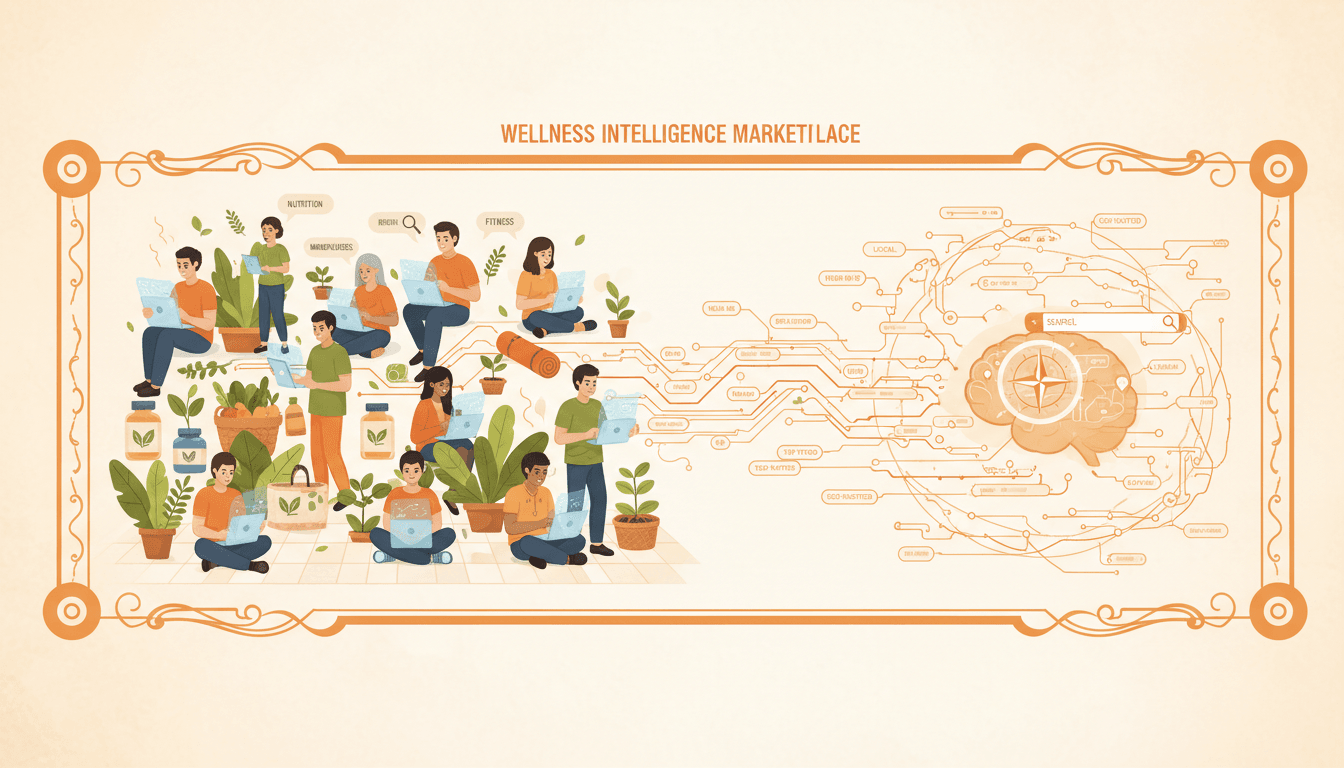
Medium-Intent GEO Content Strategies for Health & Wellness Brands to Capture Research Shoppers
Unlock greater AI visibility and engagement by mastering medium-intent GEO content strategies tailored for health & wellness brands. Discover how to effectively capture research-phase shoppers and drive measurable results with actionable, data-backed tactics.
[IMG: Health & wellness shopper using AI-powered research tools on a mobile device]
In the rapidly evolving health and wellness market, shoppers no longer make impulsive purchases—they conduct thorough research, often turning to generative AI tools to guide their decisions. Capturing these medium-intent, research-focused shoppers demands a specialized content strategy that aligns seamlessly with AI-driven search behaviors. This comprehensive guide explores how health & wellness brands can harness medium-intent GEO content strategies to stand out, engage meaningfully, and convert shoppers during their pivotal research moments.
Ready to revolutionize your health & wellness content for AI-powered shoppers? Book a free 30-minute strategy session with Hexagon and start capturing medium-intent research shoppers today.
Understanding Medium-Intent GEO Shoppers in Health & Wellness
The digital health & wellness landscape has been transformed by the rise of generative AI tools. Today, 60% of health & wellness shoppers rely on AI-powered assistants like ChatGPT or Perplexity during their research phase (Statista). These shoppers are not casually browsing—they are actively seeking credible, comparative information to inform their choices.
Medium-intent GEO shoppers occupy a distinctive space within the purchase journey. They go beyond passive browsing but are not yet ready to make a purchase. Instead, they focus on evaluating options, comparing features, and seeking specific answers to health-related questions. As Dr. Emily Chen, VP of Health Content Strategy at Healthline, explains, “AI assistants are increasingly the first stop for health & wellness shoppers seeking credible, comparative information before making a decision.”
Key traits of medium-intent shoppers include:
- Engaging deeply with educational content, spending 2-3x longer on pages compared to low-intent visitors (Think with Google).
- Frequently interacting with FAQs, guides, and product comparison tables—content formats designed for research rather than immediate conversion.
- Using generative AI queries such as “best vitamin D supplements for energy” or “how to compare probiotics for gut health in California.”
These medium-intent GEO shoppers differ markedly from high-intent (ready-to-buy) and low-intent (casual browsers) audiences. While high-intent shoppers seek quick access to pricing and shipping details, medium-intent shoppers prioritize depth, context, and local relevance. For health & wellness brands, capturing this segment means delivering authoritative, well-structured content tailored to both human users and AI research behaviors.
[IMG: Illustration showing the shopper journey with medium-intent research phase highlighted]
Top Content Formats to Capture Medium-Intent Health Shoppers
Medium-intent shoppers thrive on content that addresses their nuanced questions and supports comparison-driven decision-making. Leading health & wellness brands can capture this attention by focusing on the following content formats:
- Educational Articles: Comprehensive blog posts and explainer pieces that answer “how,” “why,” and “which” questions related to health solutions.
- Robust FAQ Sections: Organized by topic and intent, these FAQs tackle common research queries and serve both human readers and AI assistants.
- Interactive Guides: Tools or modules that help users self-select the right product or regimen based on their unique health needs.
- Comparison Tables: Side-by-side breakdowns of products or treatments, highlighting differences in ingredients, efficacy, price, and use cases.
Why do these formats excel? They naturally align with the research behaviors of medium-intent shoppers. FAQ and educational content alone capture 40% of research-phase AI shopper interactions (Perplexity Insights Report). Educational content fosters trust and signals topical authority—critical for AI-driven search visibility.
Medium-intent visitors engage with these formats far longer than low-intent browsers. For instance:
- Educational blog posts see 2-3x longer average session durations (Think with Google).
- Interactive guides and comparison tables consistently outperform standard product pages in engagement and conversion (Content Marketing Institute).
These high-performing formats deliver results by:
- Answering the detailed, research-level questions that generative AI brings to the forefront.
- Providing structured, digestible information easily interpreted and recommended by AI.
- Increasing on-page engagement, reducing bounce rates, and boosting organic visibility.
“Educational and FAQ content not only informs the shopper but also signals topical authority to generative search engines,” notes Lily Ray, Senior Director of SEO at Amsive Digital.
[IMG: Screenshot montage of high-engagement health FAQ, educational article, and comparison table]
Aligning Health & Wellness Content with AI Search and GEO Patterns
Generative Engine Optimization (GEO) represents the next evolution beyond traditional SEO—focusing on how AI assistants discover, interpret, and recommend content. Understanding GEO is essential for health & wellness brands aiming to maximize content visibility.
Unlike classic keyword-based SEO, GEO centers on the AI’s need for structured, context-rich answers to user queries. AI search patterns prioritize:
- Well-organized, schema-marked content that directly answers specific health questions.
- Detailed product and wellness information enabling nuanced, personalized recommendations.
- Localized and comparative data to deliver regionally relevant results.
Brands that focus on medium-intent GEO content strategies experience a 33% increase in AI-driven traffic (Hexagon Internal Data). Moreover, AI-generated recommendations favor brands with detailed product and wellness information by 29% (OpenAI GPT-4 Search Patterns Study).
To optimize content for AI-powered research-phase shoppers, consider these strategies:
- Implement FAQ and How-To schema markup to help AI assistants extract precise, authoritative answers.
- Structure content with clear headings, bullet points, and summary tables for straightforward parsing.
- Regularly update content to maintain freshness and relevance, boosting AI-driven rankings.
- Incorporate region-specific terminology and address local health concerns to meet geographic search intent.
“Brands that address medium-intent queries with rich, well-structured answers are rewarded by both AI algorithms and human researchers,” says Rand Fishkin, Co-founder of SparkToro.
[IMG: Diagram comparing traditional SEO and GEO (Generative Engine Optimization) pathways for health content]
The Critical Role of FAQs and Educational Content in GEO
Robust FAQ and educational sections form the backbone of any successful medium-intent GEO content strategy. These formats not only attract human research shoppers but also serve as primary data sources for AI assistants.
FAQ and educational content capture 40% of research-phase AI shopper interactions, underscoring their importance as engagement drivers (Perplexity Insights Report). Aleyda Solis, International SEO Consultant, highlights, “Consistent FAQ and educational updates keep your health brand top-of-mind for both AI and human research shoppers.”
These content types drive GEO success by:
- Addressing Common Research Queries: Well-structured FAQs answer the precise questions users—and AI tools—seek during the research phase.
- Building Trust and Authority: Educational content showcases expertise, boosting shopper confidence and AI favorability.
- Optimizing for AI Recommendations: AI-generated suggestions favor brands with detailed, well-structured product and wellness information by 29% (OpenAI GPT-4 Search Patterns Study).
Effective structures include:
- Topic-based FAQ clusters, organized by health concern, product type, or geographic region.
- Educational articles featuring clear subheadings, infographics, and summary tables.
- Dynamic content modules that update answers as new research or products emerge.
“Educational and FAQ content not only informs the shopper but also signals topical authority to generative search engines,” adds Lily Ray. Brands that update these content sections quarterly enjoy a 22% higher retention of AI-driven organic rankings (SEMRush Health Content Update Study, 2024).
[IMG: Example of a well-structured health brand FAQ and educational resource page]
Leveraging Structured Data, Schema Markup, and Content Updates for AI Assistants
Structured data and schema markup have become essential tools to help AI assistants understand and recommend health & wellness content. By adopting these technical enhancements, brands ensure their content is easily discoverable and favored by AI-powered research tools.
Key benefits of structured data and schema markup include:
- Enhanced AI Understanding: Schemas such as FAQPage, HowTo, and Product enable generative engines to extract precise answers and recommendations.
- Increased Visibility in AI Assistants: Brands implementing structured data and FAQ schemas see a 25% increase in snippet and AI-assistant visibility (Moz Structured Data Impact Study, 2024).
- Improved Engagement: Clear, structured content helps both AI and human users quickly find relevant information, boosting engagement and conversions.
Regular content updates are equally crucial. AI assistants prefer recently updated content, ensuring recommendations remain timely and accurate. Health & wellness brands that refresh FAQ and educational content quarterly experience a 22% higher retention of AI-driven organic rankings (SEMRush Health Content Update Study, 2024).
Technical best practices for health & wellness brands include:
- Implementing schema markup for FAQs, articles, and products.
- Using JSON-LD for structured data to ensure compatibility with leading AI assistants.
- Scheduling quarterly content reviews to update data, references, and answers.
- Testing markup with Google’s Rich Results Test and major AI platforms.
Brands focusing on medium-intent GEO content strategies report a 33% uplift in AI-driven traffic, highlighting the competitive advantage of technical optimization (Hexagon Internal Data).
[IMG: Visual of schema markup code on a health product FAQ page]
Localization Strategies to Enhance GEO Effectiveness
Localization is a powerful lever for boosting the impact of GEO content in health & wellness. Tailoring content to regional health concerns enables brands to engage research-phase shoppers more effectively and improve AI-driven recommendations.
Localization enhances GEO content by:
- Addressing Regional Health Concerns: Cover topics like allergy season in the Midwest, vitamin D deficiency in northern states, or skin care needs in sunny climates.
- Incorporating Language Nuances: Use local terminology and preferred spellings (e.g., “colour” vs. “color”) to align with regional search queries and AI prompts.
- Featuring Localized Success Stories: Share testimonials, case studies, or health tips relevant to specific communities or cities.
For example, a wellness brand targeting “best supplements for seasonal affective disorder in Seattle” attracts highly relevant medium-intent traffic. This approach drives deeper engagement by speaking directly to the user’s environment and context.
Localized content also supports AI-generated recommendations. Generative search engines increasingly prioritize content demonstrating both topical authority and regional relevance (BrightLocal: Local SEO for Health Brands, 2024).
Effective localization steps include:
- Researching top health concerns and search patterns in each target region.
- Creating location-specific landing pages and FAQ clusters.
- Partnering with local health experts or influencers to build trust.
[IMG: Map showing localized health & wellness content strategies by region]
Case Studies and Industry Benchmarks Demonstrating GEO Success
Real-world examples underscore the power of medium-intent GEO content strategies for health & wellness brands. Consider these two compelling case studies:
Case Study 1: National Supplement Brand
A leading supplement company overhauled its content strategy to emphasize medium-intent, research-driven GEO content. By developing educational blog posts, comprehensive FAQ sections, and region-specific guides, the brand achieved:
- 33% uplift in AI-driven traffic within six months (Hexagon Internal Data)
- 40% increase in research-phase shopper engagement on educational and FAQ content
- 29% boost in AI-generated recommendations for detailed product and wellness pages (OpenAI GPT-4 Search Patterns Study)
Case Study 2: Regional Wellness Clinic Chain
A multi-location wellness clinic implemented localized FAQ clusters and comparison tables tailored to the top five health concerns in each city. Outcomes included:
- Marked improvement in AI assistant visibility, with AI-generated snippets featuring the clinic’s answers for high-intent regional queries.
- 22% higher retention of AI-driven rankings following quarterly content updates (SEMRush Health Content Update Study, 2024)
- Significant increase in appointment bookings from shoppers engaging with localized educational guides.
Key takeaways:
- Medium-intent GEO content bridges the gap between research and conversion.
- Regular content updates and schema implementation are crucial for sustained AI visibility.
- Localization amplifies engagement and AI assistant favorability, especially for regionally focused health & wellness brands.
[IMG: Before-and-after analytics chart showing AI-driven traffic uplift for a health & wellness brand]
Actionable Steps for Health & Wellness Brands to Implement and Measure GEO Content Optimization
To accelerate AI-driven growth, health & wellness brands can follow this structured roadmap for medium-intent GEO content excellence:
1. Identify Medium-Intent Research Queries
- Use AI keyword tools and analytics to uncover the most frequent questions asked by research-phase shoppers.
- Prioritize queries that emphasize comparison, education, and local relevance.
2. Develop High-Performing Content Formats
- Produce educational articles, comprehensive FAQ sections, and comparison tables focused on top medium-intent queries.
- Structure content with clear headings, bullet points, and concise summaries.
3. Implement Structured Data and Schema Markup
- Apply FAQPage, HowTo, and Product schemas to all relevant content.
- Validate markup using Google’s Rich Results Test and guidelines from leading AI platforms.
4. Localize Content for Target Regions
- Research regional health concerns and language nuances.
- Develop localized landing pages, FAQs, and guides tailored to specific areas.
5. Schedule Regular Content Updates
- Refresh educational and FAQ content at least quarterly.
- Update statistics, recommendations, and product details to maintain AI assistant favorability.
6. Track and Measure AI-Driven Traffic
- Utilize analytics tools to monitor AI-driven visits, session durations, and engagement on research-phase content.
- Benchmark progress against industry standards and past performance.
7. Continuously Optimize Based on AI Trends
- Stay informed on evolving generative engine optimization best practices.
- Experiment with new content formats, interactive tools, and localization strategies.
Additional tips for continuous improvement:
- Collaborate with health experts to enhance content authority.
- Collect shopper feedback to refine FAQs and guides.
- Remain agile as AI search patterns evolve, ensuring your content stays at the forefront of both AI and human discovery.
[IMG: Step-by-step infographic for implementing GEO content optimization in health & wellness]
Conclusion: Transforming Health & Wellness Content for the AI-Driven Shopper
Medium-intent GEO content has become the cornerstone for health & wellness brands aiming to capture and convert research-phase shoppers. Prioritizing educational articles, FAQs, structured data, and regional relevance unlocks 33% more AI-driven traffic, 29% higher recommendation favorability, and 2-3x deeper engagement.
Success in this new landscape belongs to those who act swiftly—aligning content with AI search patterns and continuously refining their approach. As Dr. Emily Chen observes, “AI assistants are increasingly the first stop for health & wellness shoppers seeking credible, comparative information before making a decision.”
Ready to transform your health & wellness content for AI-driven shoppers? Book a free 30-minute strategy session with Hexagon and start capturing medium-intent research shoppers today.
[IMG: Health & wellness marketing team collaborating on GEO content strategy in a modern office]
For more expert insights and actionable health & wellness marketing strategies, visit Hexagon.
Hexagon Team
Published April 6, 2026