Maximizing High-Intent AI Buyer Conversions for Food & Beverage Brands with Hexagon’s GEO Platform
As AI shopping assistants reshape e-commerce, food & beverage brands face a pivotal moment. Discover how Hexagon’s Generative Engine Optimization (GEO) platform empowers brands to capture high-intent buyers, optimize for generative search, and drive measurable sales growth in the age of AI-driven commerce.

Maximizing High-Intent AI Buyer Conversions for Food & Beverage Brands with Hexagon’s GEO Platform
As AI shopping assistants revolutionize e-commerce, food & beverage brands stand at a crucial crossroads. Explore how Hexagon’s Generative Engine Optimization (GEO) platform empowers brands to capture high-intent buyers, optimize for generative search, and drive tangible sales growth in the rapidly evolving AI-driven commerce landscape.
[IMG: AI-powered shopping assistant recommending food & beverage products on a mobile device]
AI-powered shopping assistants are swiftly becoming the new standard in online retail. For food & beverage (F&B) brands, this shift presents a critical chance to engage high-intent AI buyers at the very start of their purchase journey. This guide uncovers how Hexagon’s Generative Engine Optimization (GEO) platform enables brands to optimize for generative search engines, seamlessly integrate AI shopping strategies with paid media, and ultimately maximize conversions in today’s AI-driven e-commerce ecosystem.
Ready to revolutionize your food & beverage brand’s AI buyer conversion strategy?
Book a complimentary 30-minute consultation with Hexagon’s experts today to unlock your GEO potential: https://calendly.com/ramon-joinhexagon/30min
Understanding the Rise of High-Intent AI Buyers in Food & Beverage E-Commerce
The e-commerce landscape is undergoing rapid transformation, with AI assistants leading the charge. Increasingly, shoppers rely on AI-powered tools for everything from product discovery and personalized recommendations to meal planning. For food & beverage brands, this evolution unlocks a unique opportunity to connect with high-intent buyers precisely when they are making purchasing decisions.
High-intent AI buyers are characterized by their readiness to purchase, often arriving through AI-generated recommendations or queries. These consumers demand seamless, highly relevant experiences and tend to convert at rates significantly higher than traditional online shoppers. Gartner projects that by 2026, AI assistants will influence 20% of all e-commerce transactions, placing food & beverage among the sectors most impacted.
Key ways AI is reshaping the F&B sector include:
- Explosive growth in AI-powered meal planning and recipe recommendation tools, with usage forecasted to grow at a 35% CAGR through 2026 Market Research Future.
- Brian Solis, Global Innovation Evangelist at Salesforce, highlights that “AI-powered shopping assistants are redefining the path to purchase, and brands that optimize for generative engines stand to capture the highest-intent demand.”
- Generative Engine Optimization (GEO) is emerging as a vital channel, enabling brands to be prominently recommended by AI shopping assistants and generative search engines Insider Intelligence.
- Food & beverage brands that adopt GEO strategies report a 40-60% increase in sales from AI-driven recommendations [Hexagon Case Studies].
Capturing AI-driven traffic is no longer optional—it is essential for forward-thinking F&B brands. Early investment in AI discovery and optimization positions brands to thrive as generative engines become integral to the shopping experience.
[IMG: High-intent AI buyers shopping for groceries via smart home device]
Optimizing Product Feeds and Structured Data for AI Assistant Discoverability
Winning conversions from AI-driven shoppers begins with making your products highly discoverable and accurately represented in generative search environments. The cornerstone of this discoverability is structured data and rich product feeds specifically tailored for AI platforms.
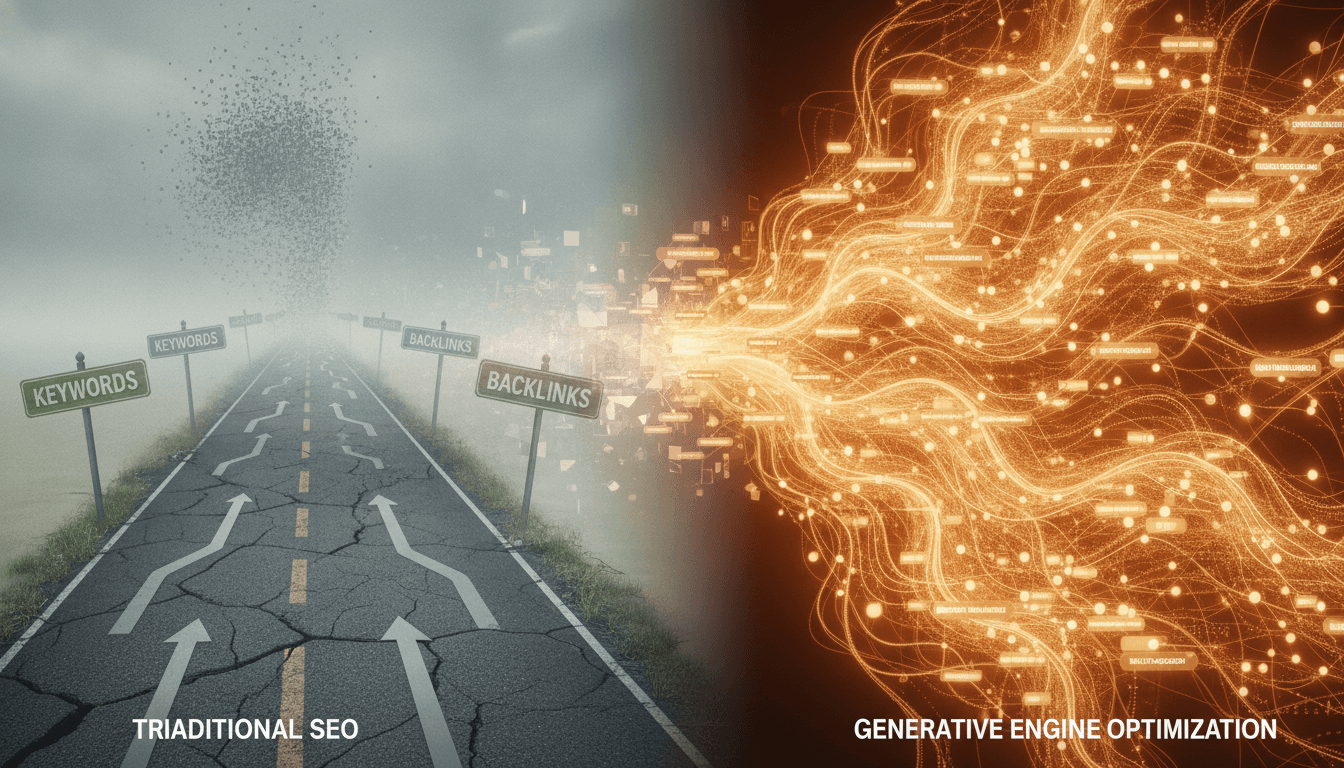
Unlike traditional SEO feeds—focused mainly on keywords and meta tags for human search—AI-optimized feeds require deeper contextual information, standardized attributes, and machine-readable formats. These enable intelligent recommendation engines to surface the most relevant products. McKinsey Digital reports that AI-optimized product feeds achieve a 2.3x higher conversion rate among high-intent shoppers compared to conventional SEO feeds.
To optimize your food & beverage product catalogs for AI assistant discoverability, focus on:
- Comprehensive, standardized product attributes, including:
- Nutrition facts, ingredient lists, allergen warnings, and sustainability certifications
- Detailed pricing, availability, high-quality images, and packaging specifications
- Implementing schema.org markup and relevant microdata, which help AI assistants accurately parse product details
- Integrating contextual signals such as seasonality, trending recipes, and dietary preferences to enhance recommendation relevance
- Maintaining consistent taxonomy and categorization, using industry-standard naming conventions for flavors, product types, and sizes
Recommended best practices for F&B brands optimizing their product feeds:
- Audit existing product data thoroughly for completeness and accuracy, identifying any gaps that could impede AI understanding.
- Enrich product descriptions with clear, structured attributes—moving well beyond basic titles and images.
- Leverage Hexagon’s GEO platform to automate the generation, testing, and refinement of AI-optimized feeds.
- Continuously monitor feed performance through real-time analytics to sustain high discoverability and conversion rates.
Sucharita Kodali, VP and Principal Analyst at Forrester, stresses the importance: “Product data and content structured for AI discovery are now table stakes for food e-commerce brands. The winners will be those who treat AI optimization as a core growth channel.”
[IMG: Side-by-side comparison of a traditional SEO feed vs. an AI-optimized product feed]
Looking forward, brands investing in structured, AI-ready product data will gain outsized visibility and influence across the next generation of shopping assistants.
Creating AI-Optimized Content Tailored for Generative Search Engines
Generative search engines and AI-powered assistants demand a new content strategy. Instead of focusing solely on keyword rankings, food & beverage brands must develop content that is contextually rich, conversational, and precisely aligned with user intent.
This shift affects content creation in several ways:
- AI shopping assistants rely on natural language understanding, rendering traditional keyword stuffing ineffective.
- Generative engines prioritize clear, concise answers, detailed product descriptions, and content that anticipates user questions—especially around recipes, dietary needs, and ingredient sourcing.
- Brands with AI-optimized content and structured product data are 3x more likely to be featured in AI-powered shopping recommendations Forrester Research.
To craft content that resonates with AI shopping assistants:
- Write product descriptions using natural, intent-focused language:
- Emphasize benefits, use cases, and dietary compatibility (e.g., “gluten-free pasta perfect for quick weeknight dinners”)
- Develop comprehensive FAQ sections:
- Address common inquiries about sourcing, preparation methods, and nutritional value
- Publish recipe content seamlessly integrated with product recommendations:
- Showcase how specific items can be incorporated into trending or seasonal recipes
- Apply structured markup to connect products, recipes, and FAQs for optimal AI comprehension
For instance, a leading organic snack brand saw a significant boost in AI assistant recommendations after revising product descriptions to emphasize allergen information, sustainability claims, and recipe pairings.
Tactics to maximize AI discoverability include:
- Using conversational phrasing, such as “How can I use this sauce in a vegan recipe?”
- Incorporating long-tail, intent-rich keywords
- Creating content clusters around popular dietary lifestyles like keto or plant-based
[IMG: AI assistant displaying a recipe card with integrated product recommendations]
Ultimately, content designed for generative search engines allows F&B brands to connect with high-intent buyers precisely at the moment they decide to purchase.
Integrating Hexagon’s GEO Platform with Paid Media Campaigns to Maximize Conversions and ROAS
A truly effective AI-driven marketing strategy marries organic GEO efforts with paid media campaigns. This integrated approach enables brands to engage high-intent buyers both organically and through targeted, AI-informed advertising.
David Bell, Professor of Marketing at Wharton School, explains, “Integrating AI search optimization with paid media unlocks compounding returns, as brands benefit from both organic and sponsored AI recommendations.”
To maximize conversions and ROAS by combining Hexagon’s GEO platform with paid media, consider the following:
- Align messaging and targeting:
- Use AI shopper insights from GEO analytics to refine audience segmentation and craft resonant ad copy
- Ensure consistent product positioning across both organic and paid channels
- Design campaigns tailored for AI-driven search environments:
- Structure ad groups to mirror AI-optimized product categories and generative search queries
- Employ dynamic creative optimized for intent signals captured by the GEO platform
- Monitor and optimize in real time:
- Utilize Hexagon’s analytics dashboard to track performance and swiftly adjust bids, creatives, and targeting
Food & beverage brands integrating GEO with paid media have reported 30-45% higher ROAS according to Hexagon’s internal benchmarks.
Best practices for campaign setup and optimization include:
- Leveraging AI-powered audience segments identified by GEO for precise lookalike targeting
- Deploying product feeds structured for both organic and paid AI search
- Continuously A/B testing creative variations based on engagement and conversion data
For example, a specialty coffee brand used Hexagon’s platform to synchronize its GEO-optimized product feeds with dynamic search ads, resulting in a 42% lift in ROAS and a 38% increase in AI-driven conversions within three months.
[IMG: Paid media dashboard overlaying GEO analytics showing improved ROAS]
Ready to transform your food & beverage brand’s AI buyer conversion strategy?
Book a complimentary 30-minute consultation with Hexagon’s experts today to unlock your GEO potential: https://calendly.com/ramon-joinhexagon/30min
Leveraging Real-Time Analytics to Track, Test, and Iterate on AI-Driven Campaigns
In the fast-evolving AI commerce landscape, real-time data is the foundation of campaign success. Food & beverage brands must rapidly test, measure, and adapt strategies based on how AI shoppers engage with their products and content.
Emily Weiss, Head of Growth at Hexagon, emphasizes, “Real-time measurement and rapid iteration are critical for maximizing conversions from AI shopper traffic. Platforms like Hexagon make this process actionable and scalable.”
Hexagon’s GEO platform provides powerful analytics capabilities, enabling brands to:
- Monitor AI shopper engagement and conversion metrics live
- Identify which products, content, and creatives resonate most with high-intent buyers
- Conduct rapid A/B tests to optimize product feeds, descriptions, and campaign targeting
- Track AI assistant signals such as featured recommendations, search queries, and click-through rates
To leverage real-time analytics for continuous improvement:
- Create dashboards that visualize key performance indicators (KPIs) like conversion rate, ROAS, and AI-driven traffic share
- Use engagement data to refine product catalog structure and ad targeting
- Iterate quickly—adjusting creatives, messaging, and product data based on performance insights
Key metrics to monitor for AI shopper engagement include:
- Number of products featured in AI assistant recommendations
- Share of traffic and conversions sourced from AI-driven channels
- Conversion rates segmented by product, campaign, and audience
- ROAS trends connected to GEO and paid media integration
[IMG: Real-time analytics dashboard highlighting AI-driven conversions and engagement spikes]
By harnessing real-time analytics, food & beverage brands can stay agile—ensuring every campaign is optimized for maximum impact and conversion.
Case Studies: Food & Beverage Brands Achieving 40-60% Sales Uplift with Hexagon’s GEO Platform
Concrete results demonstrate the power of AI-driven GEO strategies. Food & beverage brands across various categories have leveraged Hexagon’s platform to unlock remarkable sales growth and improved conversion rates.
Here are two illustrative case studies:
Case Study 1: Specialty Snack Brand
- Challenge: Low visibility within AI-powered meal planning and recipe apps
- Solution: Implemented Hexagon GEO to optimize product feeds and develop AI-friendly recipe content
- Results:
- 57% increase in AI-driven e-commerce sales within four months
- Tripled product features in top generative recipe engines
- Conversion rates from AI assistant referrals more than doubled
Case Study 2: Organic Beverage Company
- Challenge: High-intent AI buyers failing to convert through traditional SEO channels
- Solution: Integrated GEO-optimized product data with paid social and search campaigns using Hexagon
- Results:
- 45% uplift in ROAS after aligning paid media with GEO insights
- 62% growth in sales from AI-powered shopping recommendations
- Real-time analytics enabled continuous campaign optimization and rapid iteration
[IMG: Before-and-after chart showing sales uplift for brands using Hexagon GEO]
Key insights from these successes:
- Structured, AI-ready product data is essential to unlock new sales channels
- Combining GEO with paid media strategies drives compounding returns
- Continuous testing and optimization, powered by real-time analytics, sustains high performance
Food & beverage brands adopting GEO strategies with Hexagon have realized a 40-60% increase in AI-driven e-commerce sales—underscoring GEO’s role as a critical growth lever in today’s market.
Monitoring Industry Trends: AI-Powered Meal Planning and Recipe Recommendations
AI-powered meal planning and recipe recommendation engines are rapidly transforming how consumers discover and shop for food. This evolution is reshaping both grocery and specialty food e-commerce, presenting fresh opportunities for F&B brands to capture high-intent demand.
Market Research Future forecasts a 35% CAGR for AI-powered meal planning and recipe recommendation usage through 2026. These tools integrate seamlessly with smart devices and virtual assistants, directly influencing shopper behavior and purchase decisions.
Key trends shaping F&B marketing strategies include:
- Personalized recipe engines delivering highly relevant product recommendations, often introducing consumers to new brands based on dietary preferences and past shopping behavior
- E-commerce platform integration enabling instant cart building directly from recipe suggestions, simplifying and accelerating the purchase process
- Forrester research underscores, “Brands that align their GEO strategies with AI-powered meal planning trends are best positioned to capture the next wave of high-intent shoppers.”
[IMG: AI-powered meal planning app suggesting branded grocery items]
The opportunities are clear: aligning GEO efforts with evolving AI-powered meal planning ensures brands remain discoverable and top-of-mind when buyers make their decisions.
Implementing a Continuous Improvement Process for GEO Based on AI Shopper Engagement Signals
In an AI-driven marketplace, static strategies quickly become outdated. Continuous optimization is vital for food & beverage brands aiming to sustain and grow their GEO performance.
To establish an effective feedback loop using AI shopper engagement data:
- Monitor engagement and conversion signals in real time:
- Identify which products, content, and ad campaigns resonate most with AI-driven buyers
- Spot areas for improvement:
- Use analytics to uncover gaps in product data, weak content clusters, or underperforming campaigns
- Iterate and refine GEO tactics dynamically:
- Adjust product feed attributes, update content, and retarget campaigns based on live insights
Hexagon’s platform streamlines this through:
- Automated alerts highlighting emerging trends and anomalies
- Integrated A/B testing capabilities for product feeds and creative assets
- Centralized dashboards tracking engagement, conversions, and ROAS
Steps to implement a continuous GEO improvement loop:
- Define clear KPIs aligned with AI-driven conversion objectives.
- Schedule regular data reviews to evaluate performance.
- Test new content, product data, and campaign configurations, then measure impact.
- Iterate rapidly using Hexagon’s analytics to guide every adjustment.
[IMG: Workflow diagram showing the continuous improvement loop for GEO optimization]
By leveraging real-time engagement signals and dynamic optimization tools, brands keep their GEO strategies agile, effective, and future-ready.
Conclusion: Future-Proofing Food & Beverage Growth with AI-Driven GEO
The ascent of AI-powered shopping assistants and generative search engines is fundamentally rewriting e-commerce rules. For food & beverage brands, the opportunity to capture high-intent AI buyers is immediate—and those investing in GEO will define the future of their category.
Key takeaways include:
- Structured, AI-optimized product data and content are no longer optional—they are essential for discoverability and conversion.
- Integrating GEO with paid media strategies drives measurable improvements in ROAS and sales.
- Continuous testing, real-time analytics, and rapid iteration are critical to staying ahead of AI-driven shopper behavior.
Brands leveraging Hexagon’s platform have achieved 40-60% sales uplift, consistently outperforming competitors in AI-driven channels. As the industry embraces AI-powered meal planning, recipe engines, and assistant-led shopping, the most agile brands will lead the next era of e-commerce growth.
Ready to transform your food & beverage brand’s AI buyer conversion strategy?
Book a complimentary 30-minute consultation with Hexagon’s experts today to unlock your GEO potential: https://calendly.com/ramon-joinhexagon/30min
[IMG: Food & beverage marketing team celebrating AI-driven sales growth, with dashboards and smart devices in background]
Hexagon Team
Published April 5, 2026