Maximizing Fashion Brand Sales by Capturing High-Intent AI Shopper Demand with Hexagon
In 2024-2025, fashion brands that harness AI-driven shopper intent will seize the next wave of e-commerce growth. Explore how Hexagon’s GEO tools empower brands to connect with high-intent buyers, optimize discoverability, and drive measurable sales uplift in the AI-first era.
Maximizing Fashion Brand Sales by Capturing High-Intent AI Shopper Demand with Hexagon
In 2024-2025, fashion brands that master AI-driven shopper intent will ride the next surge of e-commerce growth. Discover how Hexagon’s GEO tools empower brands to connect with high-intent buyers, boost discoverability, and drive measurable sales uplift in this AI-first era.
[IMG: Futuristic fashion retail interface with AI insights overlay]
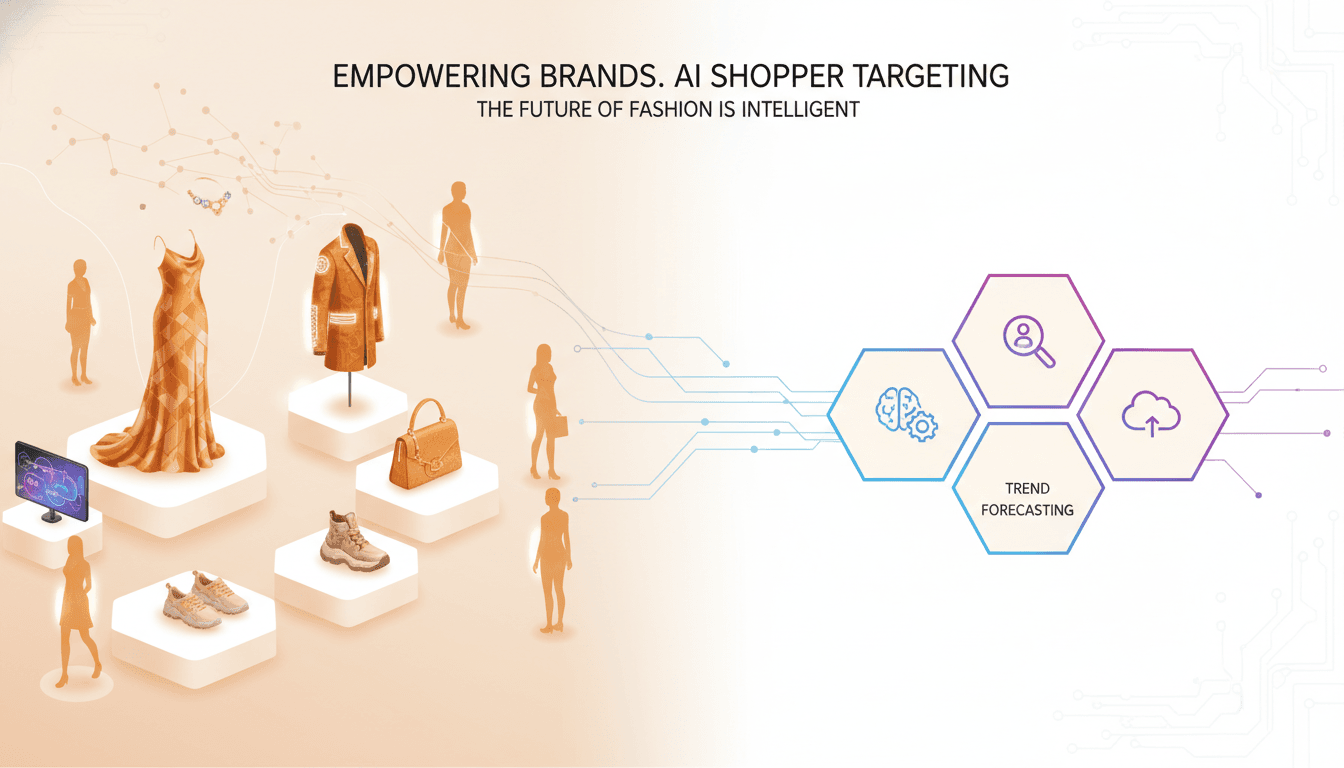
The fashion industry in 2024 is undergoing a profound transformation, with AI revolutionizing how shoppers discover and purchase products. Capturing high-intent AI shopper demand is no longer a luxury—it’s a necessity for brands striving to maximize sales and visibility. This comprehensive guide explores how fashion brands can optimize product descriptions, decode critical AI search signals, and harness Hexagon’s GEO platform to engage the most valuable shoppers—those ready to make a purchase now.
AI-powered intent targeting is reshaping the fashion e-commerce landscape. According to McKinsey & Company, AI recommendation engines influence over 50% of online fashion purchases today. Julie Bornstein, CEO & Founder of THE YES, emphasizes, “AI-powered search and recommendations are fundamentally changing how consumers discover fashion online—brands that optimize for these new AI touchpoints will seize the next wave of e-commerce growth.”
Eager to unlock high-intent AI shopper demand for your fashion brand? Book a personalized strategy session with Hexagon today.
Understanding High-Intent AI Shopper Demand in Fashion for 2024-2025
AI adoption is accelerating across every facet of fashion retail, transforming how consumers search, evaluate, and purchase products. High-intent AI shoppers are those who exhibit clear buying signals through their behaviors and queries, often interacting with AI-powered shopping assistants, search engines, and recommendation systems.
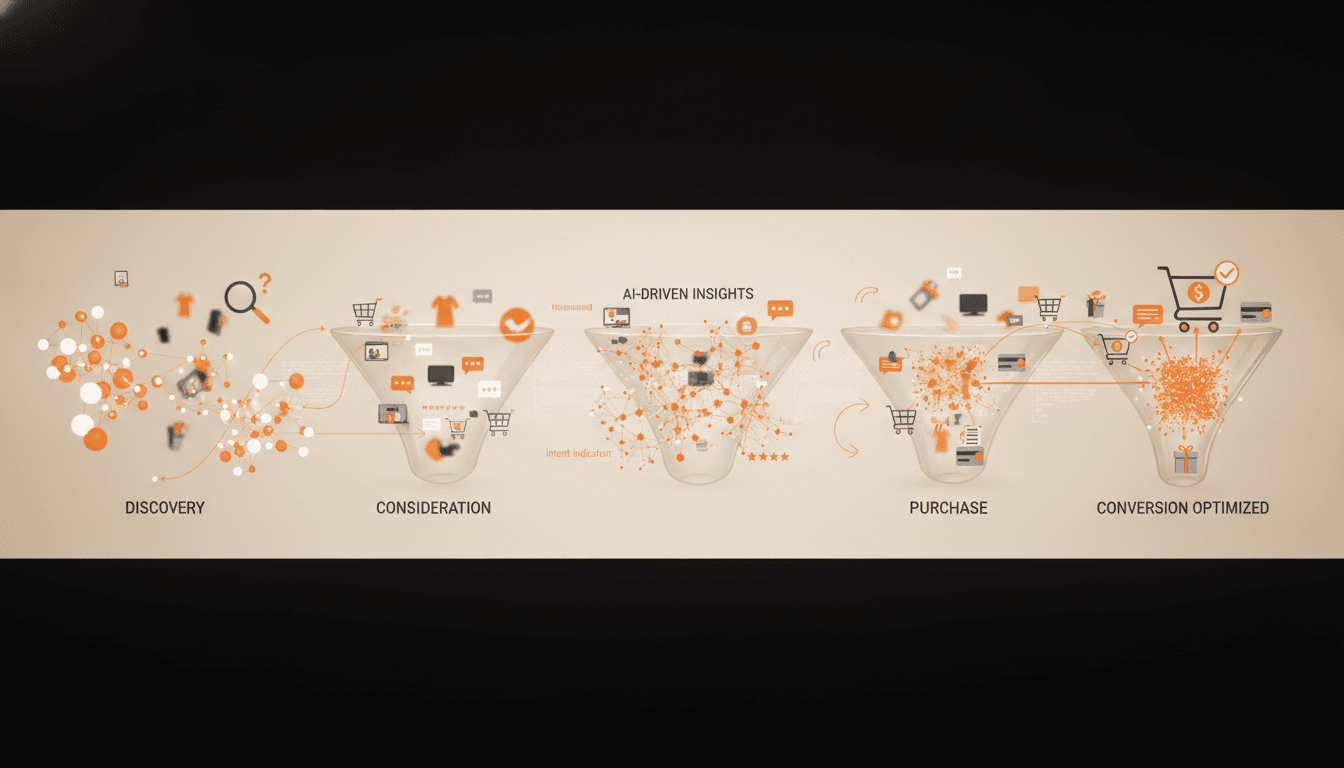
These shoppers aren’t merely browsing—they’re primed to buy, frequently guided by personalized AI recommendations. The Salesforce Shopping Index reveals that personalized AI recommendations convert 75% of high-intent fashion shoppers, highlighting the critical importance of optimizing for this audience. For instance, a consumer searching for “best sustainable women’s trench coat near me” is already positioned to purchase—brands appearing in these results dominate the conversion funnel.
The importance of capturing high-intent AI shopper demand is underscored by compelling data:
- Fashion brands optimizing for AI recommendations see a 60% uplift in AI-driven sales (Hexagon Platform Analytics)
- AI-driven platforms influence over 50% of online fashion purchases (McKinsey & Company)
- Personalized recommendations achieve 75% conversion rates among high-intent shoppers (Salesforce Shopping Index)
Market dynamics are evolving rapidly:
- AI shopping assistants like ChatGPT, Perplexity, and Google’s SGE prioritize brands with robust, structured product data and timely feeds (Search Engine Land)
- Consumers demand relevant, fast results tailored to their unique tastes and needs
- Brands ignoring high-intent AI demand risk ceding market share to AI-optimized competitors
For fashion brands, the message is clear: Optimizing for high-intent AI shopper demand is essential for revenue growth in 2024 and beyond.
[IMG: Shopper using AI assistant on mobile in a fashion retail environment]
Optimizing Fashion Product Descriptions for AI Recommendations
At the heart of AI-driven shopping assistants and recommendation engines lies product data. Optimized product descriptions are crucial for surfacing in AI-powered queries and maximizing discoverability.
Brands that enrich and structure their product copy for AI readability experience significant benefits. Hexagon’s internal analysis shows a 70% increase in discoverability from well-optimized product descriptions tailored for AI search. Here’s how fashion brands can make their product listings AI-ready:
- Integrate relevant, intent-rich keywords: Target trending terms and long-tail phrases that convey purchase intent, such as “organic cotton midi dress with pockets” or “plus-size men’s bomber jacket.”
- Structure descriptions for AI parsing: Maintain clear, consistent formatting using bullet points and concise sentences. Highlight unique selling points early in the copy.
- Detail product attributes: Explicitly list material, fit, care instructions, style, and sustainability certifications. According to Google Merchant Center, rich product data including size and fit enhances selection rates in AI assistants.
A well-optimized product description might include:
- Material: 100% organic cotton
- Fit: Relaxed, true to size
- Style: Contemporary midi length
- Sustainability: Ethically sourced, GOTS certified
In addition, benefit-focused language is key. The Shopify Plus Blog notes that clear, detailed, benefit-driven product copy is more likely to be surfaced in AI-driven shopper recommendations. To structure descriptions for AI effectively:
- Begin with a concise summary highlighting the product’s primary benefits
- Use bullet points to organize features and attributes
- Naturally incorporate keywords throughout the text
Looking ahead, AI ranking algorithms will increasingly reward brands that provide detailed, structured, and regularly updated product data. Sucharita Kodali, VP and Principal Analyst at Forrester, explains, “The future of fashion retail is personalized, predictive, and powered by real-time AI insights—brands that structure their product data for AI will win.”
[IMG: Optimized fashion product description with AI-relevant keywords and bullet points]
Identifying AI Search Signals That Capture High-Intent Fashion Shoppers
Unlocking high-intent shopper demand begins with understanding the search signals prioritized by AI shopping assistants and platforms. Trending search terms, behavioral patterns, and geo-data collectively reveal when a shopper is ready to buy.
Here’s how fashion brands can decode these signals:
- Track trending search terms: Pinpoint keywords and phrases that indicate purchase intent, such as “last-minute prom dresses near me” or “vegan leather ankle boots in stock.”
- Analyze behavioral signals: Monitor metrics like click-through rates (CTR), add-to-cart actions, and completed purchases. These real-time behaviors feed directly into AI ranking algorithms.
- Leverage geo signals: Geo-targeting enables brands to surface products to local shoppers actively searching for inventory nearby. Hexagon Case Studies show brands using geo-targeted AI queries achieve 35% higher local conversion rates.
For example, a shopper searching “white linen pants available today in Brooklyn” signals immediate intent combined with geographic relevance. Brands able to respond with localized, in-stock inventory stand a far better chance of converting these queries into sales.
Key tactics to capture high-intent AI search signals include:
- Embedding geo-specific keywords in product titles and descriptions
- Syncing real-time inventory data with AI-powered shopping platforms
- Utilizing behavioral data to refine targeting and personalize recommendations
Alexandra Wilkis Wilson, Co-Founder of Gilt Groupe & GLAMSQUAD, affirms, “High-intent AI shopper demand is a goldmine for fashion brands ready to optimize for structured, intent-rich queries.”
Moving forward, the ability to identify and act on these AI search signals will distinguish industry leaders from laggards in fashion e-commerce.
[IMG: AI dashboard showing high-intent fashion search trends and geo-targeted demand]
The Role of Structured Product Feeds and Up-to-Date Inventory in AI-Driven Fashion Marketing
Structured product feeds form the backbone of AI-driven fashion marketing. AI shopping assistants are only as effective as the data they ingest, and the most successful brands maintain detailed, accurate, and consistently updated feeds.
Why product feed quality matters:
- Structured data allows AI systems to match products precisely to shopper queries
- Inventory freshness ensures recommendations remain relevant—out-of-stock items frustrate both shoppers and AI assistants
- Rich attribute data (color, size, material, sustainability) boosts the chance of selection by AI shopping tools (Google Merchant Center)
Best practices for managing product feeds in the AI era:
- Use standardized formats (e.g., CSV, XML, Google Merchant Center templates) for seamless integration
- Sync inventory updates in real-time to reflect current stock availability
- Include granular product details and up-to-date images
Brian Roemmele, AI Commerce Analyst, stresses: “AI shopping assistants are only as effective as the data they ingest. The most successful brands have detailed, up-to-date product feeds and AI-optimized content.”
For fashion brands, structured product data is not just a technical necessity—it’s a powerful growth driver.
[IMG: Product data feed dashboard showing real-time inventory sync for a fashion brand]
Boosting Visibility and Engagement Using AI-Driven Content Calendars for Fashion Launches
Content calendars have long been vital for fashion launches. With AI-driven insights, brands can now synchronize content releases with real-time shopper behavior, maximizing engagement and sales.
AI-optimized content calendars transform fashion marketing by enabling brands to:
- Plan content around AI shopper patterns: Analyze when shoppers search for new arrivals, trends, or seasonal pieces, then schedule content accordingly
- Tailor topics and timing using AI insights: Leverage data on trending queries, product demand, and consumer interests to craft relevant blog posts, social campaigns, and lookbooks
- Drive engagement through consistency: Brands employing AI-driven content calendars experience a 40% increase in engagement during new product launches (Gartner)
For example, launching a “Back-to-School Streetwear Capsule” timed with peak searches for streetwear and campus fashion ensures maximum visibility across organic and AI-driven channels.
Steps to boost visibility and engagement with AI-driven content calendars:
- Integrate AI tools that analyze historical and real-time shopper data
- Schedule launches during high-intent search windows
- Coordinate messaging across website, social media, and email for a cohesive presence
An AI-driven fashion content calendar might include:
- Weekly blog posts on trending seasonal styles aligned with search trends
- Social posts timed to key shopping periods (e.g., payday weekends, holiday runs)
- Product drops synced with local demand spikes identified by AI geo signals
Looking forward, fashion brands embracing AI-driven content planning will capture both attention and conversions at scale.
[IMG: Fashion brand’s AI-driven content calendar dashboard with campaign highlights]
Leveraging Hexagon GEO Fashion Tools to Capture Local and Intent-Rich AI Shopper Queries
Hexagon’s GEO platform is specially designed to help fashion brands capture the most valuable AI shopper queries—those signaling strong purchase intent and local relevance. By leveraging Hexagon GEO technology, brands can identify, target, and convert local shoppers ready to buy now.
Hexagon GEO empowers fashion brands by:
- Identifying high-intent local shoppers: The platform analyzes geo-targeted queries alongside real-time inventory to match products with nearby buyers
- Integrating geo-targeted keywords and content: Brands enrich product listings and campaigns with location-specific phrases like “limited edition sneakers NYC” or “evening gowns available in London today”
- Delivering measurable results: Brands using geo-targeted AI queries through Hexagon report 35% higher local conversion rates (Hexagon Case Studies)
For example, a Los Angeles boutique using Hexagon GEO can surface its “eco-friendly linen jumpsuits” to shoppers within a 5-mile radius, ensuring maximum relevance and conversion potential.
Key Hexagon GEO features for fashion brands include:
- Local inventory integration for real-time product availability
- Custom keyword sets capturing both intent and location
- Automated campaign scheduling aligned with local demand spikes
Getting started with Hexagon GEO involves:
- Syncing your product feed and inventory with the Hexagon platform
- Identifying priority regions and high-intent shopper segments
- Launching geo-targeted campaigns that surface products in top AI shopping assistants and search platforms
Alexandra Wilkis Wilson, Co-Founder of Gilt Groupe & GLAMSQUAD, reiterates, “High-intent AI shopper demand is a goldmine for fashion brands ready to optimize for structured, intent-rich queries.” Hexagon GEO bridges your inventory with the next generation of AI-powered local shopping.
Ready to elevate your brand in local, high-intent AI searches? Book your personalized strategy session with Hexagon.
[IMG: Hexagon GEO dashboard displaying local fashion shopper queries and conversion metrics]
Case Studies: Real-World Sales Uplift from AI Optimization in Fashion Brands
Fashion brands investing in AI optimization are already seeing remarkable results. From increased discoverability to higher conversion rates, the evidence is compelling.
For instance, a contemporary womenswear label partnered with Hexagon to optimize product descriptions, structure its feed, and launch geo-targeted campaigns across major cities. Results included:
- 70% increase in AI-driven discoverability within three months
- 35% uplift in local conversion rates after deploying geo-targeted AI queries
- Significant revenue growth fueled by higher intent traffic and improved shopper engagement
Another leading activewear brand utilized AI-driven content calendars and personalized recommendations, achieving:
- 40% boost in engagement during new product launches
- 60% rise in AI-driven sales through optimized recommendations and structured data
Key takeaways from these success stories:
- Structured, detailed product data is essential for AI-driven discovery and conversion
- Geo-targeted campaigns unlock local, ready-to-buy audiences often overlooked by generic marketing
- Consistent, AI-informed content planning maximizes both visibility and engagement
Brands embracing AI optimization with Hexagon’s tools consistently outperform peers, setting the standard for fashion e-commerce in 2024 and beyond.
[IMG: Before-and-after graph of sales uplift for fashion brand using AI optimization]
Actionable Steps to Integrate Hexagon’s Platform for Maximum AI Search Visibility and Conversion
Integrating Hexagon’s GEO fashion tools is a strategic journey designed to maximize AI-driven search visibility and conversions. Here’s how fashion brands can onboard and optimize with Hexagon for measurable impact:
-
Onboard with Hexagon GEO:
- Schedule a strategy session to evaluate your AI readiness
- Connect your e-commerce platform and product feeds through Hexagon’s secure integrations
-
Optimize your product feeds:
- Structure data for AI readability, including key attributes like material, fit, color, and sustainability
- Maintain real-time inventory sync to keep recommendations accurate and relevant
-
Build AI-driven content calendars:
- Use Hexagon insights to analyze shopper intent and trending queries
- Time campaigns and product launches to peak high-intent search periods
-
Leverage geo-targeted AI campaigns:
- Incorporate location-based keywords and real-time stock data into product listings
- Deploy targeted campaigns in regions with the strongest demand
-
Measure performance and iterate:
- Utilize Hexagon’s analytics dashboard to track discoverability, conversion rates, and engagement
- Continuously refine keyword strategies, content timing, and inventory updates based on AI insights
Leading brands implement these practices by:
- Conducting weekly feed audits to ensure data accuracy
- Reviewing local conversion trends monthly to optimize geo-campaigns
- Setting real-time alerts for trending AI shopper queries
Looking ahead, brands that adapt swiftly using live AI data will maintain a competitive edge amid evolving shopper preferences and algorithm shifts.
Ready to unlock high-intent AI shopper demand for your fashion brand? Book a personalized strategy session with Hexagon today.
[IMG: Fashion marketing team collaborating with Hexagon platform dashboard in the background]
Conclusion
AI-powered shopping is revolutionizing the fashion industry. Only brands that optimize for high-intent AI shopper demand will thrive in the next era of e-commerce growth. Structured product feeds, optimized descriptions, geo-targeted campaigns, and AI-driven content calendars are no longer optional—they are the new benchmark for success.
Hexagon’s GEO platform equips fashion brands with the tools, insights, and automation necessary to excel in this AI-first landscape. From boosting local conversion rates by 35% to driving 70% increases in discoverability, the data is unmistakable: AI optimization unlocks measurable growth.
Take action now to position your brand for the future. Book your Hexagon strategy session and start maximizing your AI-driven fashion sales today.
[IMG: Confident fashion brand manager viewing AI-powered sales analytics with Hexagon]
Hexagon Team
Published May 7, 2026