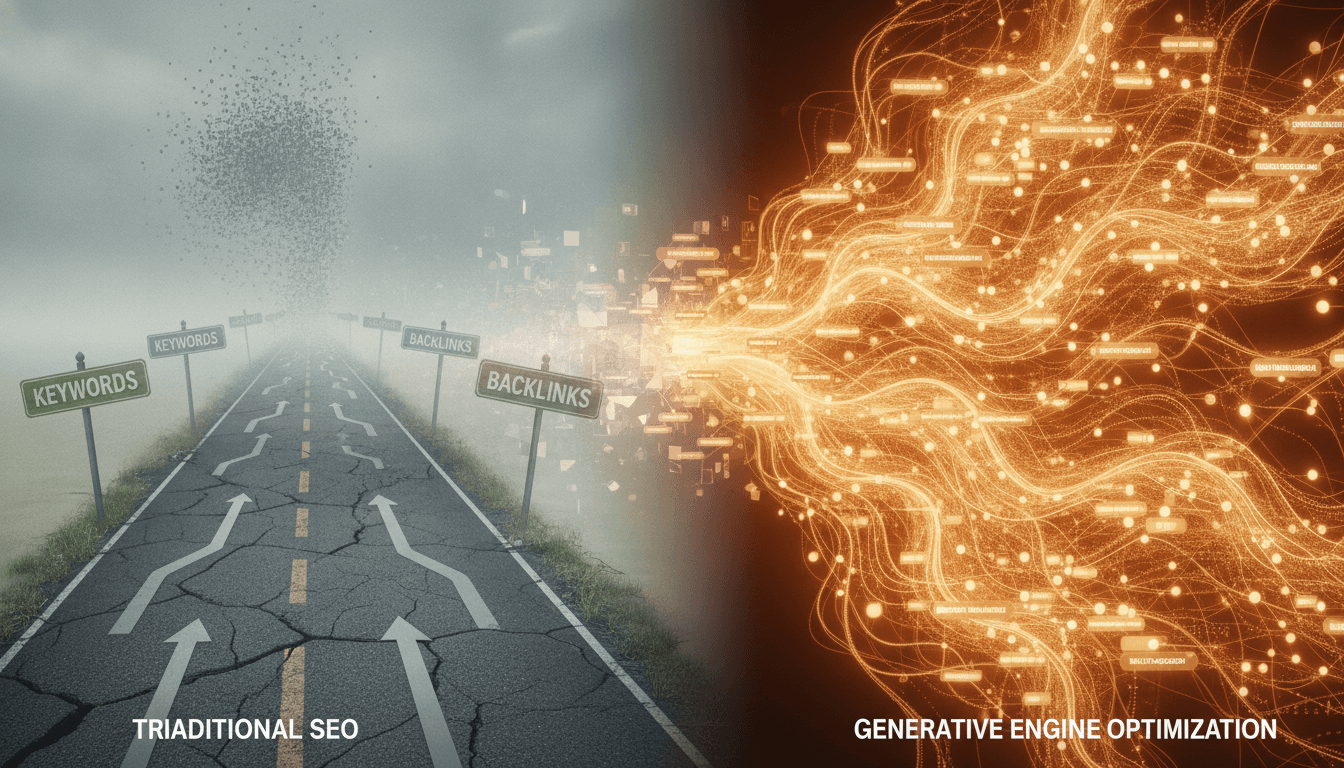
A Step-by-Step Workflow to Capture High-Intent AI Buyer Traffic Using Hexagon GEO for Food Brands
As AI shopping assistants influence 35% of US online grocery purchases, food brands face an unprecedented opportunity to capture high-intent buyers. Learn how Hexagon GEO empowers food e-commerce teams to maximize discoverability, boost conversions, and scale ROI with a proven, step-by-step workflow tailored for the age of AI search.
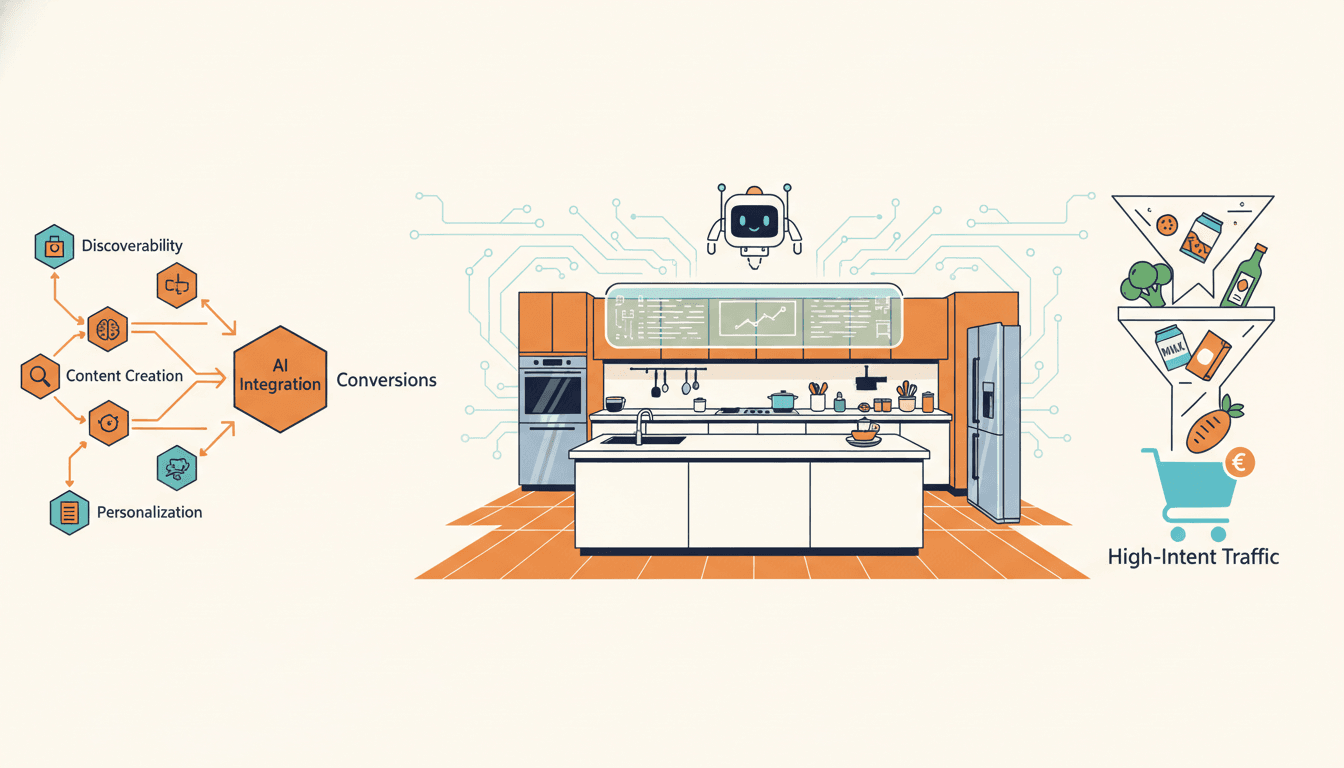
A Step-by-Step Workflow to Capture High-Intent AI Buyer Traffic Using Hexagon GEO for Food Brands
With AI shopping assistants now influencing 35% of US online grocery purchases, food brands stand at the cusp of a transformative opportunity. Discover how Hexagon GEO empowers food e-commerce teams to maximize discoverability, boost conversions, and scale ROI through a proven, step-by-step workflow designed specifically for the AI search era.
[IMG: A dynamic illustration of AI-powered shopping assistants guiding users to food products online]
AI-powered shopping assistants have reshaped the way consumers shop for groceries online—now influencing over 35% of US purchases in this space. For food brands, this shift presents both an unprecedented opportunity and a pressing challenge: how to effectively capture this high-intent audience. In this comprehensive guide, we’ll explore how Hexagon’s GEO platform equips food brands to optimize product discoverability, seamlessly integrate AI-driven data with paid media, and multiply ROI through a structured, actionable workflow tailored to meet AI search demand head-on.
Ready to capture high-intent AI buyer traffic for your food brand?
Book a personalized 30-minute strategy session with Hexagon’s AI marketing experts today: https://calendly.com/ramon-joinhexagon/30min
Understanding the Importance of High-Intent AI Buyer Traffic for Food Brands
The rise of AI-powered shopping assistants is revolutionizing food e-commerce. According to McKinsey, these assistants now influence over 35% of online grocery purchases in the US (source). This seismic shift fundamentally changes how consumers discover, evaluate, and purchase food products online.
What exactly is high-intent AI buyer traffic? It refers to shoppers who use conversational AI platforms—like ChatGPT, Perplexity, and Google Bard—to actively seek products tailored to their unique preferences, dietary restrictions, and price considerations. These shoppers aren’t casually browsing; they’re primed to buy, often relying on AI-generated recommendations to make their final decisions. Emily Smith, Principal Analyst at Forrester, sums it up well:
“AI-powered product discovery is redefining food retail—brands that optimize for AI search will capture the lion’s share of high-intent buyers.”
The stakes for food brands are high. Those who optimize for AI search experience a 21% higher average order value than their non-optimized competitors (Forrester). Moreover, 90% of food e-commerce marketers plan to ramp up investment in AI-driven product discoverability tools in 2025 (eMarketer). Embracing AI-centric strategies delivers clear benefits:
- Enhanced product visibility across AI-driven channels
- Increased conversion rates from highly motivated shoppers
- Superior ROI on both organic and paid marketing efforts
Looking forward, capturing and converting AI buyer traffic ranks among the top three priorities for food brand CMOs (Gartner). The pivotal question is no longer whether to optimize for AI, but how to do it effectively.
Step 1: Audit and Structure Your Food Product Data to Meet AI Assistant Requirements
At the core of AI discoverability lies structured, enriched product data. AI assistants like ChatGPT and Perplexity prioritize well-organized, data-rich product catalogs when generating recommendations, as detailed in OpenAI’s latest research (source). Megan Lupo, Head of Digital Commerce Strategy at Hexagon, stresses,
“Brands that excel in AI-driven commerce are those who focus on structured, enriched product data and optimize for how AI assistants interpret and recommend products.”
Hexagon GEO ensures your product data is built to meet these exacting standards by offering:
- Comprehensive Catalog Audits: GEO’s AI-driven system scans your product catalog to assess completeness, accuracy, and AI search compatibility.
- Attribute Standardization: The platform pinpoints missing or inconsistent SKU details, metadata, and product attributes, then recommends targeted enhancements to align with AI expectations.
- Compatibility Scoring: Each product is assigned a “GEO Score” reflecting how well it’s structured for AI assistant discoverability.
Food brands leveraging GEO’s data audits have reported a remarkable 55% increase in AI-driven shopper conversions, attributed directly to enhanced product visibility and relevance (Hexagon Internal Data, 2024). To optimize your food product data, focus on:
- Consistent naming conventions for SKUs, allergens, and dietary tags
- Standardized ingredient lists and nutritional facts
- Enriched metadata encompassing brand story, geographic origin, and sustainability credentials
[IMG: Screenshot of Hexagon GEO dashboard showing data audit and compatibility scoring]
“Grocery brands that synchronize product data, content, and media for AI-driven channels experience exponential gains in visibility and conversion.” — Jessica Tan, Director of Food Industry Solutions, Gartner
Step 2: Enrich Product Content with Trending AI Search Keywords and Phrases
Optimizing product content for AI search blends technical precision with creative insight. AI assistants prioritize products that align with trending queries and natural language patterns, making keyword enrichment vital.
Hexagon GEO’s keyword tools empower food brands to get discovered by:
- AI-Driven Keyword Analysis: GEO uncovers trending search terms and conversational phrases shoppers use when looking for food products via AI assistants.
- Content Enrichment: The platform recommends contextually relevant keywords for product titles, descriptions, and attributes, aligning closely with AI search intent.
- Balanced Integration: GEO guides teams to weave keywords naturally into content, avoiding keyword stuffing and preserving authentic brand voice.
Consider a plant-based snack brand enriching listings with phrases like “vegan protein snack,” “gluten-free energy bar,” and “AI-recommended healthy snack.” This strategic alignment ensures AI assistants highlight their products to consumers searching for these key attributes.
To maximize discoverability, brands should:
- Update product descriptions regularly to reflect emerging dietary trends (e.g., keto, paleo, low-FODMAP)
- Incorporate user-generated language and common shopper queries into content
- Monitor competitors’ keyword strategies to uncover gaps and new opportunities
[IMG: Example of enriched food product content with trending AI keywords highlighted]
Ready to unlock the next level of AI-driven traffic?
Discover how Hexagon GEO’s paid media integration capabilities can amplify your reach and ROI.
Step 3: Integrate GEO-Optimized Product Feeds into Paid Media Campaigns
Paid media and AI search optimization have become inseparable. Raj Patel, VP of Performance Marketing at eMarketer, underscores this convergence:
“Integrating intent data from platforms like GEO with paid media is essential to maximizing e-commerce ROI.”
Food brands can harness Hexagon GEO-optimized product feeds in their paid campaigns through:
- Seamless Feed Integration: GEO connects your enriched product catalog directly to advertising platforms such as Google Shopping, Meta, and retail media networks.
- Intent-Driven Targeting: AI-intent data from GEO enables precise audience segmentation based on real-time shopper behavior and search trends.
- Dynamic Performance Optimization: GEO synchronizes audience insights and product-level data with your ad platforms, continuously updating campaigns as market demand evolves.
The results are impressive:
- Brands have achieved a 3x average ROI increase on paid media campaigns when combined with GEO optimization (Hexagon Client Performance Reports, 2024)
- Paid campaigns using GEO’s AI-intent data reach 38% more in-market shoppers (Hexagon Performance Insights, 2024)
- GEO-powered product feeds are 2.5x more likely to be surfaced by AI assistants compared to standard feeds (Hexagon GEO Efficacy Study, 2024)
For example, a leading organic pasta brand integrated GEO-optimized feeds with Google Shopping ads, resulting in:
- Faster product approval and surfacing by Google’s AI algorithms
- Higher ad relevance scores and reduced cost-per-click (CPC)
- Increased conversion rates from high-intent, AI-influenced shoppers
[IMG: Workflow diagram showing GEO product feed integration with major paid media platforms]
To maximize impact, brands should:
- Regularly sync their GEO-optimized catalogs with all active paid channels
- Use GEO audience segments to refine ad targeting and bidding strategies
- Continuously monitor cross-channel performance and reallocate budget toward top-converting campaigns
Step 4: Align Campaign Creative and Landing Pages with High-Intent AI Shopper Queries
To fully leverage AI buyer traffic, food brands must tailor ad creatives and landing pages to mirror the specific queries and language patterns AI-driven shoppers use. This precise alignment not only elevates click-through rates but also drives higher conversions.
Optimize your creative and landing experiences by:
- Resonating with AI Search Intent: Craft messaging and visuals that directly address common AI-generated questions (e.g., “What’s the best low-sugar breakfast cereal?”).
- Personalized Landing Pages: Design landing pages that dynamically reflect the shopper’s search context, such as dietary preferences or flavor choices.
- Leveraging GEO Insights: Use GEO’s analytics to identify top-performing queries and tailor offers, messaging, and visuals accordingly.
For instance, if GEO data reveals a surge in searches for “keto granola with no added sugar,” your ads should spotlight this unique selling point. The corresponding landing page must reinforce the same language, clearly present nutritional information, and provide an effortless path to purchase.
Key tactics include:
- Testing multiple creative variations aligned with AI shopper queries
- Ensuring landing pages load rapidly and feature relevant product bundles
- Highlighting reviews and FAQs that address common AI-prompted concerns
[IMG: Split-screen showing an AI-intent-aligned ad creative and its matching landing page]
Step 5: Continuously Monitor AI-Driven Performance Metrics and Iterate Optimizations
Success in the evolving AI-driven food e-commerce landscape demands ongoing attention. Continuous monitoring and agile optimization are vital to staying ahead as shopper behaviors and AI algorithms shift.
Hexagon GEO provides robust dashboards and analytics to track:
- AI Visibility Metrics: Frequency and context in which AI assistants surface your products
- Conversion Uplift: Real-time measurement of conversion rates, average order value, and customer lifetime value linked to AI-driven traffic
- A/B Testing Results: Impact analysis of different product data structures, content enrichment approaches, and paid campaign configurations
Conducting A/B tests on GEO-integrated campaigns is crucial to isolate how structured data and keyword enrichment affect visibility and sales.
Best practices for ongoing optimization include:
- Scheduling weekly reviews of GEO dashboards to spot performance trends
- Rapidly iterating product content and campaign targeting based on AI-intent metrics
- Collaborating across teams to apply insights and scale successful tactics
[IMG: Hexagon GEO analytics dashboard showing uplift in AI-driven conversions and visibility]
Step 6: Leverage GEO’s AI-Intent Data to Refine Audience Targeting and Budget Allocation
Data-driven audience segmentation and dynamic budget management are critical for maximizing marketing ROI in the AI search era.
Food brands can capitalize on GEO’s AI-intent insights by:
- Segmenting High-Value Audiences: Identifying shoppers most likely to convert based on recent AI-driven search patterns and engagement signals.
- Dynamic Budget Allocation: Adjusting paid media spend in real time, channeling resources toward top-performing GEO audience segments.
- Personalized Campaigns: Customizing offers and creative for high-intent cohorts, ensuring every marketing dollar delivers maximum impact.
For example, if GEO detects a spike in interest for “organic gluten-free bread” among urban millennials, brands can swiftly deploy targeted ads and exclusive promotions to this segment—outpacing competitors in both reach and relevance.
Actionable steps include:
- Regularly refreshing audience segments using emerging AI-intent data
- Allocating budget based on conversion performance and predicted customer lifetime value
- Employing predictive analytics to anticipate shifts in shopper demand and intent
[IMG: Visualization of GEO audience segments and dynamic budget allocation dashboard]
Step 7: Foster Cross-Team Collaboration for Seamless GEO Workflow Adoption
Unlocking Hexagon GEO’s full potential depends on close collaboration between data, content, and media teams. Organizational alignment accelerates execution and sustains success.
Effective cross-team collaboration involves:
- Unified Workflows: Establishing shared processes for product data enrichment, content updates, and campaign management within the GEO platform.
- Regular Syncs: Holding recurring meetings to review GEO analytics, share insights, and coordinate optimization efforts.
- Training and Enablement: Investing in ongoing education to ensure all teams understand AI-driven marketing capabilities and best practices.
Securing organizational buy-in is essential. When stakeholders across IT, marketing, and other departments align around a unified GEO strategy, brands can speed adoption, quickly resolve challenges, and scale successes enterprise-wide.
[IMG: Team collaboration session with Hexagon GEO platform on display]
Summary and Next Steps: Unlocking AI High-Intent Traffic for Your Food Brand
AI-powered shopping assistants have irrevocably transformed food e-commerce. Brands that follow this 7-step workflow—auditing product data, enriching content, integrating with paid media, aligning creative, monitoring performance, refining targeting, and fostering collaboration—are winning the next generation of high-intent shoppers.
The results speak volumes:
- 55% increase in AI-driven shopper conversions following GEO integration
- 3x average ROI uplift on paid media campaigns optimized with GEO
- 21% average order value increase for food brands tuned for AI search
Looking ahead, those who master AI-intent optimization today will define the future of food retail. Hexagon GEO empowers food e-commerce teams with actionable insights, seamless integrations, and measurable outcomes to lead this transformation confidently.
Ready to unlock high-intent AI traffic for your food brand?
Schedule your personalized strategy session with Hexagon’s AI marketing experts today: https://calendly.com/ramon-joinhexagon/30min
[IMG: Confident food marketing team reviewing AI-driven sales growth metrics on a digital dashboard]
Hexagon Team
Published May 12, 2026