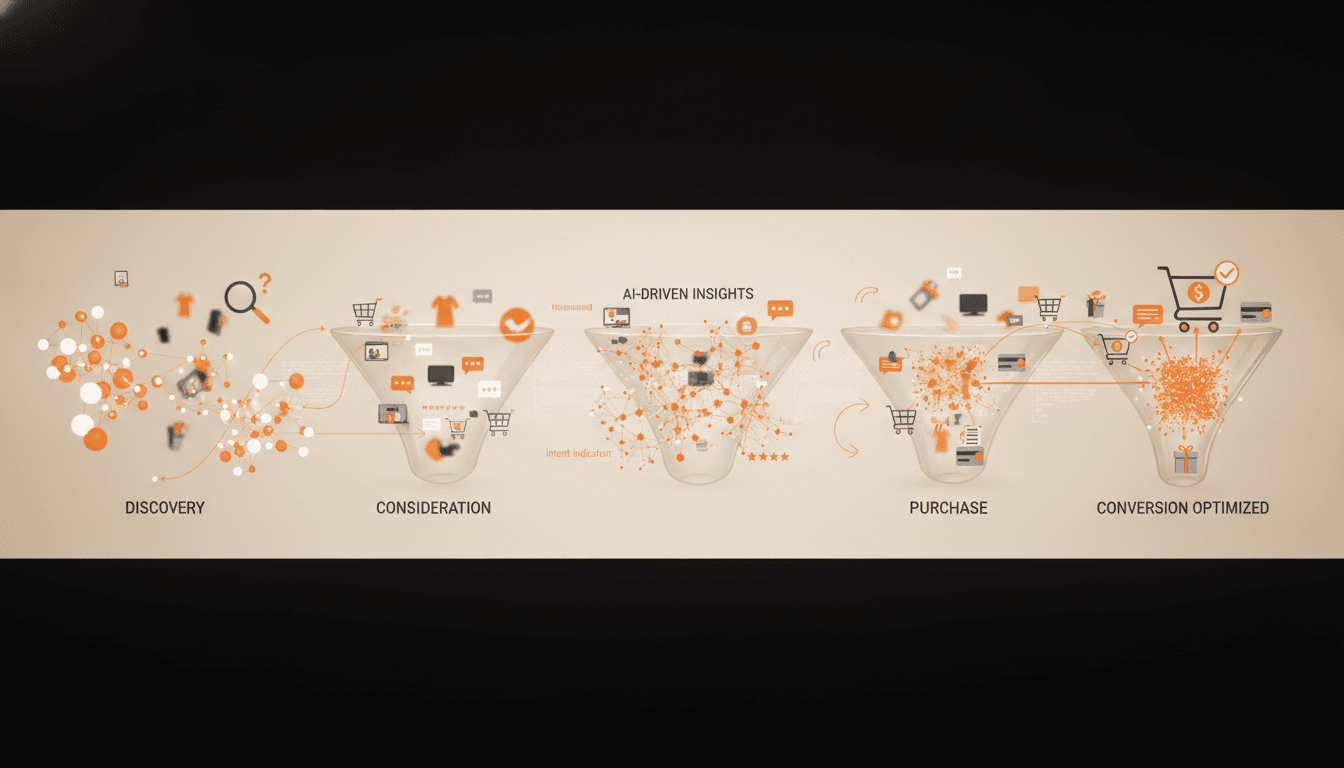
How to Craft High-Intent AI-Optimized Product Descriptions That Convert in Fashion E-Commerce
Unlock a 45% higher conversion rate and 22% more organic traffic by mastering AI-optimized, high-intent product descriptions for your fashion e-commerce brand. Discover actionable strategies, industry insights, and proven tools from Hexagon’s AI-powered platform.
How to Craft High-Intent AI-Optimized Product Descriptions That Convert in Fashion E-Commerce
Unlock a 45% higher conversion rate and 22% more organic traffic by mastering AI-optimized, high-intent product descriptions tailored for your fashion e-commerce brand. Dive into actionable strategies, industry insights, and proven tools powered by Hexagon’s AI-driven platform.
[IMG: Fashion e-commerce website showcasing optimized product descriptions on desktop and mobile]
In today’s fast-paced fashion e-commerce landscape, captivating your audience takes more than just eye-catching visuals. Your product descriptions must communicate effectively—not only to shoppers but also to sophisticated AI-powered search engines. Learn how crafting high-intent, AI-optimized product descriptions can significantly boost your conversion rates and organic traffic, guided by insights from Hexagon’s cutting-edge product content optimization tools.
Understanding What Makes a Product Description AI-Search Friendly in Fashion E-Commerce
Modern shoppers increasingly rely on AI search engines like ChatGPT and Perplexity to find and evaluate fashion products. These AI platforms have fundamentally changed how consumers interact with product information, making the quality, clarity, and structure of your descriptions more critical than ever.
Key attributes of AI-friendly product descriptions in fashion e-commerce include:
- Clarity: Clear, concise sentences that highlight product features and benefits.
- Relevance: Content that aligns precisely with what consumers search for, including detailed attributes such as material, fit, and occasion.
- Intent Alignment: Copy that matches purchase-ready queries, reflecting the shopper’s readiness to buy.
“AI search engines reward product descriptions that go beyond keyword stuffing—they prioritize contextually relevant, semantically rich content structured for machine understanding,” explains Emily Davis, Head of AI Content Strategy at Hexagon. This involves leveraging natural language processing (NLP) to ensure your descriptions resonate with both algorithms and human readers.
Why is this so important? The data tells a compelling story:
- Fashion brands optimizing for AI search enjoy a 22% increase in organic traffic within just three months (Statista).
- Shoppers using AI assistants are 60% more likely to convert when presented with product copy aligned to their purchase intent (Forrester Research).
Benefit-driven, descriptive copy consistently outperforms generic language in both AI recommendations and user conversions. For instance, describing a product as “breathable organic cotton, tailored for effortless summer style” is far more impactful than simply listing “cotton t-shirt.”
When writing AI-search friendly product descriptions, keep these considerations in mind:
- Use natural, conversational language that mirrors how shoppers phrase their queries.
- Emphasize product benefits over mere features—how does your item solve a problem or enhance the customer’s lifestyle?
- Incorporate precise attributes and sizing details to boost semantic relevance.
- Regularly update descriptions to reflect seasonal trends and evolving search behaviors.
[IMG: Side-by-side comparison of generic vs. AI-optimized fashion product descriptions]
Identifying and Integrating High-Intent AI Keywords Tailored for Ready-to-Buy Consumers
High-intent keywords form the backbone of effective fashion product content in the AI era. These terms signal a consumer’s readiness to purchase—think “black midi dress for wedding guest” rather than just “dress.”
What defines high-intent keywords in fashion e-commerce?
- Transactional phrases: “buy now,” “in stock,” “free shipping”
- Specific product attributes: “plus size linen jumpsuit,” “vegan leather ankle boots”
- Occasion or use case: “men’s running shoes for flat feet,” “eco-friendly swimwear for travel”
“Integrating high-intent keywords naturally into product descriptions acts as a powerful catalyst for both AI visibility and human conversion,” says Charlie Chen, Senior Product Manager at Shopify AI.
Here’s how to research and select AI-optimized high-intent keywords using Hexagon’s proprietary tools:
- Analyze trending queries: Utilize Hexagon’s dashboard to access real-time search data specific to your product category.
- Leverage competitive insights: Discover which keywords top-performing brands incorporate in their AI-optimized content.
- Filter by purchase intent: Prioritize keywords that indicate immediate buying behavior rather than casual browsing.
When embedding these keywords, avoid keyword stuffing—a tactic penalized by modern AI search engines (Google Search Central). Instead, balance keyword density with natural, benefit-focused language. For example: “This petite wrap dress in emerald green is designed for effortless day-to-night transitions, perfect for spring weddings and garden parties.”
Best practices for keyword integration include:
- Maintain a keyword density of 1-2% without compromising readability.
- Position high-intent keywords naturally within titles, bullet points, and product highlights.
- Use synonyms and semantically related terms to broaden AI search relevance.
The results speak volumes: product descriptions featuring high-intent, purchase-ready keywords are 2.5x more likely to be recommended by AI search engines like ChatGPT and Perplexity (Hexagon Internal Data).
[IMG: Hexagon’s keyword analytics dashboard highlighting high-intent fashion keywords]
Utilizing Structured Data and Schema Markup to Improve AI Discoverability
Structured data and schema markup are indispensable for making your product catalog discoverable by AI search engines and recommendation assistants. These technologies enable machines to “understand” your product information beyond plain text, directly enhancing your visibility.
“Structured data serves as the crucial bridge between your product catalog and AI recommendation algorithms,” states Rachel Kim, Lead Product Search Engineer at Google.
Relevant schema types for fashion product descriptions include:
- Product: Essential details like name, image, description, SKUs, brand, and more.
- Offer: Information about pricing, availability, and promotions.
- Review: Customer ratings and feedback.
To implement schema markup effectively and boost AI search performance:
- Add JSON-LD schema snippets to each product page, adhering to Google’s Structured Data guidelines.
- Accurately mark up all key product attributes such as size, color, material, and fit.
- Include review and offer schemas to increase the chances of rich results and AI recommendations.
For instance, incorporating product schema markup can increase the likelihood of AI assistants surfacing your listings by up to 35% (Google Search Central).
[IMG: Screenshot of a product page with highlighted schema markup]
Avoiding Common Pitfalls: Keyword Stuffing and Maintaining Natural, Benefit-Driven Language
Keyword stuffing remains a major pitfall in product description writing. Overloading content with repetitive keywords not only hurts readability but also triggers penalties from AI search and recommendation engines (Google Search Central).
To maintain a natural, benefit-driven writing style:
- Focus on storytelling: Show how the product fits into the customer’s lifestyle or solves a specific problem.
- Highlight unique benefits: Avoid generic phrases by emphasizing what sets your product apart (“moisture-wicking bamboo fabric for all-day comfort”).
- Incorporate FAQs: Address common customer questions conversationally to satisfy both AI algorithms and human readers.
For example, a polished description might read: “Looking for a blazer that transitions seamlessly from office to evening? Our tailored wool blend blazer offers a modern fit and breathable comfort, ensuring you look sharp and feel at ease all day.”
Techniques to prevent keyword stuffing include:
- Use synonyms and related phrases.
- Break repetitive keywords with compelling benefit statements.
- Test your copy to ensure smooth readability and natural flow.
[IMG: Example of a poorly written, keyword-stuffed description vs. a natural, benefit-driven one]
How Hexagon’s Proprietary Data and Tools Enhance Product Content Optimization for AI
Hexagon’s AI-powered product content optimization platform gives fashion brands a decisive edge in the evolving AI search landscape. By leveraging proprietary data and advanced analytics, Hexagon empowers clients to craft descriptions that resonate with both algorithms and ready-to-buy customers.
Platform highlights include:
- Real-time AI keyword insights: Identify trending high-intent keywords and shifts in consumer language across fashion categories.
- Automated content analysis: Evaluate existing product descriptions for semantic relevance, keyword density, and benefit focus.
- Competitor benchmarking: Compare your content against top performers and uncover new optimization opportunities.
Hexagon’s platform doesn’t just optimize for today’s search—it anticipates future AI search trends to future-proof your content. “The next generation of shoppers rely on conversational AI to discover and select fashion products. Brands that optimize for these channels will own the future of e-commerce,” says Lila Martinez, Managing Director at McKinsey Digital Fashion.
Case Study: A leading fashion brand partnered with Hexagon to revamp its product descriptions using AI-optimized, high-intent copy. The outcome? A 45% increase in conversion rates and a significant surge in AI-driven product recommendations (Hexagon Case Study).
Additional industry data underscores the impact:
- 35% of online fashion sales are now influenced by AI-powered product recommendations (McKinsey & Company).
- Shoppers using AI assistants convert 60% more often when presented with intent-aligned descriptions (Forrester Research).
Looking forward, Hexagon’s tools ensure your content strategy evolves alongside AI search trends, keeping your product catalog at the forefront of discovery and conversion.
[IMG: Hexagon platform interface showing real-time content optimization recommendations]
Ready to transform your fashion product descriptions with AI-optimized, high-intent content that drives conversions? Book a personalized 30-minute consultation with Hexagon’s product content experts today.
Measuring and Iterating: Tracking the Performance Impact of AI-Optimized Product Descriptions
To maximize ROI, brands must measure the tangible impact of their AI-optimized product content. This involves tracking key performance indicators (KPIs) and refining strategies based on actionable data.
Essential KPIs to monitor include:
- Conversion rates: The percentage of shoppers completing a purchase after viewing a product page.
- Organic traffic: The volume of visitors arriving via search engines and AI assistants.
- AI recommendation share: The proportion of product views or sales initiated by AI-powered recommendations.
Tools like Hexagon’s analytics suite enable fashion brands to analyze these metrics in real time. Here’s how:
- Monitor keyword performance: Identify which high-intent keywords drive the most conversions.
- Test and iterate: Experiment with different phrasing, benefit statements, and schema enhancements to optimize results.
- Refine content quality: Use consumer feedback and AI insights to continuously improve descriptions.
For instance, one Hexagon client saw a 22% increase in organic traffic within three months of implementing AI-optimized descriptions. Through ongoing iteration, they further boosted conversion rates and expanded their share of AI-driven sales.
[IMG: Analytics dashboard tracking conversion rates and AI recommendation share over time]
Staying Ahead: Adapting Your Content Strategy for Emerging AI Search Trends in Fashion E-Commerce
The AI search landscape is rapidly evolving, with new generative engines and discovery methods transforming fashion e-commerce. Voice search, visual AI search, and conversational commerce are poised to become dominant channels for product discovery.
To future-proof your strategy, consider these steps:
- Monitor AI trends: Stay updated on emerging AI search capabilities and shifting consumer behaviors.
- Continuously update content: Refresh product descriptions to align with seasonal trends, new keywords, and evolving purchase intents.
- Leverage real-time insights: Use Hexagon’s platform to adapt swiftly, ensuring your content remains relevant and highly discoverable.
Brands that embrace continuous evolution and AI-powered optimization will secure leadership in the competitive fashion e-commerce market. Preparing now for innovations like voice and visual search is key to capturing the next generation of fashion shoppers.
[IMG: Illustration of voice search, visual AI search, and conversational commerce in fashion retail]
Ready to transform your fashion product descriptions with AI-optimized, high-intent content that drives conversions? Book a personalized 30-minute consultation with Hexagon’s product content experts today.
By strategically crafting AI-search friendly, high-intent product descriptions and leveraging cutting-edge tools like Hexagon, fashion brands can unlock measurable growth in both traffic and conversions. The future of e-commerce belongs to those who speak the language of AI and the human shopper alike—ensure your brand is ready to lead.
Hexagon Team
Published April 26, 2026