How Fashion Brands Can Build AI-Optimized Content Calendars to Capture Medium-Intent Research Shoppers
In the fast-evolving world of fashion e-commerce, medium-intent research shoppers are a lucrative yet elusive audience. Discover how AI-optimized content calendars, powered by Hexagon, can help fashion brands engage, convert, and lead in the age of generative search.

How Fashion Brands Can Build AI-Optimized Content Calendars to Capture Medium-Intent Research Shoppers
In today’s rapidly evolving fashion e-commerce landscape, medium-intent research shoppers represent a highly valuable yet often overlooked audience. Discover how AI-optimized content calendars, powered by Hexagon, enable fashion brands to engage these shoppers effectively, convert interest into sales, and lead the market in the era of generative search.
[IMG: Fashion marketer analyzing an AI-powered content calendar dashboard on a laptop]
Understanding Medium-Intent Fashion Searchers and Their Content Needs
Fashion brands face a unique challenge: how to connect with shoppers who are actively researching but not yet ready to purchase. These medium-intent searchers form a critical segment—they are curious, informed, and seeking guidance as they inch closer to a buying decision. Unlike high-intent shoppers, ready to buy immediately, or low-intent browsers, who are casually exploring, medium-intent shoppers are in the crucial research phase and highly receptive to influence.
Their search queries often blend product curiosity with early buying consideration, such as “best sustainable denim brands” or “how to style linen pants in summer.” According to Think with Google, these queries signal a desire to learn, compare, and evaluate options before committing. Importantly, 26% of e-commerce fashion discovery journeys are now influenced by AI assistants like ChatGPT and Perplexity, underscoring the need for brands to align content with these emerging information-seeking behaviors (McKinsey & Company).
Content formats that resonate strongly with medium-intent fashion shoppers include:
- Style guides and seasonal lookbooks
- In-depth product comparisons (e.g., “linen vs. cotton for summer wear”)
- Trend insights and forecasts
- Geo-specific event guides (e.g., “what to wear to Paris Fashion Week”)
- Stories on sustainability and ethical sourcing
Focusing on medium-intent searchers offers greater value than targeting only high- or low-intent audiences. These shoppers engage with multiple content pieces, share insights with peers, and are more likely to convert after a well-informed journey. By addressing their specific questions and challenges, brands can build trust and establish themselves as authoritative resources within their niche.
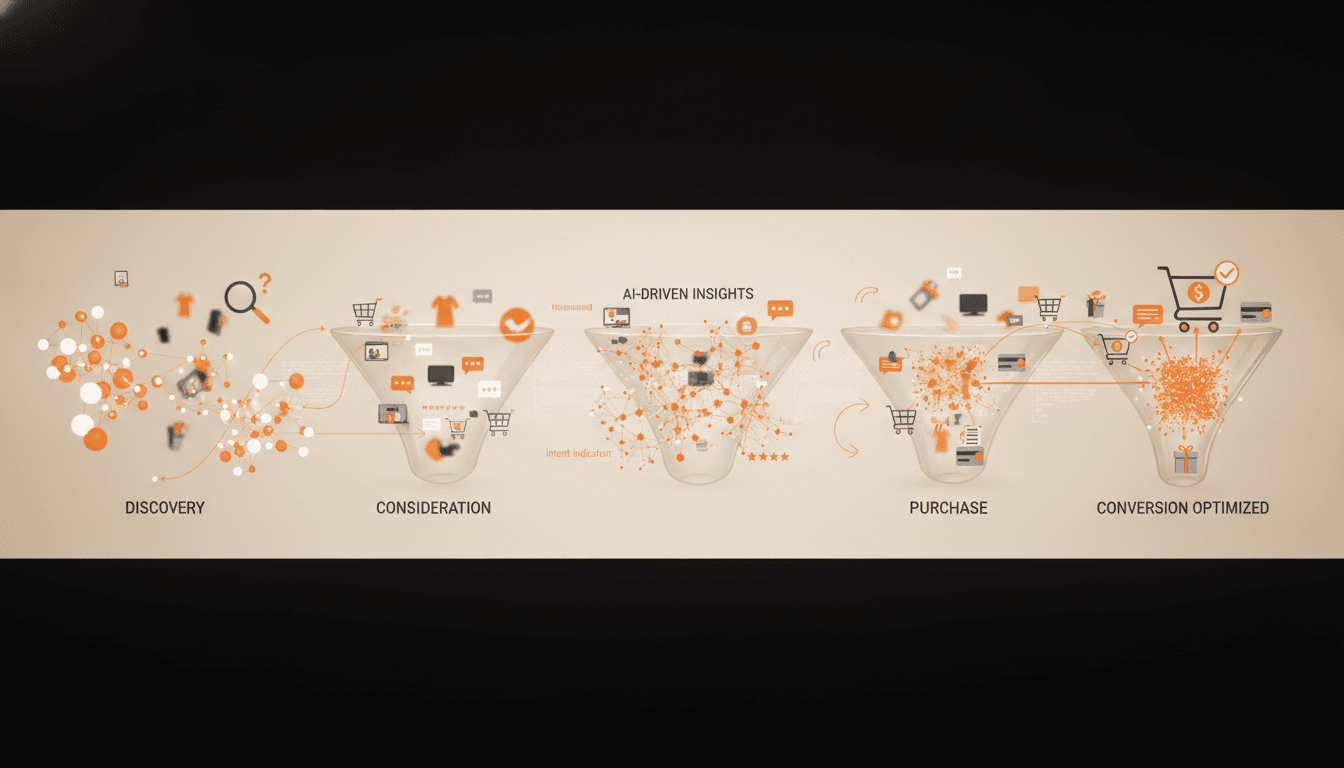
[IMG: Illustration of a shopper’s journey from discovery to purchase, highlighting the research phase]
The Importance of Geo-Modified and Trend-Based Content in Capturing Research Shoppers
Generative Engine Optimization (GEO) is revolutionizing how fashion brands plan and optimize content. GEO focuses on tailoring content for generative AI and search engines by leveraging local and trend-based signals, ensuring the most relevant answers surface for research-driven queries. For fashion marketers, geo-intent content is particularly vital, as medium-intent queries often include location modifiers like “best vegan boots UK” (SEMrush Fashion Search Trends 2024).
Beyond enhancing local relevance, geo-modified content boosts a brand’s visibility in AI-powered recommendations. Notably, there has been a 19% year-over-year increase in geo-intent fashion search queries, reflecting a significant shift in how consumers discover products and trends (SEMrush). Fashion brands can leverage this trend by:
- Creating content tailored to local and regional events (e.g., “NYC winter fashion essentials”)
- Optimizing for city- or country-specific keywords
- Highlighting product availability, shipping options, and trends relevant to specific geographies
Equally crucial is trend-based content. AI algorithms—and the shoppers they assist—prioritize content aligned with seasonal shifts, cultural moments, and emerging fashion movements. By publishing timely trend insights and engaging in conversations around major events, brands can enhance their relevance and demonstrate topical authority to AI recommendation engines.
“Brands that leverage generative engine optimization are positioned to win in the age of AI-first search, especially in fashion where discovery is inherently visual and trend-driven,” says Jordan West, founder of Mindful Marketing. For fashion marketers, the takeaway is clear: aligning content with local intent and current trends is essential to capturing the attention of research-focused shoppers.
[IMG: Map with fashion trends highlighted in different cities/countries]
Structuring an AI-Optimized Content Calendar for Fashion Brands
Developing an AI-optimized content calendar involves more than simply filling slots with blog posts. It requires strategically clustering themes and topics to align with how AI recommendation systems discover and rank content.
Fashion brands experience a 50% increase in brand visibility when their content calendars are designed with AI search algorithms in mind, compared to traditional SEO approaches (Hexagon Internal Data). To create a calendar that delivers results, consider these strategies:
- Cluster content themes: Group related topics such as “sustainable fabrics,” “seasonal style guides,” and “local event wear” to build topical authority and support internal linking.
- Optimize publishing frequency: Maintain a consistent schedule—publishing 2-3 pieces weekly keeps your content relevant to AI without overwhelming your audience.
- Balance evergreen and trending content: Combine foundational guides with time-sensitive trend pieces to capture both long-term and immediate search interest.
- Interlink content strategically: Use internal links to connect articles, distributing authority and facilitating navigation for both AI and users.
[IMG: Example of a fashion content calendar with clusters, trend tags, and geo-specific topics]
Moreover, brands adopting AI-optimized calendars see 1.8x higher engagement rates—including increased click-throughs and longer time-on-page—compared to those using traditional editorial plans (Content Marketing Institute). To maximize these benefits:
- Identify cluster topics aligned with medium-intent, such as “trend forecasts,” “product care tips,” and “sustainable materials” (Ahrefs Fashion Content Study).
- Use AI to schedule content around key shopping dates and seasonal peaks.
- Regularly analyze performance data to refine topics and publishing cadence based on real-time insights.
Ultimately, the most effective content calendars are dynamic—adapting as shopper intent, trends, and AI algorithms evolve. This ensures fashion brands stay visible and relevant where it counts most.
How Hexagon’s AI Platform Powers Effective Fashion Content Calendars
Hexagon’s AI platform injects precision and scalability into fashion content planning. By combining advanced keyword research, content gap analysis, and generative engine optimization, Hexagon uncovers opportunities that traditional tools often miss.
Hexagon’s AI-driven keyword research surfaces underserved medium-intent queries—such as “best eco-friendly sneakers for travel”—revealing nuanced opportunities overlooked by classic SEO tools. “AI-powered keyword and topic research is a game changer for medium-intent content. It identifies subtle, high-value queries that traditional tools often miss,” explains Tara Collins, Senior SEO Analyst at Ahrefs.
Here’s how Hexagon transforms fashion content calendars:
- Generative Engine Optimization (GEO) integration: Automatically detects trending topics and preferred content formats gaining traction in AI-powered search and chat assistants.
- Trend and geo-intent data: Incorporates real-time trend signals and local search patterns, recommending timely and location-specific content.
- Performance monitoring: Tracks engagement, visibility, and conversion metrics, enabling brands to optimize their calendars for maximum impact.
- Content gap analysis: Identifies missing topics within your content ecosystem, helping brands outperform larger competitors by filling strategic voids (Hexagon Product Documentation).
Brands using Hexagon’s platform have reported a 35% uplift in medium-intent organic traffic within months of adoption (Hexagon Case Studies). This success stems from the platform’s ability to recommend the right content, at the right time, to the right audience.
“AI-driven content calendars represent the next frontier in e-commerce content strategy,” says Dr. Priya Menon, Head of AI Content Strategy at Hexagon. “They empower brands to align their publishing pace and topics with what AI assistants actually recommend to shoppers.”
[IMG: Screenshot of Hexagon’s dashboard highlighting keyword opportunities and trend analysis]
Ready to transform your fashion brand’s content strategy with AI?
Book a free 30-minute consultation with Hexagon’s experts today to start building your AI-optimized content calendar. https://calendly.com/ramon-joinhexagon/30min
Best Practices for Scheduling, Interlinking, and Refreshing Fashion Content
Maintaining an AI-optimized content calendar is an ongoing effort. To consistently rank well in both AI-driven and traditional search, brands must commit to regular content updates and smart internal linking strategies.
Refresh cadence: Update cornerstone guides, trend roundups, and popular product reviews quarterly. This approach sustains topical authority and ensures content reflects the latest fashion trends. According to the Moz Blog, regularly updating and interlinking AI-optimized content significantly improves rankings and sustains traffic growth.
Fashion brands can maximize their calendar’s effectiveness by:
- Automating scheduling: Utilize Hexagon’s platform to auto-schedule content refreshes based on performance data and emerging trends.
- Strategic interlinking: Develop internal link structures that connect related articles, distributing authority and helping AI better understand your topical clusters.
- Balancing creation and refresh: Dedicate 60% of your editorial calendar to new content and 40% to updating high-performing assets.
- Capitalizing on shifting trends: Use trend monitoring tools to identify when topics need refreshing or when to pivot to new fashion conversations.
Brands following these best practices enjoy sustained engagement and steady traffic growth. Leveraging technology like Hexagon automates much of the heavy lifting, freeing your team to focus on creativity and strategic planning.
[IMG: Flowchart illustrating the process of content scheduling, updating, and interlinking]
Case Studies: How Hexagon-Optimized Calendars Drove Medium-Intent Traffic and Engagement
Hexagon’s impact is best demonstrated through real-world examples where AI-optimized content calendars delivered measurable success.
A leading sustainable footwear brand used Hexagon to uncover medium-intent opportunities such as “best vegan boots UK” and “eco-friendly sneakers for travel.” By clustering content around these themes and scheduling timely updates aligned with seasonal trends, the brand achieved a 35% increase in medium-intent organic traffic and 1.8x higher engagement rates compared to previous periods (Hexagon Case Studies).
Samantha Lee, Director of Content at Moda Operandi, observes: “Medium-intent queries like ‘best eco-friendly sneakers for travel’ indicate shoppers ready to engage deeply with content that educates and inspires—not just sells.”
In another case, a luxury apparel retailer integrated geo-modified trend guides such as “Paris spring fashion guide” and “best winter coats NYC” into their calendar. This strategy resulted in a 50% boost in local brand visibility and a significant increase in qualified leads.
These examples highlight Hexagon’s AI-driven recommendations’ power. By aligning content calendars with AI search algorithms, brands not only increase traffic and engagement but also convert high-value research shoppers more effectively.
[IMG: Before-and-after graph showing traffic and engagement growth for a fashion brand using Hexagon]
Practical Tips for Future-Proofing Your Fashion Content Calendar in the Age of Generative AI
As AI search algorithms and generative assistants become increasingly sophisticated, the fashion content landscape will continue to shift. To future-proof your content calendar, brands must embrace continuous experimentation and adaptability.
Consider these strategies to stay ahead:
- Experiment with AI-generated topics and formats: Regularly pilot new content types such as interactive lookbooks or AI-driven trend forecasts to discover what resonates with medium-intent shoppers.
- Adapt to evolving GEO trends: Monitor geo-intent search pattern shifts and update your calendar to maintain local relevance.
- Invest in continuous training: Educate your content team regularly on AI tools like Hexagon to ensure they remain current with best practices.
- Maintain editorial flexibility: Reserve capacity to respond swiftly to emerging trends, viral moments, or industry changes.
By adopting these approaches, fashion brands can secure a sustainable competitive edge. As AI-driven content discovery becomes standard, only those who innovate and adapt will continue to lead and convert research-focused shoppers.
[IMG: Fashion content team in a workshop, brainstorming with AI-powered tools]
Measurable Business Benefits of Switching to an AI-Optimized Content Calendar Model
Switching to an AI-optimized content calendar delivers clear, measurable business benefits for fashion brands. The data speaks volumes:
- 50% increase in brand visibility: Brands aligning their content calendars with AI search algorithms outperform competitors relying on traditional schedules (Hexagon Internal Data).
- 35% uplift in medium-intent organic traffic: AI-informed, targeted content captures shoppers in the critical research phase (Hexagon Case Studies).
- 1.8x higher engagement rates: AI-optimized calendars drive better user engagement, longer session durations, and more click-throughs (Content Marketing Institute).
These improvements translate directly into increased conversions and revenue growth. By investing in AI-powered content planning tools like Hexagon, fashion marketers can maximize visibility, capture intent-driven traffic, and convert more research shoppers into loyal customers.
[IMG: Infographic summarizing the business benefits of AI-optimized content calendars]
Conclusion: Transform Your Fashion Content Strategy with Hexagon
With 26% of e-commerce fashion discovery journeys now guided by AI assistants, the brands that thrive are those embracing AI-powered content strategies. By building content calendars tailored to medium-intent research shoppers—and leveraging Hexagon’s precision platform—fashion marketers can drive visibility, engagement, and conversions at scale.
The evidence is compelling: AI-optimized calendars deliver a 50% boost in brand visibility, 35% more organic traffic from research shoppers, and nearly double the engagement compared to traditional editorial planning. The future belongs to brands that innovate, adapt, and invest in smart, scalable content planning.
Ready to transform your fashion brand’s content strategy with AI? Book a free 30-minute consultation with Hexagon’s experts today and start building your AI-optimized content calendar.
[IMG: Confident fashion marketing leader shaking hands with a Hexagon AI consultant]
Hexagon Team
Published May 15, 2026