How Emerging Beauty Brands Can Use Generative Engine Optimization to Stand Out in AI Search
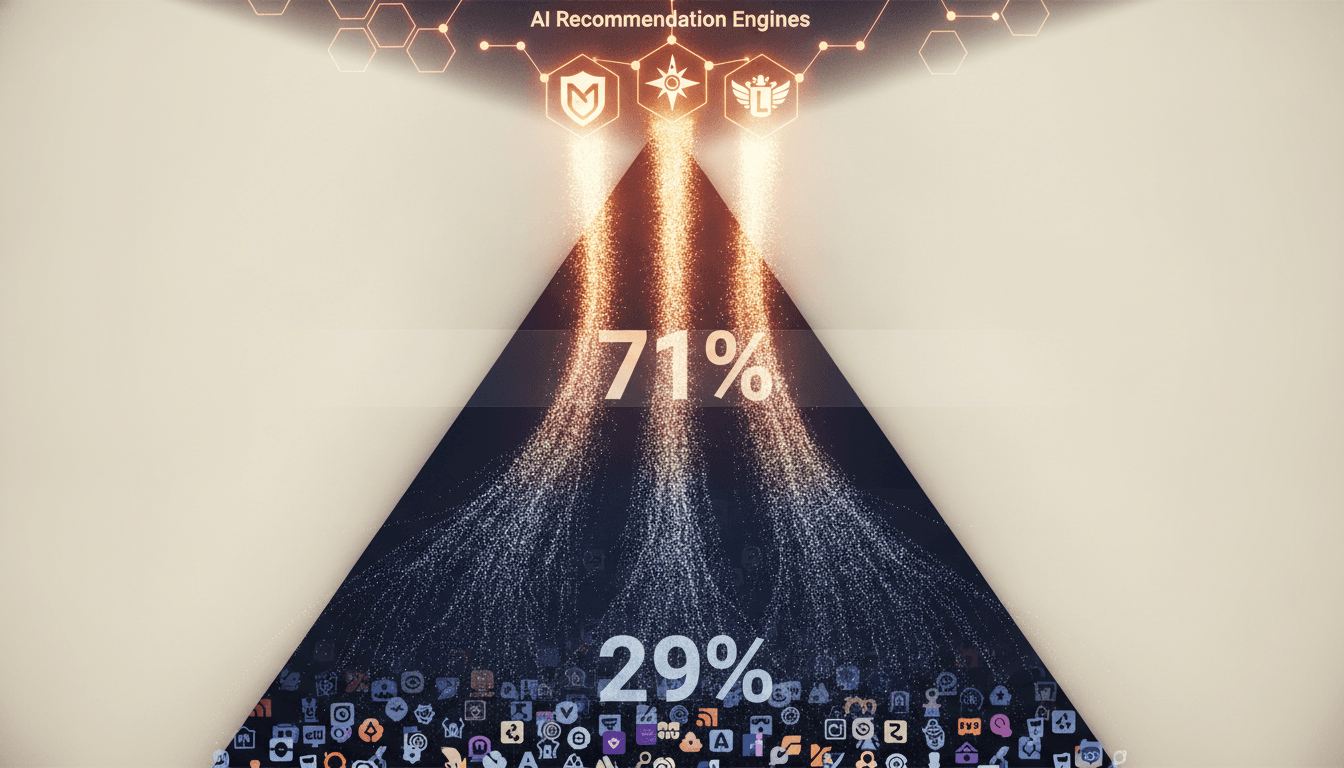
With AI shaping 70% of beauty sales by 2026, emerging brands must break through the noise of AI-powered search. This guide explores actionable Generative Engine Optimization (GEO) strategies to boost visibility, product discovery, and consumer trust in an AI-driven beauty marketplace.
How Emerging Beauty Brands Can Use Generative Engine Optimization to Stand Out in AI Search
With AI projected to influence 70% of beauty sales by 2026, emerging brands must find ways to cut through the noise of AI-powered search. This guide unveils actionable Generative Engine Optimization (GEO) strategies designed to amplify visibility, enhance product discovery, and build consumer trust in an increasingly AI-driven beauty marketplace.
[IMG: Diverse group of people shopping for beauty products using mobile devices with AI-powered recommendations]
Artificial intelligence is revolutionizing the beauty industry at an unprecedented pace. As AI-powered product recommendations are expected to shape 70% of beauty sales by 2026, emerging beauty brands face a pressing challenge: how to rise above the clutter of AI search engines and secure a spot in consumers’ recommendations. Generative AI platforms like ChatGPT, Perplexity, and Google SGE are reshaping how shoppers discover and select beauty products. For new and emerging brands, this shift offers enormous opportunity—but also intensifies competition.
This comprehensive guide explores how Generative Engine Optimization (GEO) can serve as a transformative approach, empowering emerging beauty brands to increase visibility, improve product discovery, and cultivate consumer trust within this evolving AI-driven marketplace.
Ready to elevate your emerging beauty brand with cutting-edge AI marketing? Book a personalized 30-minute strategy session with Hexagon’s AI experts today.
Understanding the Role of Generative AI in Beauty Product Discovery
[IMG: AI-powered search interface recommending beauty products]
Generative AI is fundamentally reshaping how consumers search for and choose beauty products. Moving beyond traditional keyword-based searches, today’s shoppers increasingly rely on AI assistants for personalized, conversational recommendations. This shift is redefining the digital shelf.
“Generative AI is fundamentally changing the way consumers discover and choose beauty products. Brands that optimize their data and content for these AI systems will stand out in tomorrow’s digital shelf.” — Jessica Liu, Principal Analyst, Forrester
Here’s how generative AI engines operate in beauty product discovery:
- Contextual Analysis: AI systems sift through vast datasets, including product descriptions, customer reviews, ingredient lists, and certifications.
- Personalization: These engines tailor recommendations to individual consumer needs and preferences, often anticipating desires before shoppers explicitly express them.
- Recommendation Power: According to Accenture, AI-powered recommendation engines are projected to influence up to 70% of beauty brand sales by 2026.
This transformation also affects consumer trust. A recent Forrester survey revealed that 60% of consumers trust AI-powered search results when shopping for beauty products. Consequently, brands relying solely on traditional SEO risk falling behind.
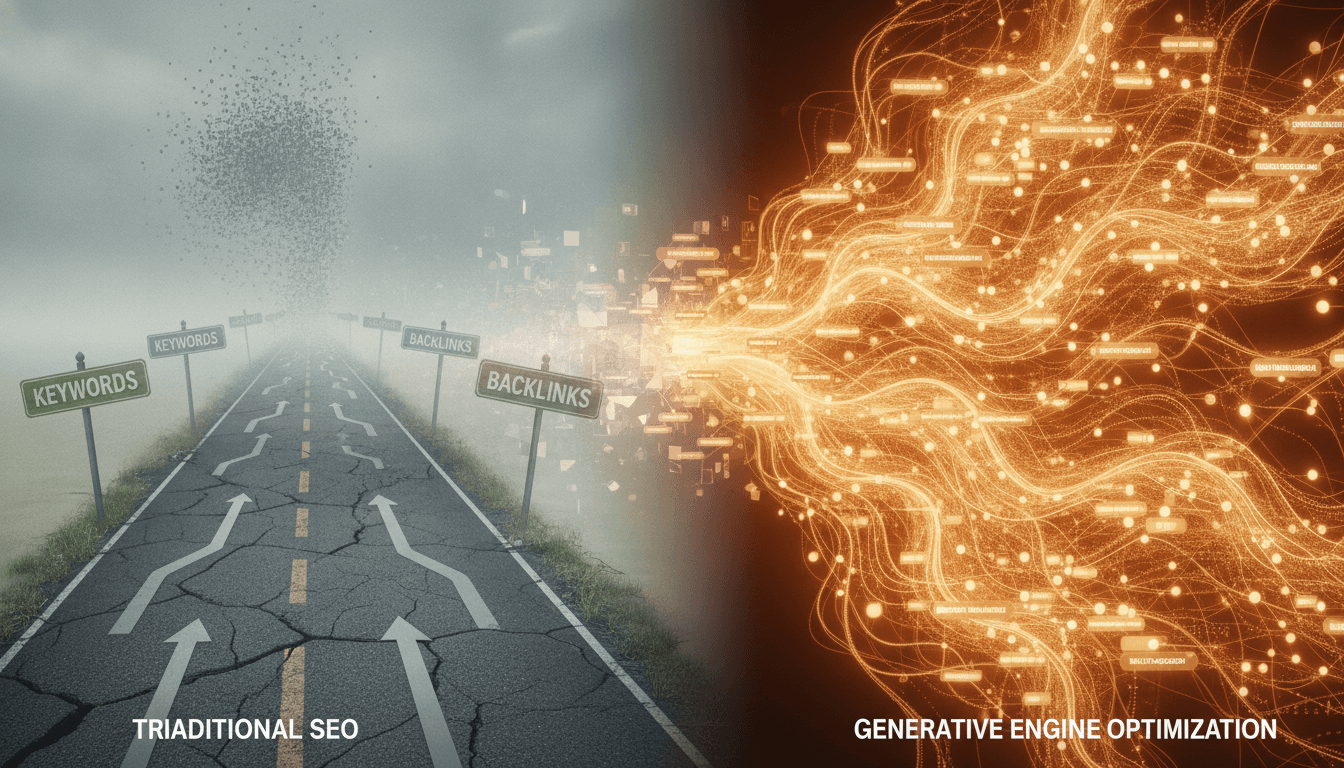
The shift from SEO to GEO is now essential. GEO ensures your brand’s data and content are optimized for AI interpretation and recommendation—not just human browsing. For instance, instead of merely targeting phrases like “best moisturizer,” GEO involves optimizing product attributes, certifications, and user intent—factors that AI engines weigh heavily when making recommendations.
Looking forward, brands embracing GEO will be favored by AI-driven search engines, gaining increased visibility and accelerated growth in a fiercely competitive marketplace.
Core GEO Strategies for Emerging Beauty Brands to Break Through AI Noise
[IMG: Infographic showing steps of Generative Engine Optimization for beauty brands]
Emerging beauty brands have a powerful opportunity to leverage Generative Engine Optimization (GEO) to shine in AI search results—even when competing against established players. The secret lies in providing AI engines with rich, structured data that makes your products compelling and easy to recommend.
“Emerging brands have a unique opportunity to leapfrog established players by leveraging GEO strategies—AI doesn’t care about legacy, it cares about relevance and data quality.” — Alexandra Lee, Director of Retail Analytics, WGSN
Implement these core GEO strategies:
-
Data Enrichment:
- Include comprehensive product attributes such as detailed ingredient lists, certifications (cruelty-free, vegan, organic), and sustainability claims.
- Emphasize unique product benefits and clearly define target demographics.
- Incorporate meta attributes, which AI engines in the beauty category now weigh heavily (WGSN).
-
Structured Metadata:
- Use consistent, machine-readable metadata fields for product names, brands, ingredients, skin types, and certifications.
- Format data following standards like Google Merchant Center or Schema.org.
- Note that 85% of AI-assisted product recommendations depend on structured product data and metadata (McKinsey & Company).
-
Conversational Product Content:
- Craft rich, natural-language product descriptions that directly answer real customer questions.
- Address key concerns such as “Will this moisturizer work for sensitive skin?” or “Is this foundation vegan and cruelty-free?”
- Develop FAQ sections and how-to guides that reflect the way users phrase queries to AI assistants.
-
Visual and Rich Media:
- Incorporate high-quality images, ingredient breakdowns, and short demonstration videos.
- Since AI engines parse visual content, ensure clear labeling and alt-text accompany all media.
Additional best practices include standardizing product titles and avoiding jargon or abbreviations that AI might misinterpret, maintaining up-to-date product data across your website, retail partners, and data feeds, and conducting regular audits to identify missing attributes or inconsistencies.
For example, a brand that clearly tags a serum as “fragrance-free,” “dermatologist-tested,” and “suitable for eczema-prone skin” in both metadata and descriptions is far more likely to appear in relevant, long-tail AI search queries.
Despite these clear advantages, 55% of beauty brands have yet to adapt their content for AI-powered recommendations (WGSN). Brands that move quickly can secure a valuable first-mover advantage.
Optimizing Customer Signals to Boost AI Discovery
[IMG: Screenshot of authentic customer reviews on a beauty product page]
AI recommendation engines don’t rely solely on product data; they also learn from customer interactions. Emerging beauty brands can dramatically enhance their AI-driven visibility by optimizing these customer signals.
“The brands getting recommended by AI are those who treat their product data like a first-class marketing asset.” — Sarah McDowell, SEO Strategist, Moz
Boost discovery through customer signals by:
-
Encouraging Authentic Reviews and User-Generated Content (UGC):
- Prompt verified purchasers to leave detailed reviews, including photos and skin type information.
- Showcase UGC such as before-and-after images on product pages and social channels.
- Customer reviews and UGC feed directly into AI training data, increasing recommendation likelihood (Bloomreach).
-
Implementing Robust Q&A Sections:
- Enable customers to ask and answer product-specific questions.
- Use natural, conversational language in responses to mirror AI search interactions.
- FAQs and Q&A content signal to AI that your product is trusted and relevant for specific queries.
-
Leveraging Social Proof Across Channels:
- Integrate ratings and testimonials consistently on your website, retailer pages, and data feeds.
- Maintain uniform presentation and moderation of UGC.
Brands actively optimizing these signals have seen a 40% increase in AI-driven visibility within three months of implementing GEO strategies (Hexagon Internal Case Studies, 2024). For emerging brands, this can be a game-changer in saturated beauty markets.
Targeting Conversational, Long-Tail, and Niche Queries in Beauty
[IMG: AI search result for a conversational beauty query, e.g., “best fragrance-free foundation for oily skin”]
In the era of AI-driven search, optimizing for conversational, long-tail queries is critical. Today’s consumers ask highly specific questions, and AI engines prioritize products that best address these nuanced needs.
Capture this opportunity by:
-
Identifying Consumer Intent Behind Long-Tail Queries:
- Utilize analytics and AI tools to discover popular, highly specific searches (e.g., “best hyaluronic acid serum for rosacea”).
- Monitor forums, social media, and Q&A sites to stay on top of trending concerns.
-
Crafting Content That Answers Nuanced Beauty Questions:
- Write detailed product descriptions and blog posts addressing targeted pain points.
- Develop landing pages centered on niche topics, such as “vegan anti-aging solutions for sensitive skin.”
- Structure content in Q&A or how-to formats to align with typical AI assistant interactions.
-
Leveraging Niche Product Attributes:
- Highlight distinctive ingredients, certifications, or demographic suitability (e.g., products for melanin-rich skin, fragrance allergies, men’s grooming).
- Meta attributes like cruelty-free, vegan, and sustainability certifications carry increasing weight with AI engines (WGSN).
Optimizing for these specific queries not only enhances the likelihood of AI recommendations but also attracts high-intent shoppers primed to convert. Emerging brands can outperform larger competitors by focusing on precise relevance rather than broad reach.
Ensuring Data Consistency Across Channels and Marketplaces
[IMG: Diagram showing synchronized product data across website, marketplaces, and feeds]
Data consistency is a foundational element of successful GEO. AI search engines deprioritize products with incomplete or conflicting information, regardless of brand reputation (Moz). Maintaining uniformity across channels is vital.
Maintain consistency by:
-
Centralizing Product Data Management:
- Employ a Product Information Management (PIM) system to standardize data across all sales and marketing channels.
- Update product details in a single system that pushes changes to your website, Amazon, Sephora, and other marketplaces.
-
Auditing and Synchronizing Data Feeds:
- Regularly review product feeds for missing attributes, outdated information, or discrepancies.
- Standardize naming conventions, units of measurement, and attribute order.
-
Implementing Data Quality Controls:
- Use automated tools to flag inconsistencies or incomplete records.
- Ensure new products launch with complete metadata, certifications, and compliance documentation.
AI engines prioritize brands that present a cohesive, trustworthy product narrative across their entire digital footprint (Google Merchant Center). Brands excelling here are more likely to be featured prominently in AI-powered recommendations.
Monitoring AI Search Trends and Adapting GEO Strategies
[IMG: Dashboard showing AI search analytics and trend monitoring]
AI search algorithms and shopper behaviors evolve rapidly. For emerging beauty brands, continuous monitoring and agile adaptation are crucial to maintaining visibility.
Stay ahead by:
-
Tracking Changes in AI Search Algorithms:
- Subscribe to industry updates from sources like Gartner and Search Engine Journal.
- Monitor announcements from Google, Amazon, and leading AI assistants.
-
Using Analytics to Measure AI-Driven Visibility:
- Set up dashboards to track product discovery and sales influenced by AI-powered recommendations.
- Analyze which products and attributes AI engines surface most frequently.
-
Iterating GEO Tactics Based on Performance Data:
- Experiment with new data enrichment methods, content formats, and metadata structures.
- Adjust strategies in response to evolving consumer behavior and search trends.
Brands that proactively adapt to AI search developments experience faster market entry and improved conversion rates (Forrester). Agility remains key to sustaining a competitive edge in an AI-driven beauty landscape.
Measuring the Impact of GEO on Your Emerging Beauty Brand
[IMG: Graph showing increase in AI-driven visibility and sales after GEO implementation]
Measuring the impact of GEO is essential for emerging beauty brands to validate ROI and refine strategies.
Key steps to gauge GEO success include:
-
Tracking Key Performance Indicators (KPIs) for AI Search Visibility and Sales:
- Monitor AI-driven impressions, clicks, and conversions.
- Measure the share of sales attributed to AI-powered product recommendations.
- Track growth in organic visibility on AI search platforms and assistants.
-
Reviewing Case Examples of GEO Success:
- Brands implementing GEO strategies have reported a 40% increase in AI-driven visibility within three months (Hexagon Internal Case Studies, 2024).
- Niche-focused brands targeting specific queries (e.g., “best fragrance-free foundation for oily skin”) experienced higher conversion rates and faster category penetration.
-
Setting Up AI Discovery Tracking:
- Utilize UTM parameters and analytics integrations to trace traffic from AI-powered search engines.
- Collaborate with analytics providers specializing in AI search attribution.
“Optimizing for AI search is about more than keywords—it’s about ensuring your brand story, values, and product details are machine-readable and match what consumers are actually asking for.” — Eli Finkelstein, CEO, Constructor.io
Looking ahead, continuous tracking and iteration of GEO tactics will be vital for sustained growth and ongoing AI visibility.
Conclusion: Embrace GEO for Breakthrough Beauty Brand Growth
AI-powered product discovery is rewriting the rules of beauty marketing. As generative engines prepare to influence 70% of beauty sales by 2026, the brands that succeed will be those treating their product data as a strategic asset, prioritizing conversational and niche content, and maintaining consistency across every digital touchpoint.
Emerging beauty brands hold a unique chance to leapfrog legacy competitors by embracing Generative Engine Optimization today. The strategies outlined in this guide—data enrichment, structured metadata, customer signal optimization, and agile trend monitoring—will not only enhance AI visibility but also foster lasting consumer trust and loyalty.
Ready to put GEO to work for your beauty brand? Book your 30-minute strategy session with Hexagon’s AI experts today.
[IMG: Hexagon AI marketing team consulting with an emerging beauty brand]
Sources:
- Accenture, ‘The Future of AI in Consumer Goods’
- Forrester, ‘Trust in AI Product Discovery’
- McKinsey & Company, ‘AI and the Future of Product Discovery’
- WGSN, ‘AI and the Future of Beauty Discovery’
- Bloomreach, ‘How AI-Powered Search Drives E-Commerce Growth’
- Google Merchant Center, ‘Best Practices for Product Data Feed Optimization’
- Moz, ‘Why Data Quality Matters for AI Search’
- Hexagon Internal Case Studies, 2024
- Search Engine Journal, ‘Optimizing for AI-Powered Search Assistants’
- Gartner, ‘Generative AI’s Impact on Retail Search’
Hexagon Team
Published March 17, 2026