How AI Search Engines Evaluate Brand Reputation and Trust Signals: A How-To Guide
As AI search engines become the primary gateway for consumer discovery, building a credible, trustworthy brand presence is essential for visibility. Learn exactly how AI algorithms assess your reputation and trust signals—and discover actionable strategies to optimize your brand for AI-driven recommendations, especially in e-commerce and local markets.

How AI Search Engines Evaluate Brand Reputation and Trust Signals: A How-To Guide
As AI search engines become the dominant gateway for consumer discovery, establishing a credible and trustworthy brand presence is no longer optional—it’s essential for visibility. Discover exactly how AI algorithms evaluate your reputation and trust signals, and uncover actionable strategies to optimize your brand for AI-driven recommendations, especially within e-commerce and local markets.
With AI-powered search engines increasingly shaping how consumers find and trust brands, understanding the mechanisms these systems use to assess your brand’s reputation has never been more crucial. Whether you operate an e-commerce business or a local brand, AI algorithms rely on a sophisticated array of signals—from verified reviews to GEO-specific citations—to recommend products and services. In this comprehensive guide, we’ll explore precisely how AI search engines evaluate brand reputation and trust signals, then reveal practical steps to optimize your digital presence for AI-driven success.
[IMG: AI search engine interface evaluating multiple e-commerce brands]
Understanding How AI Search Engines Assess Brand Reputation
AI search engines are transforming the brand discovery landscape at a rapid pace. As Dr. Elena Marquez, Director of AI Ethics at Stanford University, explains, “AI search engines are redefining how trust in brands is measured, relying on a blend of verified reviews, third-party mentions, and content quality to make recommendations that consumers increasingly depend on.”
Here’s a breakdown of how these systems evaluate your brand’s reputation:
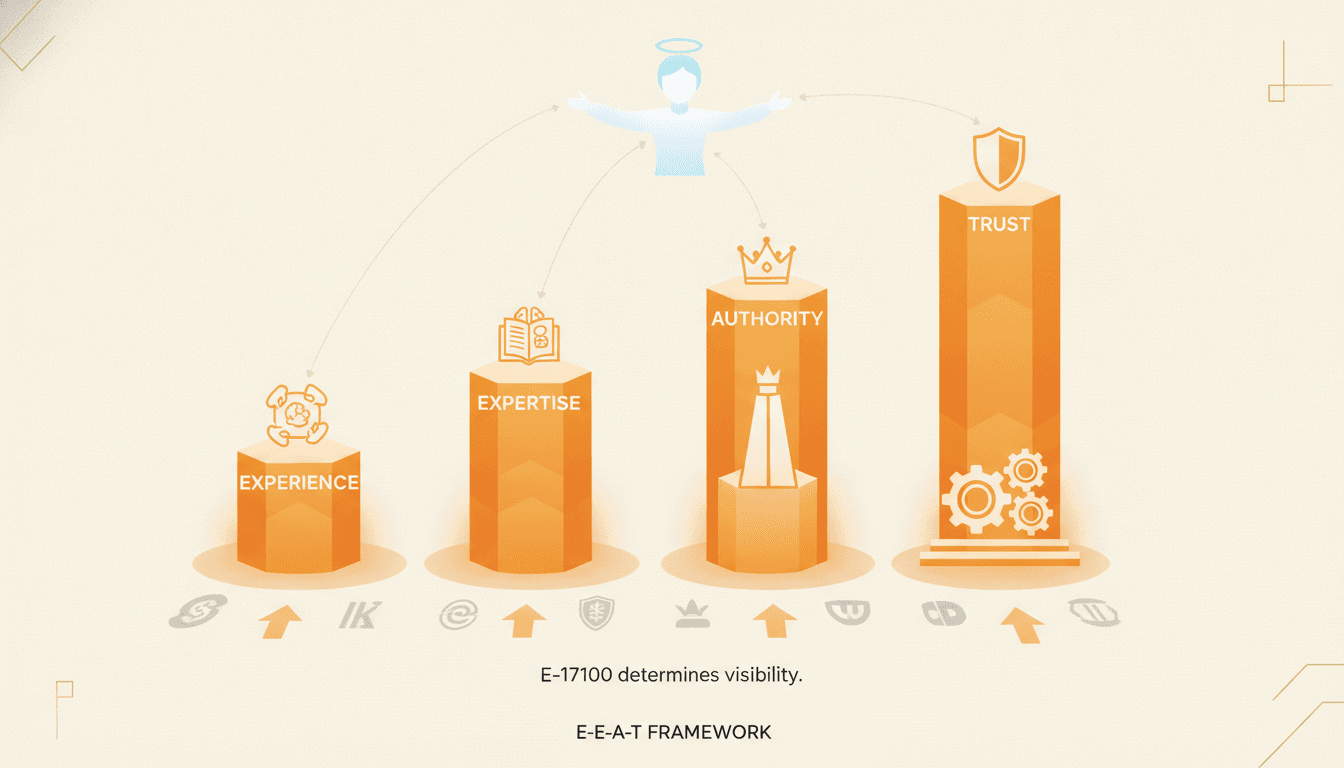
- Verified Customer Reviews: AI models treat verified customer reviews as a foundational trust indicator (AI Trust Index 2024). Brands boasting verified reviews are 60% more likely to be recommended by AI search engines.
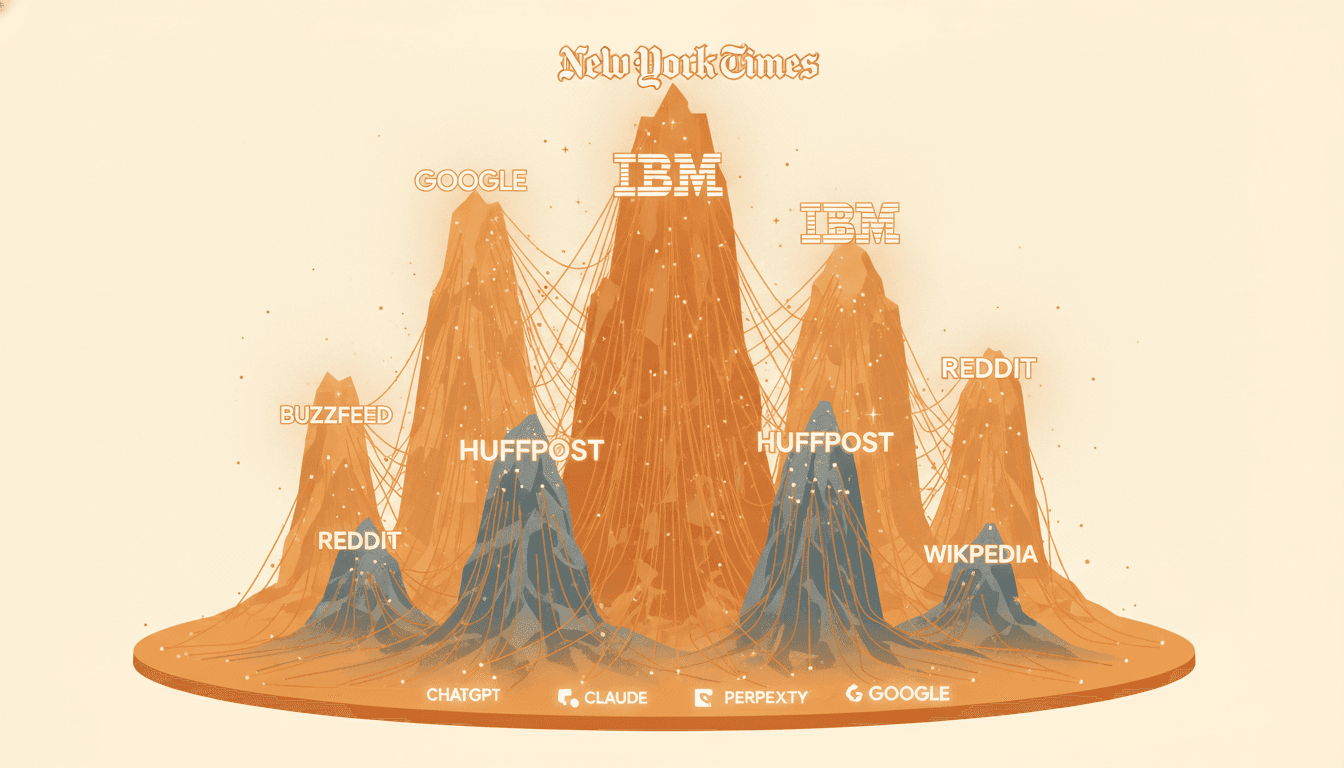
- Third-Party Citations and Mentions: Reputable third-party citations are heavily weighted, influencing 78% of e-commerce brand recommendations (Hexagon market research).
- Content Quality and Authority: The factual accuracy and authoritativeness of your digital content directly impact AI recommendations (Google Search Quality Evaluator Guidelines).
- Consistency Across Platforms: Consistent and authoritative brand information across multiple platforms elevates your AI trust score. Conversely, inconsistent data can harm your ranking (Moz Local Search Ranking Factors).
- Sentiment and Authenticity Detection: Advanced natural language processing enables AI to detect sentiment and authenticity in user-generated reviews (OpenAI Research Blog).
- Negative Trust Factors: High product return rates or unresolved complaints are flagged as negative signals that diminish trust (Forrester Wave: Digital Experience Platforms, Q1 2024).
- Misinformation and Regulatory Violations: Brands with histories of misinformation or legal infractions face algorithmic deprioritization (Stanford Internet Observatory).
Consider, for example, a brand with consistent NAP (Name, Address, Phone) information, abundant verified positive reviews, and multiple reputable third-party citations. Such a brand naturally rises in AI-driven search results. In contrast, brands plagued by inconsistent listings or unresolved complaints often find themselves buried in recommendations.
The data speaks volumes: brands with verified reviews are 60% more likely to be favored by AI search engines, and 78% of AI e-commerce recommendations hinge heavily on third-party citations. The takeaway is clear—maintain strong, authentic trust signals across every digital touchpoint to maximize AI-driven visibility.
[IMG: Visual diagram showing verified reviews, third-party mentions, and content quality as trust signal pillars]
Key Trust Factors That Influence AI Product Recommendations
AI search engines don’t simply seek out positive sentiment; they demand a multidimensional trust profile before endorsing a brand. Let’s examine the critical factors that shape these recommendations:
- Third-Party Validation: Media mentions, industry citations, and reviews from reputable sources play a pivotal role. Hexagon market research confirms that 78% of AI-powered search engines prioritize these third-party signals as key trust metrics.
- Content Quality and Transparency: Brands producing high-quality, authoritative, and transparent information are 2.2 times more likely to appear in AI-generated product recommendations (Content Marketing Institute Industry Report).
- GEO-Specific Data: AI engines incorporate local citations, regional ratings, and neighborhood-specific reviews to tailor recommendations for users in particular areas. According to the Local Search Association 2024 Report, 68% of AI-powered search engines factor in GEO-specific trust signals for local brand suggestions.
- Review Authenticity and Transparency: A striking 91% of consumers say they trust brands recommended by AI assistants only if those brands have a strong presence of positive reviews and transparent information (BrightLocal Local Consumer Review Survey 2024).
- Active Customer Engagement: Brands demonstrating transparent customer service and actively responding to reviews gain favor in AI trust assessments.
For instance, a retailer featured in reputable industry publications, highlighted by regional media, and maintaining consistent five-star reviews across platforms will enjoy a significant advantage in AI search visibility.
Here are the trust factors that truly move the needle:
- Consistently positive, verified reviews
- Authoritative media mentions and citations
- Factual, transparent, and regularly updated product and brand content
- GEO-specific ratings and local business citations
- Proactive responses to both positive and negative feedback
Looking ahead, the seamless integration of these factors will distinguish leading brands in AI-powered search ecosystems. As Nikhil Jain, Senior Researcher at OpenAI, observes, “The future of brand discovery will be shaped by how well companies align their digital touchpoints with the trust metrics that AI search engines value most.”
[IMG: Infographic illustrating trust signal flow from reviews, citations, and content to AI recommendation]
How Brands Can Improve Their Trust Signals for AI Search Engines
The road to AI visibility is paved with authentic, verifiable trust signals. Here’s how brands can take concrete steps to strengthen their reputation for AI-driven search:
- Encourage and Verify Genuine Customer Reviews:
- Proactively request reviews from verified purchasers and automate follow-up reminders.
- Utilize review platforms that authenticate customer identities to minimize fake or manipulated feedback.
- Showcase verified reviews prominently on your website and product pages.
- Respond Transparently to Customer Feedback:
- Publicly address all feedback, expressing gratitude for positive reviews and resolving negative experiences with openness.
- Implement a clear escalation process for complaints to demonstrate accountability.
- Brands investing in transparent customer service and proactive negative feedback management earn higher trust scores and greater visibility from AI systems (Laura Evans, CEO, ReviewTrackers).
- Maintain Consistent and Authoritative Brand Information:
- Conduct regular audits of all digital listings, including your website, social profiles, Google Business Profile, and local directories.
- Ensure NAP (Name, Address, Phone) details are uniform across every platform.
- Consistency directly influences AI trust evaluations (Moz Local Search Ranking Factors).
- Implement a Comprehensive Digital Reputation Strategy:
- Move beyond traditional SEO by weaving trust signals into every digital channel, from e-commerce platforms to local listings.
- Invest in high-quality, factually accurate content that showcases your domain expertise.
- For e-commerce brands, managing digital reputation extends beyond SEO—it’s about ensuring the signals AI engines rely on to measure trust are robust, authentic, and consistent across the web (Ben Smith, VP of Product, Hexagon).
- Monitor and Manage Trust Signals Regularly:
- Employ reputation management tools to track review sentiment, citation frequency, and complaint rates across channels.
- Set up alerts for negative trends such as increasing return rates or adverse press.
- Brands with a strong, positive review presence are 60% more trusted in AI recommendations (AI Trust Index 2024).
- Vigilant monitoring of trust signals is vital for e-commerce brands aiming for AI visibility.
Here’s a quick checklist to get started:
- Claim and optimize your Google Business Profile and local listings
- Regularly solicit and verify customer reviews
- Monitor and respond promptly to online feedback
- Audit your digital footprint for consistent information
- Cultivate third-party media mentions and citations
Ready to elevate your brand’s reputation and trust signals for AI-powered search? Book a free 30-minute strategy session with Hexagon’s AI marketing experts today to start optimizing your digital presence: https://calendly.com/ramon-joinhexagon/30min
[IMG: Brand manager analyzing dashboard of trust signals and AI visibility metrics]
Leveraging GEO Brand Trust to Boost Local AI Recommendations
For brands with a local or regional footprint, GEO-specific trust signals are crucial to thriving in AI-driven search. The Local Search Association reports that 68% of AI search engines factor GEO-specific trust signals into their local brand recommendations.
Here’s how brands can amplify their local AI visibility:
- Optimize Local Listings and Regional Profiles:
- Claim, verify, and fully optimize your Google Business Profile along with other local directories.
- Ensure all local information—address, phone number, business hours—is accurate and current.
- Encourage Regional Customer Reviews:
- Incentivize customers within specific geographic areas to leave reviews on local platforms.
- Feature location-specific testimonials prominently on your website and social media channels.
- Build Local Third-Party Validation:
- Pursue features in local news outlets, establish partnerships with regional organizations, and secure citations in community directories.
- Leverage local business awards and endorsements to bolster authority.
- Track and Respond to GEO-Specific Ratings:
- Monitor local review platforms for feedback trends across different regions.
- Address region-specific complaints or praise to demonstrate your commitment to local customers.
For example, a restaurant with glowing Yelp reviews, consistent Google Business listings, and mentions in the local press will consistently outperform competitors in AI-driven local search recommendations. Brands that master GEO brand trust can dominate their neighborhood markets.
Looking forward, AI engines will intensify their focus on regional ratings and locality-based citations. By investing in local trust signals today, brands can secure enduring visibility as local AI search continues to evolve.
[IMG: Map graphic highlighting local businesses with high trust signals in AI search results]
Common Pitfalls That Damage AI Brand Reputation and How to Avoid Them
Even well-established brands can falter when managing their AI trust signals. Avoid these common pitfalls to safeguard your visibility:
- High Product Return Rates and Unresolved Complaints:
- Frequent returns point to product or service issues and are flagged as negative trust signals by AI.
- Unresolved public complaints lower your trust score and diminish your ranking.
- Misinformation or Inconsistent Brand Data:
- Outdated or conflicting information confuses AI algorithms, resulting in decreased visibility.
- Neglecting to update NAP details across platforms harms your AI trust score.
- Ignoring Negative Feedback or Reviews:
- Failing to respond to negative reviews signals neglect and negatively impacts AI trust assessments.
- Brands that don’t actively manage their digital reputation risk losing AI-driven recommendation opportunities.
Here’s how to steer clear of these traps:
- Regularly audit product quality and customer service processes to reduce returns and complaints.
- Frequently update all listings and brand information to maintain consistency.
- Treat every piece of feedback as an opportunity to showcase accountability and care.
[IMG: Illustration of warning signs—high return rates, negative reviews, inconsistent info—affecting AI trust score]
Summary and Next Steps to Optimize Your Brand’s Trust Signals for AI Search
To maximize your brand’s visibility in AI-powered search, focus on these three pillars:
- Verified customer reviews
- Authoritative, high-quality content
- Strong GEO-specific signals
Adopt a proactive and transparent approach across every customer interaction and digital touchpoint. Continuously monitor your AI trust metrics and refine your reputation management strategy to stay ahead of algorithmic changes.
Ready to future-proof your brand’s reputation and trust signals for AI-driven discovery? Book your free 30-minute strategy session with Hexagon’s AI marketing experts now: https://calendly.com/ramon-joinhexagon/30min
[IMG: Confident brand leader shaking hands with AI assistant, symbolizing trust and partnership]
Hexagon helps ambitious brands build trust, credibility, and AI-driven visibility. Reach out today and turn your trust signals into your greatest digital asset.
Hexagon Team
Published March 10, 2026