citationbrandsbeauty
How AI Citation Works and Why It Matters for Beauty E-commerce Brands
AI is reshaping how consumers discover beauty products—and most brands are invisible to it. Here's what AI citation is, why it drives 45% higher conversion rates, and exactly how to secure it before the competitive window closes.
14 min read
---


# How AI Citation Works and Why It Matters for Beauty E-commerce Brands

*AI is reshaping how consumers discover beauty products—and most brands are invisible to it. Here's what AI citation is, why it drives 45% higher conversion rates, and exactly how to secure it before the competitive window closes.*

[IMG: Split-screen visual showing a consumer using ChatGPT on a smartphone alongside a beauty product flatlay—skincare serums, moisturizers, and cosmetics arranged on a clean white surface]

## The Shift Is Already Happening

In just two years, AI has become the fastest-growing discovery channel for beauty products. [58% of beauty consumers aged 18–34](https://www.mintel.com) now use ChatGPT, Perplexity, or Claude before making a skincare or cosmetics purchase—up from just 31% in 2023.

Yet most beauty brands remain completely invisible to these AI models. The reason isn't complicated: they don't understand AI citation.

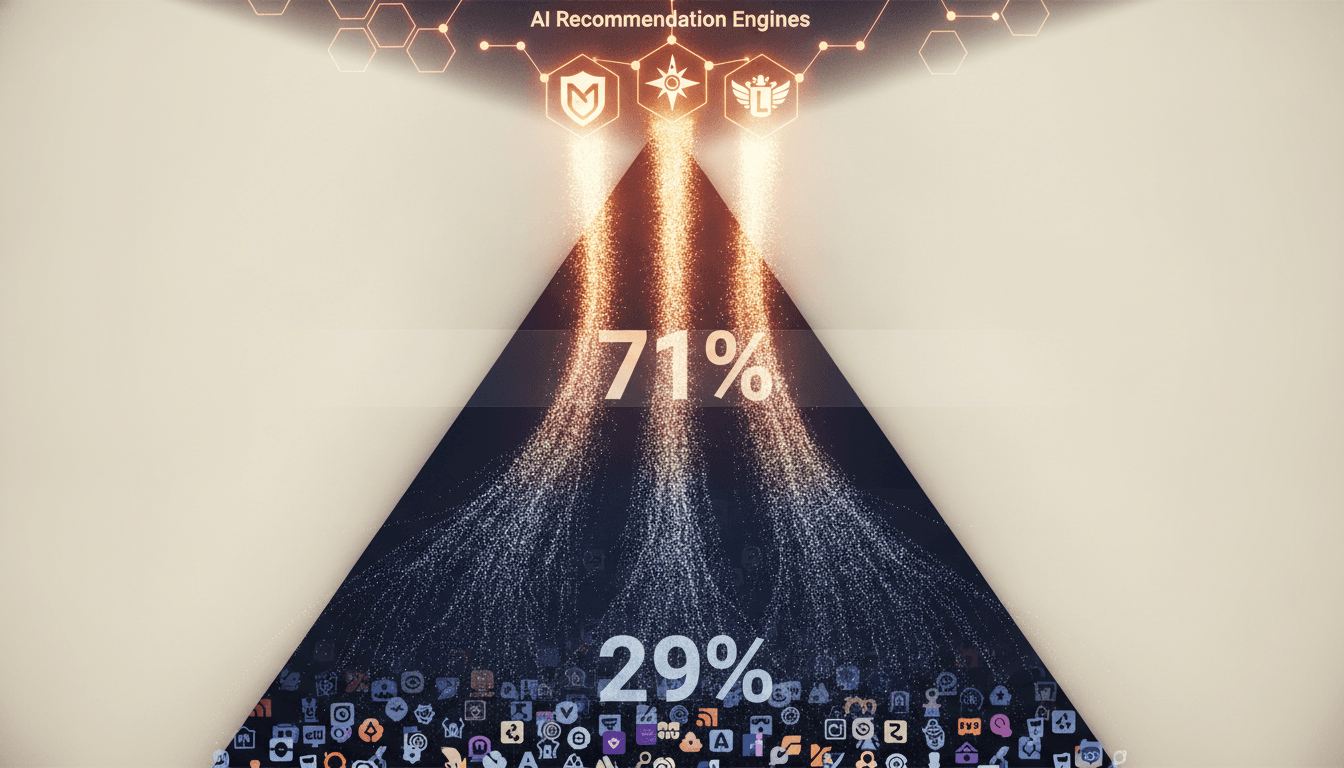
Unlike traditional SEO, where thousands of brands can rank on page one, AI responses cite fewer than 10 brands per query. That narrow window means early movers in AI citation strategy will establish durable competitive advantages that compound over time. Here's how to get a beauty brand cited and why it matters.


---


## What Is AI Citation and How Does It Differ From Traditional SEO?

AI citation is the process by which large language models (LLMs) like ChatGPT, Perplexity, and Claude select, reference, and recommend specific brands in response to consumer queries. When a shopper asks "What's the best retinol serum for beginners?" and an AI names three brands, those brands have been cited. That citation functions as a trust signal—indicating to the consumer that a brand is credible, expert-validated, and worth considering.

The distinction from traditional SEO is fundamental. A brand can rank #1 on Google for "best moisturizer" and never appear in ChatGPT's response to the same query. These are separate discovery channels driven by entirely different data sources, weighting algorithms, and citation mechanisms.

The scarcity factor makes this especially consequential:

- [72% of AI-generated beauty recommendations](https://www.brightedge.com) cite fewer than 10 brands per query response
- AI citations are perceived as unbiased recommendations—not paid placements—making them **30% more trustworthy** to consumers than brands discovered through paid advertising
- LLMs use training data, structured content signals, and authority hierarchies that have no direct equivalent in Google's ranking algorithm
- Beauty ranks among the [top three product categories searched via AI assistants](https://www.nielseniq.com), alongside consumer electronics and home goods

According to Amanda Cosco, Founder of Electric Runway and AI Beauty Strategist: "Citation in AI search is not just an SEO tactic—it's a brand trust signal. When a consumer asks ChatGPT for the best retinol serum and a brand appears, that's an implicit endorsement from one of the most trusted information systems in the world."


---


## The Trust Imperative: Why AI Citations Drive Conversion

Consumers perceive AI recommendations as expert validation, not marketing. That perception gap is the core reason AI-cited brands receive a measurable trust premium—and why it translates directly to revenue.

Beauty shoppers who arrive at a brand's product page via an AI citation convert at **45% higher rates** than those arriving via traditional organic search, according to the [Hexagon E-commerce AI Visibility Report](https://joinhexagon.com). AI citations function as third-party endorsements that carry the authority of the AI model itself, which consumers view as neutral and knowledge-based—closer to a dermatologist's recommendation than a sponsored post.

The [Edelman Trust Barometer Special Report on AI and Consumer Confidence](https://www.edelman.com) confirms that consumer trust in AI-recommended products is highest in beauty and skincare, where shoppers actively seek expert validation before purchasing.

The financial stakes are significant:

- **$4.7 billion** in projected AI-influenced beauty e-commerce sales in the US by 2026, per [eMarketer's AI Commerce Forecast](https://www.emarketer.com)
- Brands cited consistently across multiple AI platforms build familiarity that reinforces future citations—a compounding flywheel effect
- For beauty specifically, where ingredient safety and efficacy claims are critical trust factors, AI citations serve as credibility anchors that reduce purchase friction

Priya Rao, Executive Editor at Vogue Business, explains: "AI models are essentially doing what a well-informed beauty editor does—synthesizing hundreds of sources to give a confident recommendation. The brands that show up in those recommendations have done the work: clinical data, transparent formulations, third-party validation. That's the new currency of discoverability."


---


## Mapping the AI Citation Ecosystem for Beauty Brands

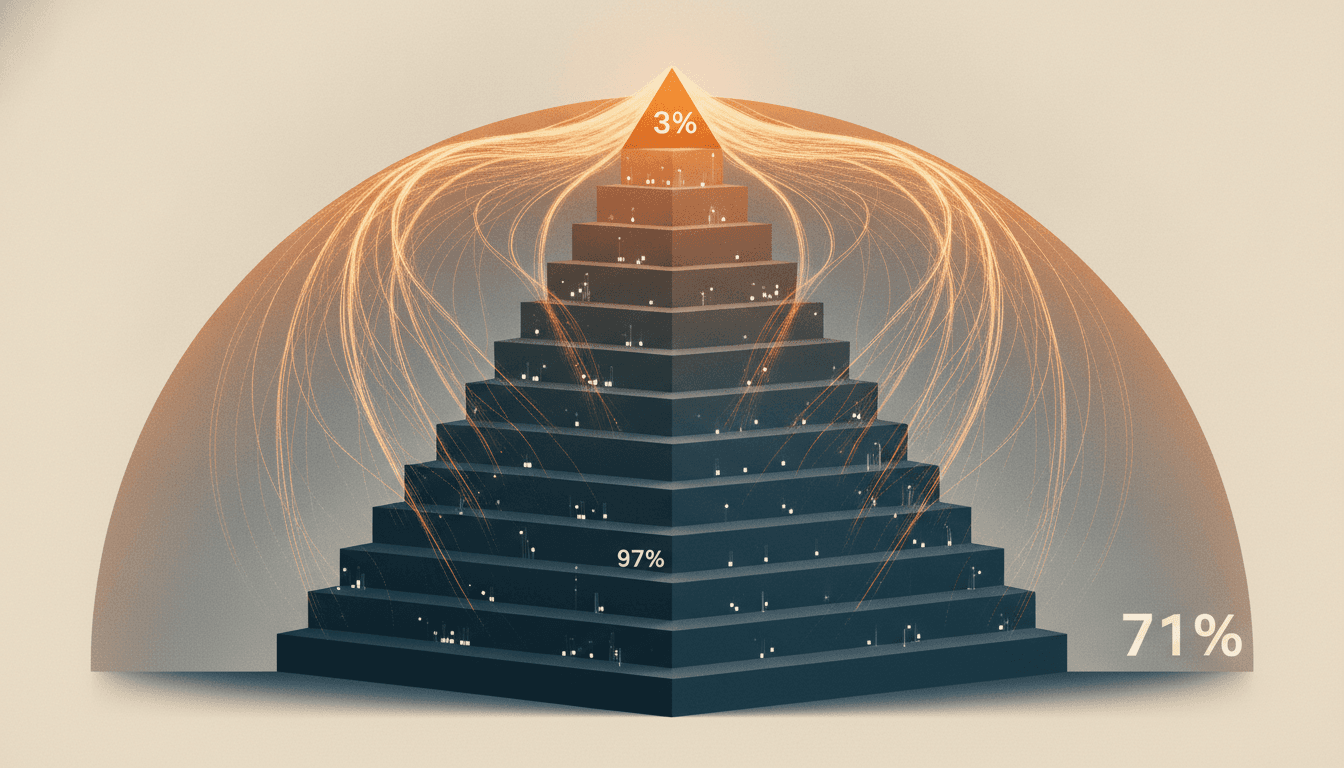
[IMG: Infographic showing the AI citation hierarchy for beauty brands—layered pyramid with structured data at the base, editorial coverage and clinical endorsements in the middle, and AI citation at the apex]

Understanding which source types carry weight with LLMs is foundational to any citation strategy. Not all content signals are equal. Here's how the citation ecosystem is structured for beauty:

**Editorial coverage from authoritative publications** — Allure, Byrdie, Vogue, and Into The Gloss are deeply embedded in LLM training corpora. A feature or product mention in these outlets carries disproportionate citation weight, per the [Ahrefs AI Content Authority Study](https://www.ahrefs.com).

**Dermatologist mentions and clinical endorsements** — AI models weight these heavily because they signal expertise and reduce the liability risk of recommending skincare products without professional backing.

**Ingredient databases and transparency pages** — References to INCIDecoder and similar databases are increasingly important as AI models cross-reference product claims against scientific sources.

**User-generated content from review platforms** — Reddit threads, Sephora reviews, and Ulta ratings represent authentic consumer sentiment at scale. [Perplexity AI, which processes over 100 million queries per month](https://www.perplexity.ai), cites these sources in nearly every shopping-related response.

**Structured product data** — Schema markup (Product schema, Review schema, FAQ schema) helps AI models parse and cite brands accurately. Brands with rich structured data are [3x more likely to be cited](https://www.semrush.com) than those with standard product descriptions.

**Clinical studies and published research** — Published efficacy data is cited when available, especially for skincare brands making active ingredient claims.

Rand Fishkin, Founder & CEO of SparkToro, frames the shift: "The question has moved from 'how do I rank on Google' to 'how does an AI decide to recommend me.' For beauty brands, that's a profound shift. It means a Wikipedia page, an Allure Best of Beauty win, and dermatologist partnerships all feed into whether an AI trusts a brand enough to cite it."


---


## The Citation Frequency–Purchase Intent Correlation: Why Consistency Matters

A single AI citation is valuable. Consistent citations across multiple platforms and query variations are transformative.

Brands cited for related queries—"best retinol serum," "retinol for beginners," and "retinol side effects"—establish broader topical authority than brands appearing in only one context. Frequency creates a halo effect where consumers assume brands cited by multiple AI models are objectively superior, even when citation is driven by data availability rather than product quality alone.

Key dynamics to understand:

- **72% of AI responses cite fewer than 10 brands per query**—scarcity makes each citation slot high-value and worth competing for deliberately
- Brands cited in responses to high-intent queries ("best acne treatment") see higher conversion than brands cited for awareness queries ("what is retinol")
- Consistency across ChatGPT, Perplexity, and Claude amplifies trust signals because consumers encounter the same brand recommendation across multiple touchpoints
- The [SparkToro Zero-Click Search Report](https://sparktoro.com) confirms that being cited by AI is now more valuable than ranking #1 on a traditional SERP, as zero-click AI answers eliminate the need for consumers to visit a website at all

Citation frequency is not accidental—it results from deliberate, multi-channel content and authority-building strategies executed consistently over time.


---


## 5 Actionable Strategies to Secure More AI Citations

[IMG: Clean flat-lay of a beauty brand's product line alongside a laptop displaying a structured product page with schema markup and ingredient transparency content]

Here's how beauty brands move from invisible to consistently cited:

**Strategy 1: Implement Rich Structured Data Markup**

Add Product schema, Review schema, and FAQ schema to all product pages. AI models weight structured data heavily when deciding which brands to cite, and brands with comprehensive markup are 3x more likely to appear in AI-generated recommendations, per [Semrush's AI Search Visibility Playbook](https://www.semrush.com). This is a technical foundation that takes days to implement but pays dividends for months.

**Strategy 2: Build Ingredient Transparency Pages**

Create dedicated pages listing all ingredients, their functions, sourcing, and scientific backing. AI models cross-reference ingredient claims against databases like INCIDecoder and PubChem—transparency builds citation confidence and reduces the risk of being excluded from safety-sensitive queries. This signals authenticity in a category where consumers are increasingly skeptical.

**Strategy 3: Secure Editorial Coverage in AI-Indexed Publications**

Pitch stories to Allure, Byrdie, Vogue, and vertical-specific publications that are heavily weighted in LLM training data. Include clinical data, founder stories, and unique brand positioning to increase the likelihood of being cited in AI responses. For example, one placement in the right publication can drive citations across multiple AI platforms.

**Strategy 4: Generate Clinical Documentation and Third-Party Testing**

Publish or reference clinical studies, dermatologist reviews, and third-party testing results on a brand website. AI models weight clinical evidence heavily when recommending skincare—this is a high-leverage citation signal that most brands have not yet activated. Even small studies carry significant weight with AI systems.

**Strategy 5: Optimize FAQ and Product Description Pages for AI Parsing**

Write FAQs and product descriptions that directly answer the questions AI models receive most often: "Is this suitable for sensitive skin?" "How long until results?" "What does this ingredient do?" Use natural language that matches query patterns, and structure answers with clear claims and supporting evidence. [Search Engine Land's AI Search Ranking Factors Analysis](https://searchengineland.com) confirms that brands with FAQ-rich content are significantly more likely to appear in AI-generated product recommendations.


---


## The Competitive Scarcity Window: Why Early Movers Win

The AI citation landscape is not yet saturated. Most beauty brands have not optimized for AI citation, creating a genuine opportunity window for brands that move now.

With 72% of AI responses citing fewer than 10 brands per query, securing even one consistent citation slot represents a significant competitive position. Early movers benefit from what can be called **citation gravity**—brands cited early and frequently in AI responses become anchored in LLM training data, making future citations more likely as models are updated.

Liz Flora, Editor-in-Chief of Glossy, identifies the mechanism: "The brands that will win in AI search are not necessarily the ones with the biggest ad budgets—they're the ones that have built the deepest web of credible, structured, and consistently cited content. In beauty especially, where trust is everything, being the brand an AI recommends is the new 'best seller' badge."

The window is narrowing. As the [eMarketer AI Commerce Forecast](https://www.emarketer.com) projects $4.7 billion in AI-influenced beauty sales by 2026, competitive pressure for citation slots will intensify. First-mover advantage in AI citation is more durable than traditional SEO because citation patterns become embedded in model training data—overtaking an established citation is harder than earning a new one.


---


## AI Citation Monitoring and Management: Closing the Loop

Most beauty brands lack any process for tracking when and how they are cited by AI models. That gap is itself a competitive opportunity.

Brands that build monitoring practices now will identify citation opportunities—and citation problems—before competitors do. Here's how to build a citation monitoring process:

**Manual monitoring**: Query ChatGPT, Perplexity, and Claude for 20–30 beauty-related keywords relevant to a brand. Document which brands are cited, in what context, and with what frequency. This takes 30 minutes monthly and provides invaluable competitive intelligence.

**Identify citation gaps**: Compare AI citations to a brand's market position. If a brand is not being cited for queries where it should appear, this signals a data visibility problem that requires a content or technical fix.

**Respond to inaccurate citations**: If AI models cite incorrect information about a brand—wrong product claims, discontinued product lines—correct the source data by updating the website, press releases, and retailer listings. Per [Search Engine Journal's Generative AI Search Optimization guide](https://www.searchenginejournal.com), AI citation is not static; models update recommendations as new content is indexed.

**Build a citation feedback loop**: Track which strategies—PR placements, structured data updates, clinical publications—drive new AI citations, and double down on high-impact activities.

Emerging AI citation monitoring platforms, analogous to SEO rank tracking tools, will soon enter the market. Early adoption of these tools will provide a meaningful competitive advantage as the category matures.


---


## Long-Term Authority Building: The AI Citation Flywheel

[IMG: Circular flywheel diagram illustrating the AI citation compounding cycle: structured data → editorial coverage → clinical validation → AI citation → consumer trust → brand authority → more citations]

AI citations compound over time in a way that traditional SEO does not replicate as cleanly. Brands cited consistently across multiple platforms and query variations become a "safe choice" for AI models—increasing citation frequency as authority accumulates.

The network effects are real. Brands cited by authoritative sources like Allure gain credibility that extends to other citation opportunities—AI models are more likely to cite brands already cited by trusted publications, per the [Ahrefs AI Content Authority Study](https://www.ahrefs.com). As Google AI Overviews, emerging retail AI tools, and next-generation LLMs expand AI's role in beauty discovery, brands with established citation authority will benefit from that network expansion without proportional additional investment.

The long-term picture is clear:

- Consistent AI citation builds an authority flywheel that accelerates over time
- Early citation authority creates a defensible position—overtaking an established citation requires competitors to match citation frequency across multiple platforms simultaneously
- With $4.7 billion in projected AI-influenced beauty sales by 2026, the brands building citation authority today are positioning for outsized returns in a rapidly growing channel


---


## Getting Started: Your AI Citation Roadmap

Building AI citation authority is a phased process. Here's a practical roadmap for beauty brand managers ready to move from invisible to consistently cited:

**Phase 1 (Weeks 1–4): Audit Current AI Visibility**

Query ChatGPT, Perplexity, and Claude for 20–30 beauty-related keywords relevant to a brand. Document citation gaps—where competitors appear and the brand does not. This audit establishes a baseline and prioritizes the highest-impact opportunities.

**Phase 2 (Weeks 5–12): Implement Structured Data and Optimize Product Pages**

Add Product schema, Review schema, and FAQ schema across a product catalog. Build ingredient transparency pages and optimize FAQ content to answer the specific questions AI models receive. Update Sephora and Ulta product listings with rich descriptions and complete ingredient lists—these are indexed by AI models and represent a quick win for citation likelihood.

**Phase 3 (Weeks 13–16): Launch Editorial Outreach**

Pitch stories to Allure, Byrdie, Vogue, and vertical-specific publications. Lead with clinical data, unique formulation stories, and founder positioning to increase likelihood of being cited in AI responses. Encourage customer reviews on high-visibility platforms—authentic consumer sentiment at scale is a weighted citation signal.

**Phase 4 (Weeks 17–24): Generate Clinical Documentation**

Publish or reference third-party testing results, dermatologist reviews, and clinical studies that support product claims. This is a longer-term investment with high ROI—clinical documentation is among the most heavily weighted citation signals for skincare brands.

**Phase 5 (Ongoing): Monitor and Iterate**

Track AI citations monthly and identify new citation opportunities as query patterns evolve. Refine strategy based on which activities are driving new citations, and maintain a continuous content and PR cadence—AI citation is not a one-time placement but an ongoing authority-building practice.


---


## Ready to Build an AI Citation Strategy?

The competitive window is narrow—brands that move now will establish durable authority as AI becomes the primary discovery channel for beauty products. Looking ahead, the brands that understand AI citation mechanics will capture disproportionate value. **Schedule a 30-minute strategy session** to audit current AI visibility, identify citation opportunities, and build a roadmap to secure high-value AI citations. [Book a strategy session →](https://calendly.com/ramon-joinhexagon/30min)


---


## Conclusion

AI citation is not a future consideration for beauty brands—it is an active competitive battleground. With 58% of younger beauty consumers using AI assistants for product research, 72% of AI responses citing fewer than 10 brands, and $4.7 billion in AI-influenced beauty sales projected by 2026, the stakes are clear.

The brands that understand how AI citation works, build the structured content and editorial authority to earn it, and monitor citation performance consistently will establish durable advantages that compound over time. The brands that wait will find the window has closed.

The roadmap is here. The next step is execution.
H
Hexagon Team
Published May 21, 2026