searchcitationgoogle
The Complete Beginner's Guide to AI Search Engines for E-Commerce Marketers
In 2024, more than half of consumers used AI tools to research products before buying—yet most e-commerce marketers are still optimizing exclusively for Google. This guide breaks down what AI search engines are, how they work, and exactly which platforms your brand needs to prioritize to stay visible where customers are actually searching.
17 min read
# The Complete Beginner's Guide to AI Search Engines for E-Commerce Marketers

In 2024, more than half of consumers used AI tools to research products before buying. Yet most e-commerce marketers are still optimizing exclusively for Google—a strategy that's becoming dangerously incomplete. This guide reveals what AI search engines are, how they fundamentally differ from traditional search, and exactly which platforms brands need to prioritize to remain visible where customers are actually searching today.

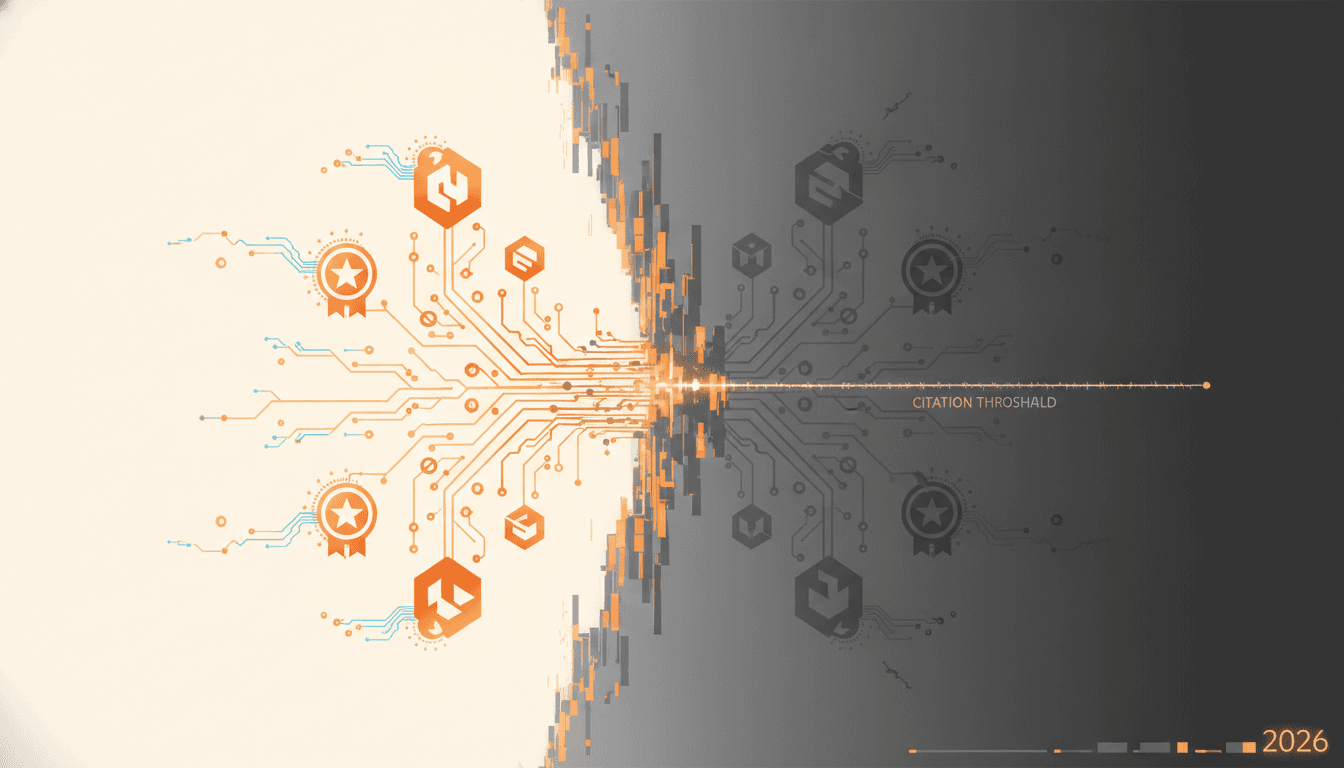
[IMG: Hero image showing a split screen of traditional Google search results on one side and a conversational AI search interface on the other, with an e-commerce product discovery theme]


---


## What Are AI Search Engines? Understanding the New Discovery Landscape

The search landscape has fundamentally shifted. AI search engines are no longer a distant possibility—they're reshaping how consumers discover products right now.

These platforms use **large language models (LLMs)** and **retrieval-augmented generation (RAG)** to synthesize answers from multiple sources, delivering a single conversational response instead of a ranked list of links. According to [Google DeepMind & OpenAI technical documentation](https://openai.com), this changes what a "search result" even means.

The AI search ecosystem breaks into three distinct categories, each serving different points in the customer journey:

- **Answer engines** (Perplexity, ChatGPT Search) are purpose-built to replace traditional search entirely, delivering synthesized, cited responses without requiring users to visit external sites
- **AI-enhanced traditional search** (Google AI Overviews, Microsoft Copilot) layers AI capabilities onto existing search infrastructure, blending familiar ranking with new synthesis capabilities
- **AI assistants with shopping capabilities** (Claude, ChatGPT with shopping integrations) are conversational tools increasingly used for product research and vendor evaluation, particularly among professional and enterprise buyers

Each category plays a distinct role in the purchase funnel. Answer engines dominate early-stage product research and comparison shopping. AI-enhanced search captures high-intent queries closer to purchase decisions. AI assistants influence consideration among premium customer segments.

The data confirms this shift is accelerating rapidly. According to the [Salesforce State of the Connected Customer Report (2024)](https://www.salesforce.com), **58% of consumers have already used an AI chatbot or AI-powered search tool to research a product before making a purchase**. [Gartner](https://www.gartner.com) predicts traditional search volume will drop **25% by 2026** as AI tools divert traffic away from traditional search engines.

This isn't about replacing SEO—it's about expanding beyond it. Ignoring AI search is no longer an option for competitive e-commerce brands.


---


## How AI Search Fundamentally Differs from Google (And Why It Matters for E-Commerce)

The core difference is deceptively simple: Google returns a ranked list of links. AI search engines return an answer.

When a user asks an AI search engine "What's the best air purifier for a small apartment?", the platform synthesizes information from dozens of sources and delivers a single recommendation—often without the user ever clicking anywhere. This is the **zero-click phenomenon**, and it's accelerating faster than traditional SEO metrics can track.

This shift has profound implications for e-commerce visibility. As [SparkToro's zero-click research](https://sparktoro.com) documents, brands must now measure success differently. Instead of tracking traffic volume, the new metric that matters is **share of voice in AI-generated answers**.

Citation frequency and sentiment now determine visibility more than click-through rates ever did. [BrightEdge's AI Search Citation Analysis (2024)](https://brightedge.com) found something startling: Google AI Overviews cite an average of **8 sources per answer**, but the **top 3 cited domains capture over 60% of all citation share**. This creates winner-take-most dynamics far more extreme than traditional page-one SEO.

For e-commerce brands, being a marginal player in AI citations is nearly as invisible as not being cited at all. The concentration of citation authority means visibility gaps are harder to recover from than in traditional search.

But there's a silver lining to this dynamic. The halo effect is equally powerful in the opposite direction. [Semrush & Search Engine Land's AI Visibility Study (2024)](https://www.semrush.com) found that brands mentioned in AI-generated answers saw up to a **40% increase in branded search volume** on traditional Google—meaning AI visibility doesn't cannibalize existing traffic, it amplifies it across every discovery channel.

As Rand Fishkin, Co-Founder of SparkToro, frames the opportunity: *"If an AI doesn't know a brand exists, customers won't either."* This insight underscores why AI search visibility has become a critical competitive factor.

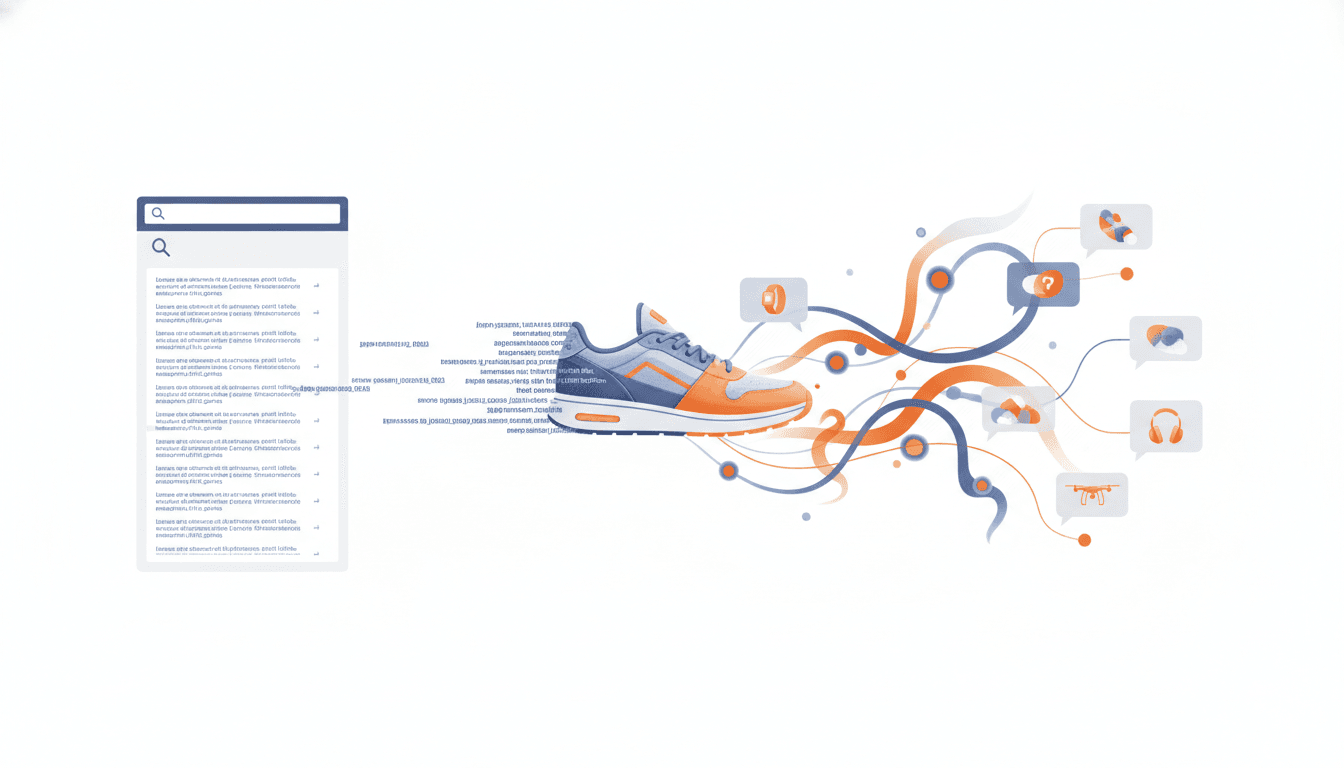
[IMG: Diagram comparing traditional Google SERP link ranking versus AI search synthesized answer format, with citation sources highlighted]


---


## Platform-by-Platform Breakdown: Which AI Search Engines Matter Most

Not all AI search platforms are created equal. Each has different user demographics, citation behaviors, and shopping integrations—making some more valuable than others depending on brand type and product category.

Here's how the five platforms e-commerce marketers need to prioritize compare:

| Platform | Monthly Active Users | Primary Demographics | Citation Behavior | Shopping Integration | E-Commerce Priority |
|---|---|---|---|---|---|
| **ChatGPT** | 200M+ weekly | Broad, mainstream | Web search + product feeds | Native shopping features with images, prices, links | ⭐⭐⭐⭐⭐ |
| **Perplexity AI** | 15M+ monthly | High-income, early adopters | Real-time citations, fully traceable | Growing rapidly | ⭐⭐⭐⭐ |
| **Google AI Overviews** | Billions (integrated) | All Google users | 8 sources avg., top 3 dominate | Native Google Shopping integration | ⭐⭐⭐⭐⭐ |
| **Microsoft Copilot** | 5B+ chat turns/day | Enterprise + consumer | Bing-powered, structured citations | Growing shopping integration | ⭐⭐⭐⭐ |
| **Claude** | Growing, enterprise-heavy | Technical, professional, B2B | Emerging citation patterns | Amazon ecosystem integration | ⭐⭐⭐ |

**ChatGPT** is the volume leader in the AI search ecosystem. OpenAI announced the platform surpassed [200 million weekly active users in 2024, doubling its user base in under one year](https://openai.com). Its 2024 shopping features now surface product recommendations with images, prices, and direct purchase links—pulling from structured product feeds and trusted retail review sites.

For mainstream e-commerce brands, ChatGPT's reach is unmatched. The platform's integration with shopping data makes it particularly valuable for product discovery and comparison queries.

**Perplexity AI** processes over [100 million queries per month](https://techcrunch.com), with a user base that skews toward high-income, highly educated professionals and early adopters. Purpose-built as a search replacement, it provides real-time web citations with every answer—making brand mentions directly traceable and measurable.

For mid-to-high-ticket e-commerce, Perplexity's premium demographic makes it disproportionately valuable. The platform's transparency around sources creates opportunities for brands to build citation authority.

**Google AI Overviews** now appears in an estimated [47% of all Google search queries in the United States](https://brightedge.com), placing AI-generated summaries above traditional organic results. This integration makes Google AI Overviews impossible to ignore for any e-commerce brand.

Elizabeth Reid, VP of Search at Google, frames the implication clearly: *"For retailers, the path to purchase increasingly runs through an AI-mediated layer that synthesizes product information, reviews, and comparisons before the consumer ever visits a brand's website."*

**Microsoft Copilot**, powered by GPT-4 and integrated into Bing, Edge, and Microsoft 365, processes over [5 billion chat turns per day across its ecosystem](https://microsoft.com). Despite lower standalone brand recognition, this volume makes it one of the highest-traffic AI surfaces available.

Most marketers are severely underestimating Copilot's reach and influence on product discovery. Here's how the platform's scale translates to real opportunity: enterprise users and professionals increasingly rely on Copilot for vendor research and product evaluation.

**Claude** (Anthropic) integrates into Slack, Notion, and Amazon's ecosystem, making it a significant influence layer for B2B e-commerce and wholesale buyers. Its importance will grow as enterprise adoption accelerates in 2025 and beyond.

For example, procurement teams and technical buyers increasingly use Claude for detailed product comparisons and vendor evaluation. This makes Claude particularly valuable for B2B e-commerce brands.

[IMG: Side-by-side screenshots of the same product query entered into ChatGPT, Perplexity, and Google AI Overviews, showing different citation and recommendation formats]


---


## Which AI Platform Should Your Brand Prioritize? A Strategic Decision Framework

With five platforms competing for attention and limited resources, prioritization isn't optional—it's essential. The right starting point depends on brand size, product category, target demographic, and available team bandwidth.

**For small and mid-market brands:**
Start with **Google AI Overviews** (Phase 1). The volume is unmatched, existing SEO infrastructure translates directly, and measurement frameworks are more mature. Move to **ChatGPT** (Phase 2) once baseline visibility is established—200M+ weekly users represent mainstream reach that compounds over time.

Add **Perplexity** and others (Phase 3) as resources allow. This phased approach distributes effort across the most impactful platforms first.

**For premium and niche brands:**
Prioritize **Perplexity** alongside Google AI Overviews from the start. Its 15M monthly users skew high-income and are disproportionately valuable for considered purchases in luxury, specialty, and technical categories. Layer in ChatGPT for volume reach.

This dual-platform approach captures both premium and mainstream audiences. The citation patterns on Perplexity often differ from ChatGPT, requiring distinct optimization strategies.

**For enterprise brands:**
Optimize simultaneously across all five platforms. When the top 3 citations capture 60%+ of share of voice, every platform gap represents a competitive loss that can't be afforded.

Enterprise brands have the resources to build citation authority across all major AI surfaces. This comprehensive approach prevents competitors from capturing share of voice in any single platform.

The strategic question, as Sridhar Ramaswamy (CEO of Neeva and Former SVP of Ads at Google) frames it, is straightforward: *"How does a brand become the answer an AI gives when someone asks for a recommendation in that category?"* That question is easiest to answer first on the platform where target customers already search most.


---


## Why AI Search Matters for E-Commerce: The Business Case and Opportunity

The business case for AI search optimization is no longer theoretical. The numbers make the urgency concrete and measurable.

With 58% of consumers already using AI tools for product research, [Gartner's prediction](https://www.gartner.com) of a 25% drop in traditional search volume by 2026, and ChatGPT doubling its user base in under a year, AI search is growing faster than any other discovery channel in e-commerce history.

AI search is particularly influential in **high-consideration purchase categories**—electronics, apparel, home goods, health and wellness, and travel—where consumers ask comparative or advisory questions before buying. According to [McKinsey's Consumer Decision Journey Report (2024)](https://www.mckinsey.com), these are exactly the categories where AI optimization delivers the highest ROI for mid-size e-commerce brands.

The halo effect changes the ROI calculus entirely. Brands cited in AI answers see up to a **40% increase in branded search volume** on Google—meaning AI search visibility doesn't cannibalize existing traffic, it amplifies it. Higher branded search volume translates to higher conversion rates, stronger brand lift, and compounding market share gains.

The channel is still less competitive than traditional SEO or paid search, making this a genuine early-mover opportunity. Brands willing to act before saturation sets in will establish structural advantages that compound over time.

[IMG: Funnel diagram showing how AI search citations flow into increased branded search volume, then into higher conversion rates and market share gains]


---


## The New Rules of Visibility: Introduction to Generative Engine Optimization (GEO)

**Generative Engine Optimization (GEO)** is the practice of optimizing for AI search visibility and citation frequency. It's a distinct discipline from traditional SEO—and understanding the difference is critical for building strategy in 2025.

Traditional SEO optimizes for crawlers and keyword matching. GEO requires brands to focus on being cited in authoritative third-party sources, maintaining consistent structured data, and building topical authority that LLMs recognize during both training and real-time retrieval.

The key signals AI systems use to determine which brands to recommend include:

- **Third-party citations**: Coverage in authoritative publications, review platforms, and industry sources that AI systems train on and cite
- **Review volume and sentiment**: AI engines pull heavily from Reddit, Trustpilot, G2, and Wirecutter when synthesizing product recommendations
- **Structured data**: Schema.org markup (Product, Review, FAQPage, BreadcrumbList) significantly increases accurate parsing and understanding by AI systems
- **Topical authority**: Comprehensive, expert content that establishes a brand as the definitive source on a product category
- **Content comprehensiveness**: Answers that fully address the questions consumers are actually asking, not just keyword variations

GEO is not about manipulating AI systems—it's about making a brand more visible and credible to the sources AI systems train on and cite. The new metric that matters is **citation authority**: how frequently and favorably a brand appears in AI-generated answers within its category.

With the top 3 cited domains capturing 60%+ of citation share, building citation authority requires a multi-channel approach that extends well beyond a brand's own website. Here's how successful brands approach this: they earn coverage in authoritative sources, build review authority, and create comprehensive content that answers category-level questions.

As Lily Ray, VP of SEO Strategy & Research at Amsive Digital, explains: *"The e-commerce brands that will thrive are building genuine expertise, earning real reviews, and creating content that answers the actual questions their customers are asking—because that's exactly what AI systems are trained to surface."*


---


## 5 Common Misconceptions E-Commerce Marketers Have About AI Search

Several persistent myths are causing e-commerce marketers to delay action on AI search. Here's what's actually true.

**Myth 1: "AI search is just SEO with a new name."**
GEO requires earning citations from authoritative third-party sources—not ranking a brand's own content. The mechanisms, metrics, and strategies are meaningfully different from traditional SEO.

Brands cannot optimize their way into an AI answer; they have to earn their way in through external authority and credibility. This distinction fundamentally changes how optimization strategy should be structured.

**Myth 2: "Paid ads will solve this."**
AI search is largely ad-free, and traditional paid search doesn't directly influence AI recommendations. However, brand awareness built through advertising can contribute to the broader authority signals AI systems recognize.

For example, strong brand awareness can drive more branded searches, which signals authority to AI systems. But paid ads alone cannot create the citation authority that AI systems require.

**Myth 3: "This only matters for big brands."**
Smaller brands can win in AI search by dominating niche topics and building authority in specific product categories. The playing field is more open now than it will be in 18 months.

Looking ahead, early-mover advantage in niche categories will compound significantly. Smaller brands that establish citation patterns now will hold disproportionate share of voice in their segments.

**Myth 4: "I should wait until AI search stabilizes."**
The channel is still less competitive than traditional SEO, making this a genuine early-mover window. Early movers establish citation patterns and brand authority before saturation arrives.

Waiting is a structural disadvantage, not a prudent strategy. The brands that begin building AI search visibility today will own disproportionate share of voice in their categories by the time saturation arrives.

**Myth 5: "AI search will cannibalize my Google traffic."**
The data shows the opposite. Brands in AI answers saw a **40% increase in branded search volume** on Google—the halo effect amplifies overall discovery rather than replacing it.

This means AI search optimization actually strengthens a brand's overall discovery position across all channels. The investment in AI visibility compounds across multiple discovery surfaces.


---


## Getting Started: How to Audit Your AI Search Visibility Today

The first step is knowing where a brand stands. Here's a practical audit process any e-commerce marketer can begin immediately.

**Step 1: Test current visibility across all five platforms.**
Enter 10–15 product category queries and brand-specific queries into ChatGPT, Perplexity, Google AI Overviews, Microsoft Copilot, and Claude. Document where the brand appears, where it doesn't, and which competitors are consistently cited.

This takes roughly 30 minutes and reveals baseline position across all major AI surfaces. For example, a brand might appear in ChatGPT but not in Google AI Overviews, indicating different citation patterns across platforms.

**Step 2: Track the right metrics.**
- Share of voice in AI answers (how often the brand is cited vs. competitors)
- Citation frequency by platform
- Sentiment of mentions (positive, neutral, or negative framing)
- Competitor citation share patterns

These metrics replace traditional SEO metrics like rankings and click-through rates. Share of voice becomes the primary indicator of AI search success.

**Step 3: Benchmark against 3–5 key competitors.**
Google AI Overviews cite an average of 8 sources per answer—audit which 8 sources competitors appear in and why. Perplexity and ChatGPT have distinct citation patterns, so test both independently rather than assuming overlap.

Looking ahead, understanding competitor citation patterns reveals which authoritative sources matter most in the category. This insight guides citation-building strategy.

**Step 4: Identify the gaps.**
The 30-day goal is simple: determine which AI platforms mention the brand, which don't, and what the authoritative sources in the category have in common. That gap analysis becomes the foundation for a GEO strategy.

Here's how to prioritize gaps: focus first on platforms with the highest traffic volume and most relevant audience demographics. Google AI Overviews and ChatGPT gaps take priority over Claude gaps.

**Step 5: Document and prioritize.**
Not all gaps are equal. A missing citation on Google AI Overviews is a higher-priority fix than a gap on Claude, given volume differences. Rank gaps by platform priority and begin building citation authority where it matters most.

Share of voice in AI answers is the new metric that matters—and the brands that start measuring it now will have a meaningful head start as the channel matures.


---


## What's Next: Your AI Search Optimization Roadmap

The key takeaways from this guide are straightforward. AI search is real, growing fast, and fundamentally different from Google. Brand visibility now depends on citation authority across multiple platforms, not just page rankings on a single search engine.

GEO is a new discipline that requires a new approach—and the brands building that approach now are establishing advantages that will compound over time. The window for early-mover advantage is measured in months, not years.

Here's the phased roadmap to get started:

- **Phase 1 — Audit and measurement**: Establish baseline AI visibility, identify citation gaps, benchmark against competitors
- **Phase 2 — Citation building and topical authority**: Earn coverage in authoritative third-party sources, optimize review ecosystems, build comprehensive content that answers category-level questions
- **Phase 3 — Ongoing optimization and scale**: Monitor share of voice across platforms, refine content strategy, expand to additional AI surfaces as the channel matures

Looking ahead, Gartner's prediction of a **25% drop in traditional search volume by 2026** means the window for early-mover advantage is measured in months, not years. The brands that establish citation patterns and topical authority now will hold a structural advantage as the channel becomes more competitive.

The time to act is now. The brands that begin building AI search visibility today will own disproportionate share of voice in their categories by the time saturation arrives—and that advantage compounds into market share, revenue, and sustainable competitive moat.

**Ready to get a complete AI visibility analysis for a brand?** [Book a free 30-minute consultation with the Hexagon team](https://calendly.com/ramon-joinhexagon/30min). The team will show exactly where a brand stands across every major AI search platform, identify citation gaps, and create a personalized roadmap to increase share of voice in AI-generated answers before competitors do.


---


*Sources: [Salesforce State of the Connected Customer Report, 2024](https://www.salesforce.com) · [OpenAI DevDay Keynote, 2024](https://openai.com) · [Gartner Research, 'The Future of Search', 2024](https://www.gartner.com) · [BrightEdge AI Search Citation Analysis, 2024](https://brightedge.com) · [Semrush & Search Engine Land AI Visibility Study, 2024](https://www.semrush.com) · [Princeton & Georgia Tech GEO Study, 2024](https://arxiv.org) · [McKinsey Consumer Decision Journey Report, 2024](https://www.mckinsey.com) · [Perplexity AI Company Metrics, TechCrunch, 2024](https://techcrunch.com) · [Microsoft Build Conference Keynote, 2024](https://microsoft.com)*
H
Hexagon Team
Published May 19, 2026