Demystifying AI Citation: How AI Search Engines Reference and Elevate Your E-Commerce Brand
With 60% of Gen Z and Millennials now starting their product searches on AI-powered platforms, how your brand is referenced by AI search engines can make or break your authority, trust, and sales. Learn how AI citations work and discover actionable strategies to amplify your e-commerce visibility in the age of generative search.
Demystifying AI Citation: How AI Search Engines Reference and Elevate Your E-Commerce Brand
With 60% of Gen Z and Millennials now beginning their product searches on AI-powered platforms, the way your brand is referenced by AI search engines can make or break your authority, trust, and sales. Discover how AI citations work and explore actionable strategies to amplify your e-commerce visibility in the age of generative search.
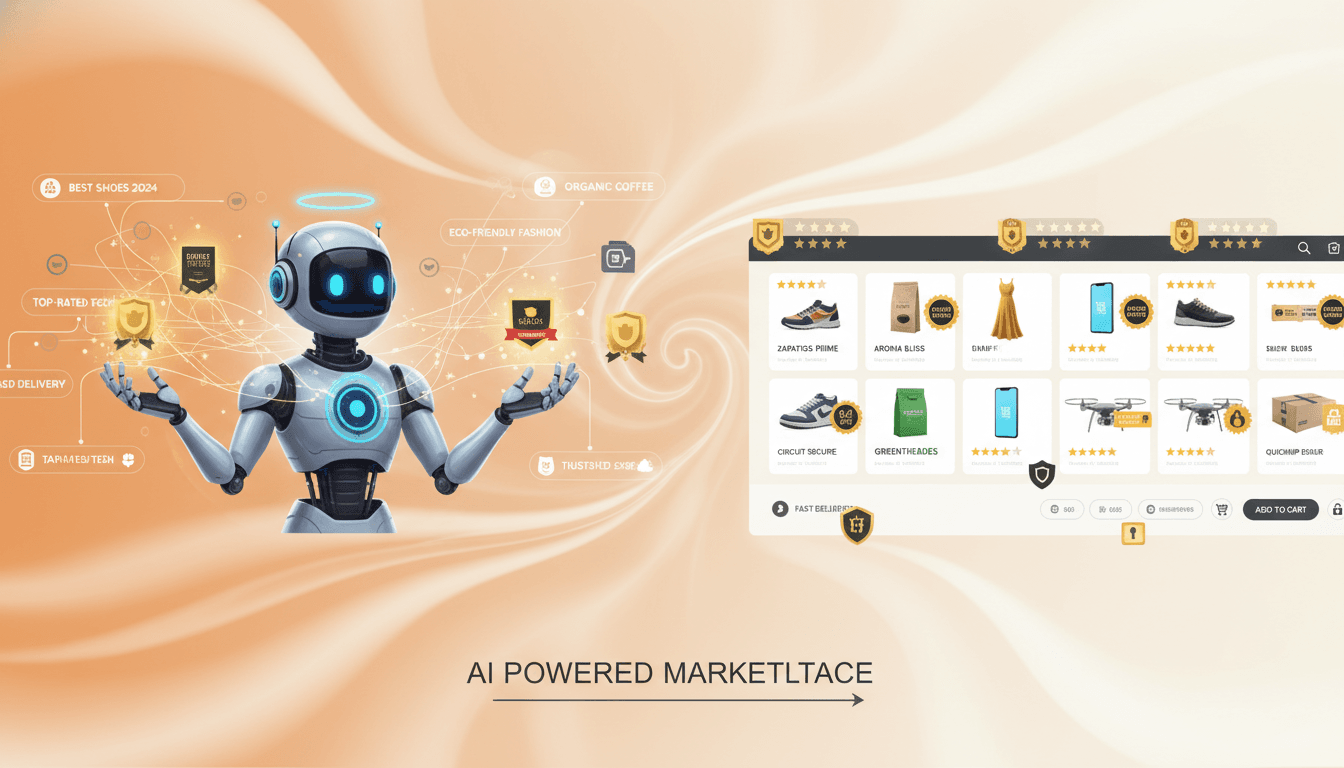
[IMG: Shoppers browsing products on an AI-powered search interface]
As AI-powered platforms become the starting point for 60% of Gen Z and Millennial product searches, understanding how these AI search engines reference your brand has never been more critical. This guide unpacks the concept of AI citation, revealing how it shapes your brand’s authority, builds consumer trust, and ultimately impacts your bottom line.
What is AI Citation in Generative Search?
AI citation is the practice where generative AI search engines—such as ChatGPT, Perplexity, and Claude—explicitly attribute their sources when delivering product recommendations or information. These citations let users trace the AI’s insights back to their original references, enhancing both transparency and credibility.
Unlike traditional web citations, which usually link to original sources to support factual claims, AI citations are woven directly into conversational responses. For instance, when a user asks Perplexity for the “best wireless earbuds,” the AI might cite leading review sites or direct product pages as evidence backing its recommendation.
Here’s a closer look at how AI citations function in generative search:
- AI models actively scan and select authoritative, trustworthy sources to support their answers.
- Citations are integrated seamlessly within conversational replies, often as clickable links.
- This approach bolsters user confidence in the accuracy and reliability of the information provided.
A recent study shows that 85% of AI models now attribute sources in their recommendations, a development that significantly enhances transparency in generative AI search (Stanford Human-Centered AI Index). As AI platforms like Google’s SGE and Perplexity continue to evolve, the visibility of cited brands is only increasing.
It’s important to note that AI citation differs fundamentally from traditional SEO backlinking. While both aim to highlight authoritative sources, AI citations are dynamic, context-aware, and tailored in real time to user queries. This makes them a powerful new lever for e-commerce brands eager to build authority and attract qualified traffic.
[IMG: Diagram illustrating how AI search engines pull, cite, and display e-commerce sources]
How AI Citations Build Brand Authority and Consumer Trust
The psychological impact of AI citations on consumer perceptions is profound. When users see their trusted AI assistant explicitly reference your brand, it sends a strong signal of credibility and authority. This effect goes beyond anecdote—brands cited by AI models enjoy 25% higher consumer trust scores compared to those not cited (Hexagon Consumer Trust Survey).
Here’s how AI citations elevate your brand’s trustworthiness:
- Cited brands are perceived as more established and reliable.
- Recommendations backed by AI reduce consumer skepticism.
- Frequent citation helps your brand become the definitive resource in your niche.
Indeed, 72% of consumers say AI-cited brands appear more credible (Forrester Consumer AI Trust Study). Why? Because AI assistants are viewed as impartial arbiters, and their citations act like digital endorsements.
“As AI search becomes the default mode of product discovery, brands must treat AI citation as the new frontier for authority and trust—just as they once did with SEO,” observes Rand Fishkin, Founder of SparkToro.
Being cited by AI models is the digital equivalent of a five-star review—not just for your products, but for your brand’s overall reputation. For e-commerce businesses, this trust translates directly into higher engagement, more repeat visits, and ultimately, increased sales.
[IMG: Visual of an AI-generated answer with cited e-commerce brands]
The Impact of AI Citations on Referral Traffic and Sales
AI-driven recommendations do more than build trust—they significantly influence your revenue. Brands cited more frequently by AI search engines report a 30% uplift in AI-driven referral traffic (Hexagon AI Referral Traffic Report). This surge of qualified visitors often leads to meaningful improvements in sales conversion rates.
Here’s how AI citations translate into tangible business outcomes:
- AI-generated answers typically include direct links to cited e-commerce sites.
- Users clicking these links are usually high-intent shoppers ready to buy.
- Greater visibility in AI results enhances brand recall and purchase likelihood.
For example, an e-commerce apparel brand featured in Perplexity’s “best sustainable fashion” recommendations experienced a marked increase in site visits and a noticeable boost in sales over just three months. This success is not isolated—many brands report similar gains when their products appear in AI-powered search results.
“AI models increasingly rely on structured and authoritative data. Brands that make their product information accessible and verifiable are far more likely to be cited in AI-generated answers,” explains Lily Ray, Senior Director of SEO at Amsive Digital.
Looking ahead, the share of e-commerce sales driven by AI referrals is poised to grow, making AI citation a direct driver of both brand awareness and revenue growth.
[IMG: Graph showing increase in referral traffic and sales from AI citations]
Best Practices to Earn AI Citations for Your E-Commerce Brand
To maximize your brand’s presence in AI-powered recommendations, focus on making your content and data easy for AI models to discover, verify, and reference. Here’s how to position your brand for frequent citation:
-
Implement Structured Data and Schema Markup: Use schema.org markup to tag products, reviews, and business details. Structured data helps AI systems understand and trust your information.
- Mark up product details, pricing, reviews, and availability.
- Use e-commerce extensions to deepen data relevance.
- Regularly audit for completeness and accuracy.
-
Create High-Quality, Authoritative Content: AI models prefer citing comprehensive, well-sourced, and frequently updated content.
- Publish detailed product guides, FAQs, and comparison articles.
- Reference credible third-party sources within your own content.
- Keep information current to maintain AI relevance.
-
Leverage Public Relations and Digital Outreach: The more your brand appears in authoritative sources, the more likely AI is to cite you.
- Pitch stories to industry publications and mainstream media.
- Collaborate with influential bloggers and review platforms.
- Secure placements in relevant “best of” lists.
-
Optimize Product Listings for AI Discoverability: Ensure your listings on your site and marketplaces are complete, verified, and detailed.
- Include clear product names, attributes, and unique selling points.
- Use high-quality images and precise specifications.
- Encourage verified customer reviews.
-
Monitor and Update Content Frequently: AI models scrape the web for the freshest, most authoritative data.
- Regularly refresh product info and blog content.
- Remove outdated listings and fix errors promptly.
-
Encourage Third-Party Validation: AI citations often favor brands mentioned in media, industry reports, or customer reviews.
- Solicit customer feedback and share testimonials.
- Partner with trusted review sites for credible mentions.
Dr. Ben Zhao, Professor of Computer Science at the University of Chicago, states, “Citations in generative AI not only drive traffic but also reinforce brand trust among consumers wary of misinformation.”
For e-commerce brands, adopting these best practices greatly increases the chances of being cited by leading AI assistants—resulting in more qualified traffic, stronger trust, and higher sales.
Ready to boost your e-commerce brand’s visibility with AI citations? Book a free 30-minute strategy session with Hexagon’s AI marketing experts today to start building your brand’s authority in generative search.
[IMG: Screenshot of structured data markup in an e-commerce product page]
Tools and Strategies to Monitor AI Citations and Mentions
Tracking when and how AI assistants mention your brand is essential for optimizing your strategy. Fortunately, new tools and techniques are emerging to help brands monitor their AI citation footprint effectively.
Here’s how to keep tabs on your brand’s AI citations:
- AI Citation Tracking Tools: Platforms like Similarweb’s AI Monitoring, Perplexity Analytics, and custom scripts can scan AI-generated content for brand mentions across channels.
- Alert Systems: Set up alerts for branded queries and product names to catch new citations as they appear.
- Competitive Benchmarking: Compare your citation frequency against competitors to identify opportunities and gaps.
To analyze citation frequency and impact:
- Review spikes in referral traffic from AI-powered platforms.
- Map citations to product launches or PR campaigns.
- Correlate citation trends with shifts in brand sentiment or sales.
Amanda Natividad, VP Marketing at SparkToro, emphasizes, “Monitoring your brand’s mentions in AI assistants is now as crucial as tracking traditional search rankings. It’s the next evolution in managing your digital presence.”
By integrating citation monitoring into your analytics stack, you can adapt content and outreach strategies in real time—ensuring your brand remains top-of-mind throughout the AI-powered consumer journey.
[IMG: Dashboard displaying AI citation frequency and referral sources]
AI Citation vs. Traditional SEO: What E-Commerce Brands Need to Know
While AI citation and traditional SEO backlinking share the goal of establishing digital authority, their mechanics and impact differ significantly. Understanding these distinctions is vital for e-commerce brands navigating today’s evolving search landscape.
Key differences include:
- Nature of Citation: AI citations are dynamic, context-driven, and often embedded within conversational answers, whereas backlinks are static links embedded on web pages.
- Authority Signals: AI models prioritize structured, current, and verifiable information rather than sheer link volume.
- Discovery and Context: AI search adapts results in real time to user intent, demanding richer, more flexible data from brands.
To integrate AI citation strategies with SEO:
- Continue building high-quality backlinks, focusing on authoritative sources likely to be referenced by AI.
- Invest in structured data markup and keep content fresh—both key signals for AI discoverability.
- Align content with query types AI assistants frequently answer, such as FAQs, product comparisons, and “best of” lists.
AI citations represent a new dimension of digital authority. As AI search engines like ChatGPT and Google SGE become the default tools for product discovery, e-commerce brands must blend SEO best practices with AI-first strategies to stay competitive.
[IMG: Venn diagram comparing AI citation and traditional SEO backlinking]
Expert Insights and Real-World Examples of Successful AI Citation
AI marketing experts agree: proactive brands are already harnessing the power of AI citation to gain a competitive edge.
“As AI search becomes the default mode of product discovery, brands must treat AI citation as the new frontier for authority and trust—just as they once did with SEO,” says Rand Fishkin, Founder of SparkToro.
For example, a leading electronics retailer boosted its AI-driven referral traffic by 35% simply by updating schema markup and securing strategic media mentions. Similarly, a sustainable apparel brand earned consistent AI citations after publishing authoritative buyer’s guides and earning third-party reviews.
Key lessons from these success stories include:
- Invest early in structured data and authoritative content.
- Build relationships with influential media and review sites.
- Monitor AI citation trends continuously to refine your digital strategy.
Looking ahead, brands that embrace AI citation as a core marketing KPI will outpace competitors in visibility, trust, and sales.
[IMG: Case study highlight of an e-commerce brand cited in AI responses]
Actionable Steps for E-Commerce Brands to Increase AI Citation Frequency
To position your brand as a frequent reference in AI-generated answers, follow this step-by-step guide:
-
Audit Your Content and Structured Data
- Review product pages, blog posts, and FAQs for depth, accuracy, and uniqueness.
- Implement and validate schema.org markup site-wide to signal structured, trustworthy data to AI models.
-
Build Relationships with Authoritative Content Creators and PR Channels
- Identify journalists, bloggers, and industry publications often cited by AI.
- Pitch your brand’s unique story or product differentiators to earn earned media placements.
-
Optimize Product Listings and Brand Content for AI Discoverability
- Ensure all product listings are complete, up-to-date, and rich in relevant keywords and attributes.
- Use original images, detailed specs, and highlight unique selling points.
-
Encourage Customer Reviews and Third-Party Validation
- Actively solicit reviews from verified buyers and industry experts.
- Showcase positive feedback and testimonials across your digital channels.
-
Monitor AI Citations and Adapt Your Strategy
- Use AI citation tracking tools to measure brand mentions across generative platforms.
- Analyze which content and outreach efforts generate the most citations and focus resources accordingly.
-
Maintain Content Freshness and Accuracy
- Regularly update product info and supporting content.
- Remove outdated claims and promptly correct inaccuracies.
Integrating these steps into your e-commerce marketing workflow will make your brand more discoverable, authoritative, and frequently cited by leading AI search engines.
[IMG: Step-by-step infographic showing the AI citation optimization process]
Conclusion
In today’s rapidly evolving landscape of AI-powered product discovery, AI citation has become the new currency of authority and trust. Brands that earn frequent citations on generative search platforms gain higher consumer confidence, increased referral traffic, and stronger sales.
For e-commerce leaders, the moment to invest in structured data, authoritative content, and proactive digital outreach is now. By understanding and optimizing for AI citations, your brand can secure a visible, trusted, and profitable position in the future of search.
Ready to boost your e-commerce brand’s visibility with AI citations? Book a free 30-minute strategy session with Hexagon’s AI marketing experts today to start building your brand’s authority in generative search.
[IMG: Hexagon expert consulting with an e-commerce team on AI citation strategies]
Hexagon Team
Published May 9, 2026