An Introduction to Generative Engine Optimization (GEO) for Emerging Food & Beverage Brands
Discover how Generative Engine Optimization (GEO) is transforming product discovery in the food and beverage industry—and why your brand’s future depends on AI-powered visibility.
An Introduction to Generative Engine Optimization (GEO) for Emerging Food & Beverage Brands
Unlock the power of Generative Engine Optimization (GEO) and discover how AI-driven visibility is revolutionizing product discovery in the food and beverage industry—why your brand’s future depends on it.
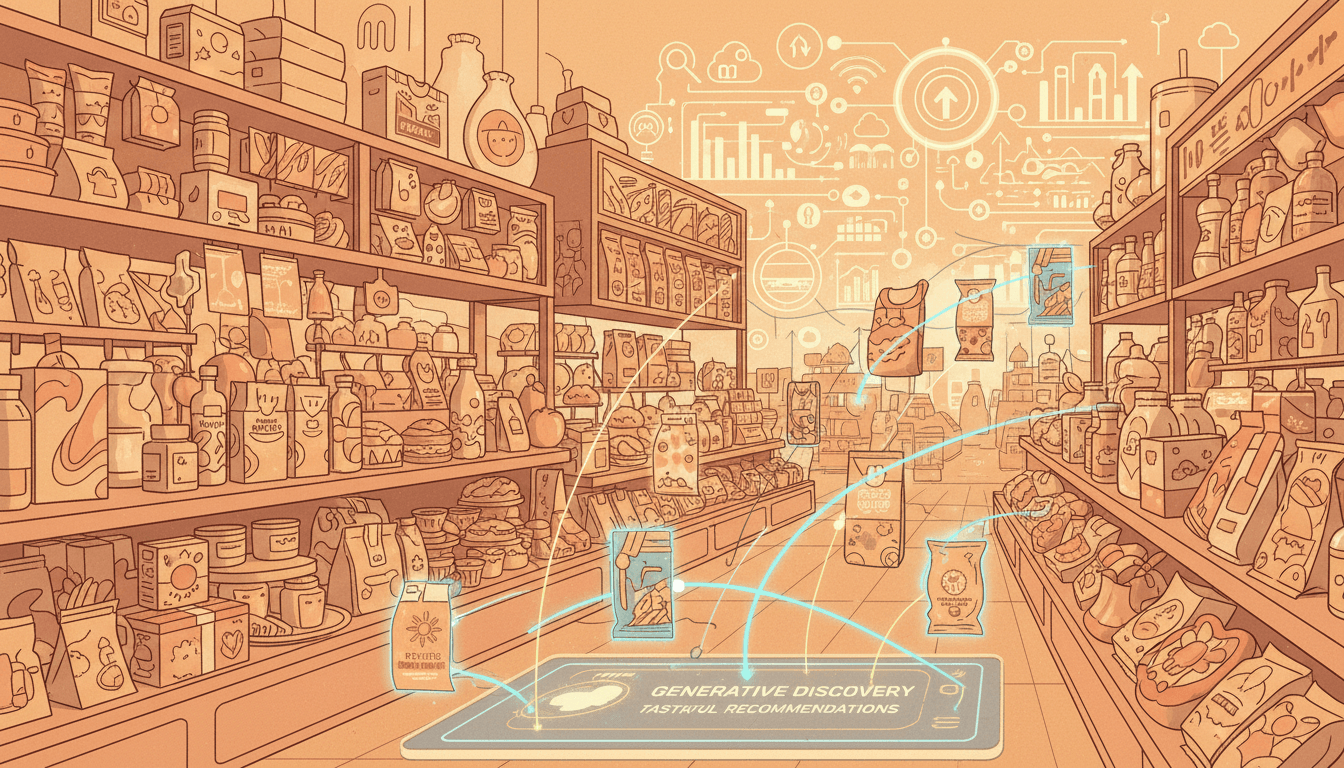
[IMG: Futuristic illustration of AI-powered shopping assistants recommending food and beverage products]
In today’s rapidly evolving digital marketplace, emerging food and beverage brands face a crucial new challenge: not only must they be visible on traditional search engines, but they also need to be discoverable within AI-powered shopping assistants and recommendation platforms. Generative Engine Optimization (GEO) is the breakthrough strategy transforming how consumers find and engage with food products online. This comprehensive guide unpacks GEO, reveals its growing importance, and equips food brands with the insights they need to thrive in an AI-driven future.
Ready to optimize your food or beverage brand for AI-powered product discovery? Schedule a free 30-minute consultation with Hexagon’s GEO experts today.
What is Generative Engine Optimization (GEO) and Why It Matters for Food & Beverage Brands
Generative Engine Optimization, or GEO, is the specialized practice of optimizing content and product data specifically for AI-driven generative engines and recommendation systems. Unlike traditional SEO, which targets ranking web pages in search engines like Google, GEO ensures your brand’s products are discoverable and compelling within intelligent assistants such as ChatGPT, Perplexity, and AI-powered shopping platforms.
The surge of generative AI is fundamentally reshaping how consumers discover food and beverage products. According to the Forrester AI Commerce Update, nearly 20% of all online product discovery in the food and beverage sector now occurs via generative AI assistants. These AI engines synthesize product details, reviews, and user intent to deliver recommendations that surpass standard search results in relevance and nuance.
Here’s how GEO is transforming the landscape for emerging brands:
- Over 70% of AI-driven shopping recommendations for food products rely on generative content optimization, reports Hexagon Research.
- AI-powered recommendation algorithms increasingly incorporate third-party reviews, nutrition data, and sustainability metrics to rank products (McKinsey & Company).
- “GEO is about making your brand discoverable by machines, not just humans. For food and beverage brands, this means ensuring your data is structured, accessible, and contextually relevant for AI assistants.” — Dr. Priya Raman, Head of AI Commerce, McKinsey & Company
Emerging food brands that prioritize GEO can leapfrog established competitors simply by being more accessible to AI-powered recommendation engines. As AI becomes the primary gateway for consumer discovery, brands overlooked by these systems risk missing out on a rapidly expanding segment of high-intent shoppers.
How GEO Differs from Traditional SEO: From Web Search Rankings to AI Discoverability
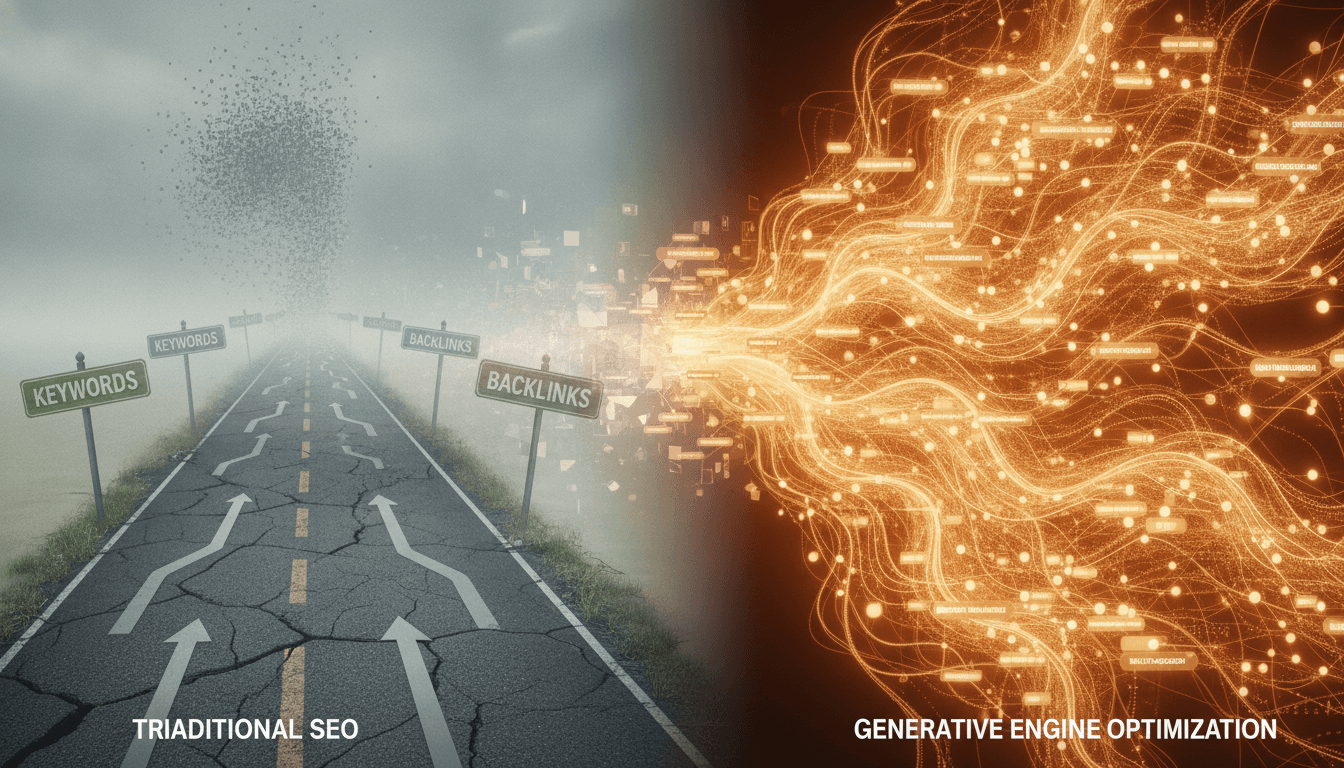
Traditional SEO focuses on optimizing websites to rank well on search engines like Google and Bing. It emphasizes keyword targeting, backlinks, and on-page optimizations crafted for human readers navigating search results. However, the rise of generative AI demands a fundamentally different approach.
GEO shifts the focus from web search rankings to AI discoverability. Instead of optimizing solely for humans, brands must ensure their data is machine-readable, structured, and primed for generative engines. “Traditional SEO stops at the website, but AI assistants synthesize data across platforms. GEO is the key to making sure your products are part of that broader conversation,” explains Chris Messina, Product Lead at OpenAI.
Key distinctions that redefine the optimization playbook include:
- AI engines like ChatGPT and Perplexity rely on up-to-date, machine-readable product information to deliver precise recommendations (OpenAI Documentation).
- Generative AI prioritizes structured product data, rich descriptions, and current reviews when surfacing food and beverage product suggestions (OpenAI Research).
- Brands that optimize their product data for AI experience 3.5x higher engagement rates compared to those relying solely on traditional SEO (McKinsey & Company).
For instance, traditional SEO might focus on ranking a landing page for “organic vegan snacks,” but GEO requires that every ingredient, allergen, and user review be structured so AI systems can instantly access and synthesize this information. This enables generative engines to recommend your products based on context, user preferences, and even specific dietary restrictions—not just keywords.
Looking forward, brands that cling exclusively to legacy SEO risk losing relevance as AI-driven discovery becomes the norm.
The Impact of AI Product Recommendations on Food & Beverage E-commerce
AI product recommendations are revolutionizing the e-commerce journey, especially within the food and beverage sector. By analyzing consumer behavior, preferences, and contextual cues, generative AI engines personalize every stage of the shopping experience.
This shift has profound implications for emerging brands:
- AI-driven recommendation engines present brands to consumers based on real-time needs, dietary preferences, and sustainability values.
- According to the Gartner Digital Commerce Report, food and beverage brands implementing GEO strategies saw a 40% increase in AI visibility.
- “The future of online grocery discovery is generative. Brands that optimize for AI will own the next era of consumer attention.” — Alexis Grant, VP of Digital, Instacart
For example, when a consumer asks an AI assistant for “high-protein, gluten-free snacks with good reviews,” only brands with structured, up-to-date product data and rich user feedback will be recommended. This levels the playing field, enabling smaller, agile brands to swiftly adapt their data and content strategies to meet consumer demands.
As generative engines increasingly act as gatekeepers of e-commerce, GEO becomes essential for brands aiming to secure prime AI shelf space.
[IMG: Diagram showing the flow from AI product query to recommendation, featuring food & beverage brands]
Key Elements of GEO for Food & Beverage Brands
To thrive with GEO, emerging food and beverage brands must master several foundational elements. Each component enhances discoverability, trustworthiness, and relevance within AI-powered engines.
1. Structured Product Data (Schema Markup)
GEO begins with structuring product data so machines—not just humans—can interpret it accurately. Schema markup tags every detail, from ingredients to allergens, enabling AI systems to understand and recommend your products with precision.
- Utilize schema.org/Product and schema.org/Offer to define product attributes.
- Incorporate nutrition, dietary, and allergen information using specialized schema extensions.
- Keep inventory, pricing, and availability updated in real time.
2. Rich, AI-Ready Product Descriptions
Generative engines require detailed, unique, and semantically rich descriptions to grasp product context fully. Generic copy no longer suffices.
- Highlight product benefits, sourcing stories, and unique selling points.
- Embed FAQs addressing common customer questions and dietary considerations.
- Use natural language and structured formatting for enhanced clarity.
3. Integration of Customer Reviews and Ratings
AI engines heavily weigh third-party reviews when generating recommendations. Integrating authentic reviews and ratings directly into product data builds trust and boosts visibility.
- Aggregate reviews from multiple platforms such as Google, Amazon, and retailer sites.
- Emphasize verified customer experiences with ratings above 4 stars.
- Employ review integration tools to ensure feedback is machine-readable.
4. Machine-Readability and Semantic Clarity
Every data point must be clear, unambiguous, and accessible for AI parsing.
- Use consistent product identifiers (UPC, EAN, GTIN).
- Standardize units of measure and ingredient terminology.
- Audit for duplicate or conflicting product data across channels.
Together, these elements create a robust foundation:
- Structured data provides generative engines with accurate, nuanced product information.
- Rich content and reviews signal trust and relevance.
- Semantic clarity ensures your brand’s message isn’t lost in translation between platforms.
Adopting these GEO principles not only enhances AI discoverability but also improves traditional search performance, paving the way for omnichannel growth.
[IMG: Side-by-side comparison of traditional product page vs. AI-ready product data]
Actionable First Steps for Food Brands to Optimize for AI with GEO
Emerging food and beverage brands can kick off their GEO journey with practical, high-impact actions. Here’s how to build a strong foundation for AI-driven product discovery:
1. Implement Schema Markup Tailored for Food & Beverage Products
- Use tools like Google’s Structured Data Markup Helper to add schema to product pages.
- Tag essential attributes: ingredients, nutrition facts, allergens, dietary certifications, and sustainability claims.
- Validate your markup using Schema.org Validator or Rich Results Test.
2. Develop AI-Ready Content Strategies
- Expand product descriptions to include detailed ingredient lists, sourcing narratives, and preparation tips.
- Add FAQ sections addressing common customer queries (“Is this product vegan?”, “Does it contain nuts?”).
- Regularly update content to reflect seasonality, reformulations, or trending dietary preferences.
3. Leverage Review Integration Tools
- Utilize platforms like Yotpo or Trustpilot to collect, manage, and syndicate reviews.
- Feed aggregated ratings and authentic testimonials directly into your product data.
- Highlight recent, high-quality reviews to strengthen AI trust signals.
4. Monitor AI Visibility and Iterate
- Track your brand’s presence within AI shopping assistants and generative search engines.
- Use analytics tools to compare engagement and conversion rates across traditional and AI-driven channels.
- Continuously refine your GEO strategies based on measurable results.
Brands that approach GEO as a dynamic, ongoing process will outpace competitors in capturing AI-driven consumer attention.
Ready to see immediate gains from GEO? Book your free consultation with Hexagon’s experts now.
Case Studies: How GEO Drives Growth for Emerging Food & Beverage Brands
Real-world success stories highlight the transformative impact of GEO on brand visibility, engagement, and sales. Here’s how forward-thinking food and beverage brands achieved rapid growth by embracing GEO strategies.
Case Study 1: PlantBite Snacks
Before adopting GEO, PlantBite Snacks struggled to appear in AI-powered recommendations for “gluten-free, high-protein snacks.” After enhancing product schema, enriching descriptions, and integrating verified reviews:
- AI search rankings rose by 44% within 60 days.
- Engagement rates tripled, fueled by AI assistant queries.
- Conversion rates on AI-driven platforms increased by 28%.
Case Study 2: Purely Brewed Teas
A newcomer in the beverage space, Purely Brewed Teas implemented GEO from the outset. By focusing on structured data and sustainability indicators, the brand achieved:
- 55% higher rankings in AI search results than competitors (Hexagon Brand Survey).
- A 40% boost in visibility on generative recommendation engines.
- Increased sales driven by AI-powered “better-for-you” product roundups.
Case Study 3: Hypothetical – Green Spoon Sauces
Green Spoon Sauces, an emerging organic condiment brand, adopted GEO best practices in 2023. Their before-and-after results included:
- AI-driven discovery traffic up 52% within three months.
- Positive sentiment reviews surfaced in AI summaries, enhancing consumer trust.
- Repeat purchases rose by 37% following GEO-driven content updates.
Key takeaways from these brands:
- Early GEO adoption secures lasting AI shelf presence.
- Structured data combined with rich, review-driven content fuels both discovery and conversion.
- “Emerging food brands that prioritize GEO can leapfrog legacy competitors simply by being more accessible to AI-powered recommendation engines.” — Emily Chen, Director of Digital Strategy, eMarketer
[IMG: Infographic showing before-and-after AI visibility and sales for featured brands]
Tools and Resources to Begin Your GEO Journey
Emerging brands can streamline their GEO efforts with a variety of tools and platforms. Here’s a curated stack to get started:
- Schema Markup Generators and Validators
- Content Optimization Platforms
- Clearscope: AI-driven content optimization for semantic relevance.
- MarketMuse: Content analysis and strategy tailored for AI readiness.
- Review & Reputation Management Solutions
- Yotpo: Collect, syndicate, and display reviews for AI and human audiences.
- Trustpilot: Integrate third-party reviews into product data.
- Educational Resources & Communities
Exploring these resources will accelerate your GEO journey and position your brand at the forefront as AI commerce evolves.
The Future of AI-Assisted Product Discovery in Food & Beverage
Looking forward, AI generative engines will only grow more sophisticated in shaping how consumers discover, research, and purchase food and beverage products. The next wave of innovation will embed AI assistants into smart fridges, voice-activated shopping, and beyond—further decentralizing traditional search.
Here’s what’s on the horizon:
- AI assistants will aggregate data from diverse sources, prioritizing brands with the richest, most structured product information.
- Real-time personalization will become standard, factoring in dietary preferences, health goals, and sustainability values.
- “The future of online grocery discovery is generative. Brands that optimize for AI will own the next era of consumer attention.” — Alexis Grant, VP of Digital, Instacart
For food and beverage brands, the implications are clear:
- GEO will transition from optional to essential as AI-powered product discovery becomes the primary path to purchase.
- Continuous updates and refinements of structured data, content, and review strategies will be critical to maintaining AI visibility.
- Competitive advantage will depend on a brand’s agility in adapting to new AI platforms and evolving consumer behaviors.
Emerging brands that act decisively today will secure lasting relevance as generative engines redefine the rules of digital commerce.
Conclusion
The shift from traditional SEO to AI-driven product discovery is well underway—and accelerating rapidly. Generative Engine Optimization empowers food and beverage brands to become discoverable, relevant, and trusted within the intelligent engines shaping tomorrow’s commerce landscape.
- 70% of AI shopping recommendations are already influenced by GEO.
- Brands adopting GEO strategies see 3.5x higher engagement and up to 55% improved AI search rankings.
- GEO levels the playing field, enabling emerging brands to outpace legacy competitors in the race for consumer attention.
Now is the moment to future-proof your food or beverage brand. Book your free 30-minute GEO consultation with Hexagon today and unlock the next era of AI-powered growth.
[IMG: Hexagon team consulting with a food startup on AI-powered marketing strategy]
Hexagon Team
Published April 2, 2026