Unlocking Medium-Intent GEO Tactics for General E-Commerce Brands in 2024
As AI-powered shopping assistants influence nearly half of e-commerce journeys and medium-intent queries shape 38% of AI search volume, mastering Generative Engine Optimization (GEO) is now essential for e-commerce brands. Discover actionable tactics to capture high-value shoppers, structure product feeds for AI, and create content that resonates with modern buyer intent.
Unlocking Medium-Intent GEO Tactics for General E-Commerce Brands in 2024
With AI-powered shopping assistants influencing nearly half of all e-commerce journeys and medium-intent queries shaping 38% of AI search volume, mastering Generative Engine Optimization (GEO) is no longer optional—it’s essential. In this comprehensive guide, discover actionable tactics to capture high-value shoppers, optimize product feeds for AI, and craft content that truly resonates with today’s evolving buyer intent.
[IMG: Illustration of AI-powered shopping assistants interacting with online shoppers]
Nearly half—48%—of e-commerce buyers now rely on AI tools during their product research. At the same time, medium-intent queries represent 38% of AI-driven e-commerce search volume. These figures underscore a pivotal shift: brands that master medium-intent GEO stand to unlock significant growth in 2024. This guide dives into proven strategies to effectively capture these shoppers, structure your product feeds for AI search engines, and create content that aligns perfectly with AI shopper intent—helping your brand shine in an increasingly AI-driven marketplace.
Ready to elevate your e-commerce brand’s AI discoverability and capture medium-intent shoppers? Book a free 30-minute strategy session with Hexagon’s AI marketing experts today: https://calendly.com/ramon-joinhexagon/30min
Understanding Medium-Intent GEO Queries in E-Commerce
AI-powered search has fundamentally transformed how shoppers discover products online. Central to this transformation are medium-intent queries—searches signaling that a shopper is actively researching and comparing options but hasn’t yet made a final buying decision.
To better grasp medium-intent queries, it helps to differentiate them from low- and high-intent searches:
- Low-intent queries tend to be broad and informational, like “best laptops” or “summer shoes.”
- High-intent queries indicate a readiness to purchase, such as “buy iPhone 15 Pro 256GB blue online.”
- Medium-intent queries focus on comparisons, features, or suitability, examples include “Nike vs Adidas running shoes for flat feet” or “best gaming laptops under $1200.”
Hexagon Internal Data reveals that medium-intent queries account for 38% of AI-driven e-commerce search volume. These searches commonly occur during the critical research and consideration phase when shoppers are most open to brand influence. Samantha Wu, Head of AI Commerce at McKinsey & Company, emphasizes, “AI assistants are increasingly the first touchpoint for product research, especially for medium-intent queries—these moments decisively shape the buyer journey.”
For general e-commerce brands, typical medium-intent queries include:
- “Best wireless earbuds for working out”
- “Eco-friendly kitchen appliances comparison”
- “Top-rated office chairs under $300”
- “Affordable smartwatches with sleep tracking”
Targeting medium-intent shoppers represents a high-value opportunity. HubSpot’s State of Ecommerce 2024 report found that medium-intent shoppers are 2.5 times more likely to convert than those with low intent. By optimizing for these queries, brands can engage motivated shoppers at a crucial decision-making stage, boosting both engagement and conversion rates.
Grasping the nuances of medium-intent GEO queries is the essential first step toward capturing the AI-empowered, consideration-phase shopper. The following sections will guide you through structuring your data and content to win these pivotal moments.
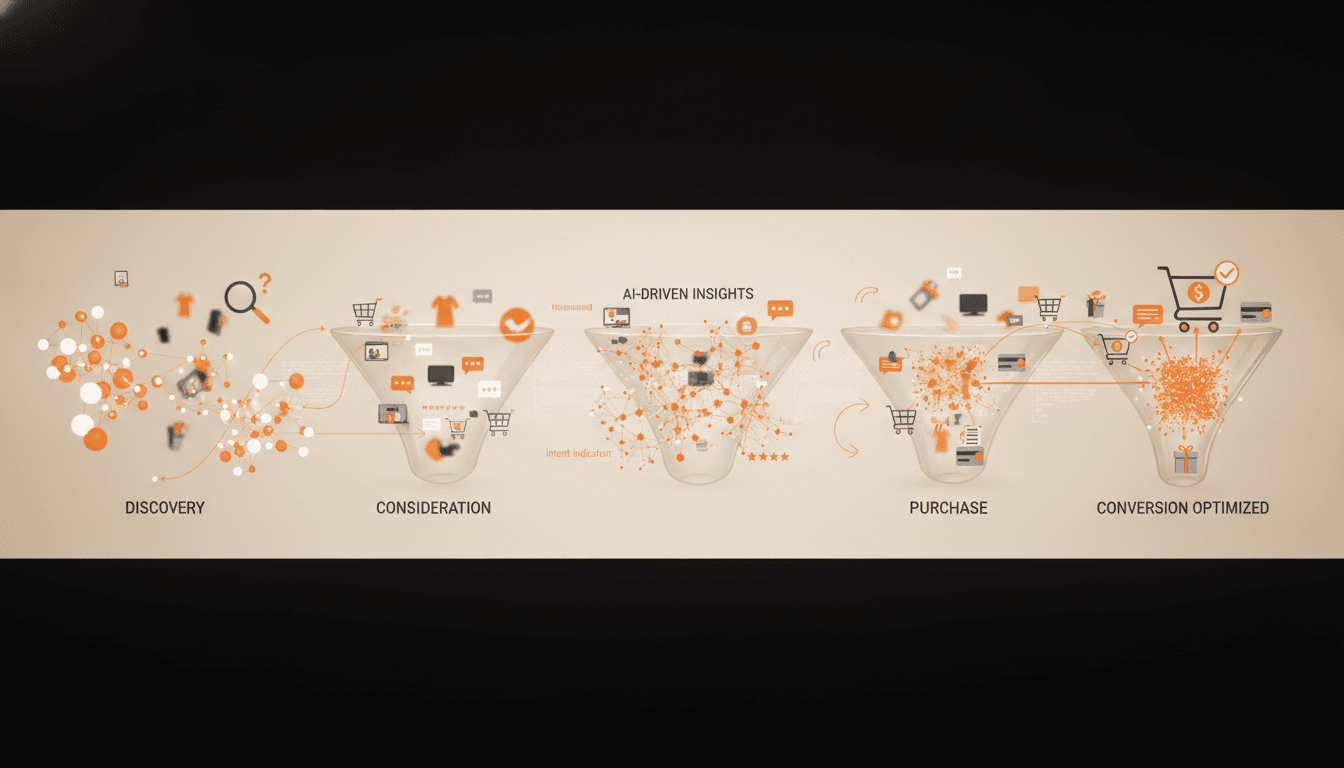
[IMG: Visualization of funnel stages highlighting medium-intent research phase]
Structuring Product Feeds for Optimal AI Search Engine Parsing
AI-driven product discovery hinges on the quality and structure of your product feed. Brands that invest in detailed, intent-aligned product feeds reap measurable benefits: Gartner’s Retail AI Report 2024 found that well-structured product feeds can increase AI discoverability by 35%.
To maximize impact, follow these key strategies:
1. Incorporate Rich Product Attributes
AI shopping assistants rely on product feeds packed with detailed information to answer nuanced, medium-intent queries. Make sure your feeds include:
- Comprehensive product titles and precise SKUs
- Detailed attribute fields such as material, dimensions, color, and compatibility
- Use-case driven descriptors like “ideal for small kitchens” or “suitable for gamers”
- Up-to-date pricing and stock availability
For instance, a blender’s feed entry should specify not only wattage but also features like “BPA-free,” “dishwasher safe,” and “best for smoothies.” Jessica Lee, VP of Digital Strategy at Gartner, observes: “Medium-intent shoppers are the engine room of e-commerce growth in the AI era. Brands that structure their feeds and content for generative discovery gain a critical edge.”
2. Use Detailed, Natural Language Descriptions
AI engines perform best when product descriptions reflect how real shoppers phrase their questions. Enrich each product listing with natural language content, such as:
- “This jacket is water-resistant, lightweight, and ideal for fall weather.”
- “Perfect for families, this air fryer can cook up to six servings at once.”
Consistent, human-centered language improves alignment with AI queries, increasing the likelihood your products will be recommended.
3. Apply Schema Markup Consistently
Schema markup helps AI platforms interpret your product data correctly. Use standard vocabularies such as Schema.org’s Product markup to tag:
- Product name, images, brand, and aggregate ratings
- Pricing, availability, and shipping details
- Rich snippets for reviews and FAQs
This structured data boosts the chances your products appear in AI-powered comparison outputs and buyer guides. Google Search Central confirms: “AI search engines prioritize up-to-date, structured, and schema-rich content that signals intent alignment.”
4. Maintain Feed Freshness and Compliance
AI search algorithms evolve rapidly. To sustain strong performance:
- Schedule regular feed updates (at least weekly) to reflect price changes, stock status, and new attributes
- Monitor compliance with the latest AI schema and platform guidelines
- Test feeds across multiple AI shopping assistants to ensure consistent parsing
Staying aligned with AI standards guarantees your products remain visible and competitive. Brian Dean, Founder of Backlinko, notes: “Generative AI search is rewriting the rules of product discovery. Structured, intent-aligned content now determines who gets recommended at the crucial research stage.”
5. Key Takeaways for Product Feed Optimization
- Rich, detailed attributes enable AI engines to match your products to complex shopper queries
- Natural language descriptions align with AI parsing logic and modern search intent
- Schema markup and feed freshness are vital for ongoing visibility
By investing in comprehensive feed structuring, brands lay the foundation for maximum AI-driven product discoverability and engagement with medium-intent shoppers.
[IMG: Screenshot of a well-structured e-commerce product feed with schema markup]
Content Types That Drive Engagement for Medium-Intent AI Queries
Winning the AI-powered e-commerce race requires more than just structured data. Brands must also craft content tailored to how AI interprets and surfaces information for medium-intent shopper queries.
Content formats that resonate strongly with medium-intent shoppers and AI engines include:
1. Buying Guides for the Consideration Phase
Medium-intent shoppers seek guidance to navigate their options. Buying guides that address comparisons, features, and suitability perform exceptionally well. Examples include:
- “Ultimate Guide: Choosing the Right Wireless Earbuds for Fitness Enthusiasts”
- “What to Look for in Ergonomic Office Chairs: 2024 Comparison”
Effective guides feature:
- Clear explanations of product categories and differentiators
- Pros and cons summaries
- Use-case scenarios and tailored recommendations
Moz’s Generative Engine Optimization 2024 report highlights buying guides and top-10 lists as among the most frequently surfaced content types by AI for medium-intent queries.
2. Comparison Tables and Expert Lists
AI-generated search results often emphasize side-by-side comparisons and curated lists. Enhance your content with:
- Comparison tables detailing specs, features, and value-for-money ratings
- Expert-curated “Best Of” lists, such as “Top 10 Blenders for Smoothies”
- Visual cues like icons or star ratings to facilitate quick decisions
[IMG: Example comparison table for “best wireless earbuds under $100”]
Comparison content allows shoppers to evaluate options at a glance—precisely what medium-intent queries demand.
3. User-Generated Content: Reviews and Q&A
Generative AI platforms increasingly incorporate user reviews, Q&A, and other social proof into their recommendations. McKinsey Digital E-commerce Insights underscores that dynamic attributes and user-generated content (UGC) are now integral to AI-driven product discovery.
Leverage UGC by:
- Showcasing verified customer reviews, including star ratings and detailed feedback
- Integrating Q&A sections that address common product questions
- Highlighting user photos or videos when possible
UGC not only builds trust but also provides AI with rich, diverse context—boosting your chances of appearing in generative search outputs.
4. Multimedia Assets: Images and Videos
Multimodal content is gaining favor with AI search engines. Including high-quality images and explainer videos can:
- Enhance content relevance and shopper engagement
- Provide additional context for AI interpretation
- Showcase product features, unboxing experiences, or real-life use cases
For example, a brief video demonstrating how a smart coffee maker operates can help your product stand out in AI-driven recommendations.
5. Intent-Aligned Blog Content
Maintain an active blog that tackles trending medium-intent questions and seasonal buying themes. Sample topics include:
- “How to Choose the Best Air Purifier for Allergies”
- “Comparing Smart Home Assistants: Alexa vs Google Home in 2024”
Regularly update content to reflect new products, technologies, and customer concerns.
6. Key Best Practices
- Map every content type to specific medium-intent queries and buyer personas
- Use clear, natural language mirroring shopper phrasing
- Blend data-driven insights (e.g., comparison tables) with human stories (e.g., testimonials)
Looking forward, brands prioritizing intent-aligned, multimedia content will command a larger share of AI-driven product discovery and consideration.
Ready to boost your e-commerce brand’s AI discoverability and capture medium-intent shoppers? Book a free 30-minute strategy session with Hexagon’s AI marketing experts today: https://calendly.com/ramon-joinhexagon/30min
[IMG: Collage of buying guides, comparison tables, reviews, and product demo videos]
Integrating GEO Into Broader Digital Marketing and SEO Strategies
Generative Engine Optimization (GEO) is not a standalone tactic. When seamlessly integrated with traditional SEO and paid marketing, GEO amplifies a brand’s presence throughout the entire digital funnel.
Here’s how GEO complements existing strategies:
- SEO Synergy: GEO enhances traditional SEO by optimizing for the way AI engines parse and recommend content. Structured feeds and medium-intent content boost visibility not only in AI assistants but also in organic search results.
- Paid Search Alignment: Use GEO insights to refine paid search targeting—especially for mid-funnel shoppers comparing products. Medium-intent keywords and content can fuel paid campaigns aimed at capturing high-conversion intent.
- Editorial Content Harmony: Ensure product feed data aligns with blog posts, buying guides, and landing pages. Consistency across structured data and editorial assets signals authority and improves AI ranking potential.
For example, a brand selling air purifiers should align its product feed, buying guide, and Google Shopping ads to emphasize the same features, benefits, and reviews. This unified approach increases the likelihood AI assistants and search engines surface the brand during critical consideration moments.
A holistic GEO strategy delivers key benefits:
- Greater discoverability across AI assistants, search engines, and shopping platforms
- More efficient mid-funnel capture by aligning product data and content with shopper intent
- Sustained growth as AI continues reshaping the e-commerce landscape
Rand Fishkin, CEO of SparkToro, sums it up: “Optimizing for AI-generated recommendations is now as vital as traditional SEO for e-commerce brands seeking sustained growth.”
Looking ahead, brands that fully integrate GEO into their digital marketing blueprint will set the standard for AI-era product discovery and conversion.
[IMG: Flowchart showing integration of GEO, SEO, and paid media in the e-commerce funnel]
Monitoring, Measuring, and Refining GEO Strategies for Medium-Intent Success
Implementing GEO is just the beginning. Continuous monitoring and agile refinement are essential to capitalize on evolving AI algorithms and shifting shopper behaviors.
Here’s how leading brands ensure ongoing GEO success:
1. Track AI-Generated Recommendation Rates
Measure how often your products appear in AI-generated outputs such as buyer guides, comparison lists, and conversational answers. Hexagon’s 2024 E-commerce AI Study shows that brands applying GEO strategies see a 28% increase in AI-generated recommendations.
- Use analytics tools that track referral sources from major AI assistants
- Benchmark your recommendation rates against competitors and industry averages
2. Analyze AI-Driven Traffic and Mid-Funnel Engagement
Evaluate the quality and volume of traffic coming from AI platforms. Important metrics include:
- Time on site and page views per session for AI-referred visitors
- Conversion rates tied to medium-intent queries
- Engagement with comparison tables, guides, and UGC sections
Use these insights to optimize product feeds and content assets. For instance, if a specific buying guide consistently attracts high engagement from AI users, consider expanding that format to other product categories.
3. Stay Ahead of AI Algorithm Changes
AI search engines frequently update their parsing and ranking criteria. To maintain top performance:
- Subscribe to industry updates from sources like Google Search Central
- Adapt schema markup and content formats as changes emerge
- Test new AI shopping assistants and monitor shifts in recommendation logic
4. Refine Product Feeds and Content Iteratively
Data-driven refinement is critical. Use shopper behavior analytics and recommendation trends to:
- Update product attributes and descriptions for better intent alignment
- Expand or reformat high-performing content types
- Retire underperforming assets and experiment with new multimedia formats
Jessica Lee of Gartner emphasizes, “Brands that structure their feeds and content for generative discovery gain a critical edge.”
5. Key Takeaways for Ongoing GEO Optimization
- Track AI recommendations and traffic to identify your best-performing GEO tactics
- Leverage analytics to refine product feeds and content for sustained engagement
- Stay agile and responsive to AI algorithm updates
With the right monitoring and refinement processes, brands can continuously enhance their GEO performance and outpace competitors.
[IMG: Dashboard visualization of AI-generated recommendation rates and traffic analytics]
Actionable Steps to Unlock Medium-Intent GEO Opportunities in 2024
General e-commerce brands can seize medium-intent GEO opportunities by following a clear, actionable roadmap. Here’s how to start strong and maintain momentum in the AI-driven marketplace:
1. Key GEO Tactics for Capturing Medium-Intent Shoppers
- Identify high-value medium-intent queries in your product categories using AI-powered keyword research tools
- Structure product feeds with rich, natural language attributes and up-to-date schema markup
- Develop content assets such as buying guides, comparison tables, and expert lists tailored to consideration-phase shoppers
- Leverage UGC and multimedia to enrich content and support AI interpretation
- Align GEO with SEO and paid marketing to maximize mid-funnel capture and boost brand visibility
2. Product Feed & Content Development Checklist
- [ ] Comprehensive product attribute fields and detailed natural language descriptions
- [ ] Consistent application of Schema.org markup across all product pages
- [ ] Buying guides and comparison content mapped to top medium-intent queries
- [ ] Integration of verified reviews, Q&A, and user images/videos
- [ ] Regular feed and content audits to ensure freshness and compliance with AI guidelines
- [ ] Analytics setup to monitor AI-generated traffic, recommendations, and engagement
3. Integration and Next Steps
- Embed GEO processes into your overall e-commerce marketing strategy
- Foster collaboration between product, content, and digital marketing teams
- Invest in ongoing GEO training to stay ahead of evolving AI trends
With 48% of e-commerce buyers now using AI tools during product research (Statista), the time to adapt and lead is now. Brands that commit to GEO in 2024 will capture more high-intent shoppers and drive measurable growth.
Looking forward, those who act decisively will define the future of AI-powered e-commerce.
Ready to boost your e-commerce brand’s AI discoverability and capture medium-intent shoppers? Book a free 30-minute strategy session with Hexagon’s AI marketing experts today: https://calendly.com/ramon-joinhexagon/30min
[IMG: Team of e-commerce marketers collaborating on GEO strategy with AI analytics on screen]
Unlock medium-intent GEO for your brand, and set the pace for e-commerce growth in the AI era with Hexagon.
Hexagon Team
Published April 13, 2026