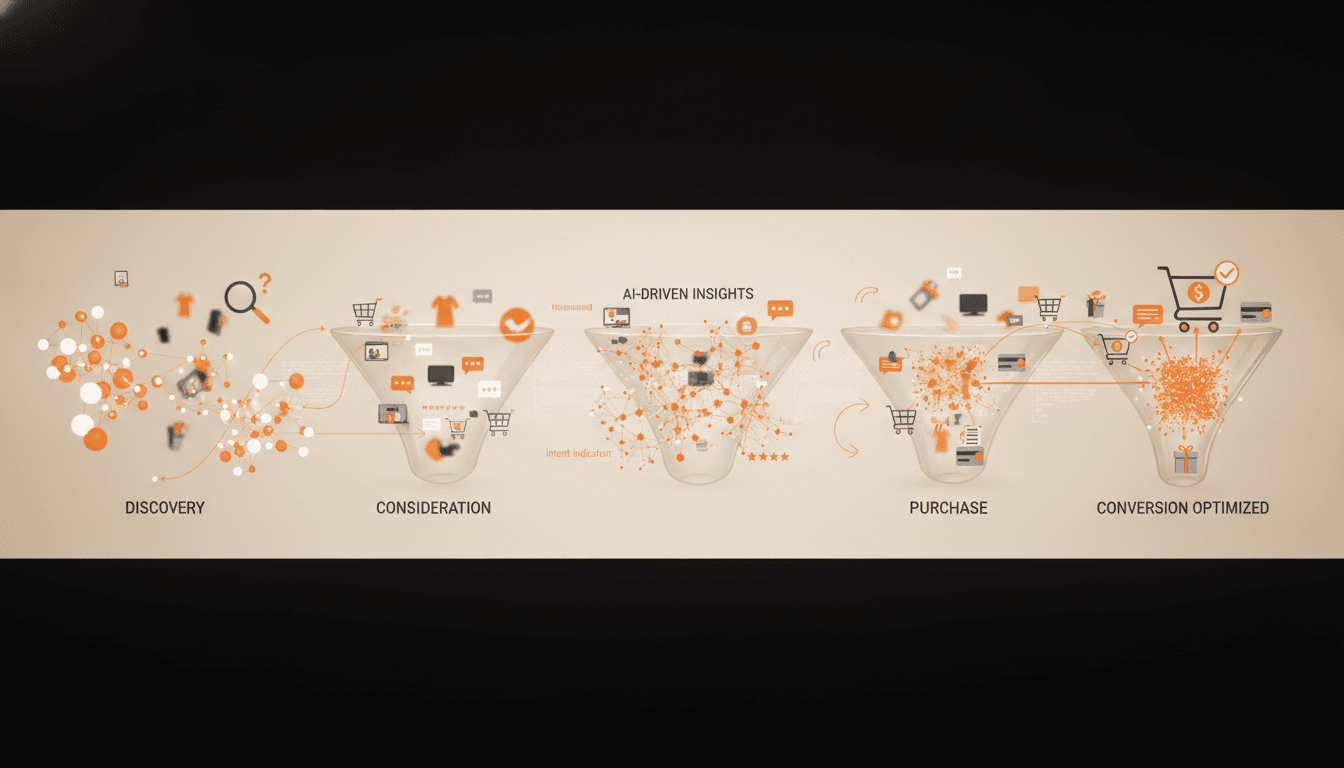
Unlocking Medium-Intent GEO Strategies for Emerging Beauty Brands in 2024
As AI-powered search engines redefine beauty shopping, emerging brands face a pivotal opportunity. Discover how medium-intent Generative Engine Optimization (GEO) strategies can capture research-driven shoppers, boost AI visibility, and drive conversions in 2024.
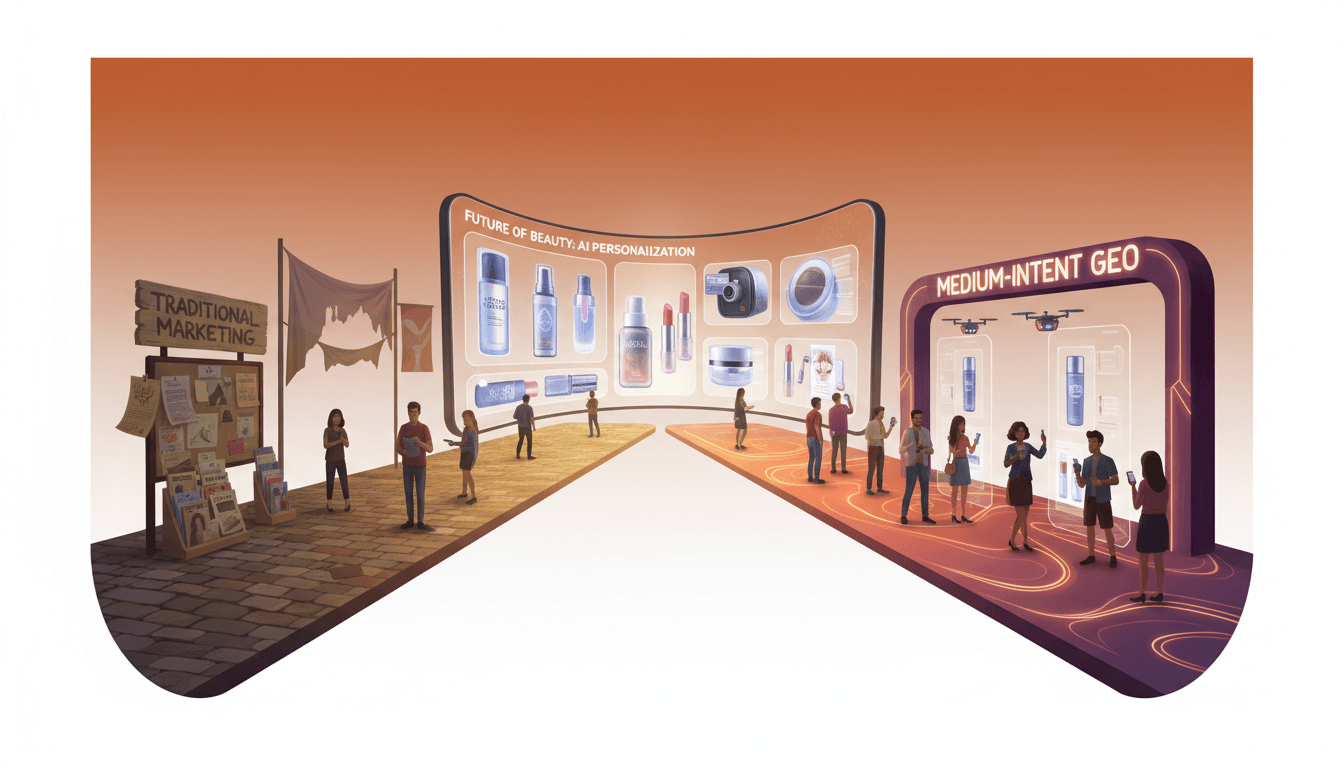
Unlocking Medium-Intent GEO Strategies for Emerging Beauty Brands in 2024
As AI-powered search engines revolutionize the beauty shopping experience, emerging brands stand at a crucial crossroads. Discover how mastering medium-intent Generative Engine Optimization (GEO) strategies can help you capture research-driven shoppers, amplify AI visibility, and boost conversions throughout 2024.
[IMG: AI-powered beauty shopper on mobile, comparing products]
With a striking 62% of beauty shoppers now consulting AI-powered search engines during their product research, emerging beauty brands have an unprecedented chance to engage consumers precisely at the critical medium-intent stage. By unlocking medium-intent Generative Engine Optimization (GEO) strategies, brands can significantly enhance AI search visibility and conversion rates in 2024. This comprehensive guide reveals how to optimize your content, target the most impactful AI search queries, and outshine competitors by harnessing the latest AI marketing innovations.
Ready to elevate your beauty brand’s AI search presence using proven medium-intent GEO strategies? Book a free 30-minute consultation with Hexagon’s AI marketing experts today.
Understanding Medium-Intent GEO and Its Importance for Beauty Brands
As AI continues to reshape the beauty industry landscape, Generative Engine Optimization (GEO) has emerged as an essential discipline. Medium-intent GEO specifically targets shoppers who are actively researching and comparing products but have yet to make a final purchase decision. It serves as the crucial bridge between low-intent (general informational) and high-intent (ready-to-buy) search behaviors.
Unlike high-intent strategies that focus on transactional queries such as “buy vitamin C serum online,” medium-intent GEO zeroes in on shoppers typing queries like “best vitamin C serum for sensitive skin” or “vitamin C serum vs retinol.” These consumers are evaluating options, seeking ingredient transparency, and weighing expert opinions. As Allison Reardon, Head of E-commerce Strategy at L’Oréal, emphasizes, “Winning the AI search game in beauty means answering questions shoppers haven’t even thought to ask yet—comparison, ingredient transparency, and authentic reviews have become the new SEO currency.”
The beauty sector is undergoing a seismic transformation:
- 62% of beauty shoppers consult AI-powered search engines during product research (NielsenIQ Beauty Shopper Insights).
- 28% of referral traffic to beauty e-commerce sites now originates from AI assistants (SimilarWeb Beauty Sector Analysis Q1 2024).
These statistics underscore the critical importance of targeting the research phase, where the right GEO strategies can elevate emerging brands above well-established competitors. Today’s beauty shoppers expect more than just product listings—they demand detailed ingredient breakdowns, comparison guides, and trustworthy reviews. These are precisely the elements that AI engines prefer to recommend.
[IMG: Illustration of the shopper’s journey from awareness to decision, highlighting the medium-intent research stage]
Decoding Medium-Intent AI Shopper Behavior in the Beauty Industry
To craft effective GEO strategies, brands must first understand the nuances of medium-intent AI shopper behavior. These consumers are neither casually browsing nor ready to make an immediate purchase—they are deeply engaged in a research-intensive phase, evaluating their options and seeking reassurance before committing.
Medium-intent beauty shoppers exhibit distinctive search patterns:
- They use 2.7 times more descriptive and comparative queries than high-intent shoppers (Think with Google: Beauty Trends 2024).
- Their queries often contain phrases like “best for,” “safe for sensitive skin,” and “ingredients in.”
- Their typical questions focus on suitability for specific skin types, ingredient safety, and product comparisons.
For instance, a medium-intent shopper might search, “Is hyaluronic acid safe for oily skin?” or “Vitamin C serum vs niacinamide for dark spots.” Such queries highlight their need for in-depth education and credible recommendations.
At this stage, shoppers prioritize:
- Ingredient transparency and safety: They want to understand product contents and whether these suit their individual needs.
- Product comparisons: Side-by-side evaluations like “best cruelty-free moisturizer vs drugstore brands” help narrow choices.
- Suitability for specific concerns: Queries such as “best fragrance-free cleanser for eczema” are common.
According to Statista, 41% of online beauty shoppers say AI-powered recommendations influenced their final product choice (Statista: Beauty E-Commerce & AI 2024). Dr. Priya Malhotra, Director of Digital Innovation at Ulta Beauty, explains, “Medium-intent shoppers seek confidence and clarity. Brands that deliver detailed, trustworthy education win favor from both AI assistants and consumers.”
Crafting Content for AI Search Optimization During the Research Phase
Winning at medium-intent GEO requires beauty brands to develop content that aligns perfectly with AI-driven research behaviors. Generative engines like ChatGPT, Perplexity, and Claude increasingly prioritize expert-backed, well-structured content in their recommendations (OpenAI Developer Documentation). Here’s how to design content that maximizes AI visibility and shopper engagement.
Content Structuring Tactics
- FAQs: Address common research queries such as “Is retinol safe for sensitive skin?” or “How does vitamin C serum compare to niacinamide?”
- Ingredient Explainers: Offer detailed yet accessible breakdowns of key ingredients, their benefits, and potential side effects.
- Comparison Guides: Create side-by-side product comparisons (e.g., “Vitamin C serum vs retinol”) to assist shoppers in evaluating options.
- How-to-Use Content: Provide step-by-step instructions for product application, layering, and skincare routines tailored to specific skin types.
[IMG: Screenshot of a beauty brand’s FAQ, ingredient explainer, and product comparison guide]
Semantic and Natural Language Content
Modern AI search engines favor natural, conversational language and semantically rich content. Brands should:
- Use question-based headings paired with clear answer formats.
- Incorporate real customer questions alongside expert responses.
- Highlight practical use cases and scenarios that reflect research-phase intent.
Recommended Content Formats
- Expert Reviews: Incorporate dermatologist or influencer insights to build trust.
- Structured FAQs: Increase the chances of being cited by AI engines (Moz: AI Search Optimization for E-commerce).
- Ingredient Transparency: Utilize tables or infographics to visually present ingredient lists.
- Comparison Tables: Clearly illustrate differences between products or brands.
Beauty brands adopting GEO strategies have recorded a 35% increase in AI search visibility (Hexagon Internal Data). Detailed FAQs and comparison content not only boost AI-driven referral traffic but also position brands as authoritative voices within the beauty landscape.
As James Chen, Founder of Hexagon, states, “Generative Engine Optimization is about structuring your expertise for both machines and people. The brands that succeed anticipate research-phase queries and craft content accordingly.”
Identifying and Targeting Medium-Intent Keywords for Beauty Brands
Successful medium-intent GEO begins with precise keyword research aimed at capturing shoppers in the evaluation and consideration stage, focusing on conversational, comparative, and problem-solution queries.
Recommended Keyword Themes
- Comparison Keywords: ‘vs’, ‘compare’, ‘difference between’, e.g., “retinol vs bakuchiol for wrinkles.”
- Suitability Keywords: ‘best for’, ‘safe for’, ‘good for’, e.g., “best moisturizer for oily skin.”
- Ingredient-focused Queries: ‘ingredients in’, ‘does [product] contain’, e.g., “ingredients in CeraVe cleanser.”
- Safety and Sensitivity: ‘safe for sensitive skin’, ‘allergy tested’, ‘fragrance-free.’
How to Research and Implement Medium-Intent AI Keywords
- Analyze AI Chat Logs: Examine the types of questions and phrases users input into generative engines.
- Leverage AI Keyword Tools: Utilize platforms that surface question-based and long-tail queries (e.g., SEMrush, Ahrefs, AlsoAsked).
- Study Competitor Content: Identify gaps and opportunities within the comparison and explainer content offered by leading brands.
Importance of Conversational and Question-Based Keywords
Generative engines prioritize content that directly and naturally answers user questions. Brands should:
- Structure content around authentic queries like “Is this serum safe during pregnancy?” or “Which moisturizer is best for combination skin?”
- Implement schema markup for FAQs, reviews, and how-to posts to enhance machine readability.
[IMG: Keyword research dashboard highlighting medium-intent query trends]
Competitive Analysis for Staying Ahead in Generative AI Search Results
To maintain leadership in generative AI search, brands must commit to ongoing competitive analysis and strategic content refinement. Understanding not only which keywords competitors target but also how they structure content for AI visibility is crucial.
Methods to Monitor Competitors’ GEO Performance
- Track AI SERP Rankings: Use tools that monitor AI-generated search result placements for your target queries.
- Analyze Content Types: Evaluate competitors’ FAQs, comparison guides, and ingredient explainers for depth and quality.
- Identify Content Gaps: Pinpoint where competitors lack research-phase content and seize those opportunities.
Tools and Approaches
- AI SERP Monitoring Platforms: Track shifts in generative engine results over time.
- Content Performance Analytics: Assess referral traffic from AI assistants via analytics platforms.
- Market Intelligence Reports: Use sector-specific insights to anticipate evolving AI search trends.
Ongoing optimization is vital. Brands that actively monitor and adapt to changes in AI-generated results maintain a higher share-of-voice in generative SERPs (Forrester: The 2024 AI Search Landscape). By adjusting keyword focus, updating content, and responding to emerging queries, brands ensure sustained AI visibility.
[IMG: Competitive analysis report comparing AI SERP positions for beauty brands]
Measuring Success: Key Metrics for Medium-Intent GEO in Beauty Marketing
To fully capitalize on medium-intent GEO, beauty brands must measure and optimize key performance indicators that reflect their effectiveness in AI search.
Success Metrics for AI Search Optimization
- AI Search Visibility: Monitor how frequently your content appears in generative engine results for target queries.
- Referral Traffic from AI Assistants: Track the proportion of site visits originating from AI-powered search platforms.
- Conversion Rates Influenced by AI Recommendations: Analyze how many purchases result from users interacting with AI-suggested content.
With 28% of referral traffic to beauty e-commerce sites coming from AI assistants (SimilarWeb Beauty Sector Analysis Q1 2024) and 41% of online beauty shoppers influenced by AI-powered recommendations in their purchase decisions (Statista: Beauty E-Commerce & AI 2024), these metrics highlight AI’s growing role in shaping beauty shopping journeys.
Tracking and Analyzing KPIs
- Set up analytics dashboards to segment and monitor AI-driven traffic.
- Attribute conversions to AI touchpoints using UTM parameters and post-purchase surveys.
- Benchmark against competitors to identify areas for improvement.
Impact on Overall Marketing ROI
Medium-intent GEO strategies do more than boost AI visibility—they enhance brand authority, customer engagement, and long-term loyalty. For emerging beauty brands, tracking these KPIs delivers actionable insights that fuel continuous improvement and maximize marketing ROI.
Case Studies: Emerging Beauty Brands Winning with Medium-Intent GEO
Several emerging beauty brands have already harnessed medium-intent GEO strategies to achieve remarkable results. These case studies offer practical insights and measurable outcomes.
Case Study 1: GlowTheory
GlowTheory, a clean skincare startup, implemented a robust FAQ section addressing ingredient safety and product comparisons. By targeting queries like “best retinol alternative for sensitive skin” and “cleanser vs micellar water benefits,” they:
- Increased AI search visibility by 38% within three months.
- Experienced a 22% boost in referral traffic from AI-powered search assistants.
- Improved conversion rates among first-time site visitors.
Case Study 2: Botanica Beauty
Botanica Beauty concentrated on ingredient explainers and comparison guides, incorporating expert reviews and dermatologist Q&As. Their content, such as “Vitamin C serum vs hyaluronic acid: Which is best for dry skin?” ranked prominently in AI-generated lists, resulting in:
- Doubling their organic share-of-voice for top research queries.
- Higher engagement rates on educational blog content.
- A 19% increase in repeat purchases attributed to AI-driven recommendations.
Key Takeaways
- Address research-phase queries with structured, expert-led content.
- Prioritize comparison and suitability topics favored by AI engines.
- Continuously monitor AI SERP trends and user feedback to refine strategies.
[IMG: Before-and-after chart showing increased AI visibility and traffic for an emerging beauty brand]
Step-by-Step Action Plan to Implement Medium-Intent GEO Strategies in 2024
Emerging beauty brands can unlock the full potential of medium-intent GEO by following this practical, step-by-step roadmap:
1. Conduct Medium-Intent Keyword Research
- Identify high-value, research-focused queries using AI keyword tools.
- Analyze customer questions, chat logs, and competitor content to uncover trending topics.
- Prioritize long-tail, comparison, and problem-solution keywords.
2. Develop AI-Optimized Content
- Create structured FAQs, ingredient explainers, and comparison guides.
- Use conversational, natural language that mirrors AI shopper queries.
- Incorporate expert reviews, dermatologist Q&As, and genuine customer testimonials.
3. Implement Technical SEO and Schema Markup
- Add FAQ, review, and how-to schema to enhance machine readability.
- Ensure site speed, mobile optimization, and accessibility standards are fully met.
4. Monitor Competitive Landscape
- Track AI SERP rankings and competitor content updates.
- Identify content gaps and pivot your focus to seize emerging opportunities.
5. Track Performance and Refine Strategies
- Establish analytics dashboards to monitor AI search visibility and referral traffic.
- Attribute conversions to AI-driven touchpoints.
- Update content regularly based on new trends and shifts in AI-generated results.
6. Iterate and Optimize
- Refresh FAQs and comparison content frequently.
- Engage with users to gather feedback and address new research queries.
- Stay informed on the latest AI search algorithm updates.
Brands that follow this action plan will be well-positioned to capture the attention—and loyalty—of research-driven beauty shoppers. Partnering with Hexagon’s AI marketing experts can accelerate your success and deliver customized GEO strategies tailored to your brand’s unique goals.
Ready to put your beauty brand at the forefront of AI-powered search? Book a free 30-minute consultation with Hexagon’s AI marketing experts today.
[IMG: Step-by-step action plan infographic tailored for beauty brands]
Conclusion
AI-powered search is fundamentally transforming how consumers discover, research, and purchase beauty products. Medium-intent GEO strategies empower emerging brands to engage shoppers at the pivotal research phase—where trust, transparency, and expertise drive conversion. By optimizing for the queries that matter, crafting engaging and well-structured content, and remaining agile amid evolving AI search trends, beauty brands can secure a lasting competitive advantage in 2024 and beyond.
For brands ready to outpace competitors and maximize AI-driven growth, Hexagon’s expert team is here to help. Book your free 30-minute consultation and unlock the full potential of medium-intent GEO for your beauty brand: https://calendly.com/ramon-joinhexagon/30min
[IMG: Confident beauty brand team meeting with Hexagon AI marketing consultants]
Hexagon Team
Published April 17, 2026