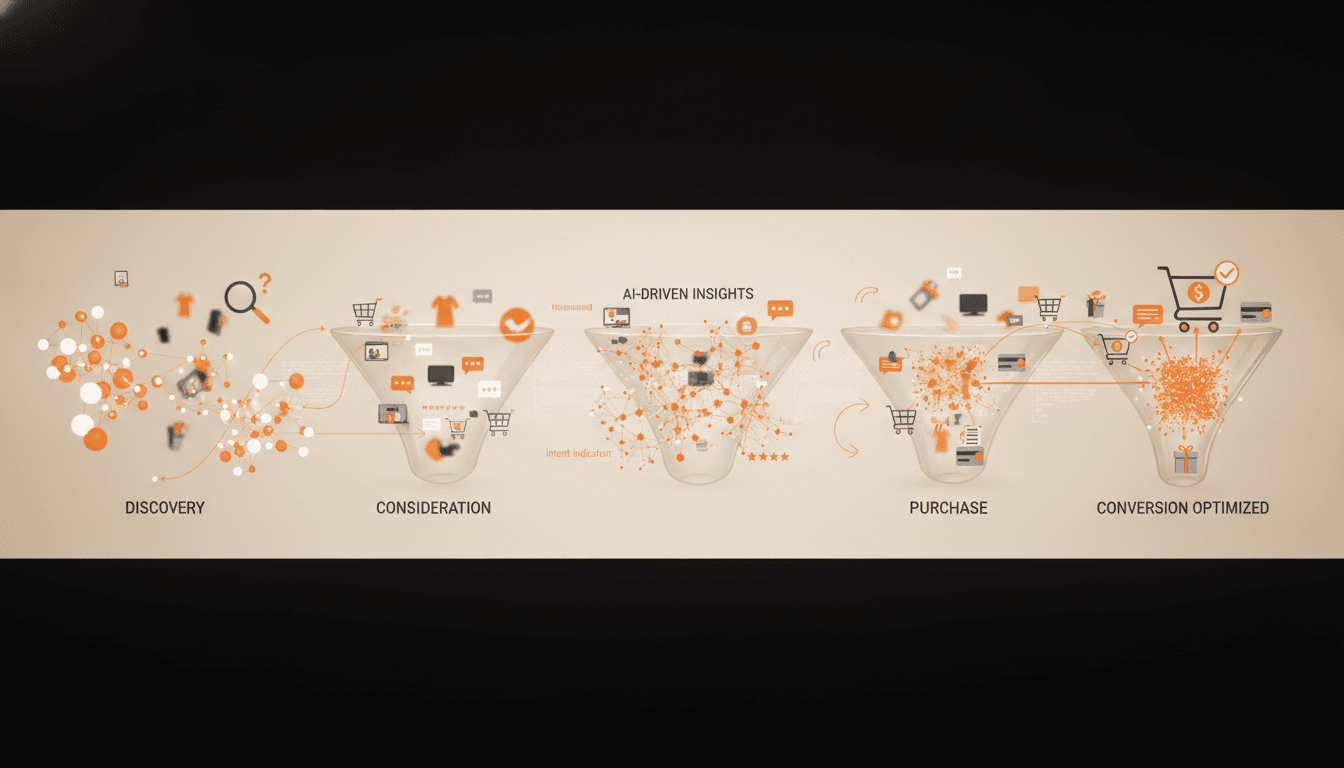
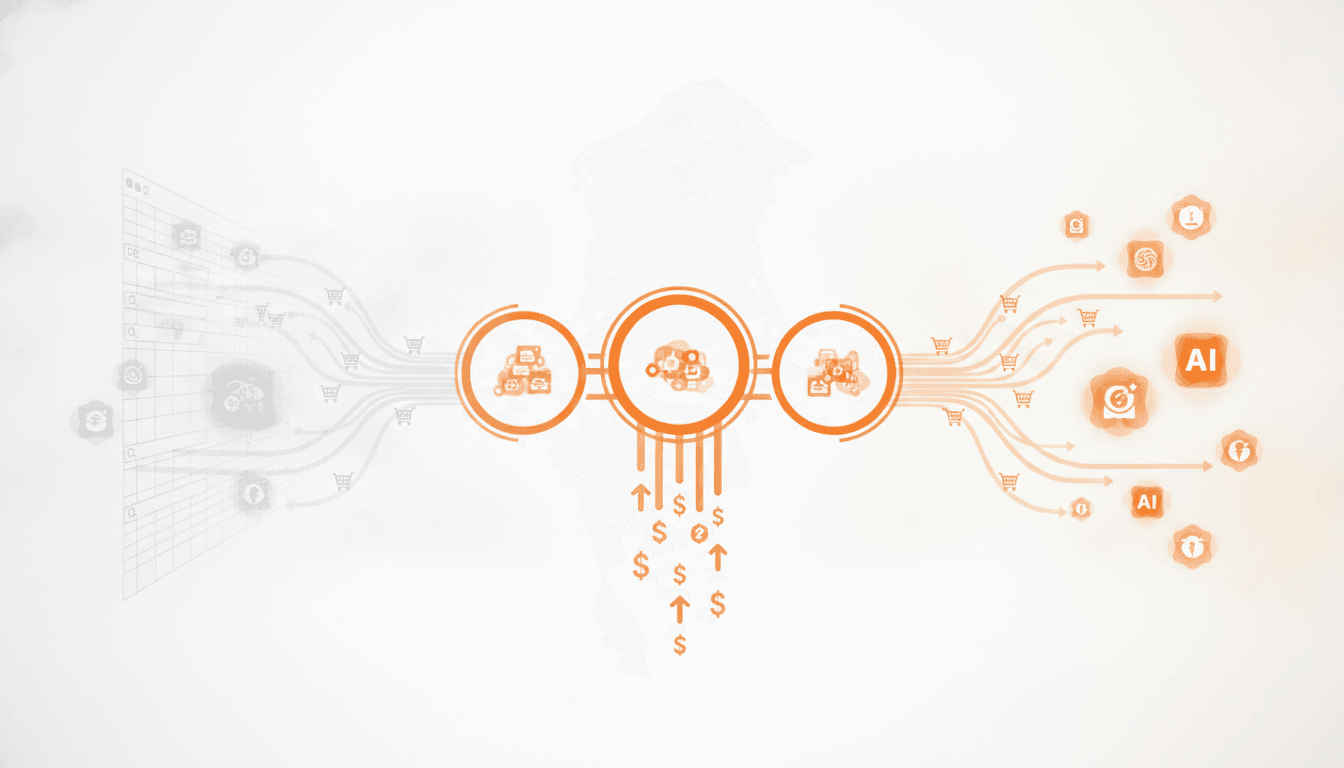
Unlocking High-Intent AI Shopper Traffic with Hexagon’s GEO Platform: The Ultimate Guide
As AI-powered search transforms e-commerce, high-intent shopper traffic is the new growth engine. Discover how Hexagon’s GEO platform unlocks AI-driven discovery and boosts sales with real-time, intelligent product feed optimization.
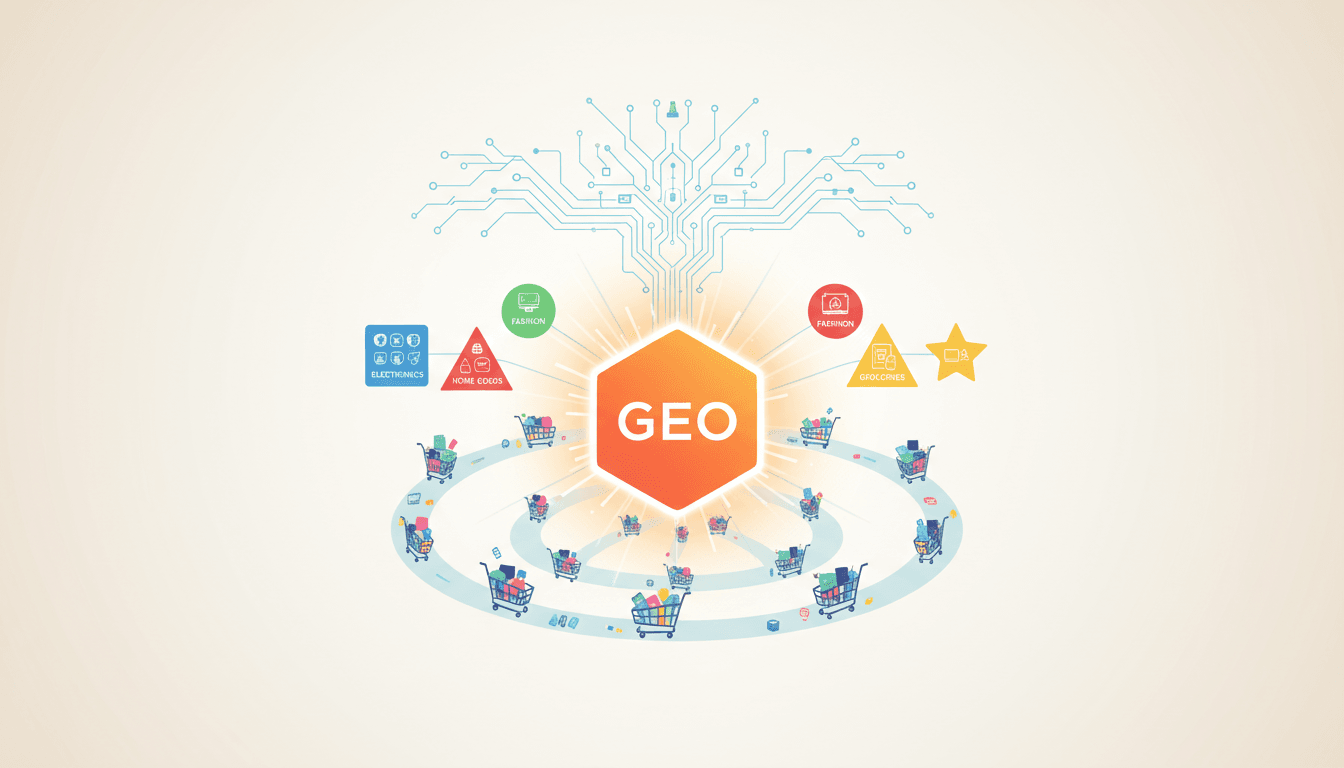
Unlocking High-Intent AI Shopper Traffic with Hexagon’s GEO Platform: The Ultimate Guide
As AI-powered search revolutionizes e-commerce, high-intent shopper traffic emerges as the new engine for growth. Discover how Hexagon’s GEO platform unlocks AI-driven discovery and supercharges sales through real-time, intelligent product feed optimization.
[IMG: Illustration of AI assistants interacting with online shoppers across devices]
Did you know that 70% of online shoppers start their product discovery journey using AI assistants or AI-powered search engines? This seismic shift in consumer behavior is reshaping how people find and purchase products online. For e-commerce brands aiming to scale, capturing this high-intent AI shopper traffic isn’t just advantageous—it’s essential. In this comprehensive guide, you’ll explore how Hexagon’s GEO platform enables you to tap into this valuable AI-driven traffic, transforming your product discovery process and accelerating sales like never before.
Ready to unlock high-intent AI shopper traffic and accelerate your e-commerce growth? Book a personalized 30-minute strategy session with Hexagon today.
The Rise of High-Intent AI Shopper Traffic and Why It Matters for E-commerce
E-commerce is entering a new era, propelled by the rapid adoption of AI-powered search and conversational assistants. High-intent AI shoppers—those actively seeking products through intelligent platforms—are redefining digital commerce as we know it.
Key traits of high-intent AI shoppers include:
- Interacting with AI-driven assistants such as ChatGPT, Perplexity, or Claude for tailored product recommendations
- Expecting personalized, relevant, and immediate suggestions
- Exhibiting clear purchase signals through their queries and behavior
According to the Salesforce Shopping Index, 70% of online shoppers now initiate product discovery via AI assistants or AI-powered search engines. This is no passing trend; it represents a fundamental shift in shopping behavior.
[IMG: Visual chart showing growth of AI-powered product discovery over time]
AI-powered discovery is transforming consumer habits. Advanced language models and machine learning enable platforms to grasp shopper intent, context, and preferences in real time. For instance, 60% of Gen Z shoppers rely on conversational AI for purchase decisions—a number poised to climb as this digital-native generation becomes the dominant consumer segment (Forrester Consumer Tech Survey).
Why should brands care? The answer lies in performance: AI search recommendations generate 30% higher conversion rates than traditional keyword-based searches (McKinsey & Company). AI’s ability to deliver the right product at the precise moment, tailored to each shopper’s intent, translates directly into increased revenues and market share.
As Sucharita Kodali, Principal Analyst at Forrester, observes, “AI-powered product discovery is redefining the e-commerce funnel. Brands that optimize for conversational search capture intent at a significantly higher rate.”
In today’s marketplace, capturing high-intent AI shopper traffic is no longer optional—it’s the new competitive edge for brands seeking sustainable growth and customer loyalty.
How AI Search Engines Identify and Capture Ready-to-Buy Consumers
Modern AI search engines and conversational assistants excel at delivering highly relevant, purchase-ready recommendations. Behind the scenes, sophisticated technology leverages vast datasets and advanced algorithms to decode shopper intent with remarkable precision.
Here’s how AI search engines pinpoint and engage ready-to-buy consumers:
- Analyzing natural language queries to detect explicit and implicit purchase intent signals
- Utilizing structured data from product feeds, customer reviews, and behavioral analytics
- Matching shopper profiles and preferences to the most relevant products in real time
AI-powered shopping assistants now account for approximately 35% of product recommendation traffic among top e-commerce brands (Insider Intelligence). These platforms integrate:
- Rich product metadata such as attributes, tags, and reviews
- Behavioral signals including clicks, time spent on pages, and add-to-cart events
- Contextual cues like location, time of day, and device type
For example, when a shopper asks, “What’s the best waterproof running shoe for winter?” generative AI platforms like ChatGPT instantly analyze the shopper’s intent, past purchases, and product features to surface the most relevant SKUs. Brian Walker, Chief Strategy Officer at Bloomreach, explains, “Generative AI platforms like ChatGPT not only influence what consumers discover—they shape what they ultimately buy.”
[IMG: Diagram of AI search engine parsing consumer queries and matching products]
Intent is the cornerstone. AI search engines leverage advanced intent signals—detailed product descriptions, structured reviews, and rich attributes—to identify consumers ready to purchase (Harvard Business Review). The payoff? Higher conversion rates, increased average order values, and a seamless journey from discovery to purchase.
Leading brands have already realized these benefits. By prioritizing AI-optimized product data and aligning with conversational search trends, they capture a larger share of high-intent shoppers—leaving competitors relying on traditional search methods behind.
Why Optimizing Product Data, Feeds, and Metadata is Critical for AI-Driven Discovery
The cornerstone of successful AI-driven product discovery is high-quality, well-structured product data. AI engines depend on structured, machine-readable information to accurately understand, categorize, and recommend your products.
Here’s why optimizing product data is indispensable:
- Structured data and metadata enable AI engines to “see” and interpret your catalog effectively, including key attributes like color, size, material, and occasion.
- Optimized product feeds increase your catalog’s visibility and relevance in AI-powered recommendations. Brands that invest in data quality appear more frequently in high-intent queries.
- Neglecting optimization results in missed opportunities, poor discoverability, and lower conversion rates. Incomplete, inconsistent, or unstructured data can cause your products to be excluded from AI-generated results.
[IMG: Flowchart showing optimized vs. unoptimized product feed outcomes]
Kelsey Jones, Senior Product Manager at Google Shopping, emphasizes, “Structured, high-quality product data is essential for brands aiming to win in AI-driven marketplaces.”
Common challenges brands face without proper optimization include:
- Inconsistent attribute naming conventions across different feeds
- Missing or outdated product details
- Unstructured or overly generic product descriptions
Conversely, optimizing product metadata—including attributes like color, size, and occasion—can boost product inclusion in AI-generated recommendations by up to 40% (Google Merchant Center Best Practices). In an ecosystem where AI search engines serve as gatekeepers, investing in data quality isn’t optional—it’s mission-critical.
What Sets Hexagon’s GEO Platform Apart in Capturing AI Shopper Traffic
Hexagon’s GEO platform is purpose-built to help e-commerce brands seize the AI-driven discovery opportunity. By delivering real-time, intelligent product feed optimization, GEO ensures your catalog aligns perfectly with the evolving demands of AI search engines and conversational assistants.
Here’s what makes GEO uniquely effective for capturing AI shopper traffic:
- AI-Optimized Feed Structuring: GEO automatically restructures product feeds to maximize compatibility with leading AI search and recommendation engines.
- Real-Time Metadata Enrichment: The platform enriches product data with up-to-date attributes, tags, and contextual signals, keeping your products continuously AI-ready.
- Continuous AI Alignment: GEO monitors changes in AI search algorithms and updates your product feeds accordingly, ensuring your catalog stays ahead of the curve.
[IMG: Screenshot of Hexagon’s GEO dashboard showing real-time feed optimization metrics]
Integration is seamless. Hexagon’s GEO platform connects smoothly with top e-commerce platforms, enabling quick deployment with minimal disruption to your existing tech stack (Hexagon Product Documentation). E-commerce teams can leverage intuitive dashboards and automated workflows with minimal training.
Here’s how GEO transforms your AI shopper traffic acquisition:
- Automated Feed Audits: Quickly identify gaps or inconsistencies in your product data.
- Personalized Optimization Recommendations: Receive actionable insights tailored to your specific catalog and industry.
- Scalable Multi-Channel Integration: Support product distribution across marketplaces, search engines, and conversational AI platforms.
Brands using Hexagon’s GEO platform have seen impressive results. For example, a mid-market apparel brand experienced a 50% increase in AI-driven sales within three months of implementation (Hexagon Internal Case Study). This showcases the power of real-time, AI-aligned product feed optimization.
As Jane Lee, Director of AI Strategy at Hexagon, summarizes: “The future of e-commerce belongs to those who deliver the right product information to AI engines, at the right time, and in the right format.”
Ready to unlock high-intent AI shopper traffic and accelerate your e-commerce growth? Book a personalized 30-minute strategy session with Hexagon today.
Best Practices for Aligning Product Content and Attributes for Generative AI Search
Generative AI search thrives on detailed, consistent, and accurate product information. To maximize visibility and relevance, brands must align their content and attributes precisely with AI platform requirements.
Follow these best practices to create AI-friendly product content:
- Craft rich, descriptive product titles and bullet points that anticipate the questions real shoppers ask.
- Standardize attribute naming and values across all feeds to ensure machine-readability and consistency.
- Regularly update product data to reflect real-time inventory, pricing, and feature changes, avoiding outdated or irrelevant information.
[IMG: Example of an AI-optimized product description and attribute set]
Consistency is paramount. AI engines favor brands that maintain accurate, comprehensive data across all sources, reducing the risk of exclusion from recommendations.
For example, an apparel retailer who standardizes size and color attributes throughout their catalog will see greater inclusion in AI-powered suggestions—especially during seasonal or trend-driven search spikes.
To stay ahead, brands should:
- Leverage AI-driven analytics to identify top-performing product content
- Continuously refine descriptions and attributes based on AI insights and shopper feedback
- Eliminate duplicate or conflicting product entries
By aligning your product content strategy with generative AI requirements, you unlock more opportunities for your catalog to surface exactly when shoppers are ready to buy.
Continuous Feed Optimization: Staying Ahead of Evolving AI Algorithms
AI search algorithms evolve rapidly, continuously adapting to new data sources, user behaviors, and marketplace trends. Continuous feed optimization is essential for e-commerce brands aiming to sustain and grow their AI shopper traffic.
Here’s why ongoing optimization is critical:
- AI engines regularly update their ranking and recommendation criteria.
- Competitors are constantly refining their product content and data feeds.
- Feed quality directly impacts your inclusion in high-intent AI search results.
[IMG: Workflow illustrating continuous product feed optimization and monitoring]
Strategies to stay ahead include:
- Monitoring feed performance across AI platforms via analytics dashboards.
- Iterating on product data and descriptions using conversion and engagement metrics.
- Utilizing tools like Hexagon’s GEO platform to automate audits and flag issues in real time.
Key metrics to track:
- Share of AI-driven traffic and conversions
- Product inclusion rates in AI-generated recommendations
- Feed health scores and data quality benchmarks
With continuous optimization, brands can adapt swiftly to evolving AI algorithms, ensuring their products remain front and center as shopper behavior shifts.
Actionable Steps for E-commerce Marketing Directors to Leverage Hexagon’s GEO Platform
E-commerce marketing directors hold the keys to driving AI shopper traffic growth. Here’s a straightforward plan to get started with Hexagon’s GEO platform and build a high-impact, AI-optimized product discovery strategy.
Step-by-step action plan:
- Book a strategy session: Collaborate with Hexagon’s AI commerce experts to evaluate your current product feed health and AI readiness.
- Assign cross-functional roles: Engage product, data, and merchandising teams for comprehensive feed optimization and ongoing maintenance.
- Deploy GEO integration: Connect your e-commerce platform seamlessly to GEO for real-time feed structuring and enrichment.
[IMG: Marketing team collaborating on AI feed optimization using Hexagon’s GEO platform]
Measure ROI and scale:
- Track AI-driven traffic, conversion rates, and incremental sales before and after GEO implementation
- Set benchmarks for feed quality and product inclusion in AI search results
- Use GEO’s analytics to uncover new growth opportunities and refine your strategy
Looking ahead, brands prioritizing AI shopper traffic will outperform competitors and future-proof their e-commerce operations.
Conclusion: The Future of E-commerce Belongs to AI-Optimized Brands
AI-powered search and conversational assistants have irrevocably transformed the e-commerce landscape. Brands that master high-intent AI shopper traffic will lead in growth, innovation, and customer loyalty.
Hexagon’s GEO platform equips forward-thinking brands with the tools to:
- Optimize product feeds for AI-driven discovery
- Capture ready-to-buy shoppers at scale
- Stay ahead of evolving algorithms and market trends
As AI continues to shape what and how consumers buy, now is the time to invest in structured data, continuous optimization, and next-generation feed technology.
Ready to unlock high-intent AI shopper traffic and accelerate your e-commerce growth? Book your 30-minute strategy session with Hexagon’s experts now.
[IMG: Closing visual of an AI-powered e-commerce success story, with upward sales graph]
Want to future-proof your e-commerce strategy? Connect with Hexagon to discover how AI-optimized product feeds can transform your sales and customer acquisition.
Hexagon Team
Published March 27, 2026