Unlocking High-Intent AI Buyer Traffic: A Step-by-Step Guide for Food & Beverage Brands Using Hexagon
Discover how food & beverage brands can tap into the explosive growth of AI-driven meal planning and recipe search. Learn actionable steps to optimize your product feeds, metadata, and keyword strategy using Hexagon’s GEO platform—unlocking a powerful new channel for high-intent buyer traffic and sales growth.

Unlocking High-Intent AI Buyer Traffic: A Step-by-Step Guide for Food & Beverage Brands Using Hexagon
Discover how food & beverage brands can harness the explosive growth of AI-driven meal planning and recipe search. Learn actionable steps to optimize your product feeds, metadata, and keyword strategy with Hexagon’s GEO platform—unlocking a powerful new channel for attracting high-intent buyer traffic and driving sales growth.
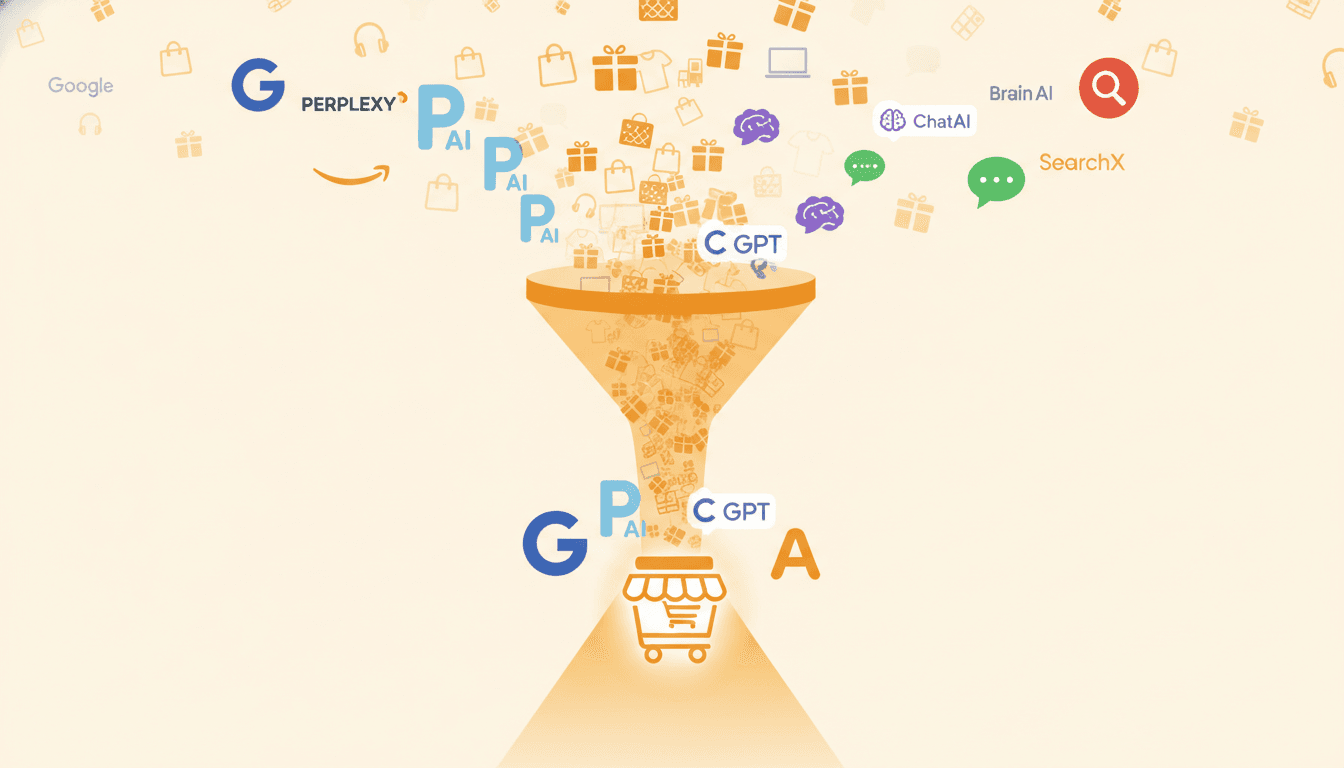
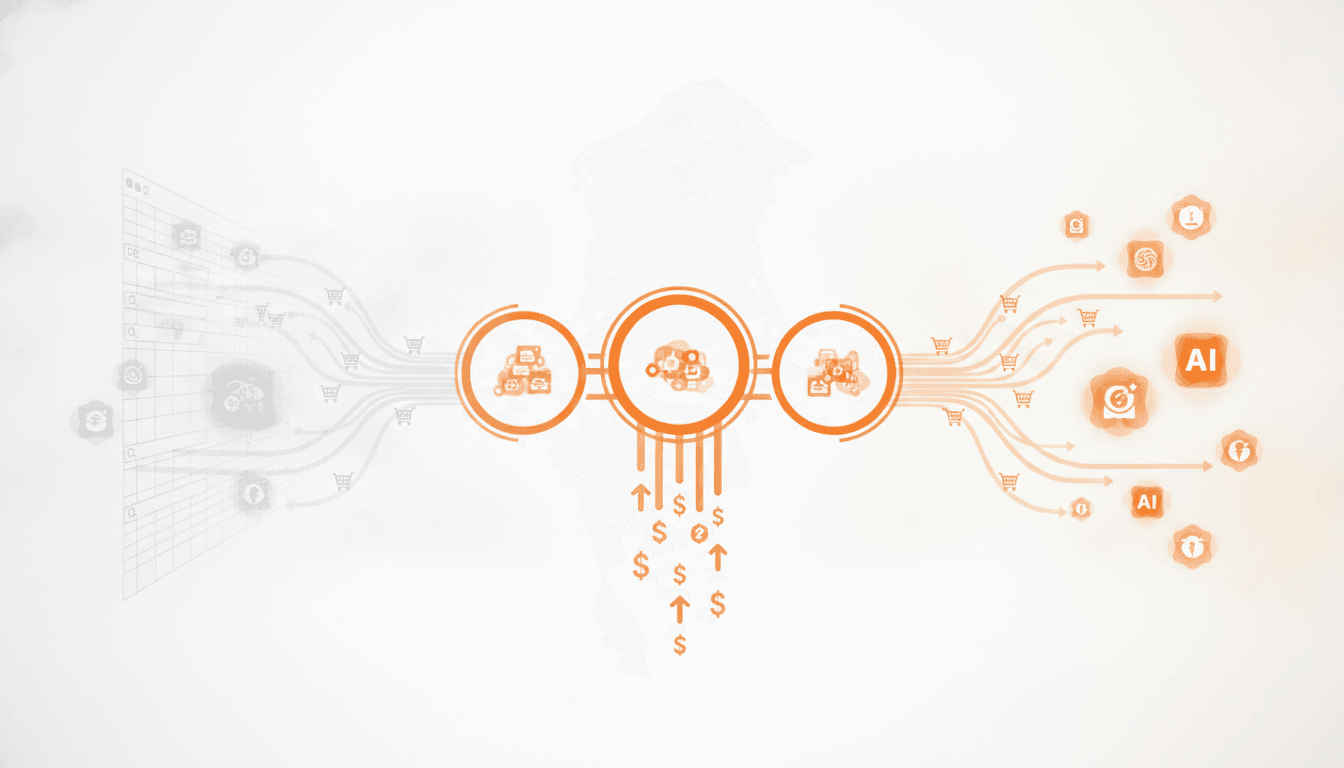
The food & beverage industry is experiencing a transformative wave as AI-powered meal planning and recipe recommendation tools rapidly reshape shopper behavior. Capturing this high-intent AI buyer traffic is no longer optional—it’s essential for brands aiming to boost conversions and maintain a competitive edge. In this comprehensive guide, we’ll explore how food brands can leverage Hexagon’s cutting-edge GEO platform to structure product feeds, optimize metadata, and dominate AI search results—opening the door to a lucrative new revenue stream.
Ready to tap into high-intent AI shopper traffic and accelerate your food brand’s growth? Book your free 30-minute discovery call with Hexagon today: https://calendly.com/ramon-joinhexagon/30min
Understanding the Rise of AI-Driven Meal Planning in Food & Beverage
AI assistants have become pivotal in how consumers discover, plan, and purchase food online. Leading tools like ChatGPT, Perplexity, and Claude are now integrated into 70% of top recipe and meal planning apps worldwide, fundamentally transforming the digital shopping experience App Annie.
[IMG: Illustration of AI-powered meal planning apps with diverse users]
Personalized AI meal planning stands as the fastest-growing application of generative AI in food retail, surpassing traditional search by 300% in engagement metrics Forrester Research. By 2026, McKinsey & Company predicts that over 30% of online grocery purchases will be influenced by AI-driven recommendations. This trend is especially strong among Gen Z and millennials—nearly 60% of Gen Z consumers rely on AI-powered meal planning tools at least once per week Pew Research Center.
Why is this shift so critical for food & beverage brands?
- AI-driven traffic signals high purchase intent. Shoppers using AI assistants are deeper in the buying journey, actively seeking specific products and solutions.
- Evolving search behaviors demand new optimization tactics. Traditional SEO alone can’t capture these AI-savvy buyers.
- Early adopters are already reaping rewards. As Matthew Bell, Senior Analyst at McKinsey & Company, points out, “With AI increasingly guiding food choices, brands that tailor their product content for AI assistants will gain a measurable advantage in shopper acquisition.”
Looking forward, brands that proactively optimize for AI-driven search stand to capture a loyal, expanding audience and unlock significant revenue growth.
What is GEO and How Hexagon Empowers Food Brands for AI Search Optimization
Hexagon’s GEO (Generative Engine Optimization) platform is purpose-built for the food & beverage sector, addressing the unique challenges and opportunities presented by AI search. Unlike traditional SEO, GEO focuses on structuring product feeds to be machine-readable, enriched, and fully optimized for AI recommendations.
[IMG: Schema of structured vs. unstructured product feeds]
Here’s how GEO empowers brands in the AI era:
- Automated structuring and enrichment: GEO organizes product data automatically, ensuring every SKU is tagged with rich, relevant metadata such as allergens, dietary preferences, and cuisine types.
- AI-friendly taxonomy: The platform converts product feeds into formats optimized for leading AI assistants and meal planning engines.
- Operational efficiency: Brands using GEO report a 33% reduction in time-to-market for new products in AI search environments (Hexagon Client Survey, 2024).
The results speak volumes. Hexagon’s internal case studies reveal that brands leveraging GEO experience a 45% increase in AI-driven sales within six months. Structured product feeds enriched with detailed metadata achieve 2.5x higher AI recommendation rates compared to unstructured feeds Gartner.
David Nguyen, Director of Product Data Strategy at Gartner, encapsulates the trend: “Structured product data is the new SEO for AI assistants. Brands that invest in feed quality and relevance will dominate this emerging space.”
By streamlining product data management and reducing manual work, GEO helps brands stay ahead as AI search becomes the new battleground for shopper attention.
Step 1: Structuring Product Feeds for AI Meal Planning and Recommendations
Success in AI-driven meal planning starts with how your product data is structured and enriched. AI assistants depend on granular, machine-readable information to recommend products that meet specific dietary needs, cuisines, and occasions.
[IMG: Example of a structured product feed with dietary tags and nutrition facts]
To maximize AI discoverability, follow these guidelines for structuring your product feeds:
- Enrich with detailed metadata: Include comprehensive fields such as allergens, nutrition facts, cuisine type, dietary preferences (e.g., vegan, gluten-free), and meal occasions (breakfast, snacks, holidays).
- Standardize data formats: Use consistent taxonomies and measurement units so AI engines can parse and compare your products accurately.
- Tag for context and intent: Add explicit tags like “high-protein,” “low-sugar,” or “kid-friendly” to align with typical AI-generated queries.
Consider the example of “Organic Quinoa” in your product feed. It should feature:
- Nutritional breakdown (calories, protein, fiber)
- Allergen information (e.g., nut-free, gluten-free)
- Cuisine associations (e.g., Mediterranean, South American)
- Dietary fit (vegan, vegetarian)
- Occasion fit (quick lunches, meal prep, fitness meals)
Why is this level of detail crucial?
- AI assistants prioritize detail and relevance. Products with enriched metadata are far more likely to surface in personalized recommendations.
- Structured feeds drive better conversions. Brands optimizing for AI-driven queries report a 28% higher conversion rate from AI traffic compared to standard organic search (Hexagon Performance Data, 2024).
- They align with evolving search patterns. Julia Chen, VP of Digital Commerce at Forrester, explains: “AI-powered meal planning is revolutionizing how consumers discover and buy food online. Brands optimizing for AI search will capture the next wave of high-intent buyers.”
Best practices include:
- Regularly updating product information to reflect new ingredients, certifications, or trends
- Using Hexagon’s GEO platform to automate metadata enrichment and taxonomy management
- Monitoring AI query trends to identify emerging dietary needs and cuisine interests
As Google and OpenAI expand AI-driven food and recipe search features, structured product data will become essential for brands striving to stay visible and competitive.
Step 2: Capturing High-Intent AI Shopper Traffic Through Strategic Keyword and Content Optimization
AI assistants interpret queries quite differently from traditional search engines. Instead of focusing on short keywords, AI engines analyze natural language prompts, dietary goals, and contextual needs.
[IMG: Screenshot of AI-generated meal plan recommending branded products]
To optimize your keyword and content strategy for AI search, consider the following:
- Research AI-generated queries: Identify common prompts and long-tail questions used in meal planning apps, such as “quick vegan dinners for two” or “low-sugar snacks for kids.”
- Incorporate explicit, machine-readable data: Ensure product descriptions and feeds contain clear, structured attributes like macronutrient profiles, ingredient lists, and occasion tags that AI can parse.
- Write in natural language: Craft product and category descriptions that reflect conversational queries AI users typically ask.
For instance, rather than targeting “gluten-free pasta” as a simple keyword, optimize for phrases like “best gluten-free pasta for Italian recipes” or “high-protein gluten-free dinner ideas.”
The distinctions between traditional SEO and AI search optimization are significant:
- Traditional SEO focuses on keyword density and backlinks.
- AI search optimization emphasizes structured data, intent alignment, and natural language context.
- AI-driven queries are richer, personalized, and often delivered via voice or chat interfaces.
This evolution is especially vital for capturing younger demographics. With 60% of Gen Z consumers using AI meal planning tools weekly (Pew Research Center), brands targeting this group must prioritize AI search optimization.
To boost AI discoverability further:
- Regularly audit your feeds and content for emerging AI-relevant keywords and phrases
- Utilize analytics from platforms like Hexagon GEO to identify top-converting AI query patterns
- Develop content clusters centered on trending dietary needs or seasonal meal occasions
By prioritizing AI search optimization, your products will stay top-of-mind—and top-of-feed—as generative AI continues to reshape food discovery and purchasing behaviors.
Step 3: Leveraging Hexagon’s Platform Features to Maximize AI Recommendations
Hexagon’s GEO platform offers a robust suite of tools designed to automate and accelerate AI search optimization for food & beverage brands.
[IMG: Dashboard view of Hexagon GEO analytics and metadata enrichment]
Here’s how the platform drives results:
- Automated feed optimization: GEO ingests your existing product data and applies AI-driven structuring and enrichment, minimizing manual effort while maximizing feed quality.
- Real-time analytics and insights: The platform tracks AI-driven traffic, conversion rates, and recommendation placements, enabling brands to measure performance and refine strategies instantly.
- Metadata enrichment at scale: GEO continuously updates feeds with the latest dietary tags, ingredient profiles, and occasion markers to stay aligned with evolving AI algorithms.
The impact is compelling. Food & beverage brands using Hexagon’s GEO platform report:
- A 45% increase in AI-driven sales within six months (Hexagon Internal Case Studies)
- 2.5x higher AI recommendation rates for structured, enriched feeds (Gartner)
- A 33% reduction in time-to-market for new products (Hexagon Client Survey, 2024)
Consider Organic Harvest Foods, which adopted Hexagon GEO and saw immediate benefits. Sarah Kim, Head of E-Commerce, shares, “We experienced a 45% lift in AI-driven sales after implementing Hexagon’s GEO platform—and our products are now consistently recommended in top meal planning apps.”
Other brands have captured significant market share by being early movers in AI search optimization, enjoying improved discoverability, higher conversion rates, and stronger presence in AI-powered food journeys.
Ready to see how Hexagon’s GEO platform can transform your AI shopper traffic and sales? Book your free 30-minute discovery call today: https://calendly.com/ramon-joinhexagon/30min
Final Tips and Best Practices for Sustained Success in AI Buyer Traffic Capture
To maintain and grow your AI-driven buyer traffic, consider these ongoing strategies:
- Continuously refine product feeds and metadata to keep pace with the latest AI algorithms and shifting user behaviors.
- Monitor AI search trends and update keyword strategies as new dietary needs, cuisines, and occasions emerge.
- Integrate Hexagon’s GEO platform into your broader digital marketing and e-commerce efforts for true omnichannel optimization.
By staying proactive, your food brand can lead the AI-powered shopping revolution and secure lasting growth.
How to Get Started with Hexagon to Unlock Your Food Brand’s AI Buyer Potential
Starting with Hexagon’s GEO platform is simple and tailored to your unique business needs:
- Consultation: Schedule a complimentary strategy session with Hexagon’s AI marketing experts.
- Personalized strategy development: Receive a custom roadmap for optimizing your product feeds and content for AI-driven meal planning and grocery search.
- Onboarding and support: Benefit from seamless integration, hands-on training, and ongoing performance analytics.
Ready to capture high-intent AI shopper traffic and significantly grow your food brand’s sales? Book your free 30-minute discovery call today: https://calendly.com/ramon-joinhexagon/30min
Unlock the next wave of high-intent buyer traffic and elevate your food & beverage brand with Hexagon’s GEO platform. The AI-powered future of food commerce is here—make sure your brand leads the way.
Hexagon Team
Published May 9, 2026