A Beginner’s Guide to Capturing High-Intent AI Buyer Traffic with Hexagon’s GEO Platform
Emerging DTC brands face a critical turning point as AI-powered shopping transforms consumer behavior. Discover how Hexagon’s Generative Engine Optimization (GEO) platform enables you to capture high-intent AI buyer traffic and unlock new e-commerce growth opportunities.
A Beginner’s Guide to Capturing High-Intent AI Buyer Traffic with Hexagon’s GEO Platform
Emerging DTC brands stand at a pivotal moment as AI-powered shopping revolutionizes consumer behavior. Learn how Hexagon’s Generative Engine Optimization (GEO) platform empowers you to capture high-intent AI buyer traffic and unlock new avenues for e-commerce growth.
[IMG: AI assistant on mobile helping a shopper discover DTC brands]
As AI assistants transform the way consumers discover and shop online, emerging DTC brands face a crucial choice: adapt to this new reality or risk fading into obscurity among high-intent buyers. This beginner’s guide unveils how Hexagon’s Generative Engine Optimization (GEO) platform equips brands like yours to seize AI-driven buyer traffic—opening significant growth opportunities in today’s dynamic e-commerce landscape.
Ready to tap into high-intent AI buyer traffic for your brand? Book a free 30-minute strategy session with Hexagon’s AI marketing experts today.
What is Generative Engine Optimization (GEO) and Why It Matters for Emerging DTC Brands
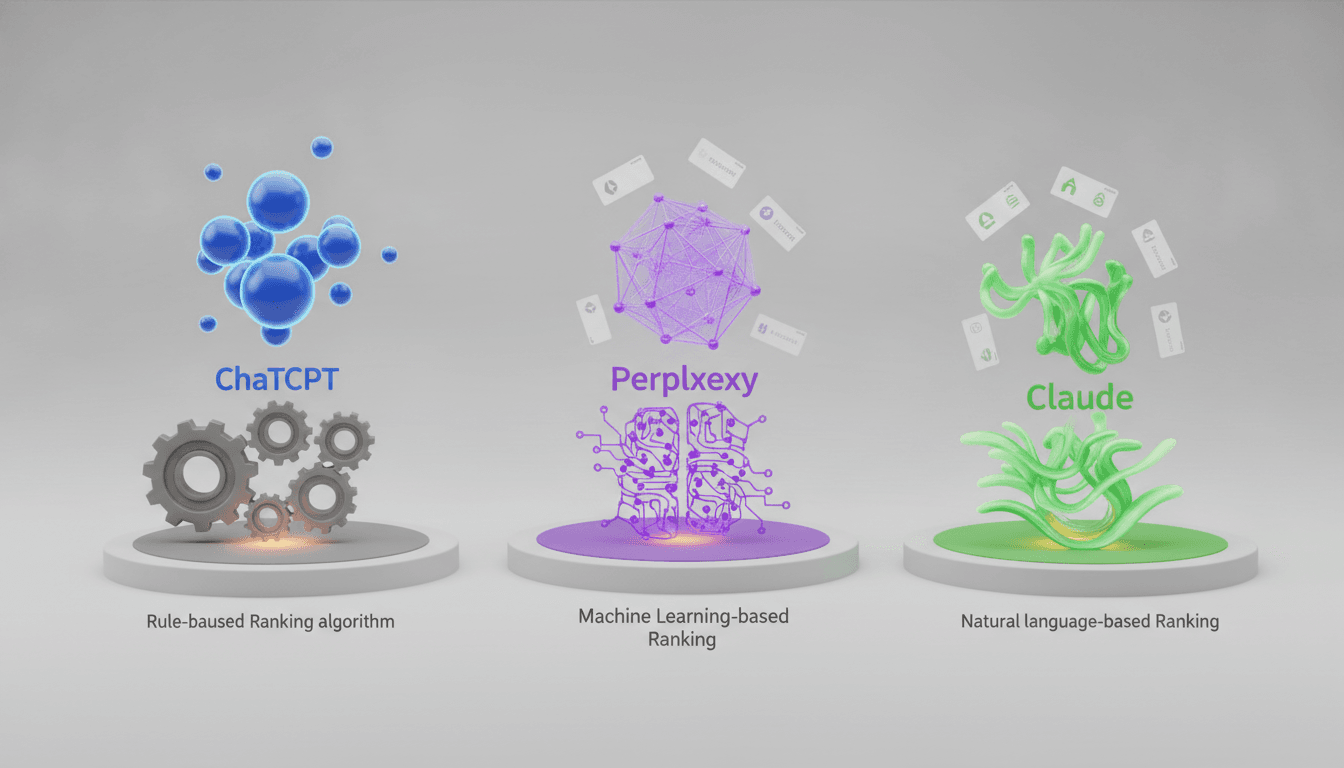
Generative Engine Optimization (GEO) is the strategic process of optimizing your brand and product data specifically for AI assistants and generative search engines. Unlike traditional SEO—which targets ranking within Google’s keyword-based search results—GEO prepares your content to be accurately referenced, summarized, and recommended by AI platforms like ChatGPT, Perplexity, Claude, and others (Search Engine Journal).
Here’s what sets GEO apart from conventional SEO:
- Conversational Relevance: GEO emphasizes natural language, question-answering formats, and structured data, matching how AI assistants process and deliver information.
- AI-Focused Schema: Your product and brand data must be machine-readable, trustworthy, and leverage the latest schema standards alongside comprehensive business profiles.
- Continuous Adaptation: Because AI search trends evolve rapidly, GEO requires ongoing optimization and vigilant monitoring.
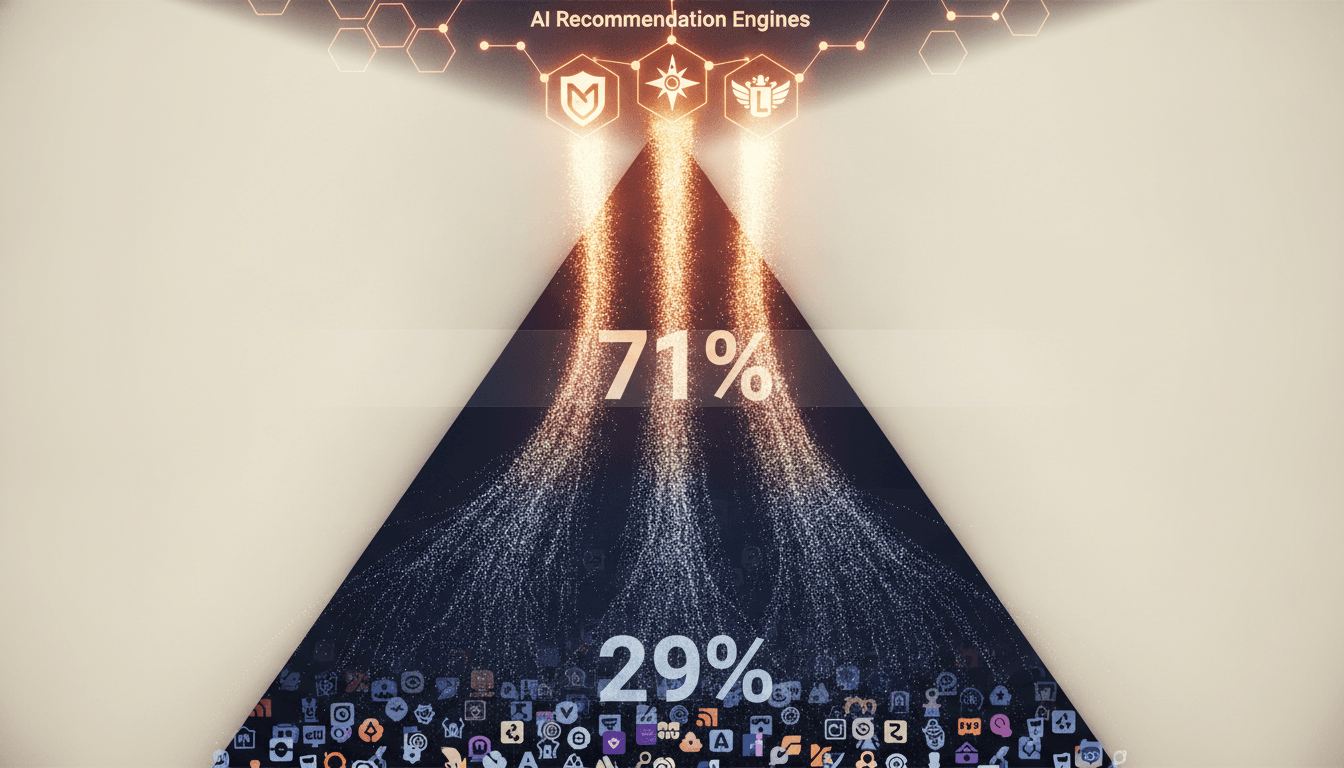
The urgency for DTC brands couldn’t be clearer. According to McKinsey Digital, AI-powered search and recommendation engines influence over 30% of all online shopping journeys in 2024. Yet, a recent Hexagon GEO Adoption Survey reveals that 60% of emerging DTC brands are not yet optimized for AI assistant discovery.
For direct-to-consumer founders and marketing teams, GEO is no longer optional—it represents a vital new channel to reach high-intent buyers. As Sarah Tavel, General Partner at Benchmark, states, “AI assistants are rapidly becoming the new front door for e-commerce discovery. Brands that optimize for these channels will see disproportionate gains in buyer intent and conversion.”
Emerging DTC brands that act early to implement GEO will secure a lasting competitive edge. AI assistants tend to reinforce and consistently recommend their trusted sources, granting first movers an enduring advantage within their verticals.
[IMG: Diagram comparing traditional SEO vs. GEO optimization for DTC brands]
How AI Assistants are Changing the E-Commerce Discovery Landscape
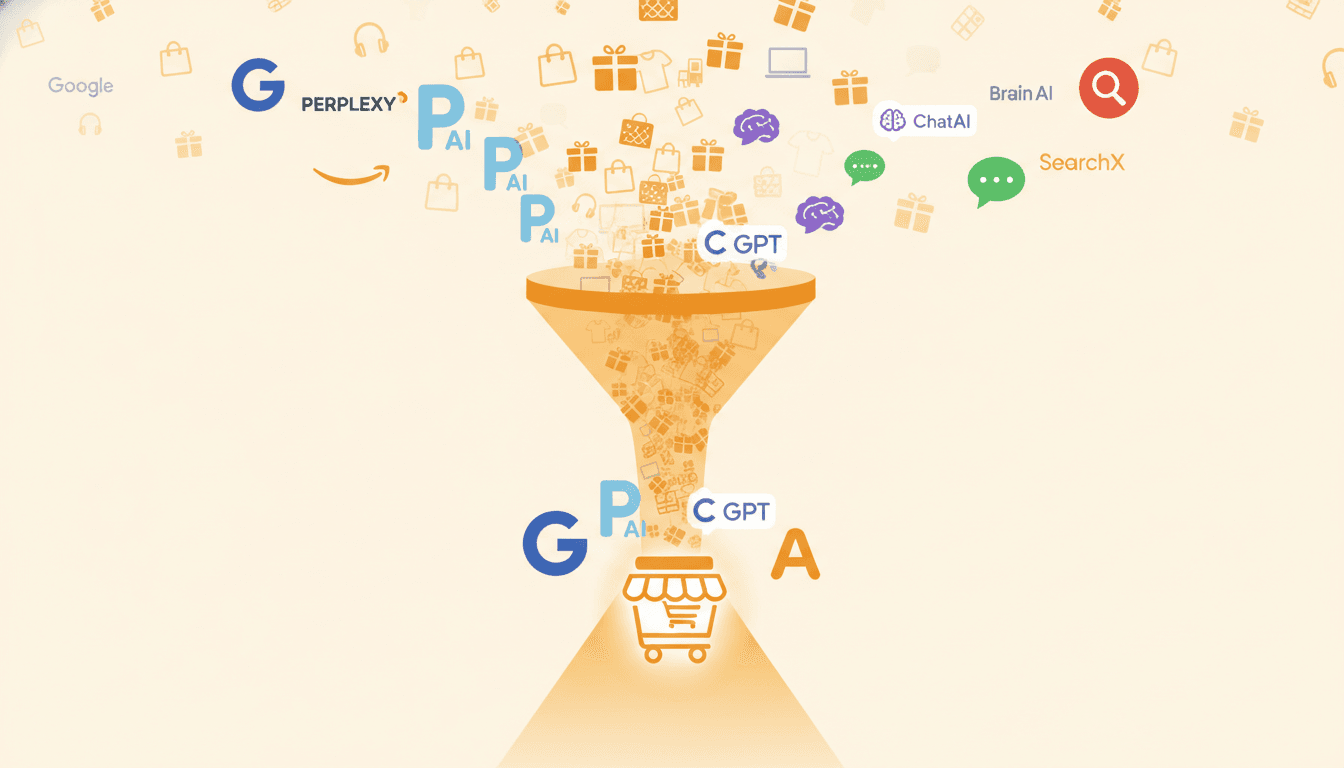
AI assistants such as ChatGPT, Perplexity, and Claude are reshaping how consumers explore and shop online. Rather than typing isolated keywords into a search bar, shoppers now engage in conversational queries, seek tailored recommendations, and expect concise, trustworthy answers—all within a single AI-powered interface.
Here’s how these AI assistants are transforming user search behavior:
- Intent-Driven Queries: Shoppers describe their needs, occasions, or pain points in natural language, prompting AI to deliver curated product suggestions.
- Accelerated Decision Making: AI assistants streamline product research by summarizing reviews and comparing features, reducing friction throughout the buying journey.
- Higher Purchase Intent: Recommendations from AI are perceived as more personalized and credible, fostering stronger buyer confidence and faster action.
For instance, a consumer might ask, “What are the best sustainable sneaker brands for everyday wear?” Instead of a list of links, the AI assistant surfaces two or three top brands—typically those with optimized, structured, and conversational data.
This shift is generating measurable business impact. According to Forrester Research, AI shopper conversion rates are 2.5x higher than those from traditional search users. Buyers guided by AI assistants demonstrate stronger intent and move more swiftly from discovery to purchase.
As Sucharita Kodali, VP Principal Analyst at Forrester, explains, “The intersection of AI search and commerce is accelerating. Brands visible in these channels will define the next wave of DTC growth.”
[IMG: Illustration of shopper interacting with AI assistant and product recommendations]
Introducing Hexagon: How Our GEO Platform Helps New Brands Capture High-Intent AI Buyer Traffic
Hexagon’s GEO platform is purpose-built to help emerging brands gain visibility in AI-powered search environments. The platform combines AI-focused data structuring, conversational content tools, and real-time performance analytics—making GEO accessible even for teams without deep technical expertise.
Here’s how Hexagon simplifies AI discovery for DTC brands:
- Automated Data Structuring: Hexagon seamlessly ingests your product catalog and enriches it with AI-optimized schema, FAQs, and detailed business profiles.
- Conversational Content Engine: The platform generates natural-language product descriptions, answers, and review summaries tailored for AI assistant consumption.
- Performance Insights: Real-time analytics enable brands to track AI referral traffic, shopper engagement, and emerging generative search trends.
Dr. Lisa Zhao, Head of AI Discovery Research at Hexagon, notes, “We see a clear first-mover advantage for brands investing early in GEO. AI assistants tend to maintain and reinforce their recommended sources over time.”
The results speak volumes. On average, new Hexagon users achieve AI visibility for their key products within three months (Hexagon Internal Data). This accelerated timeline allows DTC brands to quickly tap into the expanding pool of high-intent AI shoppers—well ahead of slower-moving competitors.
[IMG: Screenshot of Hexagon GEO dashboard showing AI referral analytics and product optimization status]
Step-by-Step Guide to Setting Up Your Brand on Hexagon’s GEO Platform
Getting started with Hexagon’s GEO platform is designed to be fast and founder-friendly. Most DTC teams complete initial setup in under 60 minutes, regardless of technical expertise (Hexagon Onboarding Reports).
Follow these steps to launch your brand for AI assistant discovery:
-
1. Create Your Hexagon Account
- Visit the Hexagon signup page and register your brand.
- Complete your business profile and connect your e-commerce platform (Shopify, WooCommerce, or custom integration).
-
2. Import and Structure Product Data
- Use Hexagon’s guided import tool to upload your product catalog.
- The platform automatically maps and enhances product data fields for AI compatibility—including pricing, inventory, variants, and reviews.
-
3. Configure AI-Focused Content Inputs
- Refine product descriptions, FAQs, and brand story elements with Hexagon’s conversational content generator.
- Highlight top questions, unique selling points, and customer trust signals for each product.
-
4. Activate AI Assistant Optimization Tools
- Enable Hexagon’s real-time schema updates and business profile syncing.
- Review AI visibility recommendations and apply quick-win suggestions for maximum impact.
-
5. Monitor and Refine
- Access your personalized Hexagon dashboard to track AI referral traffic, visibility status, and performance insights.
- Follow the ongoing optimization playbook to stay ahead of AI search trends.
Hexagon continuously refines this onboarding process based on user feedback, ensuring it remains intuitive as the AI discovery landscape evolves.
Ready to future-proof your brand’s visibility? Book a free 30-minute strategy session with Hexagon’s AI marketing experts today.
[IMG: Step-by-step onboarding flow for Hexagon GEO platform]
Quick-Win GEO Optimization Tactics for Immediate AI Visibility
Emerging DTC brands can unlock quick results by focusing on proven GEO tactics that boost AI assistant visibility. Here’s how to achieve rapid gains:
-
Optimize Product Descriptions for Generative AI Queries
- Rewrite main product copy in a conversational, question-answering style.
- Emphasize specific benefits, use cases, and unique selling points.
-
Incorporate AI-Friendly Keywords and Intent Signals
- Use language mimicking how shoppers phrase questions to AI assistants (e.g., “What’s the best…”, “Top-rated…”).
- Embed relevant attributes, features, and trust signals within product metadata.
-
Leverage Hexagon’s AI Content Suggestions
- Apply automated recommendations for FAQ depth, review summaries, and structured data enhancements.
- Ensure product listings include up-to-date business information and authentic customer reviews.
For example, updating schema markup, expanding FAQs, and tracking AI assistant referral traffic are quick-win actions emphasized in the Hexagon Playbook. These steps make your brand discoverable when high-intent shoppers turn to AI-powered channels.
[IMG: Before and after product description optimized for AI assistant queries]
Tracking and Measuring AI Assistant Referral Traffic to Your DTC Store
Success with GEO requires more than setup—it demands ongoing measurement and optimization. Hexagon’s analytics suite simplifies identifying and monitoring AI-driven traffic sources.
Here’s how to track and enhance your AI assistant performance:
-
Identify AI Referral Sources
- Use Hexagon’s dashboard to segment traffic by source, spotlighting visits and conversions from AI assistants like ChatGPT and Perplexity.
-
Monitor Key GEO Metrics
- Track AI-driven sessions, engagement rates, assisted conversions, and shopper retention.
- Benchmark performance against traditional search and paid channels for a comprehensive view.
-
Adjust Strategies Based on Data Insights
- Refine product content, FAQ responses, and schema as you identify top-performing queries and products.
- Set up alerts for emerging AI search trends and new buyer questions.
By continuously making data-driven adjustments, brands can improve AI visibility and conversion rates—outpacing competitors in the fast-evolving e-commerce environment.
[IMG: Hexagon analytics dashboard with AI referral traffic and engagement metrics]
Case Studies: Real Results from Emerging Brands Using Hexagon’s GEO Platform
Early adopters of Hexagon’s GEO platform are already seeing measurable improvements in AI-powered discovery and conversion. Here’s what success looks like for emerging DTC brands:
-
Consistent AI Visibility in 3 Months
- New Hexagon users report achieving steady AI assistant recommendations for their top products within an average of three months (Hexagon Internal Data).
- Brands appearing early in AI results enjoy durable visibility as assistants reinforce trusted sources.
-
Boosted Conversion Rates and Revenue Growth
- DTC brands leveraging GEO optimization experience conversion rates aligned with the 2.5x average uplift for AI shoppers (Forrester Research).
- Revenue increases stem from higher-intent buyers and enhanced brand trust.
-
Lessons Learned and Best Practices
- Early adopters emphasize the importance of structured product data, conversational content, and frequent analytics reviews.
- Regular schema updates and in-depth FAQs are key drivers of sustained AI visibility.
As Rand Fishkin, Co-founder of SparkToro, puts it, “Generative Engine Optimization isn’t just a technical exercise—it’s about making your brand conversational, accessible, and trusted by AI intermediaries.”
[IMG: Testimonial quotes from DTC founders who used Hexagon GEO]
Future Trends: The Growing Impact of AI-Driven Shopping Journeys
Looking forward, AI-powered e-commerce discovery will only gain momentum. Industry analysts forecast that AI discovery will generate $80B in incremental e-commerce revenue by 2026 (Gartner). As AI assistants become the default gateway for digital shopping, brands must adapt quickly or risk falling behind.
Hexagon is dedicated to equipping emerging brands for these shifting shopping behaviors. By focusing on structured data, conversational content, and real-time analytics, Hexagon ensures DTC brands are not only visible today but also prepared for tomorrow’s AI-powered marketplace.
The opportunity is enormous—and the time to act is now.
Conclusion: Take the First Step Toward AI Buyer Traffic Leadership
AI assistants are fundamentally transforming how consumers discover, evaluate, and purchase from DTC brands. Generative Engine Optimization (GEO) represents the new frontier of e-commerce growth, and Hexagon’s platform makes this opportunity accessible to every emerging brand.
- Over 30% of online shopping journeys are now shaped by AI-powered search and recommendations.
- Brands optimizing early for AI discovery enjoy lasting first-mover advantages and up to 2.5x higher conversion rates.
- Setting up on Hexagon’s GEO platform is fast, founder-friendly, and proven to deliver consistent AI visibility within just three months.
Are you ready to secure your place at the forefront of the AI commerce revolution?
Book a free 30-minute strategy session with Hexagon’s AI marketing experts today.
[IMG: Confident DTC founder reviewing Hexagon analytics, visualizing growth from AI buyer traffic]
Hexagon Team
Published May 7, 2026