Understanding AI Search Consumer Intent: A Guide for E-Commerce Marketers
Unlock higher conversions and elevate customer engagement by mastering AI-driven buyer intent in e-commerce search. Discover actionable strategies, key trends, and expert insights for AI-powered marketing success.
Understanding AI Search Consumer Intent: A Guide for E-Commerce Marketers
Unlock higher conversions and elevate customer engagement by mastering AI-driven buyer intent in e-commerce search. Discover actionable strategies, key trends, and expert insights for AI-powered marketing success.
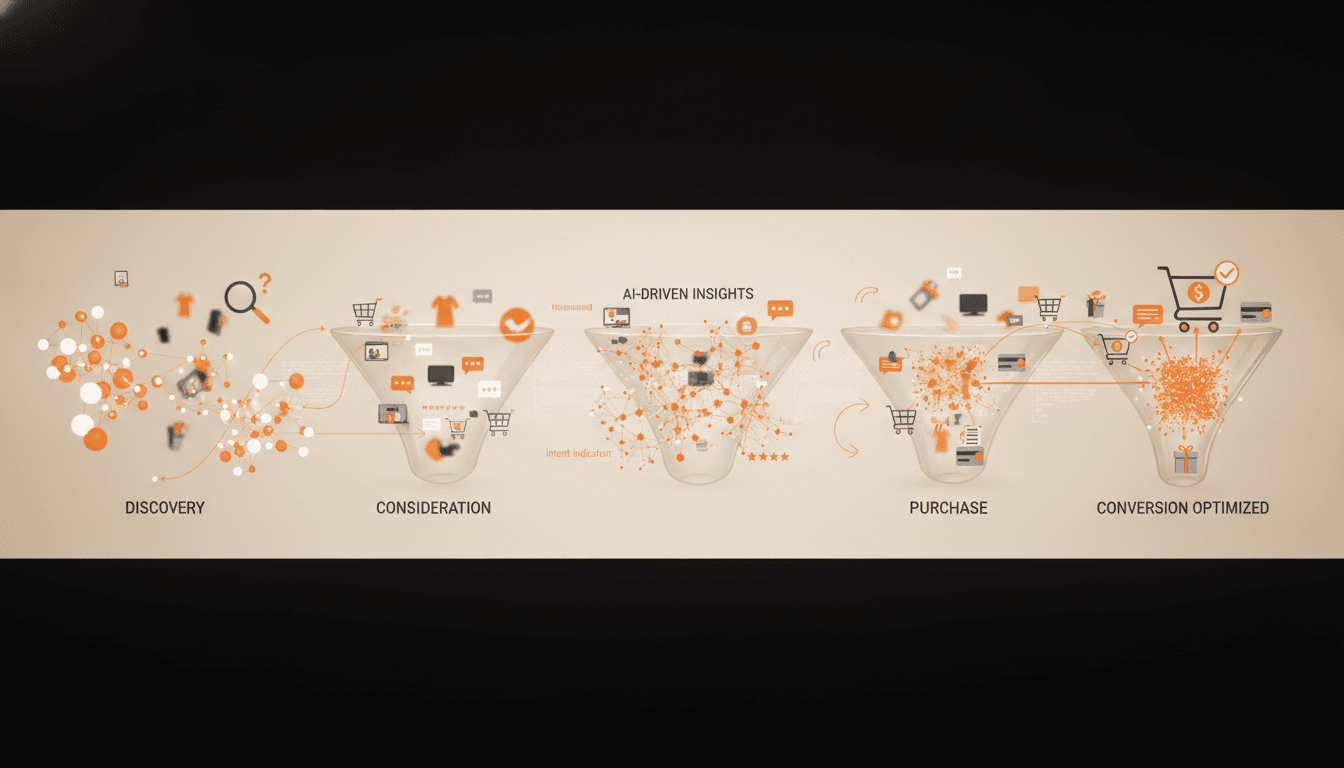
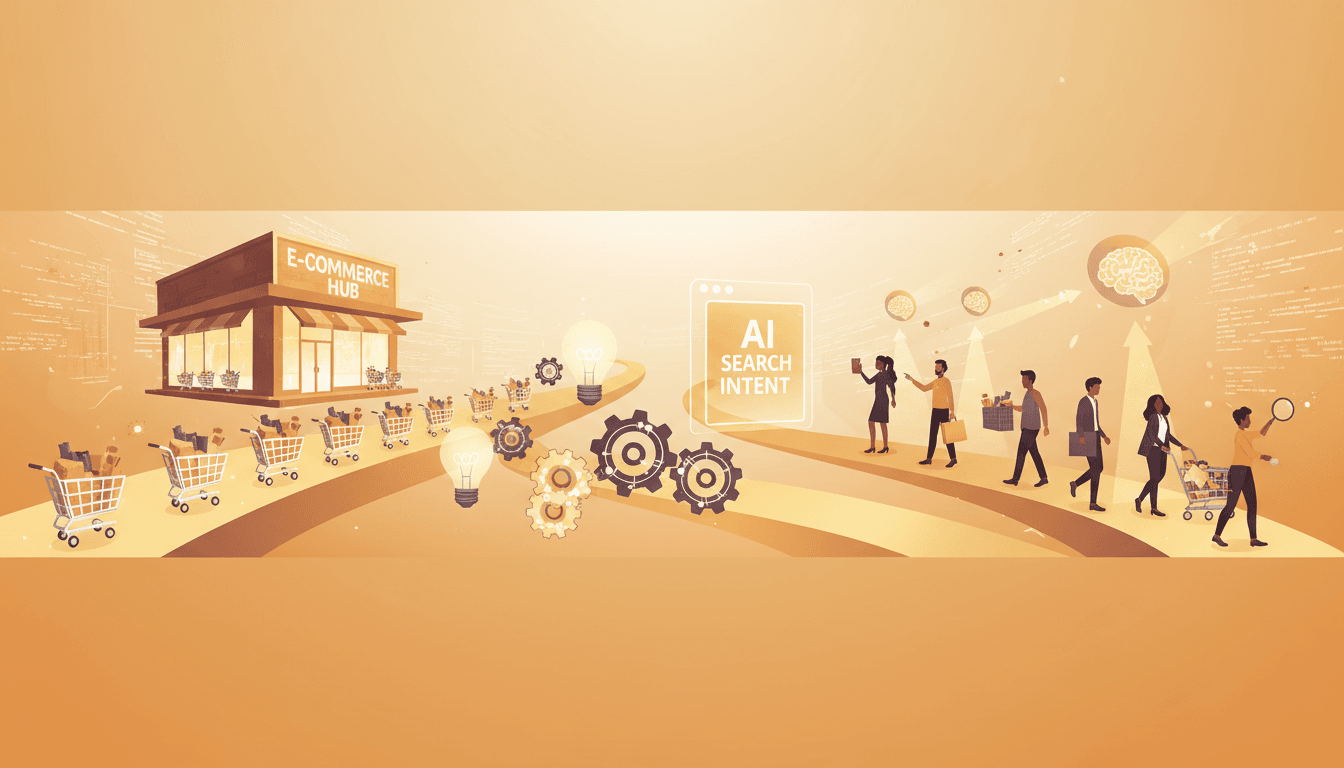
In the rapidly evolving world of e-commerce, cracking the code of how AI interprets shopper intent is your gateway to soaring conversions and deeper customer engagement. With a staggering 85% of AI product recommendations now powered by detected shopper intent, marketers who excel at optimizing for AI search intent consistently outpace their competitors. This comprehensive guide unpacks everything you need to know about AI search consumer intent—and how to harness it to transform your e-commerce buyer journey.
Ready to revolutionize your e-commerce marketing with AI search consumer intent insights? Book a free 30-minute consultation with Hexagon’s AI marketing experts today.
[IMG: Shopper interacting with an AI-powered search bar on an e-commerce site]
What is AI Search Consumer Intent and Why It Matters for E-Commerce
AI search consumer intent captures the true purpose behind a shopper’s interaction with an e-commerce search engine. Rather than simply matching keywords, today’s AI models delve deeper to interpret whether a customer is researching, browsing specific brands or categories, or ready to make a purchase. As Andrew Ng, Co-founder of Google Brain, explains, “AI search engines don’t just match keywords—they interpret the underlying intent behind every query, which is the key to delivering truly relevant results.”
Leveraging natural language processing (NLP) and machine learning, modern AI search engines classify consumer intent in real time. These systems analyze not only the search terms but also contextual signals such as browsing history, past purchases, and in-session behaviors, achieving over 90% accuracy in intent classification according to the Stanford AI Lab.
Why is this so critical? Because consumer intent drives product visibility and relevance like never before. AI-powered recommendations now generate up to 85% of product views on top e-commerce marketplaces (Insider Intelligence). If your product content and metadata fail to align with the intent signals AI seeks, your offerings will struggle to reach motivated buyers.
- Key Benefits of Understanding AI Search Consumer Intent:
- Boosts product discoverability and relevance in search results
- Streamlines the buyer journey from initial research to final purchase
- Elevates conversion rates and enhances customer satisfaction
For instance, aligning your content with AI-detected intent not only improves search rankings but also reduces bounce rates and amplifies overall engagement (Forrester). Marketers who prioritize intent optimization lay the groundwork for sustained growth and measurable ROI.
[IMG: Diagram showing AI interpreting different shopper intents]
The Three Main Types of Buyer Intent in AI Search: Informational, Navigational, and Transactional
In e-commerce AI search, queries are primarily classified into three buyer intent categories: informational, navigational, and transactional. Grasping these distinctions is vital for tailoring your content and product data to AI-driven discovery.
Informational Intent
Shoppers exhibiting informational intent are in the research phase, seeking answers, comparisons, or guidance before committing to a purchase. Typical queries include:
- “Best running shoes for flat feet”
- “How does wireless charging work?”
- “What is the difference between OLED and QLED TVs?”
AI models identify informational intent by analyzing keywords and context, often surfacing blog posts, buying guides, and FAQs. Gartner reports that 71% of consumers are more likely to buy from brands whose AI assistants provide relevant product recommendations (Gartner). By offering rich, educational content, brands nurture these users toward eventual purchase readiness.
Navigational Intent
Navigational intent arises when shoppers seek a specific brand, category, or product page—usually with a clear destination in mind. Examples include:
- “Nike women’s sneakers”
- “Samsung official store”
- “Laptops under $1000 on Amazon”
AI search engines detect navigational intent by recognizing brand or category cues in queries. They prioritize returning precise landing pages, official brand stores, or category hubs, smoothing the shopper’s journey. This intent type is crucial for optimizing branded search and category-level visibility.
Transactional Intent
Transactional intent signals a shopper ready to complete a purchase. Queries often contain action-oriented words like:
- “Buy iPhone 15 Pro Max”
- “Order noise-cancelling headphones”
- “Best deals on smart TVs”
AI engines spot high-intent keywords such as “buy,” “order,” or “price,” alongside detailed product metadata. Content that addresses these queries—featuring specs, clear calls to action, and reviews—is more likely to appear in AI-driven product recommendations (Moz).
Summary Table: AI-Recognized Buyer Intents
| Intent Type | Focus | Typical Content | Examples |
|---|---|---|---|
| Informational | Research | Guides, FAQs, comparisons | “Best running shoes for flat feet” |
| Navigational | Brand/Category | Landing pages, official stores | “Nike women’s sneakers” |
| Transactional | Purchase | Product pages, CTAs, pricing | “Buy iPhone 15 Pro Max” |
[IMG: Table or infographic illustrating the three types of buyer intent with example queries]
Success in AI-driven commerce hinges on mapping your content and product data across the full intent spectrum—from initial research to final purchase. As Sucharita Kodali, Principal Analyst at Forrester, emphasizes, “The brands winning in AI-driven commerce are those that map their content and product data to the full spectrum of shopper intent, from research to purchase.”
How AI Interprets Shopper Intent in the E-Commerce Buyer Journey
Cutting-edge AI search models combine user behavior, query context, and advanced natural language processing to decode shopper intent with impressive accuracy. Here’s a closer look at their approach:
- Analyzing Search Behavior: AI evaluates not only the keywords used but also the shopper’s prior searches, browsing patterns, and engagement within a session. This real-time behavioral data sharpens intent classification (Salesforce).
- Leveraging NLP: Natural language processing allows AI to grasp nuances, synonyms, and subtle cues within queries. For example, a search for “best affordable laptops for students” conveys both informational and transactional intent.
- Personalization Signals: AI tailors recommendations by factoring in shopper profiles, historical purchases, and demographics, enhancing search result relevance.
- Metadata and Contextual Signals: Structured product metadata—like categories, tags, and schema markup—provides essential clues enabling AI to match queries effectively.
Thanks to advances in transformer-based language models, leading e-commerce platforms now achieve up to 90% accuracy in buyer intent classification (Stanford AI Lab). Major marketplaces such as Amazon, Shopify, and Google Shopping integrate AI intent signals into their ranking algorithms, fundamentally reshaping product discoverability (Retail Dive).
- Key AI Intent Signals:
- Search keywords and phrasing nuances
- Clickstream and session engagement data
- Purchase and interaction history
- Product metadata including titles, tags, and attributes
For example, if a shopper frequently browses for “eco-friendly water bottles” and then searches “best price BPA-free bottle,” AI recognizes the shift from informational to transactional intent and updates recommendations accordingly. Brian Solis, Global Innovation Evangelist at Salesforce, notes, “AI’s ability to discern granular intent signals means content strategies must evolve from generic optimization to personalized, intent-driven messaging.”
Industry Impact: A remarkable 62% of e-commerce marketers report improved ROI after optimizing for AI search intent signals (Salesforce), underscoring the concrete value of intent-driven strategies.
[IMG: Flowchart of AI interpreting search queries through NLP and consumer data]
Intent Optimization for AI Search: Aligning Content and Metadata with Shopper Signals
To excel at AI shopper intent optimization, you must synchronize your product content, metadata, and site architecture with the signals AI models rely on for classification and recommendation. Here’s a strategic roadmap:
- Structured Data and Schema Markup: Implementing structured data allows AI search engines to better comprehend your products, categories, and content relevance. Using schemas such as Product, FAQ, and Breadcrumb enhances how your listings appear in search results (Google Search Central).
- Content Audit for Intent Alignment: Periodically review your existing content to ensure it addresses the entire buyer intent spectrum. For example, enrich product pages with FAQs, buying guides, and comparison charts to capture informational queries.
- Metadata Optimization: Tailor critical metadata fields—including product titles, descriptions, tags, and attributes—with intent-focused keywords. Emphasize product features, benefits, and use cases that resonate with high-intent searches.
Common Metadata Fields Impacting AI Search Rankings:
- Product Name/Title
- Brand and Category Tags
- Product Specifications and Attributes
- Rich Product Descriptions
- Ratings and Reviews
Aligning content and metadata with AI-identified shopper intent is not just recommended—it’s a proven driver of performance. Forrester reports that brands optimizing for AI-interpreted shopper intent achieve a 35% increase in conversion rate (Forrester). SEO expert Aleyda Solis stresses, “Optimizing for AI search intent is no longer optional—it’s the foundation of discoverability and conversion in the era of AI-powered shopping.”
- Action Steps:
- Conduct a comprehensive audit of your site’s content and metadata for intent alignment
- Implement structured data across all product and FAQ pages
- Continuously update product details and attributes to reflect evolving shopper intent
[IMG: Example of product schema markup and intent-aligned product page]
Ready to transform your e-commerce marketing with AI search consumer intent insights? Book a free 30-minute consultation with Hexagon’s AI marketing experts today.
Content Strategies to Optimize for Different AI Shopper Intents
To maximize the benefits of AI-powered e-commerce search, brands must tailor their content strategies to each buyer intent type. Here’s how to approach each:
Informational Intent: Educate and Engage
Shoppers seeking information are not yet ready to buy but are gathering knowledge. Capture and nurture this audience by providing:
- Comprehensive FAQs: Answer common questions about products, features, and comparisons.
- Buying Guides and Tutorials: Offer detailed guides that explain product options and benefits.
- Educational Blog Content: Publish articles on trends, tips, and industry insights relevant to your audience.
For example, a home appliance brand might create a guide titled “How to Choose the Right Air Purifier for Allergies,” attracting early-stage shoppers. AI search engines prioritize such content for relevant queries, boosting brand visibility and trust. Remember, 71% of consumers are more likely to buy from brands whose AI assistants provide relevant product recommendations (Gartner).
Navigational Intent: Streamline the Path
Shoppers with navigational intent seek specific brands, categories, or product lines. Optimize for them by:
- Clear Category Pages: Organize products logically with well-structured category and subcategory pages.
- Dedicated Brand Landing Pages: Keep brand pages updated with fresh content, product listings, and trust signals.
- Internal Linking: Use contextual links to swiftly guide shoppers to their desired destination.
For instance, an electronics retailer can create a “Shop Apple Products” landing page, designed to capture navigational searches like “Apple laptops.” AI models recognize this structure and elevate relevant pages, smoothing the buyer journey.
Transactional Intent: Convert and Delight
Transactional shoppers are ready to buy. Capture their attention by focusing on:
- Detailed Product Pages: Provide thorough specs, clear calls to action, pricing, and stock status.
- User Reviews and Ratings: Incorporate social proof to build confidence.
- Comparison Tables: Help shoppers quickly evaluate features and benefits.
- Prominent CTAs: Use action-driven phrases such as “Buy Now,” “Add to Cart,” and “Get the Best Price.”
Content that explicitly addresses high-intent queries—like “buy,” “discount,” or “free shipping”—ranks higher with AI search assistants (Moz). For example, a fashion retailer optimizing product descriptions for “buy red cocktail dress online” increases its chances of appearing in AI-powered recommendations.
- Content Formats by Intent:
- Informational: FAQs, blog posts, guides, explainer videos
- Navigational: Category pages, brand landing pages, product listings
- Transactional: Product pages, reviews, promotional banners
[IMG: Example screenshots of optimized content for each intent type]
Actionable Tips:
- Map your content inventory to buyer intent categories
- Identify gaps for each stage of the buyer journey
- Use analytics to track which content formats drive engagement and conversions
“AI’s ability to discern granular intent signals means content strategies must evolve from generic optimization to personalized, intent-driven messaging.” — Brian Solis, Salesforce
Ready to transform your e-commerce marketing with AI search consumer intent insights? Book a free 30-minute consultation with Hexagon’s AI marketing experts today.
How Leading Brands Use AI Intent Analytics to Continuously Improve E-Commerce Content
Top brands harness AI intent analytics to continually refine their e-commerce content strategies. Here’s how they maintain an edge:
- AI-Driven Insights: Tools like Google Analytics, Salesforce Commerce Cloud, and Shopify’s AI solutions deliver real-time data on shopper intent, query trends, and content effectiveness.
- Continuous Content Optimization: Marketers leverage intent analytics to uncover new content opportunities, refresh current product pages, and phase out underperforming assets.
- Measuring Success with KPIs: Key performance indicators include conversion rates, bounce rates, average order value, and ROI linked directly to intent-optimized content.
For example, a leading sportswear retailer revamped its FAQ and buying guide content using AI intent data, resulting in a 35% boost in conversion rates (Forrester). By aligning content with AI-interpreted shopper intent, the retailer enhanced both discoverability and customer satisfaction.
- Benefits of Ongoing AI Intent Optimization:
- Improved search rankings and visibility
- Increased engagement and lower bounce rates
- Stronger ROI—62% of marketers report ROI gains after optimizing with AI intent signals (Salesforce)
Continuous optimization fueled by AI intent analytics has become a defining factor for market leaders (Accenture). Brands treating intent analytics as an ongoing process position themselves for sustainable growth.
[IMG: Dashboard screenshot of AI intent analytics in an e-commerce platform]
Future Trends: Conversational Commerce and the Evolution of AI-Powered Buyer Journeys
Looking forward, AI’s evolution in e-commerce is fundamentally changing how brands interpret and act on shopper intent. The rise of conversational commerce—driven by voice assistants and AI chatbots—is setting a new standard for real-time, intent-driven interactions.
- Voice and Chat-Based AI Assistants: Increasingly, shoppers use Alexa, Google Assistant, and in-app chatbots to discover, compare, and purchase products. These AI agents manage complex, multi-turn conversations to detect intent with unprecedented precision.
- Personalized Buyer Journeys: As conversational AI advances, it enables hyper-personalized shopping experiences, dynamically adapting recommendations and content flow to each user’s evolving intent.
- Preparing for the Future: To stay competitive, e-commerce brands must invest in AI-powered search, robust structured data, and conversational content strategies.
Industry forecasts predict that AI-powered buyer journeys will become even more dynamic, with platforms integrating deeper personalization and context-aware recommendations (McKinsey Digital). Brands that proactively embrace these trends will lead the next wave of digital commerce.
- Key Future-Focused Strategies:
- Optimize for voice and conversational search queries
- Develop content that supports interactive, real-time discovery
- Monitor AI search trends continuously and refine strategies accordingly
[IMG: Illustration of a shopper interacting with an AI voice assistant while shopping online]
Conclusion
AI search consumer intent is transforming e-commerce—from how shoppers discover products to the content that drives conversions. By understanding and optimizing for the full spectrum of buyer intents, marketers can boost product visibility, deepen engagement, and secure measurable ROI gains. The future belongs to brands that leverage AI-powered intent analytics for continuous improvement and embrace the rise of conversational commerce.
Ready to transform your e-commerce marketing with AI search consumer intent insights? Book a free 30-minute consultation with Hexagon’s AI marketing experts today.
[IMG: Hexagon AI marketing team collaborating with e-commerce professionals]
Hexagon Team
Published April 17, 2026