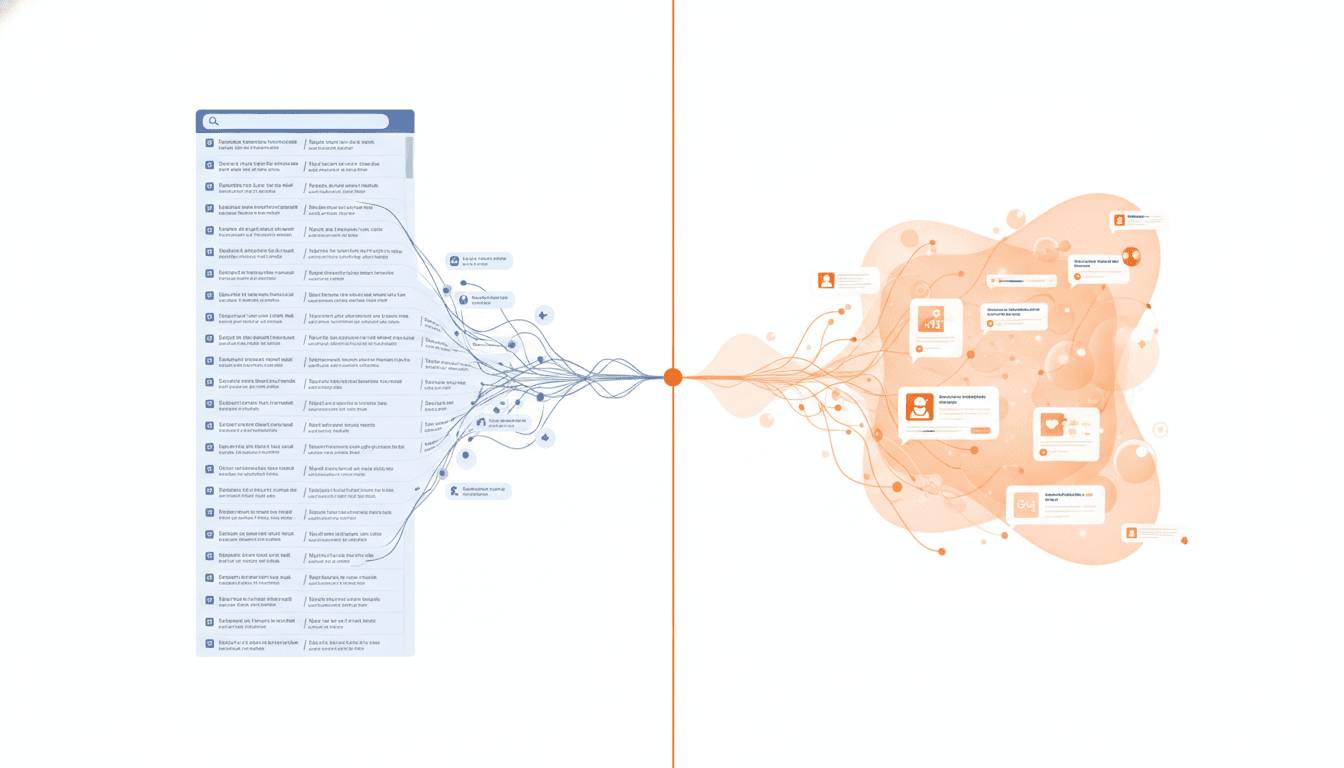
The Role of Structured Data in Maximizing E-Commerce Visibility on AI Search Engines
E-commerce brands must adapt to AI-driven search engines or risk losing visibility. Discover how structured data like schema markup can drive up to a 50% increase in AI product recommendations, lift organic CTR by 36%, and secure your place on future shopping lists.
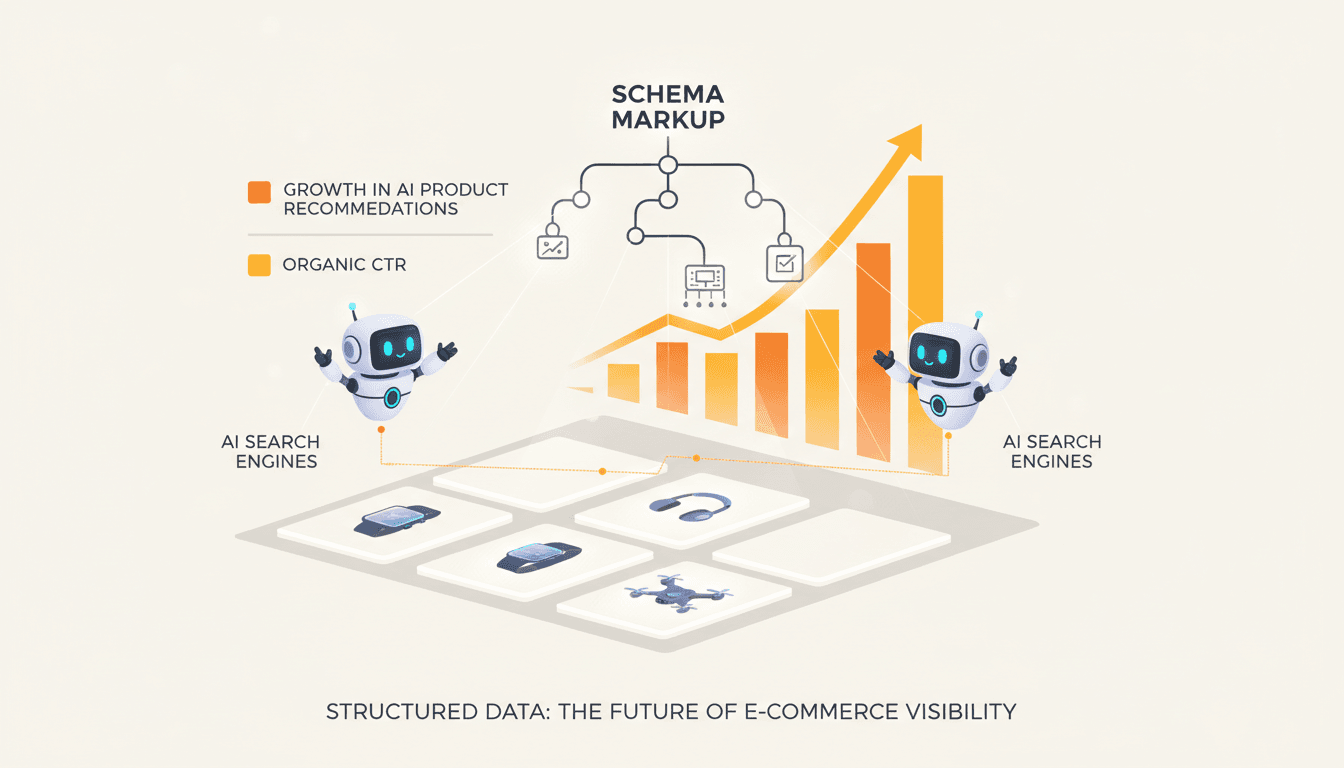
The Role of Structured Data in Maximizing E-Commerce Visibility on AI Search Engines
In the rapidly evolving world of AI-driven search, e-commerce brands face a critical crossroads: adapt with structured data or risk fading into obscurity. Discover how leveraging schema markup can boost your AI product recommendations by up to 50%, increase organic click-through rates by 36%, and secure your brand’s spot on tomorrow’s digital shopping lists.
As AI-powered search engines and assistants become the dominant tools shoppers use to find products, e-commerce brands must rise to the challenge of visibility. Without the backbone of structured data—especially schema markup—your products risk slipping beneath the radar of intelligent algorithms designed to deliver highly relevant, personalized shopping experiences. Research shows that brands implementing robust schema markup see an impressive 50% increase in AI product recommendations (BrightEdge Research). This comprehensive guide will unravel how structured data shapes AI search rankings, spotlight the most effective schema types for e-commerce, and empower you to lead in the new era of AI-powered shopping.
Ready to unlock your e-commerce site’s full potential with structured data? Book a free 30-minute consultation with Hexagon’s AI marketing experts today.
Understanding Structured Data and Its Importance for E-Commerce in AI Search
Structured data is a standardized format that provides detailed information about a webpage and classifies its content in a machine-readable way. In the e-commerce realm, this often manifests as schema markup—code that describes product details such as prices, availability, reviews, and more, enabling AI search engines to interpret these attributes accurately.
Unlike traditional keyword-based search, AI-powered engines depend heavily on structured data to comprehend product attributes and their relationships. This deeper understanding allows them to deliver precise product recommendations, answer complex consumer queries, and generate rich, interactive search results that go beyond simple listings. According to Google Search Central, structured data enables AI search engines to interpret product attributes more accurately, resulting in enhanced recommendations and richer search experiences (Google Search Central).
The transition from keyword search to AI and generative models is accelerating at an unprecedented pace. Currently, 92% of top-ranking e-commerce sites on Google have implemented at least basic Product and Offer schema markup (Semrush E-commerce SEO Report). Barry Schwartz, Editor of Search Engine Roundtable, underscores this trend:
“Structured data is the foundation for any brand that wants to be visible in the new era of AI search. Without it, your products are effectively invisible to machine learning algorithms.”
- Structured data creates a universal language that AI can use to understand product specifics.
- Schema markup bridges the critical gap between human browsing behavior and machine interpretation.
- Brands neglecting structured data risk exclusion from AI-powered recommendations and shopping guides.
[IMG: Diagram illustrating how schema markup connects e-commerce websites to AI search engines]
Looking ahead, e-commerce brands that prioritize structured data are positioning themselves to thrive as AI-driven search becomes the primary gateway to online shopping.
How AI Assistants and Generative Search Models Use Structured Data
AI assistants like Google Assistant, ChatGPT, and Perplexity utilize schema markup to extract rich product information and deliver concise, accurate answers directly within search and conversational interfaces. These AI systems pull key details—such as pricing, availability, ratings, and reviews—from structured data, providing shoppers with instant, trustworthy insights.
Structured data plays a pivotal role in fueling AI-driven product recommendations. When AI models receive clean, comprehensive schema, they can:
- Quickly populate shopping carousels and product lists with relevant, personalized items.
- Display rich snippets featuring reviews, prices, and shipping details.
- Generate tailored product recommendations based on user queries and preferences.
For instance, Google’s Shopping Graph, which encompasses over 35 billion product listings, relies heavily on structured data to analyze and recommend products effectively (Google Blog). Lily Ray, Senior Director at Amsive Digital, emphasizes:
“As AI assistants become the primary interface for online shopping, the brands that win will be those who provide rich, machine-readable product data.”
Brands with well-implemented schema markup report up to a 50% increase in AI assistant product recommendations compared to those lacking structured data (BrightEdge Research). AI search engines like Perplexity increasingly depend on structured data to generate direct product recommendations and curated shopping guides (Search Engine Journal).
- AI assistants rely on schema to confidently answer complex product questions.
- Schema markup significantly boosts the chances of products appearing in AI-curated lists.
- Providing rich and accurate data builds trust both in AI systems and among consumers.
[IMG: AI assistant interface displaying product recommendations sourced from structured data]
For e-commerce brands, delivering robust schema markup is no longer optional—it’s essential for maintaining visibility in the evolving AI-powered marketplace.
Top Schema Types That Maximize E-Commerce Visibility on AI Search Engines
Not all schema types offer equal benefits. To extract the greatest AI search visibility, e-commerce brands should concentrate on the most impactful schema types:
1. Product Schema
Product schema defines fundamental product attributes such as name, description, images, brand, SKU, and more. This schema provides AI systems with a clear, comprehensive understanding of each product.
- Sites with detailed product schema experience a 36% lift in organic click-through rates (Moz Industry Study).
- Enables precise product identification and facilitates comparison shopping.
- Serves as the foundation for all other e-commerce schema types.
Example:
A fashion retailer uses Product schema to specify size, color, and material for each clothing item, ensuring AI search engines match products accurately to user preferences.
2. Offer Schema
Offer schema captures critical details like price, currency, availability, and discount information. AI assistants leverage this data to surface current deals and confirm stock status.
- Supports dynamic pricing and real-time inventory updates.
- Vital for visibility in shopping carousels and price comparison widgets.
- 92% of top-ranking e-commerce sites implement at least basic Product and Offer schema (Semrush E-commerce SEO Report).
Example:
An electronics retailer marks up flash sale items with Offer schema, enabling AI to prominently feature the best deals in real-time.
3. Review and AggregateRating Schema
Review schema captures customer feedback, while AggregateRating summarizes overall ratings. Together, they build trust and influence buyer decisions.
- Retailers using these schemas see a 40% higher chance of being featured in AI-curated best product lists (Search Engine Land).
- AI leverages ratings and reviews to recommend top products and generate shopping guides.
- Enhances both visibility and credibility in organic and AI-powered search.
Example:
A home appliance brand applies Review and AggregateRating schema to its top-rated blender, helping it secure a spot in AI-generated “Best Blenders of 2024” lists.
4. ItemList Schema
ItemList schema organizes collections of related products, such as category pages or curated lists. AI uses this structure to create product roundups and comparison tables.
- Facilitates discovery of related items.
- Boosts visibility of category and collection pages.
- Powers “Top 10” and “Best of” lists in AI search results.
Example:
A sporting goods retailer uses ItemList schema on its “Top 10 Running Shoes” page, enhancing its chances of appearing in AI shopping recommendations.
5. FAQPage and HowTo Schema
FAQPage and HowTo schema provide structured answers to common product questions and usage instructions. These schemas are increasingly integrated into conversational commerce and voice search.
- Improves product support and reduces purchase friction.
- Increases the likelihood of being referenced in AI-generated Q&A and shopping advice.
- Drives additional organic traffic from informational queries.
Example:
A cosmetics brand implements FAQPage schema on product detail pages, enabling AI assistants to answer queries about ingredients and application techniques seamlessly.
6. ShippingDetails Schema
ShippingDetails schema conveys shipping options, costs, and delivery timelines to AI systems. As consumers demand greater transparency, this schema is becoming critical.
- Enhances accuracy of AI-generated delivery estimates.
- Builds consumer trust and decreases cart abandonment.
- Supports inclusion in AI-powered shipping comparison tools.
Example:
A furniture retailer provides comprehensive ShippingDetails schema, allowing AI to recommend products based on delivery speed to the shopper’s location.
Key Takeaways:
- Implementing these schema types offers AI search engines a holistic and detailed product overview.
- Combining multiple schema types produces compounded visibility benefits.
- Advanced schemas like FAQPage and ShippingDetails unlock new AI-driven discovery opportunities.
[IMG: Visual grid comparing different schema types and their impact on AI search results]
The evidence is clear: e-commerce sites that embrace comprehensive schema markup are best positioned to excel in the AI-powered search era.
Best Practices for Implementing and Validating Schema Markup on E-Commerce Sites
Implementing schema markup effectively requires both strategic planning and technical precision. Here’s a practical approach for e-commerce teams to add, test, and maintain structured data that drives maximum AI visibility.
Step-by-Step Guide to Adding Schema Markup
-
Audit Your Site:
- Identify key product, category, and content pages ripe for schema enrichment.
- Use tools like Screaming Frog or Sitebulb to locate existing markup and gaps.
-
Select the Right Schema Types:
- Prioritize Product, Offer, Review, AggregateRating, ItemList, FAQPage, HowTo, and ShippingDetails schemas.
- Consult Schema.org for the most current definitions and properties.
-
Implement Clean Code:
- Use JSON-LD format, the preferred method recommended by Google.
- Avoid duplicating or nesting conflicting schema types that can confuse crawlers.
-
Automate Where Possible:
- Utilize e-commerce platform plugins or tag managers for scalable schema deployment.
- Ensure dynamic updates for price, availability, and review data to keep info current.
Tools and Methods for Testing Structured Data
-
Google Rich Results Test:
Check individual URLs for eligibility in rich results and identify implementation errors. -
Schema Markup Validator:
Validate JSON-LD, Microdata, and RDFa against schema.org standards. -
Search Console Enhancements Report:
Monitor schema performance over time and address detected issues promptly.
Tips for Long-Term Schema Maintenance
-
Regularly review and update schema markup to reflect product and content changes.
-
Stay abreast of updates from schema.org and search engine guidelines.
-
Document schema implementation processes to ensure consistency and scalability.
-
Ready to unlock your e-commerce site’s full potential with structured data? Book a free 30-minute consultation with Hexagon’s AI marketing experts today.
[IMG: Screenshot of Google Rich Results Test showing valid schema markup]
By adhering to these best practices, brands can keep their structured data robust, accurate, and optimized for the fast-changing AI search landscape.
Measuring the Impact of Structured Data on AI-Driven Product Recommendations and Organic Visibility
Investing in structured data is only worthwhile if its impact can be clearly measured. Here’s how brands can track meaningful metrics that connect schema efforts to tangible business outcomes.
Key Metrics to Track
-
Organic Click-Through Rate (CTR):
Sites with comprehensive product schema enjoy an average 36% increase in organic CTR from AI-powered search results (Moz Industry Study). -
Product Recommendation Frequency:
Brands implementing robust schema report up to a 50% rise in AI assistant product recommendations (BrightEdge Research). -
Feature Rates in AI Curated Lists:
Retailers using AggregateRating and Review schema have a 40% higher chance of being included in AI best product lists (Search Engine Land).
Case Studies and Real-World Results
-
A leading electronics retailer deployed full Product and Offer schema across its catalog. Within three months, organic CTR climbed by 34%, and the brand featured prominently in multiple AI-generated shopping guides.
-
An apparel company layered Review and AggregateRating schema onto product pages, resulting in a 45% increase in recommendations by Google Assistant and other AI engines.
Connecting Structured Data to Business KPIs
-
Monitor conversion rates originating from AI-driven channels compared to traditional search.
-
Track referral traffic growth from AI assistants and generative search engines.
-
Measure revenue gains linked to improved product discoverability and recommendation frequency.
-
Structured data is more than a technical upgrade—it directly drives search visibility, traffic, and sales.
-
Ongoing performance analysis helps refine schema strategy and maximize return on investment.
[IMG: Analytics dashboard highlighting CTR and recommendation metrics post-schema implementation]
With a clear measurement framework, brands can confidently expand structured data initiatives and demonstrate measurable business impact.
Common Schema Implementation Pitfalls and How to Avoid Them
Even experienced e-commerce teams encounter challenges with schema markup. Recognizing and addressing common pitfalls is key to consistent success.
Frequent Errors
-
Incorrect Syntax:
JSON-LD formatting mistakes such as missing brackets or misplaced properties can cause schema to be ignored by search engines. -
Outdated or Deprecated Schema Types:
Using obsolete vocabulary or unsupported schema types limits eligibility for rich results. -
Incomplete Markup:
Omitting critical fields like price or availability diminishes the schema’s value to AI engines.
Strategies to Prevent and Resolve Issues
-
Validate Early and Often:
Run tests with Google Rich Results Test and Schema Markup Validator before publishing. -
Automate Error Detection:
Implement regular crawling and monitoring with tools like Sitebulb or Screaming Frog to catch schema errors. -
Document Schema Changes:
Keep detailed records of schema versions and updates to maintain clarity and consistency.
Importance of Staying Updated
- AI search engines and schema.org guidelines evolve rapidly.
- Subscribe to updates from Schema.org and authoritative search engine blogs.
- Proactively adjust schema strategies to maintain eligibility for emerging AI features and search enhancements.
[IMG: Warning symbol over code highlighting common schema errors]
By staying vigilant and addressing these pitfalls head-on, brands ensure their structured data delivers reliable, compounding benefits in the AI search landscape.
Emerging Trends: The Future of Structured Data in AI-Powered Shopping Experiences
AI models continue to advance, increasingly relying on structured data for personalization and conversational commerce. Here’s a glimpse into the future shaping e-commerce discoverability:
-
Personalization and Conversational Commerce:
AI search models are evolving to tailor product recommendations based on individual user behavior, leveraging structured data to understand context and preferences deeply. -
Advanced Schema Types and Linked Data:
Emerging schemas like ProductGroup and ShippingDetails enable richer, more nuanced product representation. -
Next-Generation AI Search:
Generative models are becoming adept at synthesizing information from multiple schema types, offering holistic shopping recommendations and dynamic Q&A.
70% of e-commerce brands plan to invest in advanced structured data strategies to boost AI-driven discoverability within the next year (Search Engine Journal - E-commerce Trends Survey). Martha van Berkel, CEO of Schema App, states:
“AI search engines are only as good as the data they’re fed. Brands that prioritize structured data will see outsized returns in product discoverability and recommendation engines.”
Looking forward, discoverability strategies will emphasize:
- Continuous schema optimization aligned with emerging AI features.
- Integration of linked data and knowledge graphs for richer, interconnected product information.
- Cross-team collaboration among SEO, product, and engineering to future-proof structured data investments.
[IMG: Timeline showing recent and upcoming structured data and AI search innovations]
E-commerce leaders who anticipate these trends and act decisively will be best positioned for success in the AI-powered future.
Tools and Resources to Test, Maintain, and Optimize Structured Data for AI Visibility
Sustaining high-quality structured data demands the right tools and ongoing learning. Here’s how to keep your schema healthy and competitive:
Essential Schema Testing Tools
-
Google Rich Results Test:
Validate pages for rich result eligibility and uncover errors. -
Schema Markup Validator:
Test JSON-LD, Microdata, and RDFa against up-to-date schema.org standards. -
Screaming Frog:
Crawl your entire site, extract schema data, and spot missing or faulty markup. -
Sitebulb:
Visualize schema coverage sitewide and prioritize remediation.
Resources for Learning and Staying Updated
-
Schema.org Documentation:
The definitive reference for schema types and usage. -
Google Search Central Blog:
Updates on search features and schema best practices. -
Search Engine Journal:
Industry news, case studies, and insights on AI search and structured data.
Recommendations for Ongoing Optimization
- Schedule regular schema audits and validation checks.
- Subscribe to SEO and AI search newsletters for timely updates.
- Foster collaboration among SEO, development, and product teams to ensure schema evolves with your catalog.
[IMG: Table listing schema testing tools with brief descriptions and logos]
For brands aiming to scale structured data programs, these tools provide a solid foundation for a resilient, future-ready AI search strategy.
Conclusion
Structured data is no longer a “nice-to-have”—it is the cornerstone of e-commerce visibility in the AI-powered search era. From enabling rich product answers within AI assistants to boosting organic click-through rates and securing spots in recommendation engines, schema markup delivers measurable business value.
Key takeaways:
- Brands with comprehensive schema markup experience up to a 50% increase in AI product recommendations and a 36% lift in organic CTR.
- Prioritize impactful schema types such as Product, Offer, Review, AggregateRating, ItemList, FAQPage, HowTo, and ShippingDetails for maximum visibility.
- Employ the right tools, adhere to best practices, and maintain a proactive approach to stay ahead of AI search innovations.
John Mueller, Search Advocate at Google, sums it up perfectly:
“Implementing comprehensive schema markup is no longer a nice-to-have—it’s table stakes for e-commerce visibility in AI-powered search.”
Ready to take your structured data strategy to the next level? Book a free 30-minute consultation with Hexagon’s AI marketing experts today and future-proof your e-commerce discoverability.
[IMG: E-commerce team celebrating improved AI search visibility with analytics dashboard in background]
Meta Description:
Learn how structured data and schema markup drive e-commerce visibility on AI search engines. Discover best practices, impactful schema types, tools, and future trends to stay ahead in the AI-powered shopping era.
Hexagon Team
Published March 12, 2026