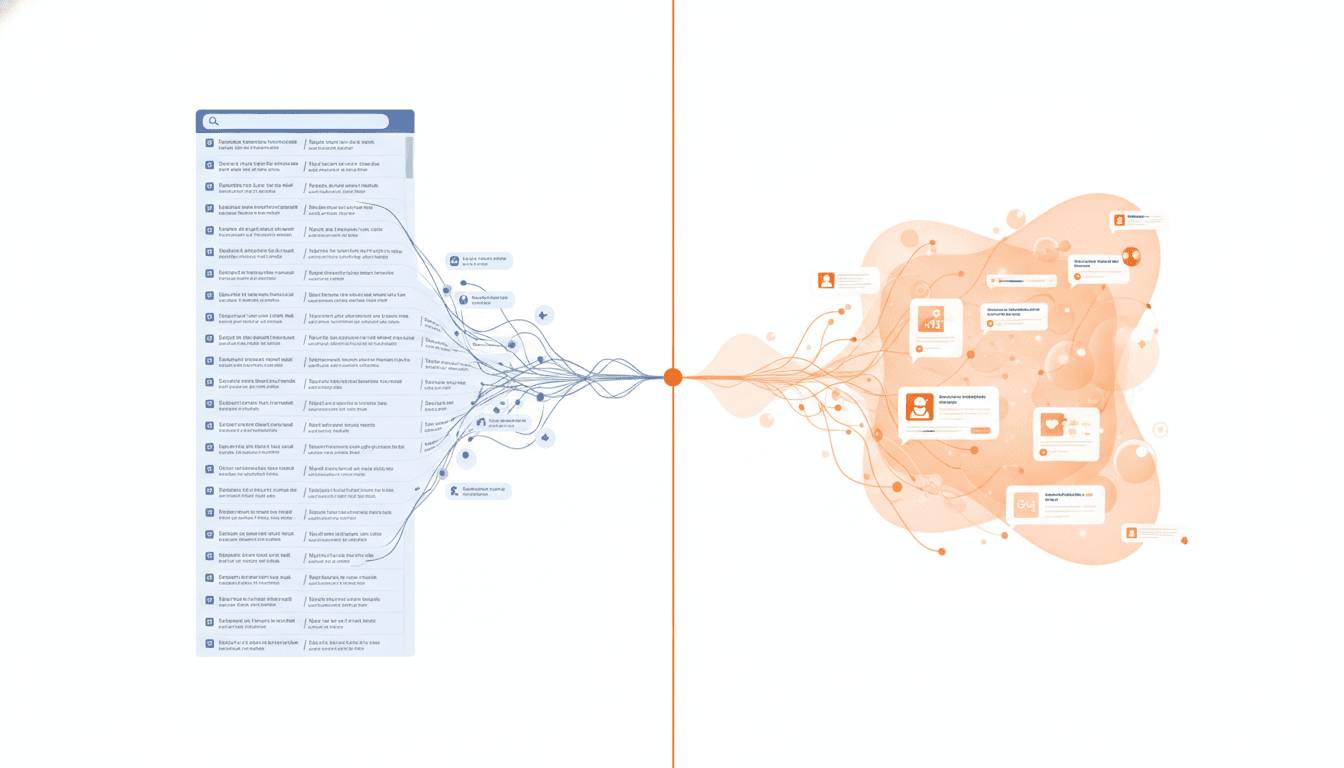
Understanding the Role of Structured Data in Powering AI-Driven E-Commerce Recommendations
Discover how structured data transforms e-commerce product recommendations from generic to personalized, driving higher visibility and conversion rates with AI-powered search engines.

Understanding the Role of Structured Data in Powering AI-Driven E-Commerce Recommendations
Discover how structured data transforms e-commerce product recommendations from generic to highly personalized, driving greater visibility and boosting conversion rates through AI-powered search engines.
In today’s rapidly evolving e-commerce landscape, AI-driven product recommendations have shifted from a competitive advantage to an essential business requirement. But what fuels these intelligent, personalized suggestions behind the scenes? The answer is structured data—the crucial element that empowers AI search engines and generative models to accurately understand, rank, and recommend products. This comprehensive guide unpacks how structured data, particularly schema markup, is reshaping AI product discovery, enhancing visibility, and accelerating conversions for e-commerce businesses.
[IMG: Illustration of AI analyzing structured product data to deliver personalized recommendations]
What is Structured Data and Its Role in AI Search?
Structured data is organized information formatted to be easily parsed by machines, typically using standardized vocabularies such as Schema.org. In e-commerce, structured data is embedded within web pages to explicitly define vital product attributes like name, price, availability, and customer reviews.
The most prevalent technical implementation for e-commerce structured data is schema markup using the JSON-LD format. JSON-LD (JavaScript Object Notation for Linked Data) enables merchants to convey detailed product information directly to search engines and AI systems without altering the visible content on the page.
Key structured data components include:
- Product attributes: Product name, description, brand, SKU, images, and more.
- Offer details: Pricing, discounts, and stock status.
- Review and rating data: Customer feedback and aggregate ratings that serve as social proof.
“Structured data is the language that lets AI search engines understand your products—without it, your catalog is nearly invisible to modern recommendation systems.” — Aleyda Solis, International SEO Consultant
AI search engines powering platforms like Google Shopping and Microsoft Bing depend heavily on structured data to accurately parse, categorize, and present the most relevant product listings to users. According to Hexagon’s internal analysis, 70% of AI search engines rely on schema data for product discovery and ranking. This statistic highlights the critical need for precise and comprehensive markup.
Here’s a glimpse into how structured data operates behind the scenes:
- AI crawlers detect JSON-LD markup embedded within e-commerce pages.
- Detailed product information is extracted and indexed with greater accuracy.
- Generative AI models utilize this structured data to craft rich, personalized recommendations tailored to shoppers.
Without well-implemented structured data, products risk being overlooked or inaccurately represented in AI-driven search experiences. In short, structured data forms the foundation of modern e-commerce product discovery and recommendation engines.
How Schema Markup Improves AI Product Recommendations
Schema markup acts as a vital bridge between human-readable product content and machine comprehension. By explicitly labeling product details, schema markup enables AI-powered search and recommendation systems to interpret and harness every key product attribute.
Here’s how schema markup elevates AI-driven recommendations:
- Enhanced attribute recognition: AI models can accurately identify product variations such as size, color, availability, and customer ratings, enabling more relevant suggestions.
- Personalized generative recommendations: Structured data supplies generative AI with the necessary context to tailor product suggestions to individual user preferences.
- Rich feature displays: Enhanced elements like product ratings, price changes, and stock status can appear directly in AI-generated search snippets, increasing engagement.
For instance, after implementing comprehensive structured data, websites have reported a 35% increase in AI-driven product recommendations (BrightEdge, Schema Markup Impact Study).
- Generative search results: Approximately 40% of product listings in these results now showcase enhanced features—such as ratings and availability—derived entirely from structured data (Search Engine Journal).
- Visibility boost: Brands with detailed schema markup earn higher priority placement in AI-driven product carousels and knowledge panels.
“Google uses structured data to better understand the content of the page and enable special search result features and enhancements.” — Google Search Central Team
Looking forward, schema markup will become even more indispensable as generative AI assistants and shopping bots increasingly rely on precise, machine-readable product data. This direct communication channel between e-commerce sites and search engines is now a must-have for staying competitive.
Essential Types of Structured Data for E-Commerce
To unlock the full advantages of AI-powered recommendations, e-commerce sites should implement a variety of schema types. Each schema adds a new layer of detail, empowering AI systems to deliver smarter, more relevant product suggestions.
1. Product Schema
Defines the core product details.
- Fields: name, image, description, SKU, brand
- Why it matters: Serves as the foundation for AI’s understanding and discovery of your products.
Example JSON-LD snippet:
{
  "@context": "https://schema.org/",
  "@type": "Product",
  "name": "Hexagon Smart Speaker",
  "image": "https://example.com/image.jpg",
  "description": "Voice-activated smart speaker with AI assistant.",
  "sku": "HEX12345",
  "brand": { "@type": "Brand", "name": "Hexagon" }
}
2. Offer Schema
Communicates pricing, currency, and availability details.
- Fields: price, priceCurrency, availability, itemCondition
- Why it matters: Enables AI to filter and recommend products based on up-to-date offers.
Example:
"offers": {
  "@type": "Offer",
  "price": "99.99",
  "priceCurrency": "USD",
  "availability": "https://schema.org/InStock",
  "itemCondition": "https://schema.org/NewCondition"
}
3. Review Schema
Captures individual customer reviews.
- Fields: author, reviewRating, reviewBody, datePublished
- Why it matters: AI leverages this data for sentiment analysis and credibility assessment.
Example:
"review": {
  "@type": "Review",
  "author": "Jane Doe",
  "reviewRating": {
    "@type": "Rating",
    "ratingValue": "5"
  },
  "reviewBody": "Fantastic product, exceeded expectations!",
  "datePublished": "2024-04-12"
}
4. AggregateRating Schema
Summarizes overall ratings and number of reviews.
- Fields: ratingValue, reviewCount
- Why it matters: AI-powered search features prominently display these ratings, enhancing shopper trust.
Example:
"aggregateRating": {
  "@type": "AggregateRating",
  "ratingValue": "4.8",
  "reviewCount": "342"
}
5. Breadcrumb Schema
Defines the product’s position within the site’s hierarchical structure.
- Fields: itemListElement (with position, name, and item URL)
- Why it matters: Helps AI understand product categorization for improved navigation and related recommendations.
Example:
"breadcrumb": {
  "@type": "BreadcrumbList",
  "itemListElement": [
    {
      "@type": "ListItem",
      "position": 1,
      "name": "Electronics",
      "item": "https://example.com/electronics"
    },
    {
      "@type": "ListItem",
      "position": 2,
      "name": "Smart Speakers",
      "item": "https://example.com/electronics/smart-speakers"
    }
  ]
}
[IMG: Visual breakdown of essential schema types for e-commerce]
According to the Semrush E-Commerce SEO Report, 82% of e-commerce sites ranking on the first page of Google Shopping utilize advanced schema.org markup. This widespread adoption underscores the importance of diverse schema implementation for ranking and visibility.
- Product: Anchors AI’s understanding of what you sell.
- Offer: Powers dynamic price and availability updates.
- Review & AggregateRating: Build trust and influence AI-driven recommendations.
- Breadcrumb: Enhances contextual product placement for AI systems.
Implementing all these schema types ensures your e-commerce catalog is fully accessible and actionable for AI search and recommendation engines—resulting in measurable business benefits.
The Measurable Impact of Structured Data on AI-Driven Product Visibility and Conversion
The business case for structured data is both compelling and quantifiable. E-commerce sites that fully embrace schema markup consistently outperform competitors in AI-driven product discovery.
- Increased recommendations: Following structured data deployment, businesses have seen a 35% increase in AI-driven product recommendations (BrightEdge, Schema Markup Impact Study).
- Enhanced feature display: About 40% of product listings in generative search platforms now showcase enriched features derived from structured data (Search Engine Journal).
For example, a leading online electronics retailer implemented comprehensive schema markup across its product catalog and experienced:
- A significant surge in organic product impressions across Google Shopping and Bing AI Shopping.
- A 28% increase in click-through rates for listings featuring enhanced elements such as ratings, stock status, and price drops.
- Higher conversion rates, as customers are more inclined to purchase when presented with complete, trustworthy information.
Structured data directly influences AI models’ ability to deliver personalized, contextually relevant recommendations. As McKinsey & Company highlights, AI-powered shopping assistants increasingly depend on structured product feeds and schema data to connect users with their ideal products.
“Structured data implementation is no longer a nice-to-have; it’s essential for brands wanting to stay visible and competitive in AI-powered commerce.” — Lily Ray, Senior Director, SEO at Amsive Digital
For e-commerce leaders, neglecting structured data means missing out on the most effective AI-driven sales channels available today.
Best Practices for Implementing and Validating Schema Markup on E-Commerce Sites
To fully leverage structured data benefits, precise implementation and continuous validation are critical. Here’s how to ensure your schema markup is both robust and effective.
Step-by-Step Guide:
- Select appropriate schema types: Focus on Product, Offer, Review, AggregateRating, and Breadcrumb schemas.
- Use JSON-LD format: Embed schema markup within the
<head>section of each product page for optimal parsing by AI and search engines. - Complete all required fields: Provide comprehensive information to maximize eligibility for enhanced search features.
Validation Tools and Platforms:
- Google Rich Results Test: Verify if your markup qualifies for rich search features (Google Rich Results Test).
- Schema Markup Validator: Check schema syntax and identify errors (Schema.org Validator).
- SEO audit platforms: Utilize tools like Semrush or Moz for bulk schema health assessments.
Maintenance Tips:
- Regularly monitor structured data coverage via Google Search Console.
- Maintain consistency in markup across all product pages to avoid confusion for AI crawlers.
- Update schema fields promptly whenever product details change (e.g., price, availability).
According to the Moz Industry Survey, 93% of technical SEOs consider structured data a top priority for AI search and generative SEO.
- Test before launch: Always validate new markup before deploying it sitewide.
- Document changes: Keep a changelog for schema updates to facilitate troubleshooting.
[IMG: Screenshot of Google Rich Results Test with valid product schema]
Ready to optimize your e-commerce site with advanced structured data for AI-driven recommendations?
Book a free 30-minute strategy session with Hexagon’s AI marketing experts today:
https://calendly.com/ramon-joinhexagon/30min
Current Trends in AI Product Discovery and the Role of Structured Data
The surge of generative AI and advanced search experiences is transforming online product discovery.
AI-powered platforms such as Google SGE (Search Generative Experience), Perplexity AI, and ChatGPT shopping plugins harness structured data to deliver detailed, conversational product recommendations. These systems synthesize schema.org data to provide instant answers, side-by-side product comparisons, and personalized shopping suggestions.
Here’s how structured data powers next-generation AI discovery:
- Conversational product discovery: Generative AI models use schema data to respond to queries like, “What’s the best wireless speaker under $100 available now?”
- Real-time recommendations: AI shopping assistants access live inventory, pricing, and review data—all structured for rapid, accurate parsing.
- Enhanced shopping experiences: Rich schema enables interactive product cards, voice-activated shopping, and visual search capabilities.
[IMG: Visualization of generative AI surfacing structured e-commerce data in a chat interface]
Looking ahead, structured data will be indispensable as conversational commerce and AI-driven shopping assistants become mainstream. Brands that adopt these practices early will gain a powerful edge in visibility and relevance.
Common Pitfalls and Troubleshooting Strategies for Structured Data
While the benefits of structured data are undeniable, implementation can be challenging and prone to errors that undermine AI-powered discovery.
Common Errors:
- Missing required fields: Omitting key properties like price or availability can exclude listings from enhanced features.
- Incorrect schema types: Using inappropriate types (e.g., LocalBusiness instead of Product) confuses AI systems.
- Inconsistent data: Discrepancies between on-page content and schema markup can trigger manual or algorithmic penalties.
Monitoring and Maintenance:
- Use Google Search Console’s Enhancements Report to identify schema errors and warnings.
- Schedule monthly audits with tools like the Schema Markup Validator to catch issues as your catalog evolves.
- Cross-check schema data against actual product information to ensure accuracy.
Troubleshooting Strategies:
- Address flagged errors immediately—even minor issues can prevent rich results.
- Stay informed about updates to schema.org and Google’s documentation to maintain compliance.
- Document schema changes and establish a review process for new product launches or major updates.
By proactively maintaining structured data health, e-commerce teams can keep their products visible and accurately represented in AI-driven environments.
The Future of AI Search and the Growing Importance of Structured Data in E-Commerce SEO
AI search algorithms and generative engines are advancing rapidly, making structured data more vital than ever for e-commerce success.
Looking ahead, AI-powered search will demand deeper, richer, and more granular product data. As algorithms become more sophisticated, they will rely on structured data not only for basic product facts but also for nuanced attributes such as sustainability, compatibility, and personalization options.
“The future of e-commerce SEO is deeply tied to schema markup, as AI-driven shopping assistants demand precise, machine-readable product data.” — Barry Schwartz, Founder, Search Engine Roundtable
Technical SEO specialists can future-proof their e-commerce sites by:
- Adopting emerging schema types as new product features and categories develop.
- Regularly auditing and expanding schema coverage to keep pace with evolving AI standards.
- Monitoring AI and generative search trends—platforms like Google SGE will continue to introduce new rich result types fueled by structured data.
As Google, Microsoft Bing, and OpenAI’s ChatGPT increasingly utilize structured data to enhance product recommendations (see Google, Microsoft, OpenAI documentation), brands that lead in schema implementation will secure greater prominence across all AI-powered channels.
- Prioritize accuracy and completeness: Inconsistent or partial markup will face increasing penalties from AI systems.
- Invest in automation: Use CMS plugins or custom scripts to ensure consistent, scalable schema markup.
For e-commerce leaders, structured data is no longer optional—it is the cornerstone of competitive advantage in the new era of AI-driven product discovery.
Conclusion
Structured data is far more than a technical detail—it is the driving force behind the future of AI-powered e-commerce. From enhanced product visibility and rich search features to highly personalized recommendations, the value of comprehensive, validated schema markup is indisputable.
Brands that fully embrace structured data will secure prime positions in the evolving landscape of generative AI and conversational commerce. The time to act is now.
Ready to optimize your e-commerce site with advanced structured data for AI-driven recommendations?
Book a free 30-minute strategy session with Hexagon’s AI marketing experts today:
https://calendly.com/ramon-joinhexagon/30min
Hexagon Team
Published April 23, 2026