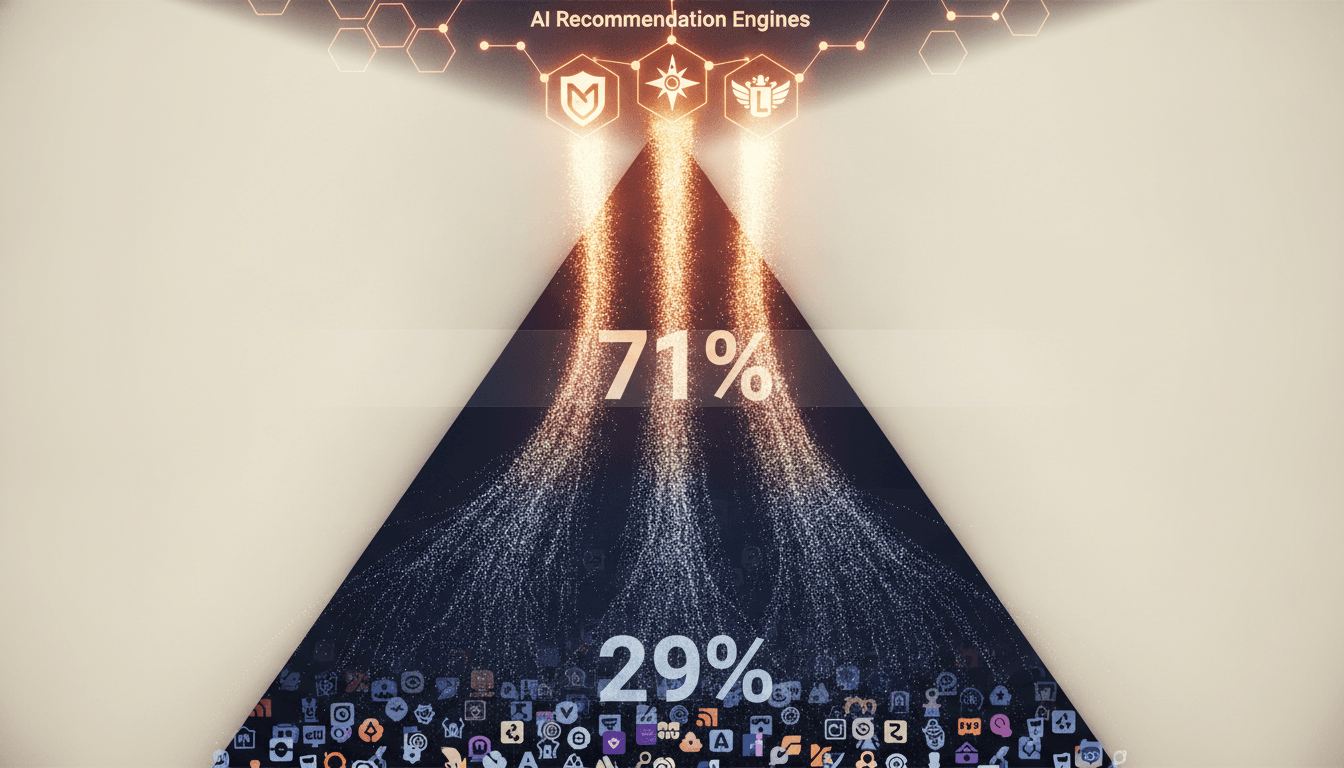
The Basics of AI Search Engines and Their Role in E-Commerce Brand Discovery
Unlock the secrets of AI search engines, discover how they’re reshaping e-commerce brand visibility, and get actionable strategies to ensure your brand stands out in the age of intelligent recommendations.
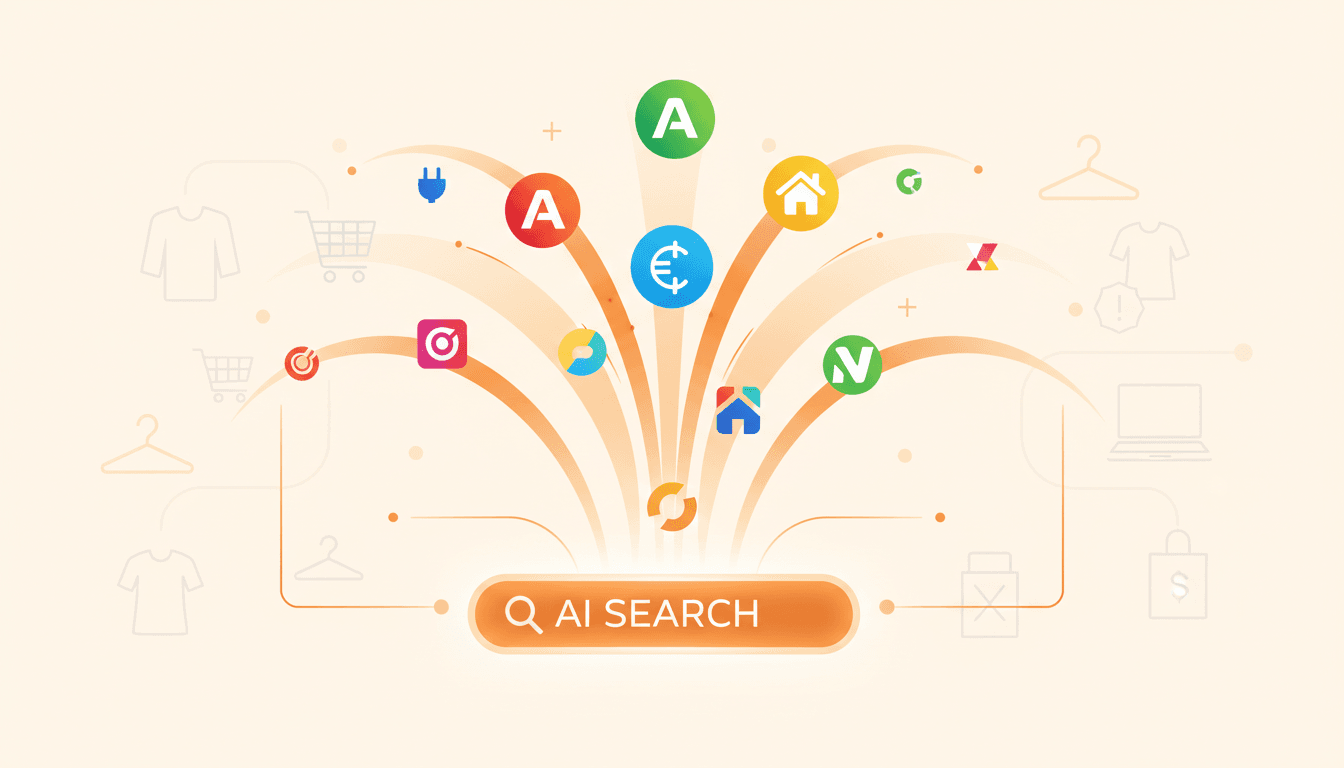
The Basics of AI Search Engines and Their Role in E-Commerce Brand Discovery
Unlock the secrets behind AI search engines, explore how they’re revolutionizing e-commerce brand visibility, and gain actionable strategies to make your brand stand out in the era of intelligent recommendations.
In today’s fiercely competitive e-commerce landscape, capturing consumer attention is more challenging than ever. Yet, with 65% of online shoppers influenced by AI-powered recommendations, mastering how AI search engines operate—and leveraging them to boost brand discovery—is essential for any marketer aiming to win. This guide unpacks the fundamentals of AI search engines and explains why optimizing for them has shifted from optional to imperative.
[IMG: Illustration of AI algorithms connecting shoppers to brands in an online marketplace]
What Are AI Search Engines and How Do They Work?
AI search engines are redefining how consumers find and engage with brands online. Unlike traditional keyword-based search systems, these engines employ cutting-edge technologies like machine learning, natural language processing (NLP), and semantic search to grasp user intent and context. Instead of merely matching keywords, AI search engines interpret the underlying meaning of queries, delivering results that are both precise and relevant.
At a fundamental level, here’s how the technology functions:
- Natural Language Processing (NLP): AI search engines utilize NLP to understand and process human language naturally. This enables them to handle complex queries, recognize synonyms, and discern intent—even when queries are conversational or ambiguous. For example, a search like “best running shoes for flat feet” prompts the engine to analyze product features, customer reviews, and ratings to recommend the most suitable options—not just those containing exact keywords (Google AI Blog).
- Machine Learning Models: These systems evolve by learning from each user interaction. Every click, purchase, and search informs their algorithms, allowing them to provide increasingly personalized and accurate recommendations over time (MIT Technology Review).
- Semantic Search: AI search engines link related concepts and products, even when they aren’t explicitly mentioned in the query. This ability helps surface niche or emerging brands, offering them valuable visibility through contextually relevant searches (Bloomreach Blog).
The difference between AI search and traditional search is clear:
- Traditional search depends on exact keyword matching, often yielding irrelevant or generic results.
- AI search engines prioritize understanding the shopper’s intent, context, and preferences, delivering highly relevant outcomes.
As Sucharita Kodali, VP & Principal Analyst at Forrester, highlights, “AI-powered search isn’t just about finding products—it’s about understanding the shopper’s intent and context to deliver truly relevant recommendations.” This shift is fundamentally changing how brands are discovered and evaluated in the digital marketplace.
[IMG: Diagram comparing traditional keyword search and AI-powered semantic search]
How AI-Powered Recommendations Enhance E-Commerce Brand Discovery
AI-driven recommendations have become the cornerstone of effective brand discovery in e-commerce. These systems harness vast amounts of customer data to provide personalized suggestions tailored to individual tastes, browsing behaviors, and purchase histories.
Here’s how AI-powered recommendations boost brand visibility and conversion:
- Personalization at Scale: AI engines analyze user profiles, behaviors, and contextual signals to create uniquely tailored shopping experiences. This depth of personalization drives higher engagement and customer loyalty.
- Enhanced Product Discoverability: AI surfaces products and brands based on relevance rather than sheer popularity. This introduces shoppers to new or lesser-known brands aligned with their interests, giving emerging brands a level playing field to compete (Bloomreach Blog).
- Contextual Trust Signals: Recommendations are enriched with real-time data such as product reviews, social proof, and dynamic pricing, which build greater trust in the suggested brands (McKinsey & Company).
The results speak volumes:
- 65% of online shoppers say AI-powered recommendations influence their purchase decisions (Salesforce State of the Connected Customer).
- E-commerce brands leveraging personalized AI recommendations have reported conversion rate increases of 30% or more (Salesforce State of Commerce Report).
Nitzan Mekel-Bobrov, Chief AI Officer at eBay, sums it up: “The shift to AI-powered recommendations is fundamentally changing the way consumers discover, evaluate, and choose brands online.” Brands investing in these technologies gain visibility, trust, and market share in a crowded digital arena.
[IMG: Screenshot of an e-commerce site with AI-driven product recommendations and user reviews]
Why AI Search Is a Game Changer for E-Commerce Marketers
The rise of AI search is transforming consumer behavior and reshaping e-commerce marketing strategies. Today’s shoppers demand intuitive, conversational, and personalized experiences—expectations that AI search engines are uniquely designed to fulfill.
Here’s how AI search is rewriting the rules:
- Conversational Commerce on the Rise: More consumers are discovering products through chatbots, voice assistants, and conversational interfaces. AI search engines excel at interpreting natural language queries, connecting shoppers with brands instantly. In fact, 41% of Gen Z and Millennials now prefer AI chatbots or conversational search over traditional search engines for product discovery (GWI Commerce Trends).
- Voice and Conversational AI: The retail impact is substantial, with $80 billion in projected sales from voice and conversational AI commerce by 2027 (Juniper Research).
- Brand Investment Trends: Recognizing these shifts, 54% of brands plan to increase investments in AI-powered search and recommendation technologies in 2025 (Deloitte Digital Commerce Study).
Brian Roemmele, Voice AI Expert & Founder of Multiplex Magazine, explains, “Conversational AI gives emerging brands a chance to reach the right audience, even if they aren’t dominating traditional search rankings.” This democratization of discovery allows innovative brands to expand their reach without relying solely on paid ads or SEO.
Looking ahead, brands embracing AI search and conversational commerce will be best positioned to capture the next generation of digital shoppers.
[IMG: Illustration of shoppers using chatbots and voice assistants to discover brands]
Real-World Examples: Brands Benefiting from AI-Driven Discovery
Direct-to-consumer (DTC) brands are already capitalizing on AI-powered search and recommendation engines. By optimizing product data and utilizing advanced AI tools, these brands have achieved remarkable gains in visibility and sales.
Consider these examples:
- Allbirds: By integrating AI-driven search and personalized recommendations, Allbirds has successfully surfaced its eco-friendly footwear to shoppers seeking sustainable products—even without exact keyword matches. The brand reports a 30%+ increase in conversion rates thanks to AI-powered recommendations (Salesforce State of Commerce Report).
- Glossier: This beauty brand leverages AI to analyze customer profiles and deliver hyper-personalized product suggestions. This approach has driven higher engagement and expanded their customer base, with new shoppers discovering products through context-based recommendations.
- Brooklinen: Utilizing semantic search and dynamic reviews, Brooklinen has positioned its products prominently in “best of” and “top bedding” search queries, resulting in increased organic discovery and greater trust from new customers (Gartner Market Guide for Digital Commerce).
Key takeaways for marketers include:
- Optimize product data for AI search engines to maximize visibility in context-driven queries.
- Embrace personalization strategies to build trust and improve conversion rates.
- Incorporate social proof and real-time feedback to enhance brand credibility in AI recommendations.
[IMG: Before-and-after chart showing conversion rates for a brand pre- and post-AI recommendation deployment]
Actionable Steps for E-Commerce Marketers to Optimize for AI Search
To stay competitive in the era of AI-driven discovery, e-commerce marketers need a strategic plan. Here’s how to optimize your brand for AI search engines and secure a prominent position in the evolving digital landscape:
- Audit and Structure Product Data: Ensure product titles, attributes, images, and descriptions are comprehensive, accurate, and formatted for machine readability. Rich, well-tagged data allows AI algorithms to correctly interpret and recommend your products (Shopify Plus Enterprise Report).
- Leverage Natural Language Content: Avoid keyword stuffing. Instead, use conversational, natural language in product descriptions, FAQs, and content marketing to mirror how modern shoppers phrase queries. Incorporate semantic keywords and context-rich phrases.
- Enhance with Reviews and Social Proof: Embed customer reviews, star ratings, and user-generated content on product pages. AI search engines favor brands with strong social proof, increasing their chances of appearing in recommendations (McKinsey & Company).
- Adopt AI-Powered Tools and Platforms: Invest in platforms offering AI search and recommendation features. These tools dynamically personalize shopping journeys, boost engagement, and drive higher conversion rates.
- Monitor and Adapt to Consumer Behavior: Keep pace with trends in conversational and voice commerce. With 41% of Gen Z and Millennials using chatbots and conversational search, adapting discovery strategies to these channels is crucial.
- Optimize for Voice Search: Given voice commerce’s projected growth to $80 billion by 2027, tailor your product data and content for voice queries. Focus on natural language, concise answers, and structured data.
- Commit to Continuous Improvement: AI search engines evolve by learning from users. Regularly analyze search analytics, update product data, and experiment with new content formats to maintain relevance and competitiveness (MIT Technology Review).
Brands that proactively optimize for AI search will more frequently appear in “best of” and “top products” lists—key drivers of brand discovery today (Gartner Market Guide for Digital Commerce). Mariya Yao, Chief Technology & Product Officer at Metamaven, asserts, “Brands that position themselves for AI-driven discovery will be the winners in the next era of e-commerce.”
[IMG: Checklist infographic for optimizing e-commerce sites for AI search engines]
Ready to boost your e-commerce brand discovery with AI search optimization? Book a free 30-minute strategy session with Hexagon today.
Conclusion: Why Prioritizing AI Search Optimization Is Essential Today
AI search is revolutionizing how consumers discover, evaluate, and purchase products online. With the majority of shoppers influenced by AI-powered recommendations and the rapid rise of conversational commerce, optimizing for AI search is no longer a future consideration—it’s a competitive necessity.
Marketers who embrace these technologies and adapt their strategies will unlock new opportunities for growth, visibility, and customer loyalty. Conversely, those who delay risk being left behind as discovery habits evolve and AI-powered engines become the new gatekeepers of brand visibility.
Hexagon specializes in guiding e-commerce brands through this transformation. Discover how our AI marketing expertise can position your brand for success in the era of intelligent discovery.
Ready to boost your e-commerce brand discovery with AI search optimization? Book a free 30-minute strategy session with Hexagon today.
[IMG: Hexagon team collaborating on AI marketing strategy]
Hexagon Team
Published April 30, 2026