Optimizing Product Feeds for Medium-Intent AI Shopping Queries in Health & Wellness: A Complete Guide
With 45% of health & wellness product searches via AI assistants falling into the medium-intent category, brands must master product feed optimization for discoverability and conversion. This guide details actionable strategies to boost impressions by 25% and sales by 18% through AI-powered product feeds.
Optimizing Product Feeds for Medium-Intent AI Shopping Queries in Health & Wellness: A Complete Guide
With 45% of health & wellness product searches via AI assistants falling into the medium-intent category, brands must master product feed optimization to enhance both discoverability and conversion. This guide offers actionable strategies proven to boost impressions by 25% and sales by 18% through AI-powered product feeds.
[IMG: AI-powered health & wellness product search interface showing a range of supplement products]
In today’s AI-driven shopping landscape, 45% of health & wellness product searches fall into the medium-intent category—a critical zone where shoppers seek guidance but haven’t yet committed to a specific brand or product. This presents a unique challenge for brands: how to craft product feeds that not only get discovered but also convert browsers into buyers.
The rise of AI assistants is transforming how consumers shop, and brands that neglect feed optimization risk fading into obscurity. Recent benchmarks reveal that well-optimized feeds can increase product impressions by 25% and drive an 18% sales uplift for health & wellness brands. In this comprehensive guide, we’ll walk you through every essential step to transform your product feed into a powerful AI marketing asset tailored for today’s dynamic e-commerce environment.
Ready to elevate your health & wellness product feeds for AI shopping success? Book a free 30-minute strategy session with Hexagon’s experts today.
Understanding Medium-Intent AI Shopping Queries in Health & Wellness
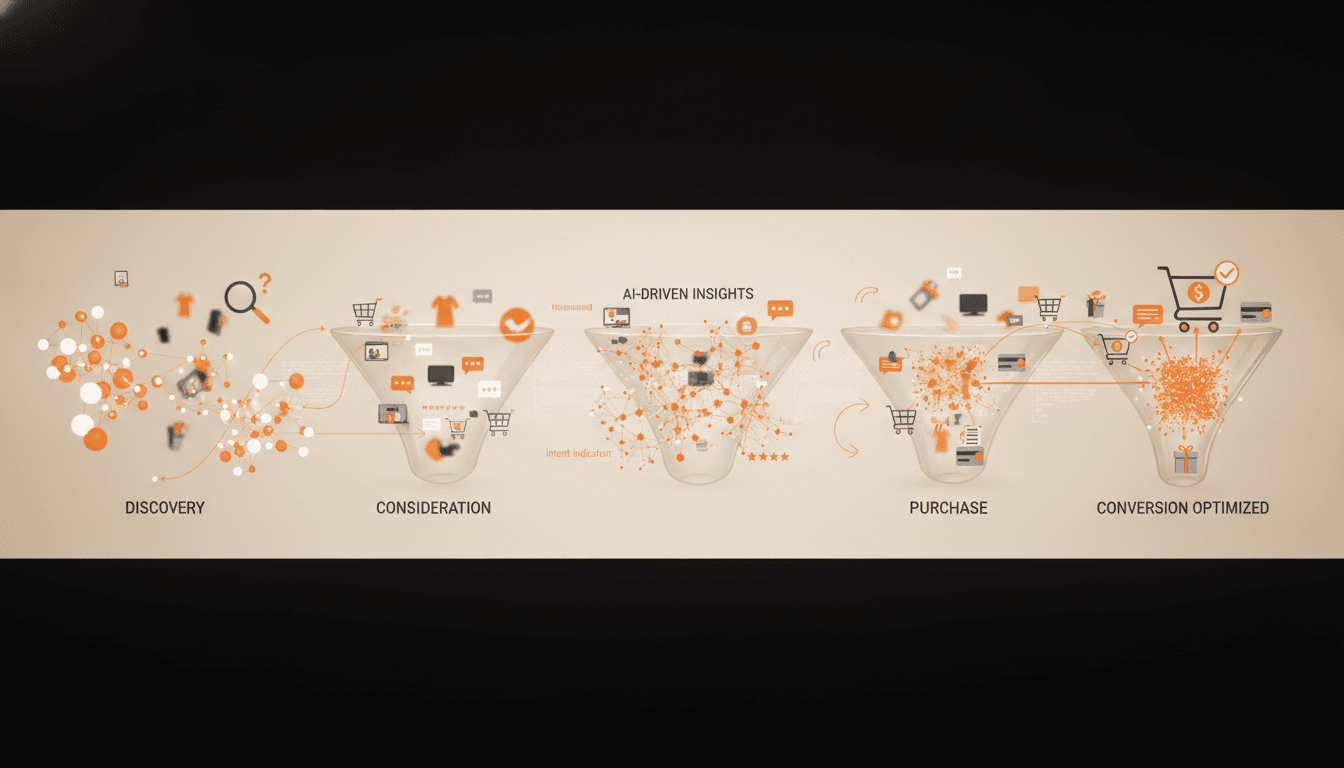
Medium-intent queries sit at the pivotal midpoint of the customer journey. These searches reflect shoppers who have a clear need or goal but remain open to exploring product options and brand recommendations. For instance, a user might ask, “What are the best natural sleep aids?” instead of searching for a specific product like “SleepWell melatonin gummies 5mg.”
This contrasts with low-intent queries, such as “sleep problems,” which are broad and informational, and high-intent queries, like “buy SleepWell melatonin gummies 5mg,” which demonstrate readiness to purchase. Medium-intent searches are marked by:
- A defined problem or desire without a brand or product commitment
- Openness to education, comparison, and discovery
- A demand for detailed, trustworthy product information
The health & wellness sector is especially influenced by this trend, with 45% of AI-facilitated product searches falling into the medium-intent bucket (Google Health Shopping Insights). Shoppers frequently use conversational AI interfaces to seek informed suggestions on supplements, fitness trackers, skincare, and more.
User behavior associated with medium-intent searches shows a strong preference for:
- Transparent product attributes (ingredients, certifications)
- Clear benefit statements and practical use cases
- Credible third-party validation (reviews, clinical claims)
Brands can seize this opportunity by ensuring their product feeds are rich, complete, and optimized for AI interpretation—positioning themselves as top contenders in these conversion-rich queries.
[IMG: Funnel diagram showing low, medium, and high-intent queries in AI shopping for health products]
Key Product Feed Data Attributes to Improve AI Discoverability for Health Products
AI shopping assistants depend heavily on structured and comprehensive product data to surface the most relevant items. In fact, 60% of AI shopping assistants rely on detailed product feed data to generate accurate recommendations (Retail AI Trends Report, Hexagon Insights). Without robust data, your products risk being overlooked in AI-driven health & wellness shopping environments.
Critical product feed attributes for health & wellness include:
- Ingredients: A detailed breakdown for transparency, regulatory compliance, and consumer trust
- Certifications: Organic, non-GMO, and third-party verifications to validate quality
- Use Cases: Specific health goals such as “supports sleep” or “aids digestion” to match shopper needs
- Dosage & Directions: Clear, easy-to-understand instructions to guide safe and effective use
- Benefits: Evidence-based claims like “clinically proven to reduce stress” to establish credibility
These consumer-focused attributes form the foundation of AI-powered commerce. As Maria Chen, Head of AI Commerce at Hexagon, emphasizes: “Structured product feed data is the backbone of AI-powered commerce—without it, products simply won’t be surfaced to today’s AI-first shoppers.”
For example, a shopper querying, “What supplements help with joint pain and are gluten-free?” will only receive relevant recommendations if your feed includes:
- Comprehensive allergen information (e.g., gluten-free labeling)
- Accurate use case tagging (joint pain relief)
- Verified benefit claims supported by clinical evidence
The advantages of detailed attributes include:
- Higher match rates with AI assistant queries
- Increased shopper trust and engagement
- Eligibility for premium placements in AI-driven recommendations
Looking forward, completeness and accuracy—especially in dosage, allergen details, and clinical claims—will become critical ranking factors (Gartner Guide: AI in Commerce). Brands that enrich their feeds with these key details consistently outperform competitors.
[IMG: Example product data feed fields for a health supplement, highlighting certifications and use cases]
Implementing Structured Data Best Practices with schema.org/HealthProduct
Standardization enables AI systems to accurately interpret and recommend your products. Schema.org’s HealthProduct markup offers a universal, structured vocabulary that allows AI shopping assistants to understand product details precisely.
Key features of schema.org/HealthProduct:
- Allows brands to annotate products with standardized fields such as active ingredients, dosage, and warnings
- Enhances the precision of AI-driven product matching and recommendations
- Ensures compatibility across most AI shopping and search platforms
To implement structured data effectively:
- On your website: Embed JSON-LD or microdata formats to tag product pages with schema.org/HealthProduct properties
- In product feeds: Export structured attributes (ingredients, certifications, dosage) as dedicated columns or fields
- Validation: Use tools like Google’s Structured Data Testing Tool to verify markup accuracy and resolve errors
Benefits of adopting standardized data include:
- A 30% higher chance of being indexed by AI shopping platforms in health-related categories (Schema.org Health E-commerce Case Study)
- Reduced data ambiguity, which leads to improved product discoverability
- Greater eligibility for AI assistant-driven shopping experiences
Lila Peterson, Principal Analyst at Gartner, highlights the importance: “With the rise of conversational commerce, feeding AI assistants with rich, up-to-date product data is not just best practice—it’s a competitive necessity.”
[IMG: Screenshot of JSON-LD schema.org/HealthProduct implementation for a supplement]
Enriching Product Feeds with Rich Media and Consumer-Centric Attributes
In the AI-powered commerce landscape, textual data alone no longer suffices. Product feeds enhanced with rich media—such as images, videos, and even 3D views—experience a 22% higher engagement rate in AI-assisted shopping journeys (Wunderman Thompson Commerce, Future Shopper Report). This holds especially true in health & wellness, where visual appeal and social proof heavily influence purchase decisions.
Key rich media elements to incorporate:
- High-resolution images: Including product shots, ingredient labels, and real-life usage scenarios
- Videos: Explainer clips, how-to guides, and unboxing experiences that educate and engage
- Infographics: Clear dosage guides, benefit summaries, and product comparison charts
Alongside rich media, consumer-centric attributes provide essential context and validation for AI assistants:
- Customer reviews and ratings: Boost trust and help AI prioritize products
- FAQs: Address common concerns, reducing purchase hesitation
- Clinical validation: Third-party studies, certifications, and evidence-based claims
For example, a product feed combining video demonstrations with verified customer reviews equips AI shopping assistants with richer data, enabling more confident and relevant recommendations. Dr. Samuel Ortiz, Director of E-commerce Strategy at eMarketer, notes: “Health brands that enrich their feeds with detailed attributes—such as clinical validation and allergen information—see a marked improvement in AI-driven product discovery.”
Benefits of integrating rich media and consumer-focused data:
- Enhanced AI comprehension of product value and application
- Increased engagement and conversion rates from AI shopping flows
- Greater shopper confidence leading to reduced decision friction
As AI shopping assistants evolve, expect them to prioritize products backed by comprehensive, media-rich data feeds.
[IMG: Product feed template with image, video thumbnail, reviews, and FAQ fields highlighted]
Ensuring Real-Time Feed Updates for Dynamic AI Shopping Environments
AI shopping assistants operate in real time, continuously scanning for the freshest product data to provide accurate recommendations. Outdated feeds—whether related to pricing, stock availability, or promotions—can quickly result in lost sales and diminished visibility.
Why real-time updates matter:
- Current pricing: Reflects ongoing promotions, discounts, and competitive offers
- Stock levels: Prevents recommendations of out-of-stock products, enhancing shopper experience
- Promotions: Ensures timely surfacing of limited-time deals and bundles
To automate feed refresh and synchronization effectively:
- API-based integrations: Link e-commerce platforms directly to feed management systems for instant data updates
- Scheduled feed refreshes: Configure hourly or on-demand refresh cycles to maintain data accuracy
- Inventory management tools: Synchronize stock levels seamlessly across all sales channels
Integration with AI shopping platforms requires real-time feed updates to sustain product eligibility (BigCommerce AI Shopping Integration Guide). Real-time data ensures AI assistants recommend only available products, preventing frustrating shopper experiences.
Impact of maintaining real-time data:
- Keeps product recommendations highly relevant in AI-driven interactions
- Reduces cart abandonment and customer dissatisfaction
- Supports dynamic pricing and flash sales strategies effectively
To stay ahead, combine automation tools with standardized, structured feeds that are always current and AI-ready.
[IMG: Dashboard showing real-time product feed updates, with stock and price changes highlighted]
Integrating Product Feeds with Leading AI Shopping Assistants Using Standardized APIs
The AI shopping ecosystem is rapidly expanding, with leading assistants such as ChatGPT, Perplexity, and Claude powering conversational commerce experiences. To capitalize on this growth, brands must ensure seamless integration of their product feeds across these diverse platforms.
Overview of top AI shopping assistants:
- ChatGPT: Drives conversational shopping on web and mobile, leveraging structured product feed data for smart recommendations
- Perplexity: Utilizes detailed product metadata (ingredients, certifications) to align user queries with relevant health products
- Claude: Emphasizes ethical AI and transparent sourcing, favoring feeds with comprehensive attributes and schema markup
To enable smooth data integration through standardized APIs:
- Adopt universal API standards: Such as Google Merchant Center, Facebook Product Catalog, and OpenAI’s product feed APIs
- Ensure consistent data mapping: Align feed fields precisely with AI assistant specifications for seamless ingestion
- Automate synchronization: Maintain real-time updates of pricing, stock, and promotions
Best practices for compatibility and data quality:
- Regularly validate feeds using each AI platform’s diagnostic tools
- Monitor API logs to detect and resolve errors or mismatches promptly
- Stay updated on documentation changes regarding data schema requirements
AI shopping assistants prioritize feeds with clear, standardized schema markup to enhance product matching accuracy (AI Commerce Consortium White Paper). By maintaining high-quality, API-driven integrations, brands maximize product visibility and eligibility within AI-powered shopping journeys.
[IMG: Flowchart showing product feed integration from e-commerce platform to multiple AI shopping assistants]
Monitoring AI-Driven Product Impressions and Adjusting Feed Strategy
Winning in AI-powered shopping requires measuring the right metrics. Monitoring product impressions and engagement from AI shopping platforms is essential to refine and optimize your feed strategy continuously.
Key performance indicators to track:
- Product impressions: Frequency of your products appearing in AI assistant recommendations
- Click-through rates (CTR): Level of user engagement with product listings
- Conversion rates: Purchases originating from AI shopping flows
Understanding which feed attributes drive higher impressions is vital. For example, including allergen details or clinical claims often results in greater visibility and improved conversions within health & wellness categories. Indeed, proper feed optimization can lead to a 25% increase in product impressions in AI-driven shopping environments (CommerceNext AI Shopping Benchmark).
Strategies to fine-tune your feed for optimal performance:
- A/B test different combinations of attributes (e.g., benefit statements, certifications)
- Remove incomplete or outdated data fields
- Focus on attributes that consistently deliver higher impressions and engagement
Looking ahead, continuous monitoring and agile adjustments will separate static listings from high-performing, AI-optimized product feeds.
[IMG: Analytics dashboard showing product impressions and attribute performance for AI shopping]
Leveraging Analytics to Refine Product Feed Performance for Medium-Intent Queries
Analytics tools are indispensable for measuring the impact of feed optimization on medium-intent AI shopping queries. Brands should harness:
- Conversion uplift analysis to quantify sales impact
- Funnel tracking to understand user behavior through AI shopping flows
- Attribute performance reporting to identify which data drives conversions
Testing different attribute combinations uncovers the optimal mix for maximum effect. For instance, integrating clinical validation and allergen information frequently results in higher rankings and increased sales.
Case studies confirm: Health & wellness brands report an 18% sales uplift after optimizing product feeds for AI shopping assistants (eMarketer Health Commerce Survey). This uplift underscores the powerful role of analytics-driven feed refinement.
Regular analytics review combined with agile data updates ensures your product feeds remain competitive and continue to excel in the evolving AI shopping ecosystem.
[IMG: Case study snippet showing sales uplift after product feed optimization]
Conclusion: Transform Your Health & Wellness Product Feeds into AI Marketing Assets
The future of health & wellness commerce is unmistakably AI-first, with medium-intent queries offering the greatest opportunity to capture new customers. By optimizing product feeds specifically for AI shopping assistants, brands can boost impressions by 25%, achieve an 18% increase in sales, and ensure their products stand out in every relevant search.
To get started:
- Prioritize detailed, consumer-centric attributes
- Implement schema.org/HealthProduct structured data for standardization
- Enrich feeds with rich media and maintain real-time updates
- Integrate seamlessly with leading AI shopping platforms using standardized APIs
- Continuously monitor, analyze, and iterate to maximize performance
Ready to elevate your health & wellness product feeds for AI shopping success? Book a free 30-minute strategy session with Hexagon’s experts today.
[IMG: Happy brand manager reviewing improved AI-driven sales analytics for health products]
Hexagon Team
Published April 15, 2026