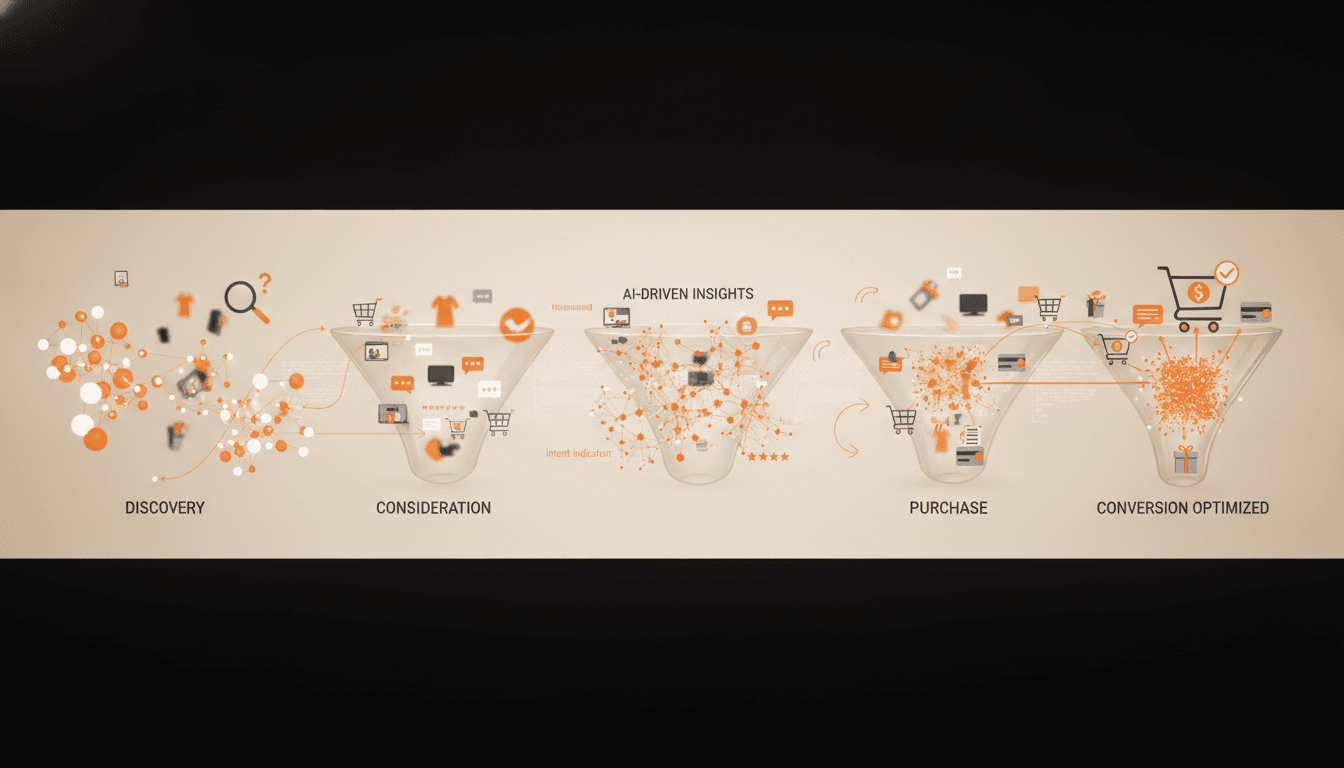
Medium-Intent GEO Strategies for Emerging Health & Wellness Brands in 2024
Discover how emerging health & wellness brands can capture research-phase consumers by optimizing for medium-intent AI search queries. Learn actionable GEO strategies for 2024, from structured FAQs to technical SEO best practices, and elevate your AI search presence with proven tactics.
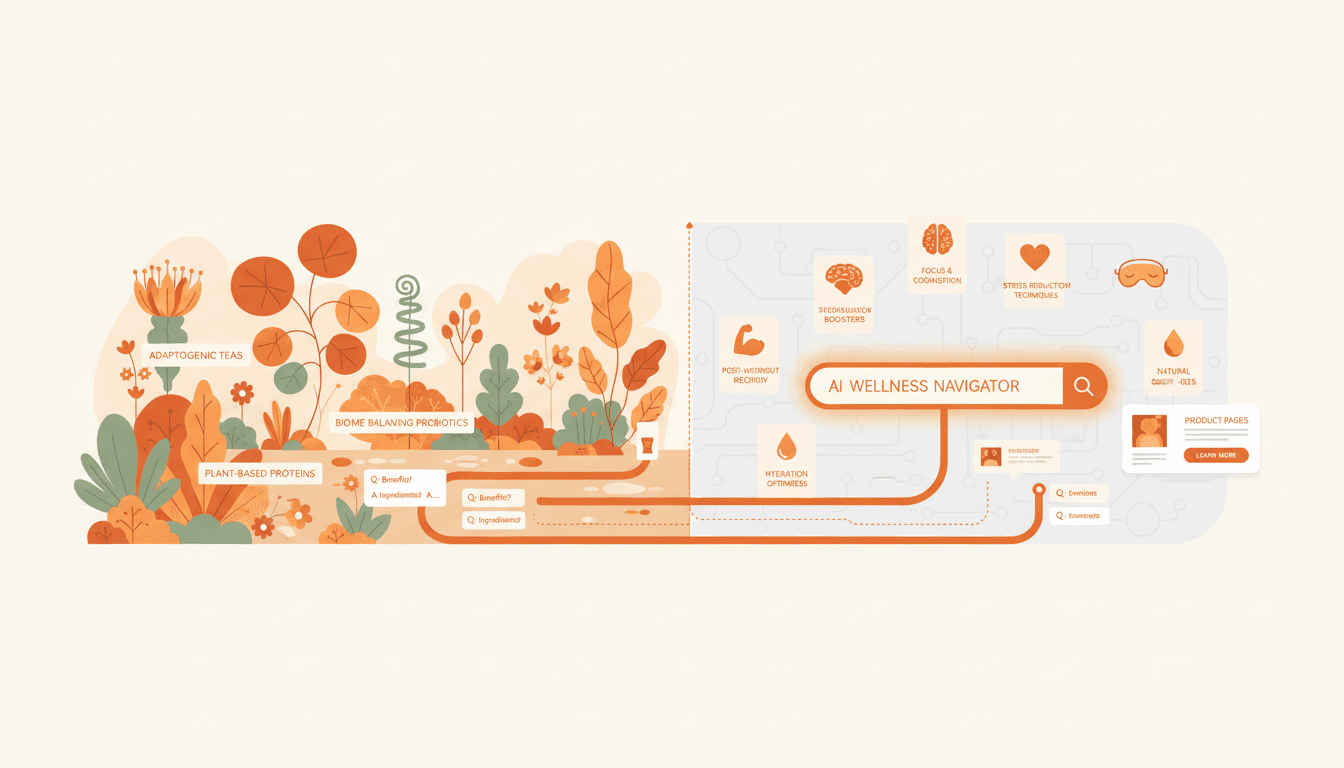
Medium-Intent GEO Strategies for Emerging Health & Wellness Brands in 2024
Discover how emerging health & wellness brands can capture research-phase consumers by optimizing for medium-intent AI search queries. Learn actionable GEO strategies for 2024, from structured FAQs to technical SEO best practices, and elevate your AI search presence with proven tactics.
[IMG: Health & wellness shopper consulting an AI assistant on a smartphone, surrounded by product packaging and digital icons]
In 2024, nearly half of health & wellness shoppers turn to AI assistants during their product research—a transformative shift that’s redefining brand-consumer engagement. For emerging health & wellness brands, optimizing for medium-intent AI search queries isn’t merely advantageous; it’s critical. This comprehensive guide unveils proven GEO strategies designed to position your brand prominently within AI-powered recommendations, foster trust with consumers in their research phase, and ultimately boost conversions.
Ready to elevate your health & wellness brand’s AI search presence with expert GEO strategies? Book a personalized 30-minute consultation with Hexagon today.
Understanding Medium-Intent AI Search Queries in Health & Wellness
[IMG: Diagram showing the spectrum of search intent with medium-intent highlighted and examples specific to health & wellness]
The surge of AI-powered shopping assistants is revolutionizing how consumers discover and assess health & wellness products. According to Gartner, 45% of shoppers now use AI assistants like ChatGPT or Perplexity during their product research phase. For emerging brands, understanding and targeting medium-intent search queries is essential to stand out at this critical decision-making juncture.
What Are Medium-Intent Queries?
Medium-intent queries occupy the space between broad awareness and ready-to-purchase transactional searches. In health & wellness, these queries capture consumers actively evaluating options, comparing products, or seeking detailed information.
- Ingredient comparisons: “Magnesium glycinate vs magnesium citrate for sleep”
- Benefit inquiries: “Does ashwagandha reduce stress?”
- Usage scenarios: “Best collagen supplements for runners”
Per Semrush Health & Wellness Search Trends, 2024, medium-intent queries represent 40% of all health & wellness product discovery searches. These research-driven questions demand specific, trustworthy answers.
Why Focus on Medium-Intent Queries?
For emerging brands, medium-intent queries present a unique window of opportunity. Consumers at this stage aren’t casually browsing—they’re seeking in-depth information to make informed choices. Data from Hexagon Internal Data reveals that medium-intent content yields 30% higher engagement rates on AI-powered discovery platforms compared to generic listings.
Anna Kim, Director of Content Strategy at BrightEdge, underscores this trend:
“In 2024, health and wellness brands that prioritize medium-intent GEO strategies are positioned to capture consumers precisely when they’re weighing options. AI assistants reward content that is structured, transparent, and deeply research-driven.”
Addressing these queries with clarity and depth not only builds consumer trust but also enhances your chances of being prominently recommended by AI platforms. This is increasingly vital as AI-generated shopping guides often source content from well-organized product pages and detailed FAQs (Google Search Central, 2024).
Crafting Content That Engages Research-Phase Consumers in AI Recommendations
[IMG: Screenshot mockup of a health product page with structured FAQs, ingredient list, and user-generated reviews]
To capture research-phase consumers, brands must develop content that answers medium-intent queries in formats AI assistants can readily parse and recommend. Below are key strategies to create content that attracts and converts these valuable shoppers:
1. Develop Structured FAQ Sections
AI assistants increasingly prioritize brands offering clear, well-structured, research-backed FAQ content. Matthew Lee, AI Product Manager at Perplexity, notes,
“Brands providing precise, structured information—especially through FAQs—are gaining favor with AI assistants during the research phase.”
- Identify prevalent medium-intent queries via keyword research and AI search trend analyses.
- Build dedicated FAQ sections for each product or category, covering ingredient comparisons, usage contexts, and benefit-focused questions.
- Implement Schema.org FAQ markup to enable AI assistants to recognize and feature your answers.
Key fact: Brands that incorporate structured FAQ content see up to a 25% boost in AI recommendation likelihood (BrightEdge, AI Search and Structured Content Report).
Example FAQ topics:
- “How does your probiotic differ from others on the market?”
- “Is this supplement suitable for vegans?”
- “What certifications does your CBD oil hold?”
2. Ensure Transparent Ingredient Lists and Certifications
Health & wellness shoppers—and the AI platforms serving them—demand transparency. Prominently displaying ingredients, sourcing details, and third-party certifications not only builds trust but also enhances your content’s discoverability.
- Show complete ingredient lists, including sources and concentrations, on product pages.
- Highlight certifications such as USDA Organic, NSF Certified, and Non-GMO Project Verified with recognizable badges.
- Apply structured data markup for ingredients and certifications to improve AI parsing.
Per OpenAI ChatGPT Content Preference Analysis, 2024, AI assistants prefer brands that provide transparent ingredient details, third-party certifications, and clear use-case content.
3. Leverage Use-Case Scenarios for Trust and Relevance
Use-case-driven content helps consumers envision how your product fits into their daily routines. Examples like “Best adaptogen blends for busy professionals” or “Collagen for postpartum recovery” demonstrate both expertise and empathy.
- Craft detailed use-case scenarios on product and landing pages.
- Incorporate customer stories or expert insights to validate claims.
- Structure scenarios so AI can easily extract and recommend them in relevant contexts.
Priya Natarajan, VP, Consumer Insights at Hexagon, emphasizes:
“Medium-intent queries are the new battleground for health brands. Consumers want nuanced answers and comparisons—not just basic product specs.”
4. Encourage and Mark Up User-Generated Reviews and Testimonials
User-generated content like reviews and testimonials significantly boosts credibility and AI discoverability—especially when properly marked up for search engines.
- Invite verified buyers to leave detailed reviews about their experiences and specific benefits.
- Use Schema.org Review markup to ensure reviews are surfaced in AI recommendations.
- Highlight testimonials addressing common medium-intent concerns (e.g., “Did this help with sleep?”).
Key fact: User-generated reviews and testimonials with markup are 18% more likely to appear in AI-powered recommendations (Trustpilot AI Search Impact Report).
5. Update FAQs and Product Pages for AI-Driven Queries
Consumer questions evolve rapidly, especially as AI platforms launch new features and update their algorithms. Brands that proactively refresh FAQs and product pages to align with AI query trends experience notable organic growth.
- Monitor AI-driven search traffic and engagement.
- Update content regularly to reflect new and trending queries.
- Collaborate with customer service teams to capture emerging concerns.
Key fact: Brands that update their FAQs and product pages in response to evolving AI queries see up to 22% growth in organic AI-driven traffic within six months (Ahrefs, AI-Driven Search Case Studies).
David Tran, Head of AI Search at Moz, summarizes:
“Generative engines are transforming the shopping journey. Brands that optimize product pages and FAQs for AI readability gain significant boosts in recommendations and conversions.”
Technical GEO Tactics to Boost AI Visibility for Health Products
[IMG: Flowchart showing technical SEO steps: schema markup, canonical tags, mobile optimization, review markup]
Compelling content is vital, but technical GEO optimizations form the foundation of AI-powered product discovery. Health & wellness brands that adopt solid technical SEO practices consistently outperform competitors in AI search visibility.
Here’s how to make your products AI-ready:
1. Implement Structured Data with Schema.org Markup
AI assistants depend on structured data to interpret and surface relevant content. Using Schema.org markup for FAQs, product details, and reviews ensures your site is accurately parsed by generative engines.
- Apply FAQPage schema to flag Q&A sections for AI recognition.
- Use Product schema including attributes like price, availability, and ingredient lists.
- Markup reviews and ratings to enhance social proof in AI recommendations.
Key fact: Brands using schema markup for FAQs and product attributes enjoy a 19% increase in click-through rates from AI-powered search (Moz, Generative SEO Study).
2. Use Canonical Tags to Prevent Duplicate Content Issues
Duplicate or near-duplicate content can confuse AI engines and weaken your chances of recommendation. Canonical tags clarify which page version is authoritative.
- Add rel=“canonical” tags on product pages, especially when products appear in multiple categories.
- Consolidate overlapping FAQs and product answers to minimize redundancy.
This ensures AI assistants index and promote your most valuable, up-to-date pages.
3. Prioritize Fast-Loading, Mobile-Friendly Design
AI-powered platforms favor sites delivering fast, mobile-first experiences. As health & wellness shoppers increasingly research on mobile devices, page speed and mobile usability are essential.
- Optimize and compress images to reduce load times.
- Implement responsive design frameworks for smooth mobile navigation.
- Regularly test mobile performance with tools like Google PageSpeed Insights.
Such technical enhancements directly impact AI assistant content selection (Search Engine Journal, Technical SEO for AI Assistants).
4. Markup Reviews and Testimonials for Enhanced AI Recommendations
AI assistants often surface reviews and testimonials in responses, especially for medium-intent queries. Proper review markup ensures your customer feedback is discoverable and trusted.
- Use Review and AggregateRating schema on all product review sections.
- Feature key testimonials in structured data format.
- Monitor which reviews AI assistants highlight and update markup accordingly.
Key fact: Marked-up reviews and testimonials are not only more trusted by shoppers but also 18% more likely to be featured in AI-powered recommendations (Trustpilot AI Search Impact Report).
Ready to elevate your health & wellness brand’s AI search presence with expert GEO strategies? Book a personalized 30-minute consultation with Hexagon today.
Monitoring and Evolving Your GEO Strategy with AI Insights
[IMG: Dashboard screenshot showing AI-driven SEO metrics and trending search queries]
AI-powered search is dynamic. To stay ahead of shifting algorithms and emerging consumer trends, brands must continuously monitor and adapt their GEO strategies.
Here’s how to build a proactive, data-driven approach:
1. Track AI-Driven Engagement Metrics
Regularly analyze metrics such as:
- Impressions and click-through rates (CTR) from AI-powered search engines and shopping guides
- Engagement rates on FAQ and product pages
- Conversion rates from AI-referred traffic
These insights reveal which content and technical tactics deliver results.
2. Update Content Based on AI-Generated Queries
AI assistants’ understanding of language and intent evolves constantly. Stay agile by:
- Monitoring new and trending queries using tools like Google Search Console, Ahrefs, and AI platform analytics
- Refreshing FAQ, use-case, and product pages to address emerging questions or concerns
- Phasing out outdated content that no longer aligns with top AI-driven queries
3. Leverage AI Platform Guidelines and Industry Studies
Leading AI platforms such as Google, OpenAI, and Perplexity regularly release guidelines and case studies on content optimization. Reviewing these resources helps you:
- Align with best practices for AI readability and recommendations
- Anticipate shifts in AI-powered product discovery
- Benchmark your performance against industry standards
Looking forward, brands that actively adapt to AI search trends will be best positioned to capture and convert research-phase consumers.
Summary and Next Steps for Emerging Health & Wellness Brands
[IMG: Emerging health & wellness brand team strategizing around a table with digital marketing dashboards]
The health & wellness landscape in 2024 is increasingly shaped by AI’s growing role in consumer research and product discovery. To capture the attention and trust of medium-intent, research-phase shoppers, brands must adopt a comprehensive GEO strategy.
Key takeaways:
- Target medium-intent queries with structured FAQs, ingredient transparency, and detailed use-case scenarios.
- Implement technical SEO best practices—including Schema.org markup, canonical tags, and mobile optimization—to maximize AI visibility.
- Monitor AI-driven metrics and update content regularly to keep pace with evolving search trends and platform guidelines.
Brands employing these strategies have reported up to 22% growth in AI-driven organic traffic and a 19% increase in click-through rates from AI-powered search. Achieving AI search dominance is an iterative process—success hinges on continuous adaptation and proactive optimization.
Actionable steps to start today:
- Audit your current FAQ and product pages for medium-intent query coverage.
- Apply structured data markup to your content and reviews.
- Regularly review AI-driven engagement metrics and refine your strategy.
Those who remain agile and data-driven will secure a lasting competitive edge in the AI-powered health & wellness marketplace.
Ready to future-proof your brand’s AI search presence? Book a personalized 30-minute consultation with Hexagon now.
Want more expert insights on AI-powered GEO strategies for health & wellness? Subscribe to the Hexagon blog for the latest trends and actionable guides.
Hexagon Team
Published May 15, 2026