Medium-Intent AI Search Optimization Best Practices for Emerging Food & Beverage Brands
As AI search transforms how consumers discover food and beverage products, medium-intent queries have become a key battleground for emerging brands. This comprehensive guide explores data-driven strategies and technical best practices to maximize visibility and conversion in the AI-powered landscape.
Medium-Intent AI Search Optimization Best Practices for Emerging Food & Beverage Brands
As AI search revolutionizes how consumers uncover food and beverage products, medium-intent queries have emerged as a pivotal battleground for emerging brands. This comprehensive guide dives into data-driven strategies and technical best practices designed to maximize your visibility and conversion in the AI-powered discovery landscape.
[IMG: An AI-powered search interface displaying recommended food and beverage products from emerging brands]
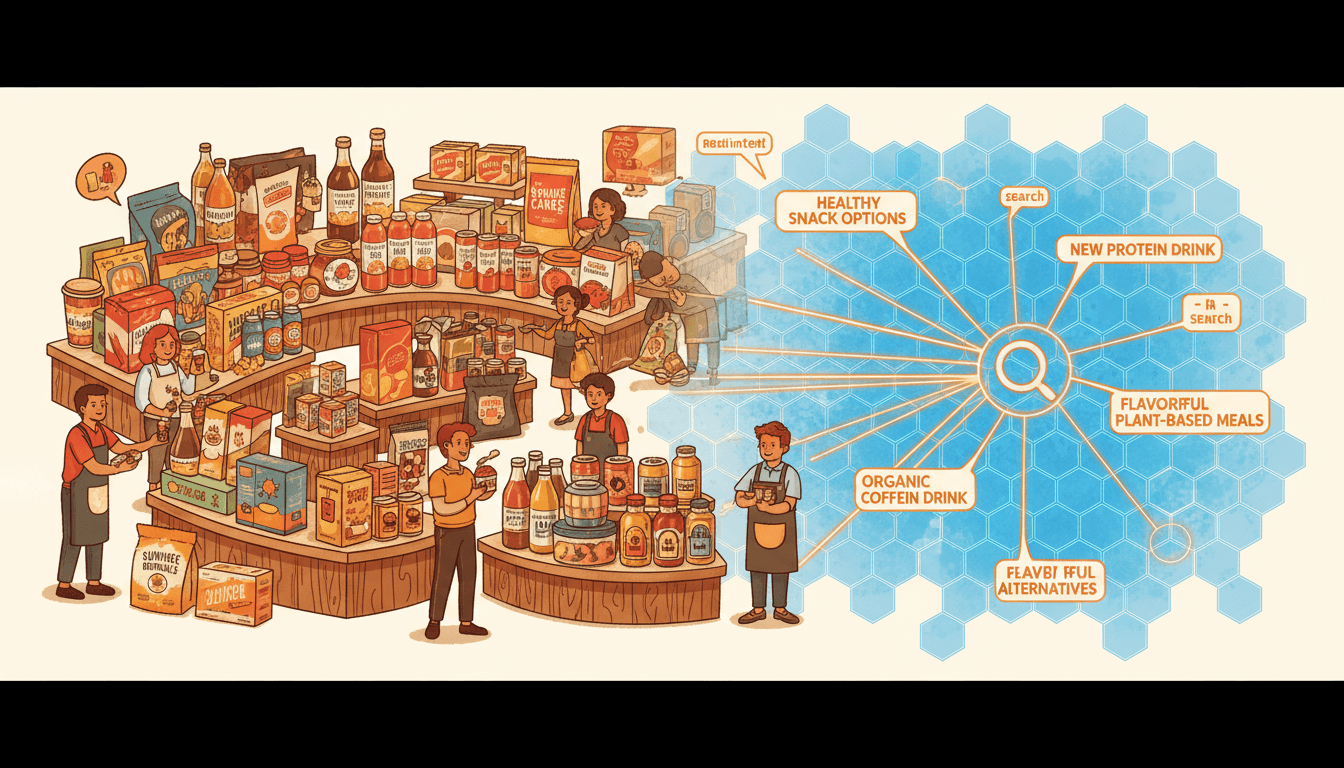
AI-powered search is fundamentally transforming the way consumers find food and beverage products. For emerging brands, the pressing challenge is clear: how to capture the attention of medium-intent AI shoppers—those who seek inspiration and exploration but haven’t yet committed to a purchase. These consumers often use search to discover meal ideas, ingredient alternatives, or new flavor profiles, remaining open to suggestions.
Medium-intent queries like “healthy weeknight dinner ideas” or “best dairy-free snacks” dominate AI-powered food and beverage discovery. According to Hexagon Internal Data, these queries drive 55% of AI-powered recipe and meal recommendations. Brands that appear in these moments can experience up to a 70% increase in conversion likelihood when offering relevant AI-generated product bundles (Hexagon Conversion Analysis).
This guide uncovers proven GEO tactics and product feed optimization strategies that can dramatically elevate your brand’s visibility and conversion rates within AI search results.
Ready to amplify your emerging food & beverage brand’s presence in AI search? Book a free 30-minute strategy session with Hexagon’s experts today.
Understanding Medium-Intent AI Search Queries and Their Importance for Food & Beverage Brands
Medium-intent AI search queries represent an exciting new frontier for food and beverage brands aiming to accelerate digital growth. Unlike low-intent queries—broad exploratory searches such as “what are healthy snacks”—or high-intent queries signaling imminent purchase like “buy gluten-free protein bars online,” medium-intent queries indicate shoppers who are action-oriented yet brand-agnostic.
For instance, a consumer might search, “What can I make for a quick vegan lunch?” or “Which snacks pair well with sparkling water?” These queries reveal a readiness to explore options without a fixed brand preference, offering emerging brands a valuable opportunity to shine.
So why do medium-intent queries hold such weight in food and beverage discovery? Consider this:
- 55% of AI-powered recipe and meal recommendations stem from medium-intent queries (Hexagon Internal Data)
- Shoppers at this stage are open to discovering new brands and products, not yet locked into a purchase decision
- These queries align naturally with AI assistants’ strengths—curation, personalization, and contextual recommendations
Jenna Ortiz, Principal Analyst at Forrester, highlights, “Medium-intent queries represent the sweet spot for food brands—where shoppers are receptive to suggestions but ready to act. Success here demands a seamless synergy between content and data.” Brands that master this approach position themselves as trusted resources for busy, curious consumers.
The conversion upside is significant. Hexagon’s studies reveal a 70% increase in conversion likelihood among medium-intent shoppers when they encounter relevant, AI-curated product bundles. For emerging brands, this window offers a rare chance to influence consideration and drive sales before legacy competitors dominate the conversation.
[IMG: Diagram contrasting low-, medium-, and high-intent AI food queries with examples]
How Hexagon’s GEO Platform Structures and Enriches Product Data for AI Search
AI-powered discovery engines depend heavily on structured, enriched product data to deliver relevant recommendations. Hexagon’s GEO platform is expertly crafted to empower emerging food and beverage brands in this dynamic environment.
Here’s how GEO technology forms the backbone of AI search optimization:
- Structures product feeds with rich, descriptive attributes such as ingredients, dietary tags, flavor notes, and more
- Enhances feeds with contextual data—including usage occasions, sustainability credentials, and pairing suggestions—specifically tailored for AI consumption
- Seamlessly integrates with leading AI assistants and search engines, maximizing your brand’s reach
Ava Lin, Head of Product at Hexagon, explains, “To win in AI-driven food discovery, brands must get granular with structured data and descriptive attributes—AI assistants need context to recommend you.” This goes beyond basic product listings, encompassing every nuanced detail shoppers and algorithms seek.
The impact for emerging brands is immediate and measurable:
- Brands leveraging GEO experience a 45% increase in AI search traffic within 60 days (Hexagon Customer Benchmark Report)
- Improved AI search rankings and greater inclusion in recipe and meal recommendations
- Enhanced discoverability for niche products and new launches
- Reduced risk of being overlooked in generic, unstructured search results
GEO’s data enrichment drives these results through:
- Contextual enrichment: Adding precise metadata and schema tags such as “gluten-free,” “spicy,” or “kid-friendly”
- Dynamic updating: Keeping product information, inventory, and attributes current in real time
- AI-ready formatting: Structuring data to meet requirements from Google, OpenAI, Alexa, and other major AI platforms
Michael Tran, VP of Digital Strategy at McKinsey, observes, “Emerging F&B brands with dynamic, AI-ready product feeds are witnessing unprecedented gains in visibility and conversion from medium-intent assistant searches.” The evidence is clear: comprehensive, structured product data has become the new battleground for digital discovery.
[IMG: Screenshot of Hexagon GEO dashboard showing enriched product feed attributes]
Best Practices for Optimizing Product Feeds Specifically for Medium-Intent AI Shoppers
Winning in AI search demands product feeds that are not only accurate but richly detailed and relevant to medium-intent shoppers. Emerging brands must elevate their approach to meet the nuanced needs of these consumers—and the AI systems serving them.
Follow these best practices to optimize your product feeds for maximum impact:
- Include rich product attributes:
- Detailed ingredients (e.g., “organic quinoa, red lentil flour”)
- Dietary information (vegan, keto, allergen-free)
- Usage occasions (lunchbox, date night, on-the-go)
- Flavor profiles (smoky, tangy, subtly sweet)
- Apply schema markup: Utilize Product and Recipe schemas to structure your data for AI readability. This enables AI crawlers to correctly categorize and recommend your products.
- Refresh feeds frequently: Brands updating product feeds weekly enjoy a 33% higher inclusion rate in AI meal and recipe suggestions (Hexagon Platform Usage Data).
- Incorporate contextual content: Add pairing suggestions, recipe integrations, and serving ideas. For example, “Pairs perfectly with cold brew coffee” or “Ideal as a post-workout snack.”
- Highlight sustainability and sourcing: Attributes like “locally sourced” or “certified organic” resonate with conscious consumers and enrich AI recommendations.
[IMG: Example of a product feed file with schema markup and detailed attributes]
Regular feed updates are crucial. As new products launch, inventories fluctuate, or trends evolve, dynamic updates keep your brand front and center in AI-driven recommendations.
Schema markup is a technical imperative. Dr. Rajiv Prasad, Director of AI Search at Google, stresses, “AI search is rewriting the rules of product discoverability. Emerging brands optimizing their feeds and schemas leapfrog legacy competitors.” Effective schema not only boosts rankings but also qualifies your products for prominent placement in AI recipe bundles.
CTA:
Ready to boost your emerging food & beverage brand’s visibility in AI search? Book a free 30-minute strategy session with Hexagon’s experts today.
Technical SEO Essentials to Ensure AI Search Visibility for Emerging F&B Brands
Technical SEO is foundational not just for Google, but for visibility across AI-powered search and recommendation platforms. Here’s how emerging brands can get it right:
- Implement structured data markup: Employ food & beverage-specific schemas (e.g., Recipe, NutritionInformation, Offer) to help AI systems accurately interpret your products.
- Maintain real-time inventory updates: AI assistants increasingly rely on product availability and delivery data; outdated inventory can exclude your brand from recommendations.
- Prioritize site health and speed: Fast loading times and mobile optimization are essential for AI crawler compatibility and improved rankings.
- Emphasize rich product data: Gartner reports that 60% of AI search engines prioritize structured schema and rich product data in their ranking algorithms.
[IMG: Visualization of structured data markup for a food product page]
Many emerging F&B brands overlook structured data, limiting their presence in AI and voice search results (Forrester: The New Battleground for DTC Food Brands). Schema markup and feed optimization directly influence eligibility for AI-driven recipe and product recommendations (Google Search Central Blog).
The payoff for technical SEO includes:
- Increased inclusion rates in AI meal and recipe suggestions
- Enhanced AI-powered product ranking and discoverability
- Better integration with voice and conversational search platforms
Personalization engines prefer brands offering real-time, accurate inventory and delivery data (McKinsey: Personalization in Digital Food Retail). Maintaining technical SEO and feed health is no longer optional—it’s essential for sustained digital growth.
Tailoring Product and Content Strategies to Capture Medium-Intent AI Shoppers
Medium-intent shoppers seek inspiration and helpful guidance. Emerging brands can capture their attention—and build loyalty—by aligning product and content strategies with these discovery moments.
Here’s how to tailor your approach:
- Position products for common medium-intent scenarios:
- Meal planning (“Quick protein-rich breakfasts”)
- Ingredient substitution (“Dairy-free alternatives for baking”)
- Flavor exploration (“Snacks with global spices”)
- Create engaging, AI-compatible content:
- Recipes featuring your products with clear ingredient lists and preparation steps
- How-to guides for meal prep, snack assembly, or beverage pairings
- Tips, hacks, and nutritional info formatted for AI readability
- Leverage AI product bundles: Offer curated product sets aligned with shopper intent (e.g., “Vegan taco night kit,” “Low-sugar office snacks”). Medium-intent shoppers are 70% more likely to convert when presented with relevant, AI-generated product bundles (Hexagon Conversion Analysis).
- Use Hexagon’s platform insights: Analyze which content drives engagement and conversions, then personalize future strategies accordingly.
[IMG: Example of an AI-curated product bundle for a themed meal occasion]
For example, a brand might launch a “Back-to-School Snack Bundle” targeting parents searching for “healthy lunchbox ideas.” By embedding schema markup, updating inventory, and providing detailed nutritional information, the bundle becomes highly discoverable in AI-powered queries.
Hexagon’s platform offers actionable insights—revealing which products, bundles, and content formats resonate best with medium-intent shoppers. Brands that iterate rapidly and personalize their approach reap the greatest rewards.
Case Studies: Emerging Food & Beverage Brands Succeeding with GEO-Driven AI Search Optimization
Real-world success stories underscore the power of structured data and AI-optimized feeds. Here are examples of emerging food and beverage brands accelerating growth using Hexagon’s GEO platform:
- Plant Bites: This vegan snack startup enriched its product feeds with detailed dietary tags, flavor notes, and usage occasions. Within 60 days, Plant Bites saw a 45% increase in AI search traffic, gaining inclusion in popular recipe and meal planning recommendations.
- Savorly: Leveraging GEO’s schema markup and dynamic feed updates, Savorly earned premium placement in AI-driven “quick dinner ideas” searches. The brand reported a 28% lift in conversion rates from AI-curated product bundles.
- Harvest & Hearth: Focused on sustainability and local sourcing, Harvest & Hearth used contextual enrichment to spotlight “farm-to-table” attributes. This strategy sparked a surge in engagement from medium-intent searches like “seasonal meal inspiration” and “eco-friendly dinner options.”
[IMG: Before-and-after graph showing AI search traffic growth for an emerging F&B brand using GEO]
Key takeaways include:
- Structured, enriched feeds are essential for AI discoverability
- Weekly updates and schema markup drive higher inclusion rates
- Contextual content—recipes, pairings, and usage tips—boosts conversion and engagement
These results are replicable. Brands that embed structured data and feed optimization into their core strategy consistently outperform competitors in AI-powered discovery.
Measuring and Iterating: Tracking AI Search Performance and Refining Your Strategy
Ongoing measurement and optimization are crucial to mastering AI search. Brands need to monitor performance closely and adapt swiftly to evolving trends and algorithm changes.
Focus on these key metrics:
- AI search traffic growth: Track both volume and quality of visits driven by AI-powered recommendations.
- Conversion rates: Measure how many medium-intent shoppers take action after engaging with your listings or bundles.
- Product bundle performance: Identify which curated sets generate the most engagement and sales.
Hexagon’s platform provides powerful tools for:
- Monitoring AI search visibility and rankings
- Assessing product feed health and schema compliance
- Generating actionable insights for content and product strategies
[IMG: Analytics dashboard showing AI search traffic, conversion rates, and product bundle performance]
Best practices for continuous improvement:
- Maintain a regular schedule for feed updates and schema validation
- A/B test product attributes, bundle compositions, and content formats
- Leverage platform insights to refine targeting and personalization
Treat AI search optimization as an ongoing journey, not a one-time project. Brands that continuously iterate sustain and grow their share of discovery moments.
Future Trends: The Evolving Landscape of AI-Powered Food Discovery and Recommendations
Looking forward, the fusion of AI technology and food discovery will only accelerate. Emerging trends shaping the future include:
- Voice AI and conversational search: As voice assistants become more sophisticated, they will handle increasingly complex meal planning and product discovery tasks.
- Hyper-personalization: AI will deliver ever more tailored recommendations—factoring in dietary restrictions, flavor preferences, and even local sourcing.
- Medium-intent queries as the new norm: AI-driven meal planning and nutrition advice will make medium-intent discovery moments even more central to brand growth.
Hexagon remains dedicated to helping brands stay ahead. By continuously enhancing its GEO platform—expanding schema support, integrating new AI partners, and advancing analytics—Hexagon ensures emerging F&B brands remain discoverable and relevant in this rapidly evolving digital landscape.
[IMG: Illustration of future AI-powered food discovery trends: voice, personalization, dynamic recommendations]
Conclusion
Medium-intent AI search is rapidly becoming the new battleground for food and beverage brands. Armed with the right data, technical SEO, and product feed strategies, emerging brands can seize discovery moments, boost conversions, and leapfrog legacy competitors.
The time to act is now. Structured data, dynamic feeds, and AI-optimized content are no longer optional—they are essential keys to growth in the age of AI-powered food discovery.
Ready to discuss your AI search optimization strategy with Hexagon experts? Book a free 30-minute strategy session today.
[IMG: Team of food & beverage brand leaders in a digital strategy session with Hexagon experts]
Hexagon Team
Published April 28, 2026