Introduction to Generative Engine Optimization (GEO) for Emerging E-Commerce Brands
As AI-powered search engines redefine product discovery in e-commerce, emerging brands face new challenges—and new opportunities. Learn how Generative Engine Optimization (GEO) can unlock AI-driven visibility, level the playing field, and drive measurable growth for your brand in the age of intelligent search.
Introduction to Generative Engine Optimization (GEO) for Emerging E-Commerce Brands
As AI-powered search engines transform the way consumers discover products, emerging brands face both unprecedented challenges and exciting opportunities. Discover how Generative Engine Optimization (GEO) can unlock AI-driven visibility, level the playing field against established competitors, and fuel measurable growth for your brand in this new era of intelligent search.
[IMG: Futuristic AI-powered e-commerce dashboard with brand analytics and product recommendations]
AI-powered search and recommendation engines are reshaping product discovery in e-commerce at an accelerating pace. For emerging brands, this shift presents a critical challenge: how to stand out amid an increasingly automated and hyper-personalized digital landscape. Generative Engine Optimization (GEO) is the cutting-edge strategy designed to help brands unlock visibility and growth within AI-driven ecosystems. In this guide, you’ll learn the essentials of GEO, why it’s indispensable for your brand’s future success, and practical steps to begin optimizing today.
Ready to elevate your emerging brand’s AI visibility with tailored GEO strategies? Schedule a free 30-minute consultation with Hexagon’s AI marketing experts today.
What is Generative Engine Optimization (GEO)?
[IMG: Diagram comparing traditional SEO and GEO with AI-driven search flows]
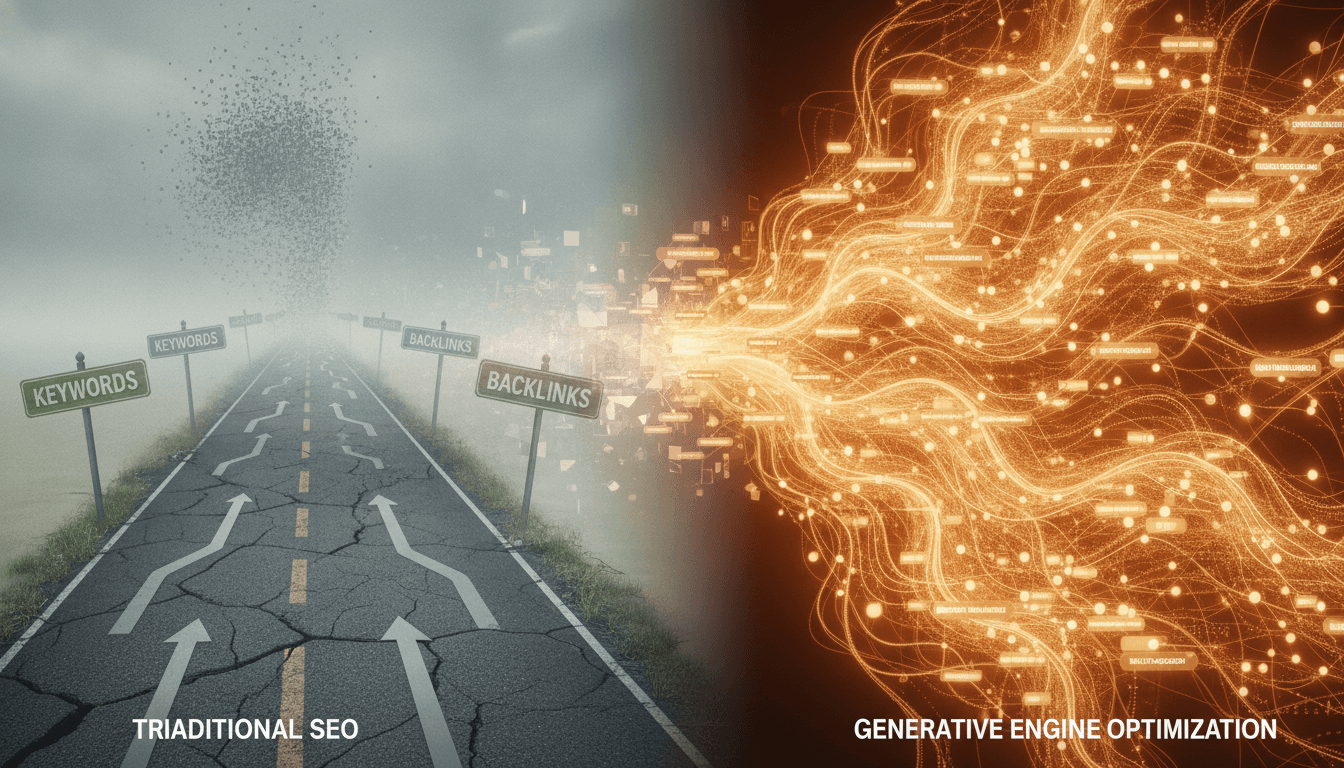
Generative Engine Optimization (GEO) represents a transformative approach aimed at enhancing your brand’s discoverability and credibility within AI-powered search and recommendation systems. Unlike traditional SEO—which focuses primarily on keyword rankings and optimizing for relatively static algorithms—GEO targets the dynamic, generative AI technologies now dominating digital product discovery.
GEO Defined:
- GEO involves optimizing your digital assets—including content, data, and brand reputation—for AI engines that generate personalized search results and product recommendations.
- Rather than concentrating solely on keyword density or backlinks, GEO prioritizes structured data, transparent brand signals, and content crafted for AI comprehension and trust.
The rise of generative AI fundamentally alters how search engines interpret user queries. Modern platforms powering Google’s AI Overviews, Amazon’s personalized recommendation feeds, and conversational AI assistants analyze user intent through context, behavior patterns, and structured data—not just keywords.
Key fundamentals of GEO include:
- Structured Data: Implementing schema markup and detailed product attributes to enable AI to accurately interpret your offerings.
- Authoritative Content: Producing comprehensive, trustworthy resources that AI engines can reliably reference and promote.
- Brand Trust Signals: Ensuring your brand projects transparency, consistency, and credibility across the web.
As Hexagon Research explains, “Generative Engine Optimization (GEO) focuses on enhancing a brand’s discoverability and trustworthiness in AI-powered search and recommendation engines.” This emerging discipline transcends conventional SEO, preparing your brand for a future where AI determines which products and brands consumers encounter.
Why is GEO Important for Emerging E-Commerce Brands?
[IMG: Visual showing emerging brands climbing above established competitors via AI search]
The influence of AI-powered search and recommendation systems on consumer purchase decisions is growing rapidly. Gartner predicts that over 50% of online purchases will be influenced by AI-powered search and recommendations by 2027. For emerging and direct-to-consumer (DTC) brands, this shift presents both formidable challenges and unique opportunities.
Challenges in crowded marketplaces:
- Established brands benefit from extensive legacy content and backlink profiles that dominate traditional keyword searches.
- New brands often struggle to gain visibility within saturated digital marketplaces.
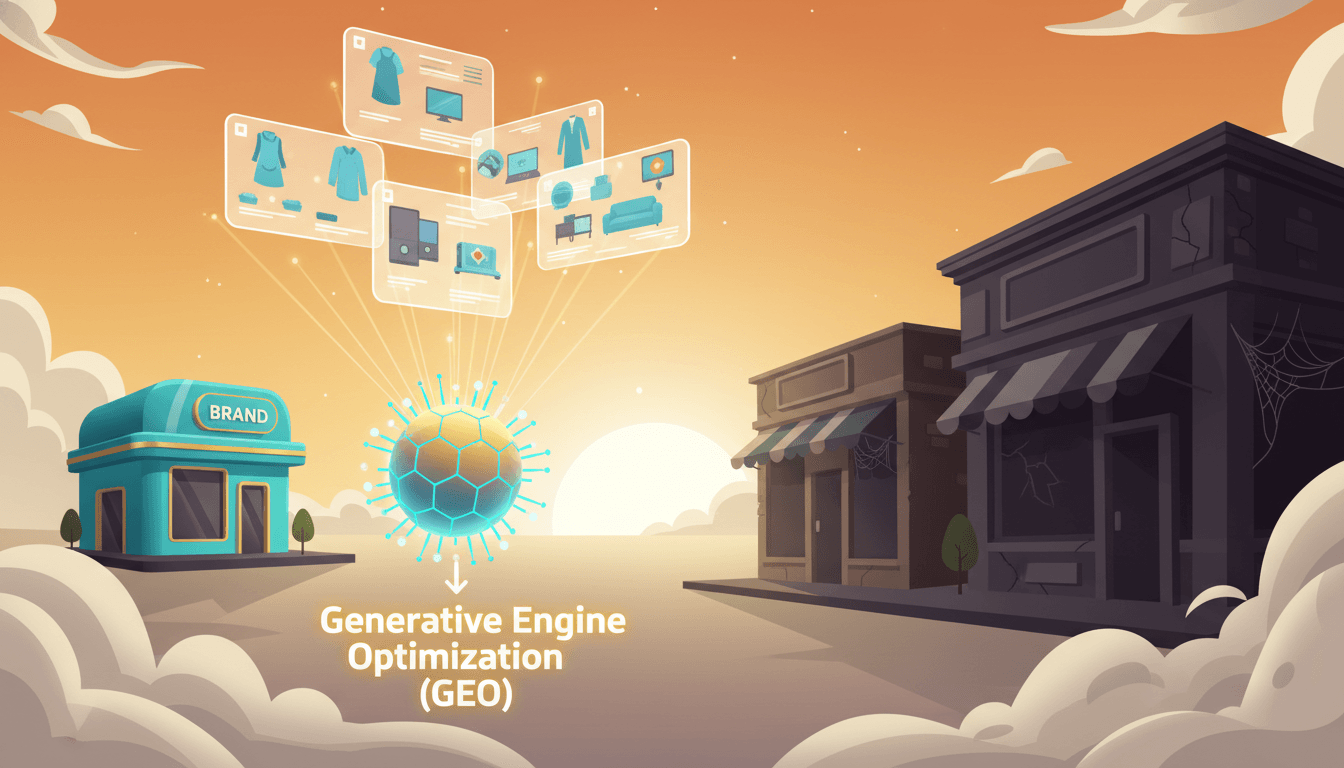
GEO offers a powerful way to level the playing field:
- AI search engines prioritize brands that are authoritative, current, and well-structured—not just those with longstanding digital footprints.
- By focusing on AI-friendly content, transparency, and structured data, emerging brands can bypass traditional SEO barriers.
- Mentions and citations on trustworthy third-party sources boost the likelihood of appearing in AI-generated recommendations (OpenAI, ‘AI Recommendations: How They Work’).
Consumer behavior also reflects this shift. According to Accenture, 60% of Gen Z and Millennial shoppers now use AI assistants during their purchase journeys, a trend poised to intensify.
Furthermore, Forrester’s 2024 report, ‘State of AI in Commerce’, reveals that 70% of e-commerce decision-makers plan to invest in GEO strategies by 2025. These forward-thinking leaders understand that early GEO adoption offers a compounding competitive advantage as AI-driven search becomes the dominant discovery channel.
How AI-Powered Search is Transforming E-Commerce
[IMG: Illustration of a user interacting with conversational AI for product search]
AI search technologies are revolutionizing e-commerce by moving beyond simple keyword queries. Today’s shoppers engage with conversational chatbots, voice assistants, and generative recommendation engines that understand natural language and contextual intent.
Key AI search trends include:
- Conversational AI platforms that deliver personalized product recommendations instantly.
- Voice assistants like Alexa and Google Assistant serving as primary gateways for product discovery.
- Generative engines synthesizing information from multiple sources to answer complex, conversational queries.
For instance, a shopper might ask, “What are the best eco-friendly water bottles under $30?” expecting a curated, trustworthy response—not just a list of links. AI-driven search meets this expectation by analyzing structured data, customer reviews, and real-time product content.
The impact is tangible: early GEO adopters have experienced an average 40% growth in AI-driven traffic within just six months (Hexagon Internal Data). Brands aligning their digital presence with AI search trends see measurable improvements in both visibility and sales.
“AI assistants are rapidly becoming the primary touchpoint for product discovery,” says Aleyda Solis, International SEO Consultant. “Brands must ensure their data and reputation are AI-ready or risk being overlooked.” As generative engines become the e-commerce norm, neglecting GEO could mean falling behind.
Key GEO Tactics for Emerging Brands
[IMG: Infographic outlining key GEO tactics for e-commerce brands]
Successfully implementing GEO requires a comprehensive, multi-pronged strategy. Emerging brands can optimize AI-powered discoverability and trust by focusing on these core tactics:
-
Structured Data Markup:
Utilize schema.org product and organization schemas to clearly define product details, brand information, and customer reviews. Structured data enables AI engines to accurately interpret and recommend your offerings. -
Authoritative, Transparent Content:
Create content that addresses genuine consumer questions in a conversational, approachable tone. Examples include detailed product guides, transparent sourcing disclosures, and FAQ sections that position your brand as a trustworthy resource for AI-generated answers. -
Brand Transparency and Trust Signals:
Keep product details current, showcase authentic customer reviews, and maintain consistent brand messaging across all digital channels. Generative engines favor brands with strong digital reputations and clear trust indicators. -
AI-Friendly Product Descriptions and FAQs:
Craft product descriptions that are clear, comprehensive, and easily parsed by AI. Incorporate structured FAQs addressing common shopper questions to increase the likelihood of being featured in conversational AI responses. -
Reputation Management:
Encourage positive customer reviews and secure citations on reputable third-party platforms. AI engines weigh brand mentions and citations heavily when generating recommendations.
Danny Sullivan, Public Liaison for Search at Google, emphasizes, “Structured data and authoritative brand content are fundamental to surfacing in AI-generated recommendations.” Brands applying GEO best practices report significant benefits. Hexagon Internal Data shows that emerging brands using GEO experience a 3x increase in AI recommendation mentions compared to those relying solely on traditional SEO.
Additional best practices include:
- Regularly updating product information and reviews to ensure accuracy.
- Building brand authority through expert content and thought leadership.
- Monitoring AI-driven traffic sources and adapting content strategies accordingly.
Michelle Robbins, VP of Product Innovation at Aimclear, observes, “Brands embracing GEO gain a compounding advantage as AI search becomes the dominant channel for e-commerce discovery.” The message is clear: GEO is not just an SEO upgrade—it’s a new way to win in the AI-first marketplace.
How to Start Your GEO Journey: Actionable Steps
[IMG: Step-by-step roadmap for GEO implementation]
Starting your GEO journey doesn’t have to be daunting. Emerging e-commerce brands can take these practical steps to become AI search-ready:
-
Audit Your Current SEO and Content:
Review existing content, product pages, and brand assets for AI-readiness. Identify gaps in structured data, transparency, and conversational content. -
Integrate Structured Data Markup:
Implement schema.org markup across all products, organization details, and customer reviews. Ensure data is accurate, up-to-date, and accessible to AI crawlers. -
Develop Conversational, Trust-Building Content:
Produce resources that answer real-world questions using natural language. Emphasize transparency, authenticity, and authority—critical factors for AI trustworthiness. -
Optimize Product Descriptions and FAQs:
Write clear, thorough product descriptions and anticipate common shopper queries in your FAQs. Test content with conversational AI tools to verify readability and comprehension. -
Monitor AI-Driven Traffic and Recommendations:
Use analytics to track traffic originating from AI-powered sources such as chatbots and recommendation engines. Monitor how often your brand is mentioned or cited in AI-generated recommendations. -
Continuously Adapt Based on AI Search Trends:
Stay updated on evolving AI search algorithms and consumer behaviors. Regularly refresh your content, structured data, and trust signals to maintain competitiveness. -
Collaborate Across Teams:
Ensure marketing, e-commerce, and technical teams work together to consistently apply GEO best practices.
Brands that embrace these steps early are already seeing measurable increases in both traffic and conversions, as highlighted in the next section.
Ready to elevate your emerging brand’s AI visibility with tailored GEO strategies? Schedule a free 30-minute consultation with Hexagon’s AI marketing experts today.
Real-World Results: Success Stories from GEO Adoption
[IMG: Bar graph showing traffic and recommendation lift for GEO adopters vs. traditional SEO]
The effectiveness of GEO is reflected in the success stories of early adopters. Brands implementing GEO report substantial improvements in AI-driven traffic and recommendation frequency.
For example, a sustainable apparel startup integrated structured data, transparent sourcing content, and AI-optimized FAQs across their online store. Within six months, they achieved:
- 40% average growth in AI-driven traffic
- 3x increase in AI recommendation mentions compared to their previous SEO-only approach
Another DTC beauty brand focused on authoritative product guides and transparent customer reviews. This strategy earned them competitive visibility in AI-generated “best of” lists, driving measurable lifts in sales and shopper engagement.
These cases highlight a critical insight: early GEO adopters among e-commerce brands experience significant lifts in AI-driven traffic and sales conversions (Hexagon Case Studies). The compounding benefits of GEO position brands to succeed in the evolving digital marketplace.
The Future of GEO and AI Search in E-Commerce
[IMG: Timeline showing projected growth of AI-driven commerce and GEO adoption]
Looking forward, the widespread adoption of AI search engines is inevitable. Forrester reports that 70% of e-commerce decision-makers plan to invest in GEO by 2025. As generative AI systems become embedded throughout the shopper journey, GEO will transition from a “nice-to-have” to an essential marketing competency.
The evolving role of GEO will include:
- Increasing reliance on structured, trustworthy brand data by AI to reduce misinformation and deliver accurate recommendations.
- GEO best practices—authority, structured data, and up-to-date content—becoming the foundation of e-commerce marketing.
- Early GEO adopters gaining a lasting competitive advantage as AI-driven discovery becomes the norm.
Brian Dean, Founder of Backlinko, sums it up: “GEO is the new SEO for brands aiming to be found in an AI-first world. Those who adapt early will own the next wave of digital commerce.”
To prepare your brand for sustained AI-driven growth:
- Commit to continuous GEO optimization and maintaining data integrity.
- Stay agile as AI search trends evolve.
- Invest in the expertise and tools necessary to secure and grow your brand’s AI visibility.
Conclusion: Take the Lead in AI-Powered E-Commerce
Emerging e-commerce brands can no longer rely solely on traditional SEO to drive discovery and growth. Generative Engine Optimization is the essential strategy to thrive in a world where AI search engines influence every purchase decision.
By embracing GEO today, your brand can:
- Unlock AI-driven visibility and increase recommendation volume
- Build enduring trust and authority with both consumers and AI engines
- Achieve measurable growth in traffic, engagement, and sales
Ready to elevate your emerging brand’s AI visibility with tailored GEO strategies? Schedule a free 30-minute consultation with Hexagon’s AI marketing experts today.
[IMG: Confident e-commerce founder consulting with an AI marketing specialist]
Hexagon empowers e-commerce brands to lead in the age of AI-powered discovery. Contact our experts to plan your GEO roadmap and capture your next wave of digital growth.
Hexagon Team
Published May 9, 2026