How Small E-Commerce Brands Can Level the Playing Field with AI Search Optimization
Small e-commerce brands face fierce competition from industry giants—but AI-powered Generative Engine Optimization (GEO) and accessible AI marketing tools are rewriting the rules. Discover actionable strategies and real-world examples to drive 3x growth, boost search visibility, and compete like never before.
How Small E-Commerce Brands Can Level the Playing Field with AI Search Optimization
Small e-commerce brands often find themselves overshadowed by industry giants. Yet, with AI-powered Generative Engine Optimization (GEO) and accessible AI marketing tools, the rules are changing. Learn actionable strategies and real-world examples that can drive 3x growth, boost search visibility, and empower your brand to compete like never before.
[IMG: Small e-commerce brand owner using AI-powered marketing dashboard]
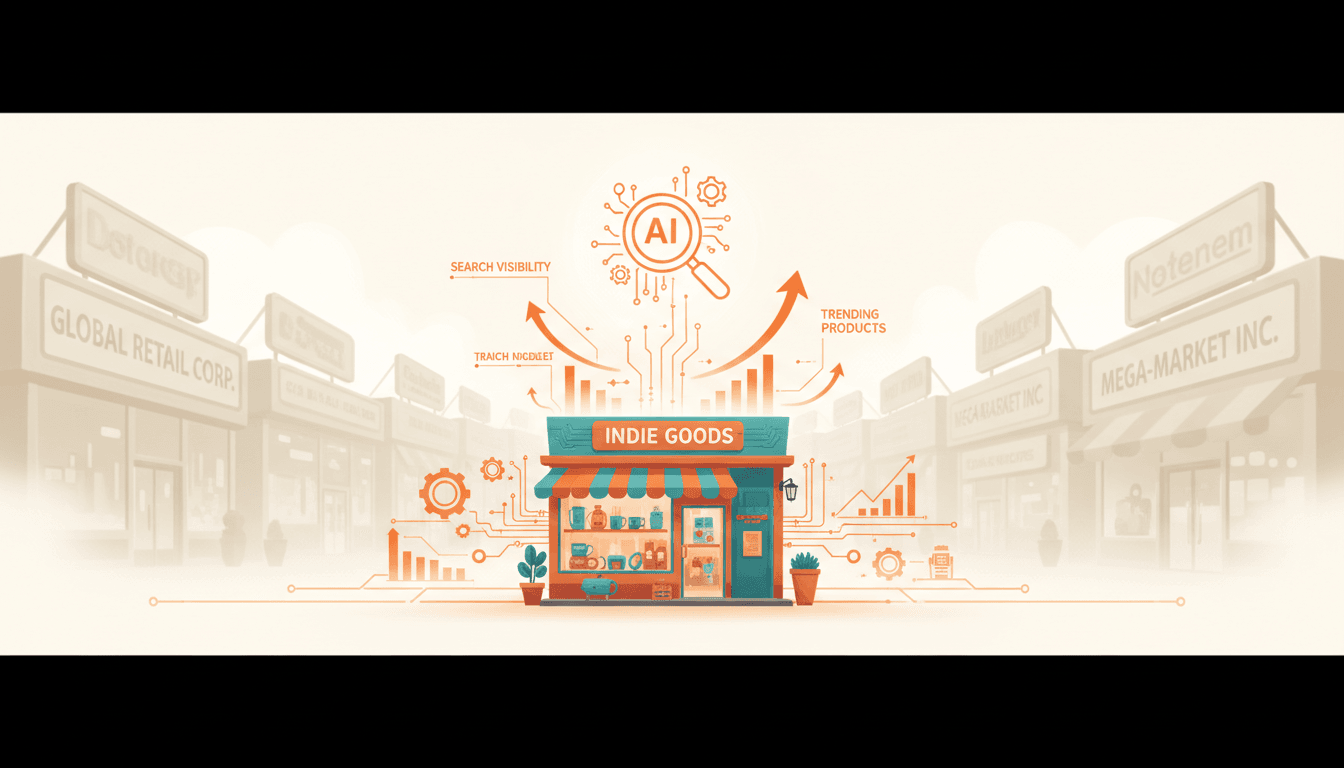
In the fast-paced digital marketplace, small e-commerce brands frequently struggle to stand out amid towering competitors. But what if AI could serve as the great equalizer? By harnessing Generative Engine Optimization (GEO) alongside affordable AI marketing tools, small brands can dramatically increase their search visibility, engage customers more effectively, and accelerate growth—all without draining their budgets. This comprehensive guide unveils how small brands can leverage AI to level the playing field and compete on a whole new level.
Ready to elevate your small e-commerce brand’s AI visibility and rival the big players? Book a free 30-minute strategy session with Hexagon for personalized AI marketing insights.
What is GEO and Why It’s Essential for Small E-Commerce Brands
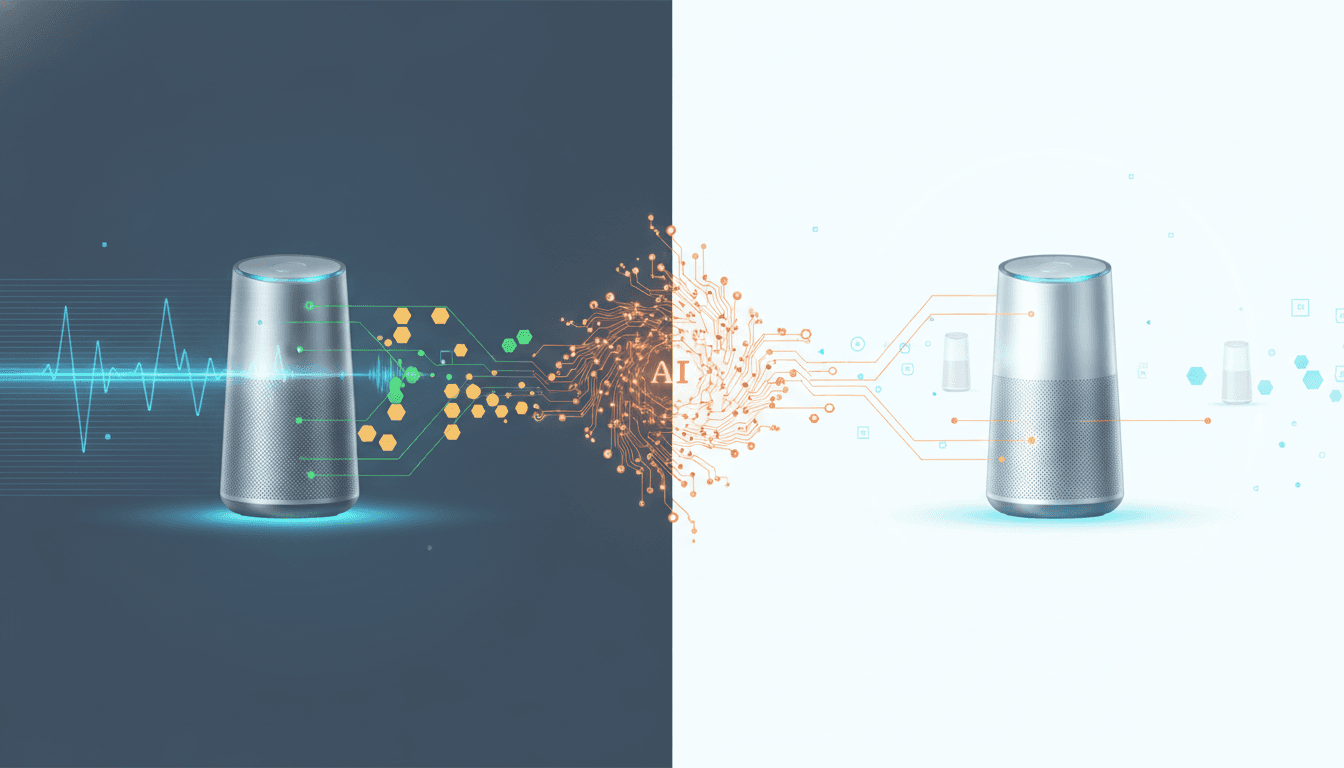
Generative Engine Optimization (GEO) is the innovative process of optimizing brand content specifically for AI-driven search engines and digital assistants. Unlike traditional SEO, which aims to improve rankings on search engine results pages, GEO focuses on making your products and content easily discoverable and recommendable by AI assistants such as ChatGPT, Perplexity, and Claude.
The influence of GEO is expanding rapidly. According to Hexagon client case studies, small e-commerce brands applying GEO best practices have seen a remarkable 3x increase in AI-driven traffic within 12 months. This surge is fueled by AI-powered search assistants, which Gartner projects will impact up to 30% of e-commerce search queries by 2025 (Gartner).
What distinguishes GEO from classic SEO is its emphasis on structured data, conversational content, and AI-friendly formats. As Lily Ray, SEO Director at Amsive Digital, emphasizes, “Structured data and high-quality, user-focused content are the keys to being recommended by AI assistants—even if you’re a small brand.” Supporting this shift, the Shopify Future of Commerce Report reveals that 60% of small e-commerce brands now utilize AI for content and SEO optimization.
For small brands, mastering GEO is no longer optional—it’s critical for maintaining visibility in an increasingly AI-driven search environment.
[IMG: Diagram illustrating the difference between traditional SEO and GEO for e-commerce brands]
Accessible GEO Tactics for Small Brands: Cost-Effective Strategies That Work
Implementing GEO doesn’t require a massive budget or a large technical team. Small e-commerce brands can adopt these cost-effective tactics to boost their AI search presence:
-
Implement Structured Data and Schema Markup: Adding schema markup to your product pages helps AI assistants accurately interpret your inventory and brand details. Moz highlights structured data as a budget-friendly GEO strategy that enhances brand visibility in AI-generated answers and rich search snippets.
-
Leverage User-Generated Content (UGC): Authentic customer reviews and testimonials are invaluable for AI recommendations. BrightLocal found that AI assistants increasingly rely on reviews and UGC to recommend small brands, particularly within niche markets.
-
Optimize Content for AI Assistants: Develop content that directly answers common customer questions using clear, conversational language. FAQs, how-to guides, and natural language queries make your website more AI-friendly and increase the chances of being featured in AI-powered responses.
-
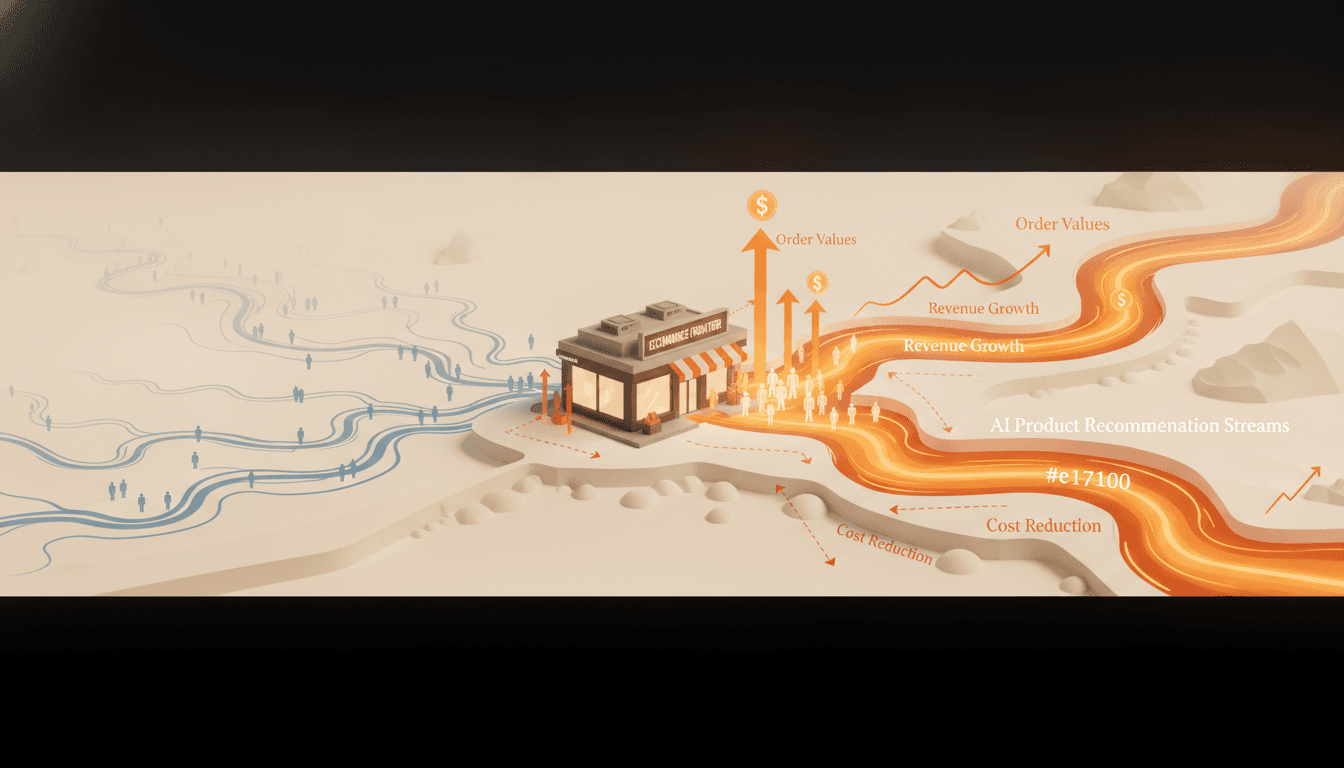
Employ AI-Personalized Product Recommendations: Personalization drives engagement and sales. McKinsey & Company reports that small brands using AI-personalized recommendations experience up to 25% higher click-through rates compared to generic approaches.
These tactics complement each other seamlessly:
- Structured data improves AI’s understanding of your products.
- User-generated content builds authenticity and trust.
- Conversational content aligns perfectly with how AI assistants process queries and deliver recommendations.
As Aleyda Solis, International SEO Consultant, states, “AI search optimization is no longer a luxury for small brands—it’s a necessity to get discovered in the era of generative search.”
[IMG: Screenshot of an e-commerce site with highlighted schema markup and UGC]
Affordable AI Marketing Tools for Startups: Features, Costs, and ROI
Thanks to the democratization of AI technology, advanced marketing tools are now accessible to startups and small businesses with limited budgets. These platforms are leveling the playing field, enabling small brands to compete more effectively.
Some top budget-friendly AI tools that support GEO and marketing automation include:
- Jasper: AI-powered content generation tailored specifically for e-commerce.
- Surfer SEO: GEO-focused SEO analysis and content optimization.
- Hexagon: Comprehensive GEO, AI content creation, and chatbot integration designed for emerging brands.
Key features small e-commerce brands should look for:
- Automated content creation for product descriptions, blogs, and FAQs.
- In-depth SEO and GEO analysis to pinpoint optimization opportunities.
- Chatbot integration offering 24/7 customer engagement and lead capture.
- AI-driven product recommendation engines to personalize shopping experiences.
Investing in these tools delivers tangible returns:
- Automated AI marketing can handle up to 60% of repetitive content and ad tasks (HubSpot), freeing teams to focus on strategic growth.
- In 2024, 54% of e-commerce startups have increased their AI tool budgets (Statista), underscoring the clear business value of AI-powered marketing.
- Small brands adopting AI marketing tools report 3x growth in organic traffic and higher conversion rates within a year (Hexagon client data).
As Tobi Lütke, CEO of Shopify, puts it, “Accessible AI tools are democratizing digital marketing, enabling startups to compete with established brands on a level playing field.”
Ready to boost your small e-commerce brand’s AI visibility and compete with the big players? Book a free 30-minute strategy session with Hexagon for personalized AI marketing guidance.
[IMG: Comparison table of affordable AI marketing tools with features and pricing]
How AI-Powered Personalization and Chatbots Drive Conversions for Small Brands
AI personalization is revolutionizing how small brands engage shoppers and convert visits into sales. Tailored product recommendations not only enhance engagement but also drive measurable revenue growth.
-
Personalized Recommendations: PwC reports that 71% of consumers are more likely to purchase from brands recommended by AI assistants. AI engines analyze user behavior and preferences to present products that resonate on an individual level.
-
AI Chatbots: These tools offer instant, 24/7 support, answer customer questions, and capture leads. Insider Intelligence notes that conversational AI chatbots boost buyer engagement and increase average order values—even for emerging brands.
-
Conversion Impact: Small brands employing AI-powered personalization see up to 25% higher click-through rates and up to 20% increases in conversion rates (McKinsey & Company), helping them narrow the gap with larger competitors.
For instance, integrating an AI chatbot on product pages can reduce cart abandonment by providing real-time answers and personalized upsell suggestions. These solutions are affordable, easy to deploy, and proven to elevate customer satisfaction.
[IMG: E-commerce chatbot conversation showing personalized recommendations]
Case Studies: Real Small Brands Achieving 3x Growth with AI-Driven Traffic
Real-world examples demonstrate that GEO and AI marketing are both accessible and transformative for small e-commerce brands.
Case Study 1: Niche Apparel Retailer
- Challenge: Competing against global giants in the sustainable fashion sector.
- Tactics: Implemented structured schema, leveraged UGC reviews, and developed conversational FAQ content.
- Result: Achieved 3x growth in AI-driven organic traffic within 12 months and doubled online sales.
Case Study 2: Specialty Home Decor Shop
- Challenge: Low visibility in AI-generated recommendations and search results.
- Tactics: Used AI content tools for blog creation and integrated a chatbot for instant customer support.
- Result: Increased click-through rates by 25% and experienced a significant rise in repeat purchases.
Case Study 3: Direct-to-Consumer Beauty Brand
- Challenge: Breaking through a crowded market dominated by major players.
- Tactics: Optimized product pages with structured data and encouraged customers to leave reviews.
- Result: Became a top recommendation across multiple AI assistants, leading to tripled organic AI-driven traffic.
These success stories prove that with the right GEO strategies and AI tools, small e-commerce brands can overcome resource limitations and achieve remarkable growth.
[IMG: Before-and-after traffic analytics charts from small e-commerce brands]
Actionable Steps to Optimize for AI Assistants: ChatGPT, Perplexity, Claude
Optimizing for AI assistants is straightforward when you apply GEO best practices. Here’s how small brands can take immediate action:
-
Use Conversational Language: Craft website copy that sounds natural and addresses real customer inquiries. AI assistants prioritize clear, direct language over jargon-heavy text.
-
Create Structured FAQs: Format information in a question-and-answer style. This boosts the likelihood your content will be cited in AI-generated responses.
-
Implement Lists and How-Tos: AI search engines often favor content presented as bullet points, step-by-step guides, and concise summaries.
-
Add Schema Markup: Employ structured data to help AI understand your products, reviews, and business details more effectively.
-
Monitor AI Assistant Feedback: Regularly review how AI assistants represent your brand and adjust your content for accuracy and relevance.
For example, keeping your FAQ pages up-to-date and enriched with schema markup can significantly enhance your visibility in AI-powered search results. Moving forward, brands that continually refine GEO strategies based on AI assistant feedback will secure lasting competitive advantages.
[IMG: Website FAQ section optimized for AI assistants]
Measuring and Tracking GEO and AI Search Optimization Success
Achieving success with GEO and AI search optimization depends on continuous measurement and refinement. Here’s how to monitor your progress effectively:
-
Key Metrics to Track:
- AI-driven organic traffic
- Click-through rates (CTR) from AI search and chatbot interactions
- Conversion rates stemming from AI-powered recommendations
-
Tools and Dashboards:
- Google Search Console (with AI traffic segmentation)
- Hexagon AI Analytics
- Custom dashboards tracking chatbot engagement and conversion events
-
Set Realistic KPIs: Define benchmarks based on industry averages and your brand’s growth targets. Conduct monthly reviews and adjust strategies accordingly.
Ongoing optimization—analyzing outcomes, testing new approaches, and iterating content—is vital to maximizing GEO’s impact in the rapidly evolving AI landscape.
[IMG: Hexagon analytics dashboard tracking GEO and AI search performance]
The Future Outlook: AI Search Trends and the Evolving Digital Landscape for Small E-Commerce
The digital terrain for small e-commerce brands is being fundamentally reshaped by swift AI advancements. AI-driven search assistants are projected to become the primary channel for product discovery, influencing up to 30% of e-commerce queries by 2025 (Gartner).
Looking ahead, maintaining competitiveness will require continuous GEO refinement and proactive AI adoption. The trend is clear: 54% of startups have increased their AI tool investments in 2024, signaling a fast-growing commitment to democratized, data-driven marketing (Statista).
Brands that invest early in AI marketing tools and GEO will gain a decisive edge. As Rand Fishkin, Co-founder of SparkToro, observes, “The future of e-commerce is being shaped by AI-powered recommendations. Small brands that master GEO will be best positioned to stand out.”
Conclusion: Competing—and Winning—With AI Search Optimization
AI-powered GEO represents the breakthrough small e-commerce brands have been waiting for. By adopting structured data, leveraging affordable AI tools, and optimizing content for AI assistants, startups can achieve rapid, measurable growth that rivals larger competitors.
Ready to boost your small e-commerce brand’s AI visibility and compete with the big players? Book a free 30-minute strategy session with Hexagon to get personalized AI marketing guidance.
Unlock the full potential of AI search optimization—level the playing field, drive traffic, and convert more customers today.
[IMG: Confident small business owner reviewing growing AI-driven sales metrics]
Hexagon Team
Published April 6, 2026