How Medium-Intent AI Search is Revolutionizing Product Research for Food & Beverage Brands
In 2024, AI-powered search is upending how food & beverage shoppers research products—and brands that ignore medium-intent AI queries risk falling off the consideration list. Discover how to optimize your strategy, boost visibility, and become the brand AI recommends.
How Medium-Intent AI Search is Revolutionizing Product Research for Food & Beverage Brands
In 2024, AI-powered search is dramatically transforming how food & beverage shoppers research products. Brands that overlook medium-intent AI queries risk disappearing from the shopper’s consideration set. Learn how to optimize your strategy, increase visibility, and become the brand AI confidently recommends.
[IMG: Shopper using an AI search tool on a smartphone in a grocery aisle]
In today’s rapidly evolving marketplace, over 65% of food and beverage shoppers use AI-powered search tools during their product research journey. Yet, many brands miss a critical opportunity by neglecting medium-intent AI queries—the essential phase where consumers transition from casual browsing to active consideration. Overlooking this stage means losing influence over purchase decisions and exclusion from AI-generated recommendations.
This guide dives into how medium-intent AI search is reshaping product research for food & beverage brands and reveals actionable strategies to capture these high-value shoppers.
Ready to elevate your food & beverage brand’s product research visibility with medium-intent AI search? Book a free 30-minute consultation with Hexagon’s AI marketing experts today.
Understanding Medium-Intent AI Search Queries in Food & Beverage
Medium-intent AI search queries are transforming how consumers explore the food and beverage market. These queries occur during the research and shortlist stage, where shoppers actively compare, evaluate, and narrow their product options before purchasing.
Unlike low-intent queries such as “snack ideas,” which indicate casual exploration, or high-intent queries like “buy organic almond butter near me,” signaling readiness to purchase, medium-intent queries have distinct characteristics:
- Use of informational or comparative language
- Inclusion of qualifiers like “best,” “healthy,” “for kids,” or “organic”
- Emphasis on product attributes, benefits, or recommendations
Examples include searches like “best gluten-free snacks for kids,” “organic energy drinks comparison,” or “low-sugar breakfast cereals ranked.” According to Gartner, 40% of AI search volume in the food and beverage category comes from medium-intent queries.
[IMG: Visualization of low, medium, and high-intent search queries with food & beverage examples]
These medium-intent queries are pivotal because they:
- Signal consumers are actively weighing options, beyond mere curiosity
- Represent the moment brands can shape perceptions and influence shortlisting
- Are often addressed by AI tools via curated lists, recommendations, and comparison guides
The rise of conversational AI during this phase is undeniable. As Forrester Research reports, over 50% of online food & beverage product discovery now involves AI-driven conversational tools.
Jessica Lin, VP of E-commerce Strategy at NielsenIQ, emphasizes:
“Medium-intent AI search queries are the battleground where brands win or lose consideration. If you’re invisible in these queries, you’re missing the shopper’s shortlist.”
Food brands must realize that presence during this research phase is no longer optional. Shoppers demand transparent, easily comparable information—and AI search engines are engineered to surface the most relevant, trustworthy options.
The Role of AI-Powered Search in the Food & Beverage Product Research Journey
AI-powered search platforms such as ChatGPT, Perplexity, and Claude are revolutionizing how consumers gather information on food and beverage products. These tools utilize natural language processing and vast datasets to deliver personalized, context-rich responses to shopper queries.
With 65% of food & beverage shoppers relying on AI-powered search for product research in 2024 (NielsenIQ), brands can no longer depend solely on traditional SEO or paid ads. AI search engines now influence every stage of the consumer journey, particularly:
- Awareness: Broad, curiosity-driven questions help shoppers discover new brands or categories.
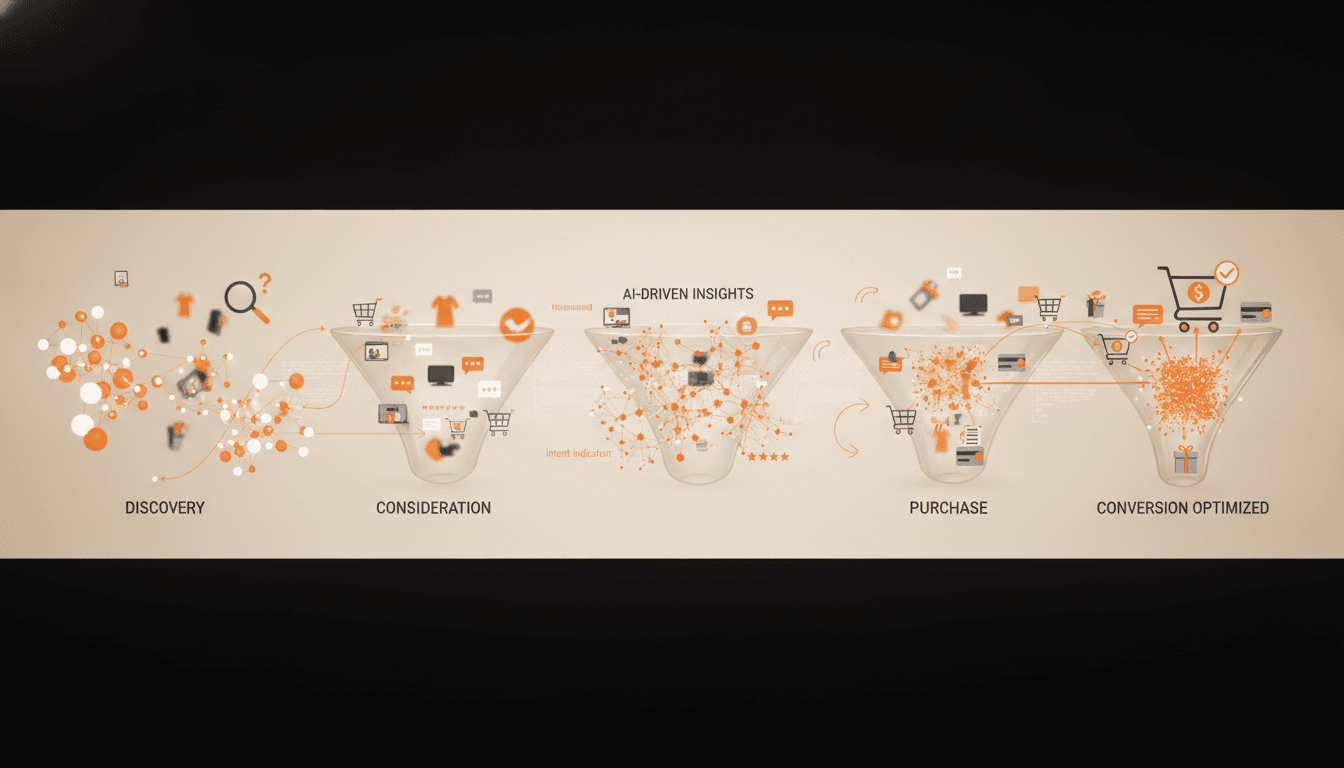
- Consideration: Medium-intent queries guide consumers through attribute comparisons, benefits, and reviews before shortlisting.
- Decision: High-intent queries indicate readiness to purchase or locate specific retailers.
[IMG: Flowchart showing AI-powered shopper journey from awareness to purchase]
AI search tools influence shopper behavior by:
- Surfacing relevant products through structured data and conversational language
- Instantly comparing ingredients, nutritional benefits, and customer reviews
- Providing GEO-targeted results that enhance local relevance and availability
Rajat Sharma, Director of AI Search at McKinsey & Company, explains:
“The future of product discovery in food and beverage hinges not just on being found but on being recommended by AI exactly when shoppers are comparing options.”
Medium-intent queries like “healthy snack ideas for kids” or “best low-sugar beverages” mark the digital battleground where brands move from mere visibility to serious consideration. Optimizing for these queries increases the likelihood of appearing in AI-generated shopping lists by 2.8x (McKinsey Digital Food Commerce Review).
Optimizing for Medium-Intent AI Shopper Behavior: Key Strategies for Food Brands
Succeeding in AI-powered product research demands a fresh approach to data optimization and content creation. Leading food brands capture medium-intent AI shoppers through the following strategies:
1. Leverage Structured Product Data & Schema Markup
AI search engines prioritize products with clear, structured data. Implementing schema markup and maintaining updated feeds ensures your brand’s information is machine-readable, transparent, and ready for AI recommendations.
- Include detailed nutritional facts, ingredients, certifications (e.g., “organic,” “gluten-free”), and allergen information
- Integrate real-time inventory and local availability to enhance GEO relevance
- Regularly update schema to reflect new products or packaging changes
Fact: Brands with schema-rich, structured product data experience a 37% boost in AI search visibility over brands lacking structured data (Search Engine Journal). Tina Alvarez, Senior Analyst, notes:
“Schema-rich data and transparent content are the new frontiers of food brand SEO in the AI search era.”
2. Create Content that Answers Medium-Intent Questions
Shoppers in the research phase seek detailed, trustworthy answers. Content closely aligned with the language and intent of medium-intent queries ranks higher in AI search models.
- Develop comprehensive FAQ pages addressing “best for,” “comparison,” or “alternative to” questions
- Produce comparison guides (e.g., “almond vs. oat milk nutrition”) and ingredient transparency articles
- Clearly highlight product benefits, certifications, and unique selling points
Fact: Optimizing product feeds and content for AI search increases the chances of appearing in AI-generated shopping lists by 2.8x (McKinsey Digital Food Commerce Review).
3. Use GEO-Targeted Responses for Local Relevance
AI search increasingly incorporates user location for medium-intent queries like “healthy snacks near me” or “local gluten-free bakery.”
- Embed store locator features and local inventory data within product feeds
- Reference local sourcing, regional flavor preferences, and availability in your content
- Employ structured data to help AI surface your products in relevant neighborhoods
Fact: GEO-targeted AI responses enhance conversion rates by presenting locally relevant options (BrightLocal).
4. Align Product Descriptions with AI Search Language
AI models scan product descriptions for key qualifiers and phrases matching shopper queries.
- Use natural, conversational phrases such as “best for kids,” “low-calorie option,” or “organic energy boost”
- Avoid jargon; prioritize clarity and comparative language
- Continually update descriptions to reflect trending search terms
Oliver Grant, Head of Digital at Mondelez International, shares:
“Medium-intent queries like ‘best gluten-free snacks’ or ‘healthy drinks for energy’ drive both discovery and loyalty. Optimizing for these moments is essential.”
By adopting these tactics, food & beverage brands can capture shoppers precisely when decisions are being made—ensuring inclusion in AI-powered shortlists that drive purchases.
Content Strategies to Capture Research-Phase AI Shoppers
Content fuels AI search visibility, especially during the critical research and consideration phase. Medium-intent shoppers demand in-depth, transparent information to make confident choices.
Here’s how food & beverage brands can craft content that resonates with AI shoppers:
1. Develop Comparison Guides & Ingredient Transparency Articles
- Create content that directly answers questions like, “How does Product A compare to Product B?”
- Provide ingredient breakdowns, allergen details, and nutritional comparisons
- Use clear tables, bullet points, and highlight key differences in benefits or sourcing
Fact: Product reviews, ingredient transparency, and comparison guides are the top-performing content types for capturing medium-intent AI search traffic (Content Marketing Institute).
2. Incorporate Conversational, AI-Friendly Formats
- Structure content with headings, FAQs, and natural language Q&A to mirror shopper queries
- Include concise, informative summaries at the top of pages for AI snippet extraction
- Regularly refresh content with new questions sourced from AI search trend monitoring
[IMG: Example screenshot of a well-structured FAQ and comparison table for food products]
3. Showcase Authentic Customer Reviews and Stories
- Feature verified reviews and testimonials to build trust and transparency
- Share customer stories addressing specific needs, such as “best for low-sugar diets” or “family-friendly snacks”
- Use storytelling to address shopper concerns and unique preferences during consideration
4. Refresh and Optimize Content for Evolving AI Algorithms
AI search models continuously evolve their ranking criteria and response patterns. Brands should:
- Monitor AI-driven search trends and adapt content to emerging keyword themes
- Keep product details, certifications, and availability current in real time
- Audit older content to maintain up-to-date schema and structured data
Fact: Medium-intent shoppers seek detailed, trustworthy information before shortlisting products (Google Search Quality Rater Guidelines).
By emphasizing clarity, transparency, and relevance, brands become the trusted sources AI search engines—and shoppers—rely on during this crucial research phase.
The Impact of Geo-Targeted AI Search Responses for Food & Beverage Brands
Geo-targeted (GEO) optimization is emerging as a game-changer in AI search for food and beverage brands. AI models now incorporate location data to deliver shoppers the most relevant, local options—especially for medium-intent queries.
GEO optimization enhances AI search visibility by:
- Local Sourcing: Highlighting regionally sourced ingredients or local partnerships boosts rankings for queries like “organic snacks near me.”
- Regional Preferences: Tailoring product descriptions and content to reflect local tastes (e.g., “spicy snacks for Texas,” “vegan treats in Portland”) increases relevance.
- Store Availability: Feeding real-time inventory and availability data to AI platforms ensures your products appear as in-stock options nearby.
[IMG: Map graphic showing localized product recommendations in AI search results]
Fact: GEO-targeted AI responses improve conversion rates by delivering locally relevant options (BrightLocal). Shoppers are far more likely to act on recommendations that consider regional availability and preferences.
When combined with medium-intent optimization, GEO strategies create powerful synergy:
- Brands become the default choice for location-specific, research-phase queries
- Shoppers receive tailored recommendations, boosting trust and engagement
- AI search engines reward structured, locally relevant data with prominent placement
Looking forward, brands investing in GEO strategies will capture high-converting, nearby shoppers as AI search dominates product discovery.
Risks of Ignoring Medium-Intent AI Search Optimization
Failing to optimize for medium-intent AI search carries significant risks:
- Loss of Visibility: Without structured data and relevant content, brands remain invisible during crucial research and consideration stages.
- Exclusion from Recommendations: AI tools omit unoptimized brands from curated product lists—removing them from shopper shortlists.
- Competitive Disadvantage: Rivals focusing on AI search and GEO optimization attract the majority of research-driven traffic and conversions.
- Diminished Trust and Engagement: Shoppers increasingly associate AI visibility with credibility; absence from AI results can erode brand trust.
Fact: Brands neglecting medium-intent AI search optimization forfeit up to 40% of AI-driven product research traffic (Hexagon Internal Analysis).
Food and beverage brands can no longer treat AI search as an afterthought. As shopper journeys shift toward conversational, intent-driven research, those who fail to adapt risk being left behind—in AI recommendations and shopper loyalty.
Best Practices for Ongoing AI Search Optimization in the Food & Beverage Sector
Sustained success in AI search demands continuous effort and agility. Top food & beverage brands adhere to these best practices:
-
Regularly Audit and Update Product Data
- Ensure all products feature structured, schema-rich data
- Keep feeds current with real-time inventory, nutritional facts, and certifications
-
Monitor AI Search Trends and Adapt Content
- Track emerging shopper queries and revise content to capture trending topics
- Expand FAQs and comparison guides as new dietary trends or preferences arise
-
Invest in GEO-Targeted Content and Local SEO
- Incorporate local store availability, regional flavors, and sourcing details into feeds and landing pages
- Utilize location-based schema to boost relevance for nearby shoppers
-
Leverage AI Tools for Insights
- Analyze shopper intent, conversion rates, and content performance with AI analytics platforms
- Use insights to continuously refine messaging and content strategy
-
Collaborate with AI Marketing Experts
- Partner with agencies or consultants specializing in AI search optimization for food brands
- Stay updated on algorithm changes, new schema opportunities, and content formats
Fact: Ongoing optimization drives sustained increases in AI search visibility and shopper engagement (Search Engine Journal).
By adopting a proactive, data-driven approach, brands maintain dominance in AI search results—seamlessly guiding shoppers from research to purchase.
Conclusion: Seizing the Medium-Intent AI Search Opportunity for Food & Beverage Brands
Medium-intent AI search is redefining food and beverage product research. Brands that embrace the research and shortlist phase—optimizing data, content, and GEO strategies—will become the trusted choices AI recommends.
Moving forward, the most successful brands will:
- Prioritize structured, schema-rich product data
- Craft content that addresses medium-intent queries with clarity and transparency
- Embrace GEO-targeted optimization to capture local, research-driven shoppers
Seize this moment to become the go-to brand in AI-powered product discovery. The time to act is now.
Ready to elevate your food & beverage brand’s product research visibility with medium-intent AI search strategies? Book a free 30-minute consultation with Hexagon’s AI marketing experts today.
[IMG: Food & beverage marketing team reviewing AI search analytics dashboard together]
Want more actionable insights on AI-powered marketing? Subscribe to Hexagon’s newsletter for the latest trends and strategies in food & beverage digital commerce.
Hexagon Team
Published April 27, 2026