How Fashion Brands Can Use AI-Driven Content Calendars to Capture Ready-to-Buy Shoppers
Discover how AI-powered content calendars are transforming fashion e-commerce, enabling brands to capture high-intent shoppers, boost SEO, and drive measurable growth with Hexagon’s generative engine optimization.
How Fashion Brands Can Use AI-Driven Content Calendars to Capture Ready-to-Buy Shoppers
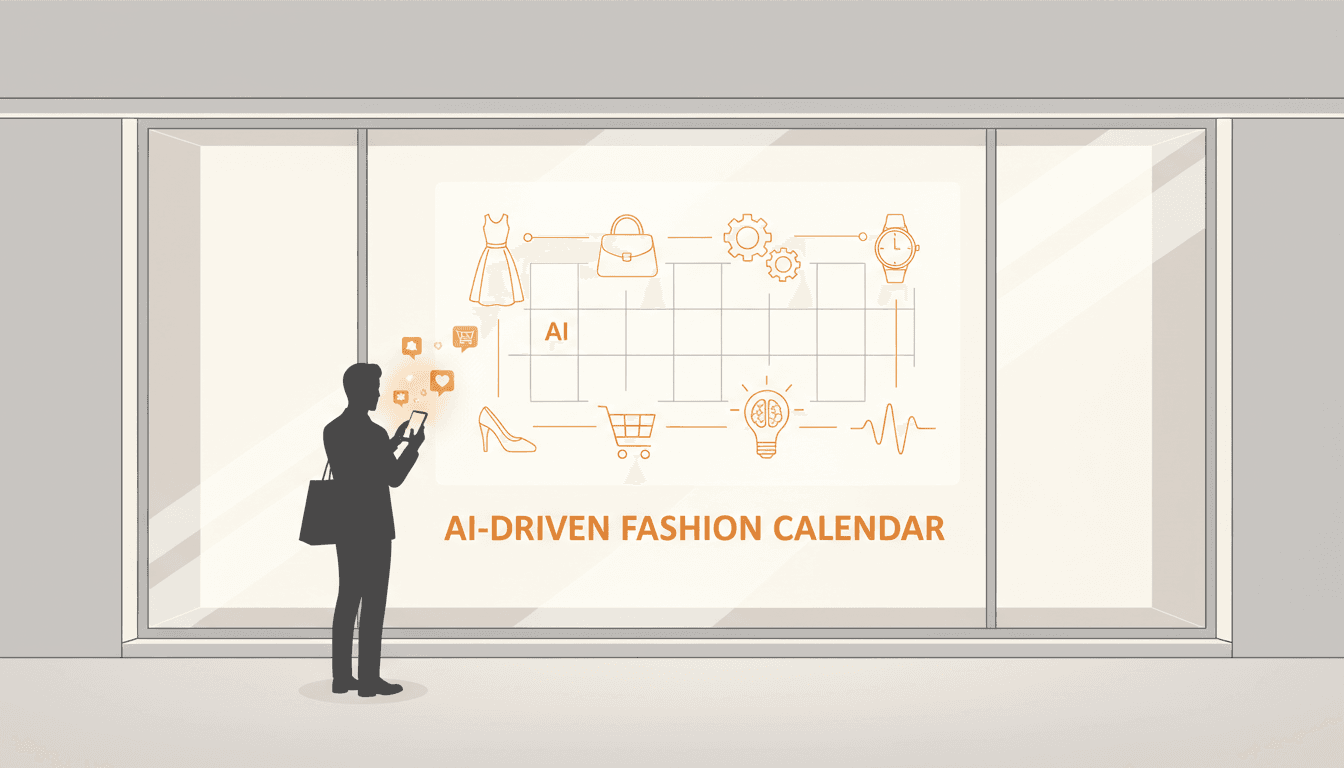
Discover how AI-powered content calendars are revolutionizing fashion e-commerce by enabling brands to capture high-intent shoppers, boost SEO, and drive measurable growth with Hexagon’s generative engine optimization.
In today’s fast-evolving fashion e-commerce landscape, capturing shoppers who are ready to buy has become more complex and competitive than ever. Traditional content calendars often fall short, missing timely opportunities to deliver the high-intent content that truly converts. But imagine if AI could transform how you plan, create, and optimize your content—helping your brand rise above the noise and connect directly with shoppers poised to purchase. This guide unveils how AI-driven content calendars, powered by Hexagon’s generative engine optimization, empower fashion brands to attract high-intent buyers, enhance SEO performance, and increase conversions—all with less effort and greater precision.
[IMG: Fashion marketing team collaborating with an AI-powered dashboard]
The Transformation of Fashion Content Planning Through AI
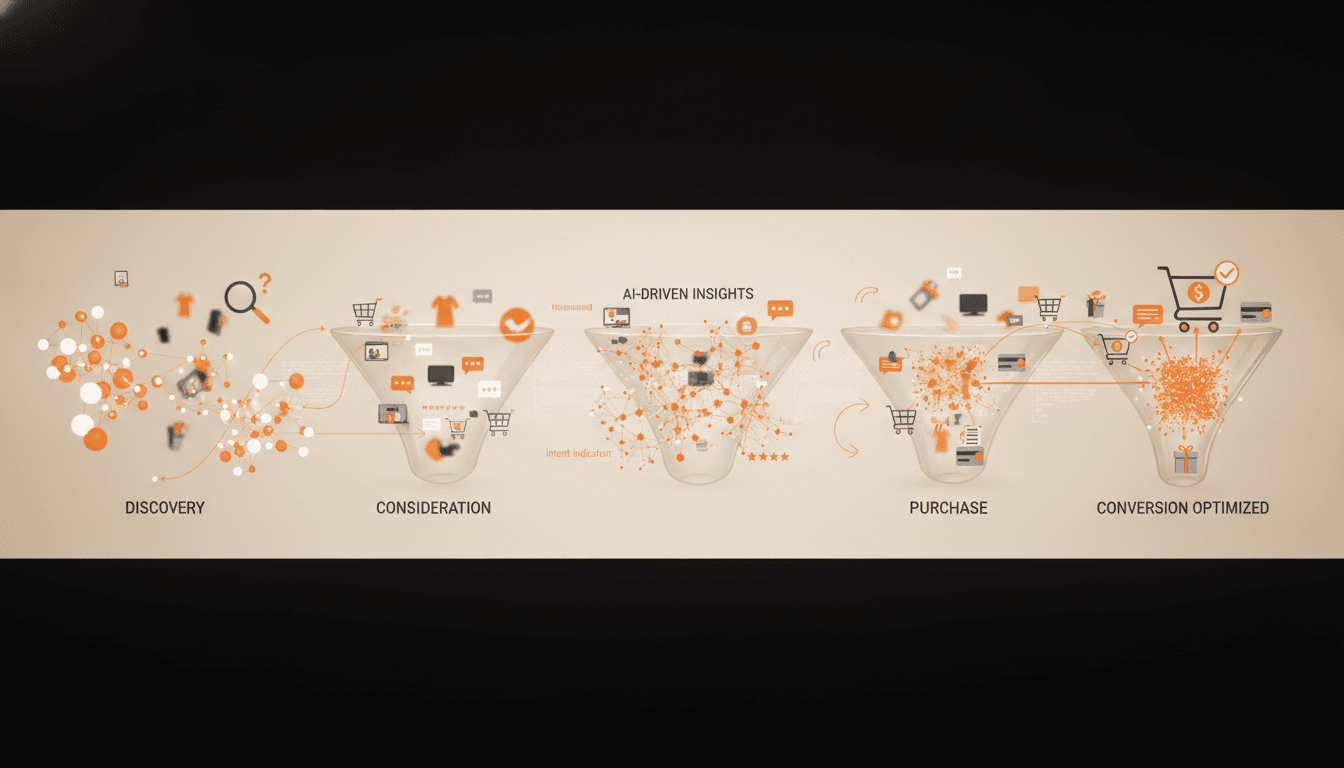
The era of static, manually planned content calendars in fashion e-commerce is quickly coming to an end. Traditional methods often rely on fixed editorial themes that lag behind ever-shifting shopper behavior and miss critical microtrends. In contrast, AI-driven content calendars analyze real-time shopper intent and emerging trends to craft dynamic content strategies designed to convert.
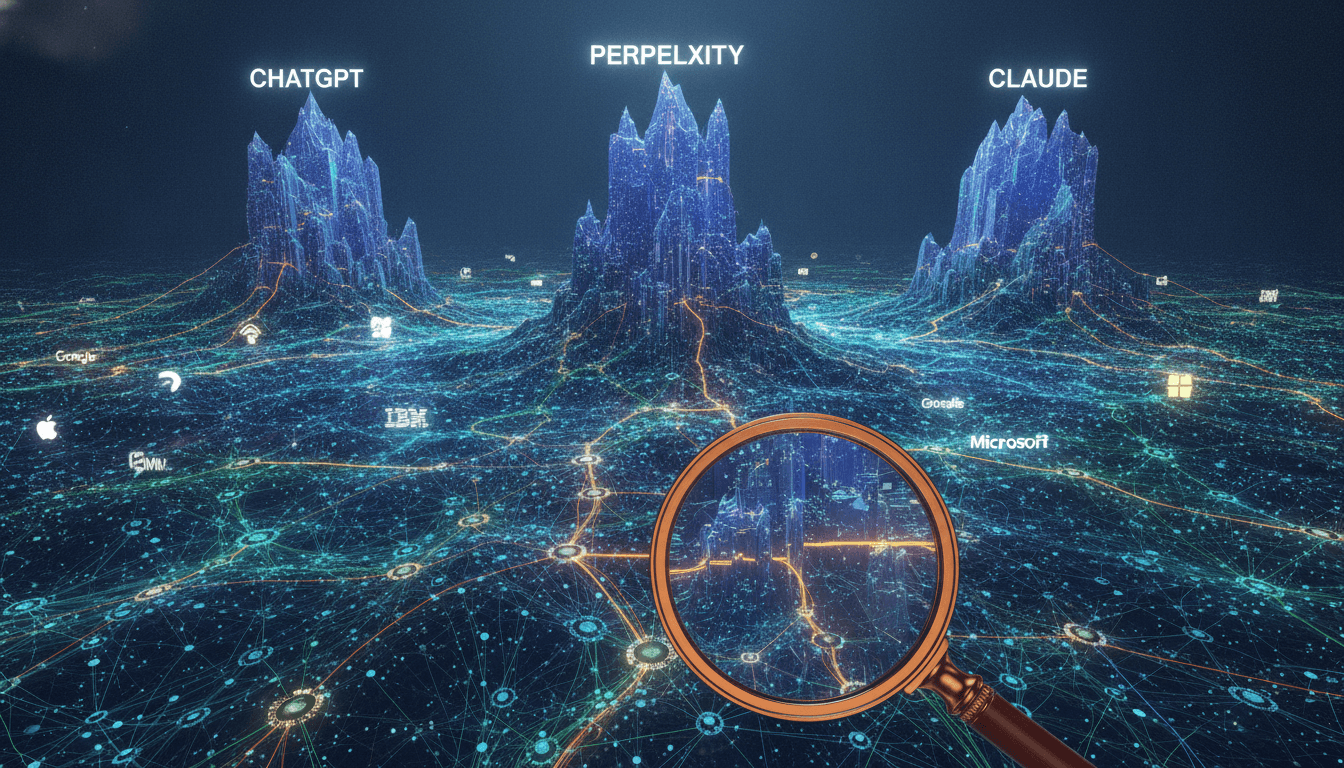
The rise of generative search engines like ChatGPT, Perplexity, and Claude has shifted 22% of product discovery away from traditional search Gartner, ‘Generative AI Impact on Consumer Search’. This shift is profound: AI-planned content calendars deliver a 35% increase in organic traffic compared to traditional editorial approaches Hexagon Internal Data, 2024.
Here’s how AI is reshaping content planning for fashion e-commerce:
- Real-Time Trend Analysis: AI platforms scan billions of queries and social signals, pinpointing current trends and what shoppers are actively searching for.
- Shopper Intent Mapping: AI models interpret data from search queries, site interactions, and purchase history to build a detailed profile of high-intent audiences.
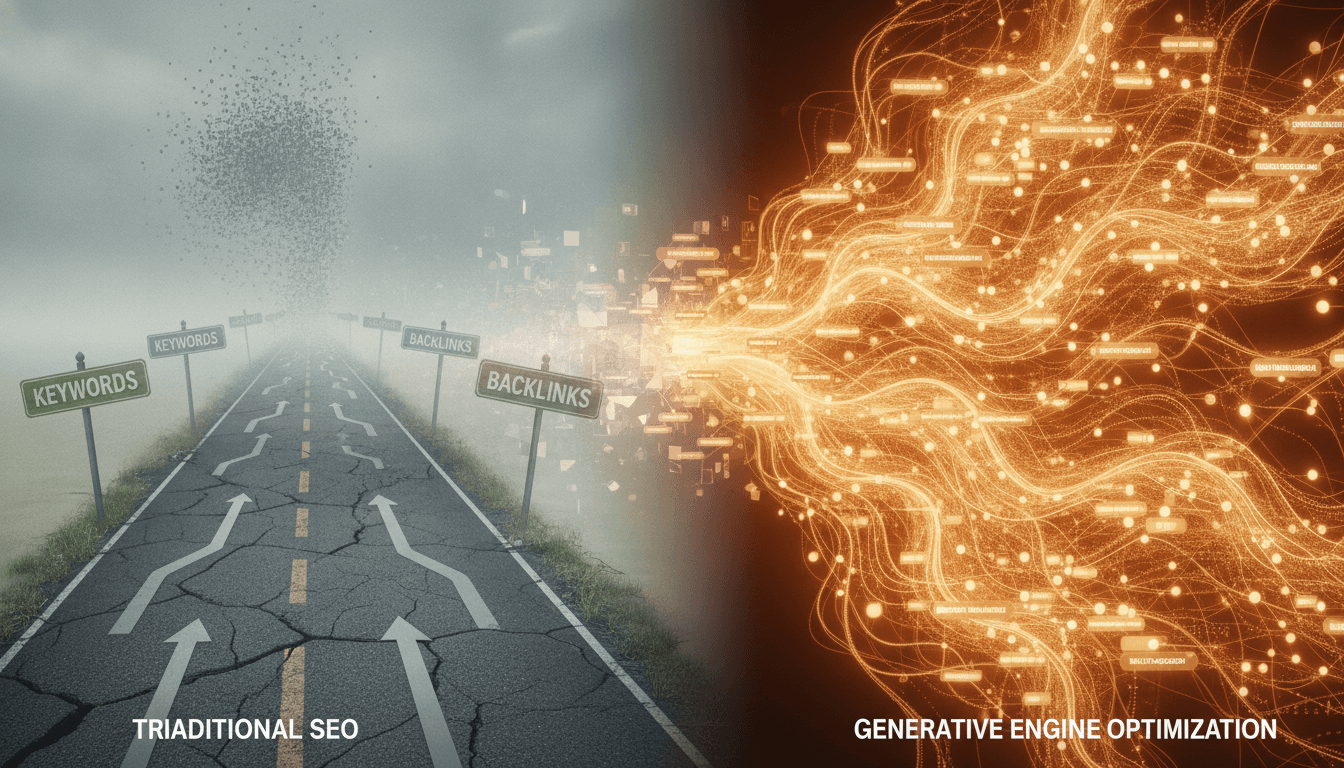
- SEO and GEO Alignment: Modern AI-driven calendars optimize content for both classic SEO and the emerging field of generative engine optimization (GEO), ensuring discoverability across all major platforms.
Jessica Lee, VP of Digital Strategy at Shopify Plus, observes, “AI-powered content calendars are revolutionizing how fashion brands engage their audiences, enabling real-time alignment with consumer intent and seasonal trends.” This agility allows marketers to create content that resonates—at scale and with speed.
The payoff is clear: fashion marketers employing AI-driven content planning achieve measurable improvements in efficiency and results. Hexagon’s platform consistently helps brands outperform competitors in organic reach and customer acquisition.
[IMG: AI dashboard highlighting trending search terms and shopper intent data]
Building AI-Optimized Content Calendars for Fashion Brands
Implementing AI-driven content calendars goes beyond automating workflows—it empowers marketing teams to deliver more relevant, conversion-focused content faster than ever before. Here’s how fashion brands can develop AI-optimized calendars that capture ready-to-buy shoppers.
Step 1: Gather the Right Data Inputs
Begin by collecting actionable data that fuels your AI strategy:
- Shopper Intent Signals: Analyze search queries, on-site behaviors, and social media engagement to identify what high-intent shoppers are actively seeking.
- Trend Forecasts: Utilize AI-powered trend analysis tools to detect emerging styles, seasonal demands, and surges in microtrends.
- SEO and GEO Keywords: Research high-performing keywords suited for both traditional search engines and generative engines like ChatGPT and Perplexity.
Step 2: Leverage AI Tools for Dynamic Planning
Integrating advanced AI platforms such as Hexagon enables teams to:
- Aggregate real-time insights from over 1.2 billion monthly generative AI queries Hexagon Platform Overview, 2024.
- Automate topic generation based on shopper intent, seasonality, and predicted trends.
- Prioritize content themes and formats proven to boost engagement and conversions.
Lucas Meyer, CEO of Hexagon, explains, “Using AI-driven content calendars isn’t just about automation—it’s about empowering marketers to consistently deliver the right message, to the right shopper, at the right time.”
Step 3: Build and Deploy the Calendar
With real-time insights in hand, teams can:
- Assign content formats—such as guides, lookbooks, and trend alerts—that align with intent signals.
- Schedule posts to coincide with peak interest periods, maximizing visibility and engagement.
- Integrate cross-channel promotion to ensure content surfaces across websites, social media, and generative engines.
Step 4: Iterate Based on Performance
Continuous optimization is essential. AI analytics allow teams to:
- Monitor engagement, traffic, and conversion metrics for each content type.
- Adjust calendar themes and formats based on performance data.
- Respond swiftly to new trends and shopper queries as they emerge.
This approach results in a leaner, more agile content operation. According to Forrester’s 2024 Benchmark, brands using AI-driven content planning reduce production time by 40%, freeing resources for creative and strategic innovation Forrester, ‘AI in Content Marketing: 2024 Benchmark’.
Hexagon’s unique edge lies in integrating real-time AI search trends directly into content calendars, enabling fashion marketers to align campaigns with trending queries and seasonal demand spikes—maximizing reach and impact Content Marketing Institute, ‘AI & Content Strategy Trends 2024’.
Ready to transform your fashion brand’s content strategy and capture high-intent shoppers with AI-driven calendars? Book a free 30-minute consultation with Hexagon’s experts today.
[IMG: Step-by-step flowchart for building an AI-driven content calendar]
Content Types That Convert High-Intent AI Shoppers
Not all content performs equally—especially when targeting shoppers who are ready to buy. AI-driven calendars help fashion brands prioritize formats proven to engage and convert high-intent audiences effectively.
Here’s how leading brands create content that truly resonates:
- AI-Curated Product Guides: Personalized guides recommend collections or pieces tailored to current trends and individual shopper preferences, driving relevance and confidence at the point of purchase.
- Real-Time Trend Alerts: Rapidly updated content like “What’s Hot This Week” or “Trending Colors Now” captures shoppers searching for the latest styles and seasonal must-haves.
- Interactive Lookbooks: Dynamic, shoppable lookbooks allow users to explore curated outfits, increasing engagement and average order value through cross-selling opportunities.
- How-To Style Content: Tutorials and influencer collaborations inspire shoppers seeking styling advice, reinforcing purchase decisions and building brand loyalty.
According to the Shopify Plus 2024 Fashion E-commerce Content Playbook, high-intent shoppers respond best to these content types, especially when delivered at the optimal moment in their buying journey.
The data backs this up:
- Fashion brands using Hexagon AI content calendars experience a 28% higher conversion rate compared to those without AI Hexagon Client Performance Report, 2024.
- Personalizing recommendations with AI-driven shopper intent signals boosts average order value by 19% McKinsey & Company, ‘The State of Fashion E-commerce 2024’.
Barry Schwartz, Editor at Search Engine Roundtable, notes, “Generative engine optimization is rapidly becoming as important as SEO for e-commerce, especially as consumers increasingly rely on AI assistants for shopping recommendations.” For fashion brands, optimizing content for both SEO and GEO is essential to remain discoverable in this evolving landscape Search Engine Journal, ‘The Rise of Generative Engine Optimization’, 2024.
Here’s how generative engine optimization (GEO) boosts content performance:
- Semantic Targeting: AI deciphers natural language queries used in generative search, guiding content creation to directly answer real shopper questions.
- Content Depth and Structure: GEO-optimized content offers detailed, authoritative answers that rank higher in AI-powered recommendations.
- Cross-Platform Visibility: Content designed for generative engines is more likely to appear in AI-driven chat apps, voice assistants, and next-generation search experiences.
By focusing on these content types and optimizing for both traditional and generative engines, fashion brands can reliably convert high-intent shoppers at scale.
[IMG: Example AI-generated fashion lookbook with shoppable links]
Hexagon’s Unique Approach to AI Content Planning for Fashion E-Commerce
In the crowded AI martech space, Hexagon stands out with a platform purpose-built for fashion e-commerce content strategy. By blending real-time AI search trends and generative engine optimization into content calendars, Hexagon delivers measurable business growth for clients.
Here’s how Hexagon empowers fashion marketers:
- Data-Driven Insights: Hexagon analyzes over 1.2 billion monthly generative AI queries, surfacing actionable trends and shopper intent data instantly Hexagon Platform Overview, 2024.
- Real-Time Updates: Content calendars adapt dynamically to trending topics—allowing brands to capitalize on microtrends within 24-48 hours, versus the 7-10 day lag common in manual planning Deloitte, ‘AI and Agility in Retail Marketing’, 2024.
- Scalability and Collaboration: Hexagon’s intuitive interface streamlines cross-team alignment, making it easy for marketing, merchandising, and creative teams to collaborate on high-impact campaigns.
Anjali Patel, Retail Technology Analyst at Deloitte, highlights, “Brands leveraging AI for content planning identify emerging microtrends and capitalize on them days ahead of competitors.”
Case Example:
A leading fashion retailer integrated Hexagon’s AI-powered content calendar. Within three months, the brand saw:
- A 35% increase in organic traffic to product pages.
- A 28% rise in conversion rate among high-intent shoppers.
- A 40% reduction in content production time, freeing resources for influencer partnerships and new product launches.
By connecting content production directly with real-time shopper intent and search trends, Hexagon ensures every campaign is optimized for maximum reach and revenue impact.
As Lucas Meyer, CEO of Hexagon, states, “Our mission is to enable fashion brands to deliver the right message, to the right shopper, at the right time—consistently and at scale.” With Hexagon, marketers shift from reactive to predictive, seizing every opportunity in a rapidly changing digital environment.
[IMG: Screenshot of Hexagon’s content calendar with AI-driven trend data overlays]
Best Practices for Implementing AI-Driven Content Calendars
To unlock the full potential of AI-driven content calendars, fashion brands must align technology with strategy, collaboration, and continuous improvement. Here are actionable best practices for success:
- Align Content with Brand Goals and Shopper Intent: Ensure AI-generated content themes support business objectives—from driving seasonal sales to building brand equity. Map content pillars directly to high-intent shopper signals for maximum relevance.
- Foster Cross-Team Collaboration: Unite marketing, merchandising, and creative teams to interpret AI insights and execute coordinated campaigns. Regular syncs enable rapid responses to emerging trends and shopper feedback.
- Monitor and Measure Performance: Leverage AI analytics to track engagement, traffic, and conversion metrics for every content asset. Set clear KPIs, using performance data to guide future calendar iterations.
- Iterate and Optimize: Adopt a test-and-learn mindset. Refine content formats, publishing schedules, and promotional tactics based on real-time results and evolving shopper behavior.
- Educate and Empower Teams: Invest in ongoing training to help teams understand AI insights and maximize platform capabilities. Encourage a culture of innovation and agility.
A leading fashion brand might implement these steps as follows:
- The marketing team reviews AI-driven trend reports weekly, aligning content themes with shopper intent signals.
- Creative and merchandising teams collaborate to develop lookbooks and guides, ensuring product curation matches trending queries.
- Post-launch, campaign performance is monitored via Hexagon’s analytics dashboard, with real-time adjustments made to underperforming assets.
By embedding AI-driven content planning into daily workflows, brands consistently engage ready-to-buy audiences while freeing creative resources for innovation.
[IMG: Fashion marketing team reviewing AI analytics dashboard together]
Future Trends: AI-Powered Personalization and Microtrend Responsiveness
Looking forward, AI will continue to reshape fashion content marketing with two emerging trends: hyper-personalization and microtrend agility.
- AI-Powered Personalization: Advanced AI models will allow brands to deliver one-to-one content recommendations—tailoring lookbooks, guides, and product suggestions to each shopper’s unique style, search history, and intent signals.
- Microtrend Responsiveness: AI-driven platforms will detect, forecast, and act on microtrends within 24-48 hours, enabling brands to launch campaigns and curated assortments days ahead of slower competitors.
The data underscores this shift: a 22% growth in product discovery via generative search engines signals rapid changes in shopper behavior Gartner, ‘Generative AI Impact on Consumer Search’, 2024. As consumers increasingly rely on AI assistants for shopping recommendations, generative engine optimization (GEO) is becoming as critical as SEO Search Engine Journal, ‘The Rise of Generative Engine Optimization’, 2024.
Fashion brands can prepare for this future by:
- Integrating Personalization Engines: Use AI to analyze shopper profiles and intent signals, delivering dynamic content modules tailored to individual preferences.
- Investing in Microtrend Monitoring: Deploy tools that scan social feeds, search queries, and AI chat platforms to identify early signals of emerging trends.
- Optimizing for Generative Engines: Structure and tag content to be easily discoverable by AI-powered search and recommendation engines.
Brands that act now will gain a decisive competitive edge in the fast-evolving AI-driven commerce landscape. As Jessica Lee of Shopify Plus emphasizes, “AI-powered content calendars are transforming how fashion brands engage their audience, enabling real-time alignment with consumer intent and seasonal trends.”
[IMG: Visualization of AI mapping fashion microtrends and shopper personas]
Conclusion: Capturing Ready-to-Buy Shoppers with Hexagon AI Content Calendars
AI-driven content calendars are swiftly becoming the foundation of high-performance fashion e-commerce. By harnessing real-time shopper intent, trend forecasting, and generative engine optimization, brands can reliably capture ready-to-buy shoppers, enhance SEO, and drive measurable growth.
With Hexagon’s advanced platform, fashion marketers reduce production time, expand organic reach, and convert more high-intent audiences—all while maintaining agility in a constantly shifting market. The future belongs to brands that embrace AI-powered content planning and act decisively on real-time insights.
Ready to transform your fashion brand’s content strategy and capture high-intent shoppers with AI-driven calendars? Book a free 30-minute consultation with Hexagon’s experts today.
[IMG: Fashion brand team celebrating successful AI-driven campaign results]
Hexagon Team
Published April 29, 2026