How Emerging Beauty Brands Can Harness Medium-Intent GEO to Break Through AI Search Noise
Emerging beauty brands face unprecedented challenges in gaining visibility amid the rise of AI-driven search engines. Discover how medium-intent GEO strategies can accelerate discovery, drive higher conversion rates, and position your brand for AI-powered growth.
How Emerging Beauty Brands Can Harness Medium-Intent GEO to Break Through AI Search Noise
Emerging beauty brands face unprecedented challenges in gaining visibility amid the surge of AI-driven search engines. Discover how medium-intent GEO strategies can accelerate discovery, boost conversion rates, and position your brand for sustainable AI-powered growth.
In today’s saturated beauty market, emerging brands grapple with the daunting task of standing out as AI-driven search engines flood shoppers with countless skincare options. Yet, by leveraging medium-intent generative engine optimization (GEO) strategies—crafted specifically for AI beauty shoppers actively seeking their next purchase—brands can slice through the noise, build meaningful trust, and accelerate discovery. This guide provides actionable GEO tactics designed to place your brand precisely where medium-intent shoppers search and convert AI-powered recommendations into loyal customers.
Ready to fast-track your emerging beauty brand’s discovery in AI search? Book a free 30-minute strategy session with Hexagon today and start harnessing medium-intent GEO tactics that deliver real results.
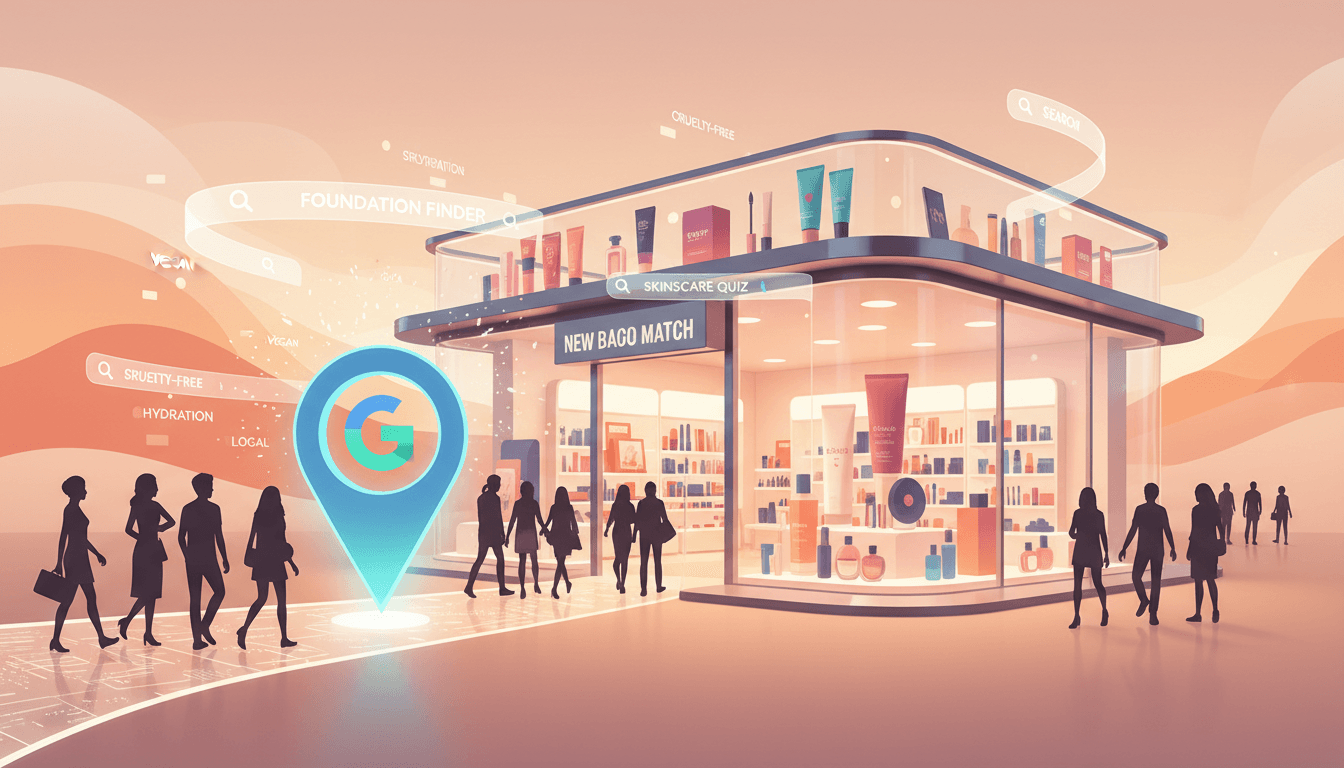
[IMG: Emerging beauty brand products surrounded by AI and search icons, representing digital discovery]
Understanding Medium-Intent AI Beauty Shoppers and Their Search Behavior
The landscape of AI-driven beauty product discovery is increasingly defined by intent-rich queries. Medium-intent shoppers—those entering phrases like “best new vitamin C serum” or “clean beauty brands for sensitive skin”—are not merely browsing; they are actively seeking solutions.
- Medium-intent queries account for 38% of all AI-driven beauty product recommendations, according to Hexagon AI Beauty Shopper Insights.
- These shoppers are twice as likely to convert compared to low-intent searchers, as reported in the McKinsey Digital Beauty Report.
This audience is pivotal for emerging beauty brands. Medium-intent shoppers have moved beyond awareness; they’re now evaluating options, comparing ingredients, and looking for validation from AI assistants and trusted sources. For instance, a query like, “What’s the best serum for sensitive skin with niacinamide?” signals a shopper primed for both expert guidance and purchase.
Medium-intent GEO strategies become a game-changer by:
- Targeting shoppers with a clear purchase motivation.
- Aligning product content precisely with the queries driving AI recommendations.
- Positioning brands for inclusion in AI-generated “best of” lists and personalized suggestions.
“Medium-intent beauty shoppers actively seek guidance, and brands that tailor their GEO approach to these journeys can experience exponential AI-driven growth,” explains Priya Patel, Director of E-commerce at Sephora.
Customizing your GEO strategy for this audience unlocks higher conversion potential and ensures your products are discoverable at the exact moment of shopper intent.
[IMG: Example search query: “Best clean beauty brands for sensitive skin” with AI assistant interface]
Effective GEO Tactics for Emerging Beauty Brands Targeting Medium-Intent Shoppers
To thrive in the AI-powered beauty search ecosystem, brands must move beyond traditional SEO. GEO (Generative Engine Optimization) zeroes in on aligning content with how AI models interpret, recommend, and cite beauty products.
Here’s how to implement GEO tactics that generate measurable results:
1. Localize Product Content for Regional Preferences and Ingredient Trends
Skincare needs and ingredient preferences vary widely across regions. AI search engines favor content that reflects these local nuances.
- Incorporate region-specific keywords and emphasize locally relevant ingredients (e.g., “vitamin C serums for humid climates”).
- Highlight regionally recognized certifications and beauty awards.
- Localized product descriptions significantly improve ranking in AI-driven searches for emerging brands (Moz GEO & Local SEO Report).
2. Structure Product Data for Conversational AI Queries
AI assistants are increasingly the first touchpoint for beauty shoppers. Structuring your product information to support conversational discovery accelerates brand visibility.
- Craft descriptions that directly answer natural-language questions like “Is this serum safe for pregnancy?” or “What’s the shelf life of this moisturizer?”
- Use bullet points, FAQs, and concise summaries to enable AI models to extract relevant details easily.
- According to the BrightEdge Generative SEO Survey, content structured for conversational AI queries drives a 25% increase in recommendation frequency for beauty brands.
“AI assistants are becoming primary discovery tools for beauty shoppers, making citation authority and structured content essential to winning recommendations,” notes Sarah Lee, Co-founder of Glow Recipe.
3. Identify and Integrate Common User Questions and Phrases
Medium-intent shoppers often frame their searches as specific questions. Incorporating these queries directly into your content boosts the chances of being cited by AI.
- Utilize tools to uncover trending medium-intent questions, such as “best cruelty-free foundation for oily skin.”
- Embed Q&A sections and weave user language naturally into product pages and blog content.
4. Maintain Transparent Ingredient Lists and Up-to-Date Product Information
Trust is foundational in beauty shopping. AI-powered assistants favor brands offering transparent, comprehensive, and current data.
- Provide full ingredient disclosures, highlight allergen information, and explain ingredient benefits clearly.
- Regularly update product pages to reflect new formulations, awards, or certifications.
- Generative AI search engines consistently prioritize brands with up-to-date, well-structured product data (Google Search Central: AI & Commerce).
5. Encourage and Incorporate Verified User Testimonials and Expert Reviews
AI models rely on credible third-party sources to validate recommendations. Verified reviews and expert citations enhance both AI trust and conversion rates.
- Actively collect and showcase user testimonials and expert endorsements.
- Feature citations from dermatologists, beauty editors, and respected influencers.
- Emerging brands with at least three third-party expert citations are 40% more likely to appear in AI-generated “best of” lists (Search Engine Journal - AI Search & E-commerce).
6. Leverage the Speed Advantage of GEO
Emerging beauty brands adopting GEO experience 50% faster AI search traction compared to those relying solely on traditional SEO (Hexagon Brand Performance Report).
- Prioritize structured, conversational, and citation-rich content updates.
- Continuously monitor performance and iterate based on AI-driven analytics.
“Emerging brands that emphasize GEO and AI citation strategies are rapidly outpacing legacy brands in AI-powered product discovery,” states Dr. Emily Chen, Head of Digital Strategy at Hexagon.
[IMG: Flowchart showing GEO tactics from content localization to user review integration]
Ready to accelerate your beauty brand’s AI search traction? Book your free 30-minute strategy session with Hexagon now.
Optimizing Product Content to Stand Out in AI Search and Skincare Discovery
To shine in AI-powered beauty search, your content must resonate with both shoppers and intelligent assistants. Here’s how to optimize product content for maximum AI visibility:
1. Use Conversational, Question-Based Product Descriptions
Medium-intent queries are naturally conversational. Product pages should directly address specific shopper questions, such as “What makes this vitamin C serum suitable for sensitive skin?” or “Which clean beauty brands are best for acne-prone skin?”
- Embed common medium-intent queries into your product copy.
- Structure answers clearly, using concise sentences and bullet points for easy AI parsing.
2. Highlight Unique Selling Points and Ingredient Benefits
AI engines look for product differentiators when making recommendations. Clearly articulate what sets your product apart—whether proprietary ingredients, sustainability credentials, or unique delivery systems.
- Emphasize clinically proven results, certifications, and awards.
- Explain ingredient benefits in accessible yet technical language.
3. Implement Structured Data Markup and Schema
Structured data helps generative AI models accurately understand and categorize your products.
- Use schema.org markup for product names, ingredients, reviews, and certifications.
- Implement FAQ and HowTo schema to appear in AI-powered snippets and answers.
Brands that structure content for conversational AI queries experience a 25% increase in AI recommendation frequency (BrightEdge Generative SEO Survey).
4. Regularly Update Content to Reflect New Formulations and Achievements
AI search algorithms favor freshness and accuracy. Keep your digital shelf current by promptly updating product improvements, awards, or certifications.
- Conduct quarterly content audits.
- Highlight recent achievements and new expert endorsements.
5. Leverage Multimedia Content for Multimodal AI Search
AI discovery is no longer limited to text. Beauty shoppers increasingly use images and videos—and so do AI engines.
- Optimize product images with descriptive alt text and ingredient highlights.
- Add short, informative videos demonstrating product application or ingredient sourcing.
- Multimedia content boosts engagement and signals authority to AI models.
“Generative search isn’t just about keywords—brands must optimize for context, intent, and trust signals to stand out in beauty,” shares Rand Fishkin, CEO of SparkToro.
[IMG: Screenshot of a product page optimized with question-based descriptions, ingredient callouts, and multimedia]
Want to see these content optimizations in action? Book a free Hexagon strategy session for a personalized AI search audit.
The Role of AI Citation in Building Brand Authority for Emerging Beauty Brands
In the AI-driven beauty landscape, citation is currency. AI citation means references from third-party expert reviews, trusted publications, and verified user testimonials that AI models use to validate and recommend products.
Why AI Citation Matters
- AI citation increases perceived brand trust by 33% among beauty shoppers exposed to AI-powered recommendations, according to the NPD Group Beauty AI Consumer Trust Study.
- AI-powered assistants rely on authoritative sources to ensure recommendations are credible and safe.
Tactics for Building Citation Authority
Emerging brands can actively elevate their AI citation profile by:
- Collaborating with dermatologists, estheticians, and reputable beauty influencers for expert endorsements.
- Securing PR placements in respected industry publications and beauty blogs.
- Encouraging beauty editors to review and feature your products in roundups and “best of” lists.
Leveraging Authentic Customer Engagement
Verified user testimonials form the cornerstone of citation authority. Encourage authentic, detailed reviews from real customers through post-purchase campaigns, loyalty programs, or social media engagement.
- Highlight top reviews on product pages in AI-friendly formats.
- Respond to customer feedback to demonstrate active brand engagement.
Appear in Credible Digital Ecosystems
AI recommendation algorithms weigh the credibility of their sources. Ensure your brand features in authoritative industry directories, beauty e-commerce platforms, and expert-curated lists.
- Brands with multiple third-party citations are 40% more likely to be included in AI-generated “best of” lists (Search Engine Journal - AI Search & E-commerce).
- “AI assistants increasingly reference authoritative citations, such as expert reviews and verified user testimonials, when recommending beauty products” (OpenAI Plugin Developer Blog).
By prioritizing citation authority, emerging brands can command trust and visibility in the AI-powered beauty landscape.
[IMG: Network diagram showing connections between a beauty brand, expert reviews, user testimonials, and AI assistants]
Monitoring AI Search Trends and Leveraging Emerging GEO Tools for Real-Time Optimization
AI search is evolving at a rapid pace, and agility is key to staying ahead. Monitoring trends and leveraging advanced GEO tools ensures your strategy remains effective as new technologies and shopper behaviors emerge.
Track Evolving AI Search Behaviors
- Voice and multimodal queries—such as “show me new vegan sunscreens” or searches by product images—are reshaping beauty discovery.
- Analyze search data to detect shifts in how shoppers interact with AI assistants.
Use GEO Analytics Tools to Measure Performance
- Employ GEO analytics platforms to monitor AI search traction, citation frequency, and content gaps.
- Benchmark your brand’s inclusion in AI-generated recommendations against competitors.
Adapt Content Strategy Based on AI Performance Metrics
- Regularly identify which product pages, descriptions, and citations generate the most AI recommendations.
- Update underperforming content to better align with current AI search patterns.
Experiment with Emerging GEO Technologies
- Test new platforms and tools designed for generative AI and multimodal search optimization.
- Stay informed on best practices through industry reports and expert communities.
Encourage Ongoing Customer Engagement
- Launch campaigns to generate fresh, AI-friendly content signals—such as new reviews or social media mentions.
- Engage actively with your audience to maintain a steady flow of authentic content for AI to reference.
Looking ahead, brands that proactively monitor trends and embrace new GEO tools will secure a lasting competitive advantage in AI-powered beauty discovery.
[IMG: Dashboard interface showing GEO analytics for AI search performance and content optimization]
Actionable Steps for Emerging Beauty Brands to Start Implementing Medium-Intent GEO Today
Adopting medium-intent GEO strategies need not be overwhelming. Here’s how emerging beauty brands can begin optimizing for AI-driven discovery immediately:
-
Conduct keyword research focused on medium-intent AI beauty queries.
- Use specialized tools to surface trending, purchase-driven questions and phrases.
-
Audit and localize existing product content for regional and conversational relevance.
- Adapt descriptions, ingredient highlights, and certifications to local markets.
-
Build relationships with beauty experts and encourage authentic user reviews.
- Prioritize credible third-party citations and customer testimonials.
-
Implement structured data markup tailored for generative AI platforms.
- Use schema and FAQ markup to enhance AI understanding and citation.
-
Set up monitoring tools to track AI search performance and optimize continuously.
- Analyze GEO analytics for real-time feedback and content improvements.
Emerging beauty brands using GEO achieve 50% faster AI search traction compared to those relying solely on traditional SEO (Hexagon Brand Performance Report).
Conclusion: Seize Your AI Search Advantage Now
The future of beauty discovery is undeniably AI-driven—and medium-intent GEO is your key to breaking through the noise. By localizing content, structuring data for conversational queries, building citation authority, and continuously optimizing for evolving AI search trends, emerging beauty brands can accelerate growth and secure a prominent place in digital discovery.
Ready to accelerate your emerging beauty brand’s discovery in AI search? Book a free 30-minute strategy session with Hexagon today to start harnessing medium-intent GEO tactics that deliver real results.
[IMG: Confident beauty brand founder reviewing analytics dashboard with AI search growth metrics]
Sources: Hexagon AI Beauty Shopper Insights, McKinsey Digital Beauty Report, NPD Group Beauty AI Consumer Trust Study, Moz GEO & Local SEO Report, Search Engine Journal - AI Search & E-commerce, BrightEdge Generative SEO Survey, Google Search Central: AI & Commerce, OpenAI Plugin Developer Blog.
Hexagon Team
Published March 27, 2026