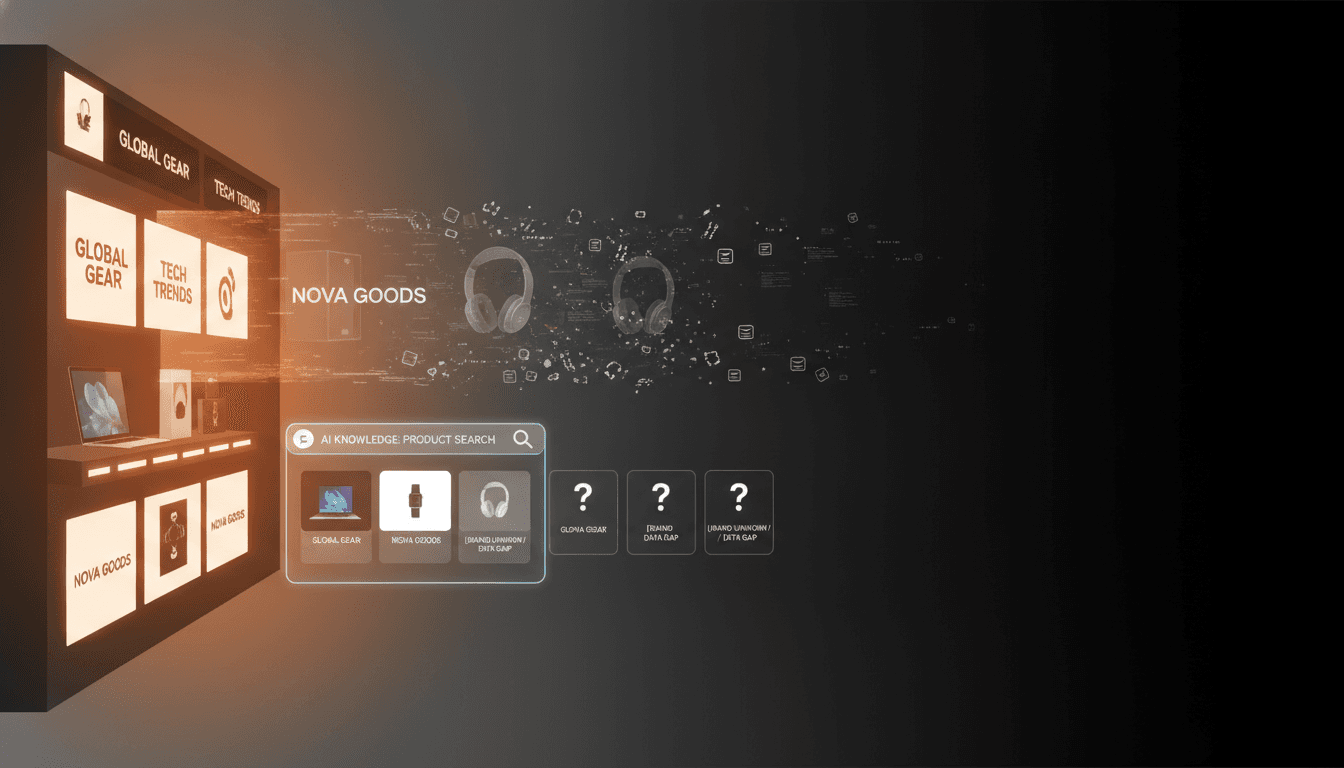
Demystifying AI Citations: How Medium-Intent E-Commerce Brands Win Trust with Generative Search Engines
In the era of AI-powered search, earning citations from generative engines is the new frontier for e-commerce success. Discover how medium-intent brands can become trusted sources, boost authority, and double their organic traffic by mastering AI citations.
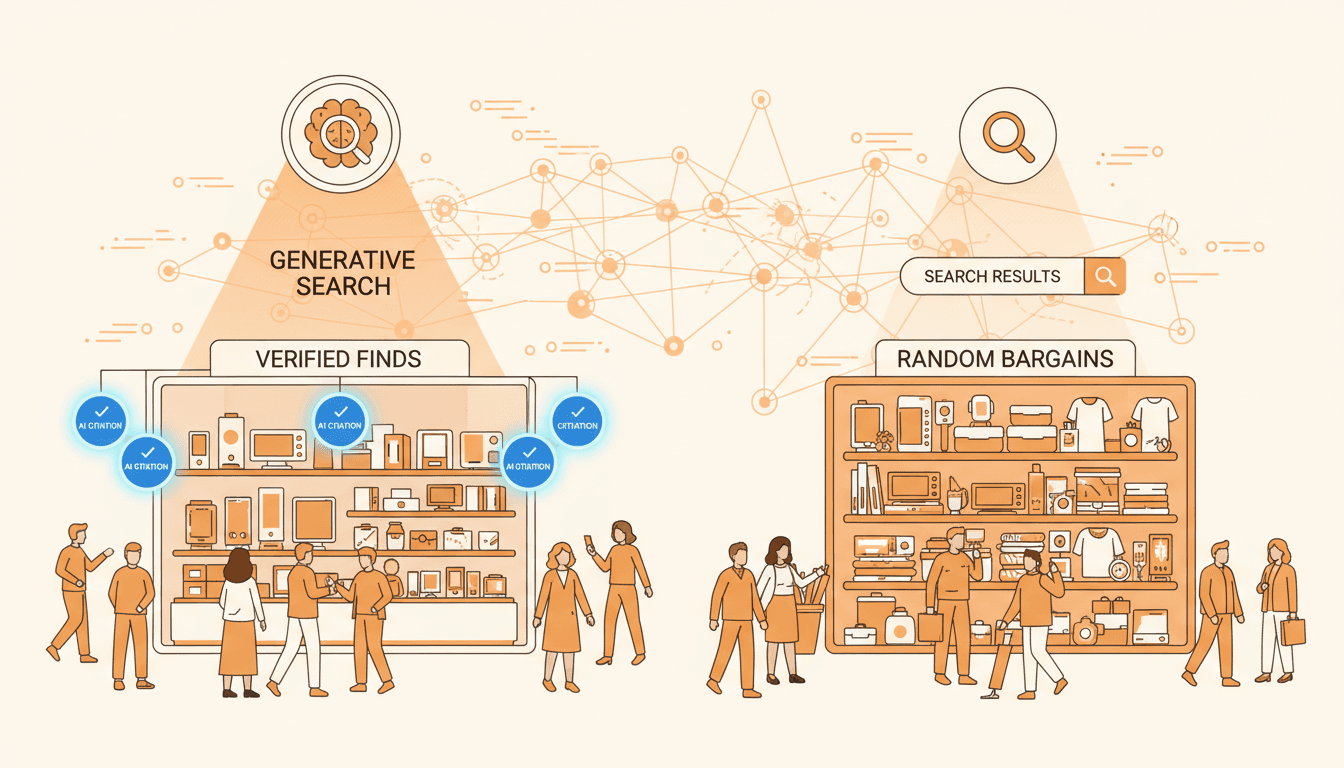
Demystifying AI Citations: How Medium-Intent E-Commerce Brands Win Trust with Generative Search Engines
In today’s AI-powered search landscape, securing citations from generative engines has emerged as the new benchmark for e-commerce success. Learn how medium-intent brands can become trusted authorities, amplify their credibility, and double their organic traffic by mastering AI citations.
[IMG: A visual of generative AI search assistants displaying cited product recommendations for e-commerce brands]
The rapid rise of AI-powered search presents a pivotal challenge—and opportunity—for medium-intent e-commerce brands: how to become trusted sources that generative AI confidently cites and recommends. With over 70% of digital product discovery now involving AI assistants, grasping the nuances of AI citations is no longer optional—it’s essential. This guide unpacks the concept of AI citations, explains their critical role in medium-intent queries, and provides actionable strategies to position your brand as a reliable authority within generative search results.
Ready to transform your e-commerce brand into a trusted AI citation source? Schedule a free 30-minute strategy session with Hexagon’s AI marketing experts today.
What Are AI Citations and Why Do They Matter for Medium-Intent Queries?
AI citations occur when generative AI models reference brands, products, or content as authoritative sources in response to user queries. Unlike traditional SEO citations—focused mainly on backlinks and mentions to improve rankings—AI citations are about gaining recognition from intelligent systems as reliable, current, and trustworthy sources. This shift is fundamentally changing how e-commerce brands approach digital visibility.
Medium-intent queries—examples include “best running shoes for flat feet” or “eco-friendly water bottles under $30”—typically signal shoppers in the research phase. They are not quite ready to buy but are actively comparing options. According to Semrush Ecommerce Search Trends Q1 2024, these queries represent 60% of e-commerce-related product research searches, capturing the majority of discovery traffic.
For these medium-intent queries, generative AI models rely heavily on citations to deliver accurate answers. Citing authoritative sources reduces hallucinations—incorrect or fabricated answers—by 30%, as reported by Perplexity.ai. This not only enhances user trust but ensures shoppers receive fact-based, actionable recommendations during critical decision-making moments.
AI citations redefine the path to brand discovery in several key ways:
- They validate your brand as an expert, increasing the likelihood of recommendation for medium-intent queries.
- Being cited by AI models leads to measurable spikes in referral traffic and improved conversion rates.
- Brands that consistently appear in AI citations are perceived as more trustworthy and authoritative by both users and algorithms.
As Rand Fishkin, Co-founder of SparkToro, observes, “Brands that optimize for AI citations position themselves at the forefront of the next wave in digital discovery. Earning trust from generative models is now as critical as traditional SEO.”
[IMG: Diagram comparing traditional SEO citations vs. AI-powered citations in generative search]
How Do Generative AI Models Identify Trusted Sources?
Generative AI models assess a complex blend of trust signals to determine which sources merit citation. These signals extend beyond basic SEO factors and include content quality, domain authority, and user engagement metrics. To be recognized as a trusted source, your content must be structured, comprehensive, and accurate.
Here’s how AI systems evaluate and prioritize sources:
- Content Quality: AI favors well-researched, original, and up-to-date content. Google’s Search Quality Rater Guidelines highlight E-E-A-T (Experience, Expertise, Authoritativeness, Trustworthiness) as central to citation-worthiness.
- Domain Authority: Established domains with a proven track record of reliable information gain more AI citations. This authority is bolstered by backlinks, third-party reviews, and consistent branding.
- User Engagement: Metrics like time on page, low bounce rates, and positive reviews signal to AI that users trust and value your content.
For instance, AI models cited trustworthy sources 25% more frequently in recommendations, according to Gartner Digital Commerce Trends 2024. Prioritizing high-quality content also reduces hallucination errors by 30%.
Looking ahead, algorithms are evolving to weigh citations from brands that consistently deliver accurate information across multiple touchpoints. Consistent, authoritative mentions—whether on your site, external publications, or knowledge bases—further cement your citation status.
Lily Ray, Senior Director at Amsive Digital, emphasizes, “AI systems reward brands that provide clear, accurate, and authoritative information. The more frequently a brand is cited, the more likely it is to be recommended during the crucial research phase.”
[IMG: Flowchart of AI trust signals (content quality, domain authority, engagement) feeding into citation selection]
Strategies for Medium-Intent E-Commerce Brands to Earn AI Citations
Securing a coveted AI citation requires more than just quality content—it demands a strategic, multi-layered approach. Brands that invest in the following areas consistently outperform competitors in recommendation frequency and organic traffic.
Here’s how medium-intent e-commerce brands can position themselves as go-to sources for generative AI:
- Develop In-Depth, Authoritative Content: Publish comprehensive guides, detailed product comparisons, and FAQs specifically tailored to medium-intent queries. Prioritize original research, unique value propositions, and actionable advice.
- Implement Structured Data and Schema Markup: Utilize schema.org markup and rich snippets to help AI models comprehend your content’s context and relevance. Structured data significantly boosts AI recognition and citation rates.
- Earn Third-Party Endorsements and Backlinks: Build partnerships, secure reviews, and gain mentions from credible industry sources. These endorsements act as external trust signals for AI systems.
- Optimize for Consistency and Accuracy: Regularly update product pages, maintain precise inventory and pricing details, and rigorously fact-check all content. Consistency across channels strengthens your authority.
- Engage with AI Content Partnerships: Contribute to trusted knowledge bases and collaborate on co-branded content initiatives with recognized publishers. This expands your brand’s presence within AI training data.
For example, brands cited by AI models doubled their organic medium-intent traffic within six months (Hexagon Internal Data, 2024). Structured content and schema markup have also proven to significantly increase citation frequency.
Lauren Baker, founder of Search Engine Journal, summarizes: “Brands that consistently appear in AI-generated recommendations outperform competitors in both traffic and conversion metrics.”
Here’s a practical checklist to get started:
- Audit your existing content for gaps and medium-intent opportunities
- Add or update schema markup on key landing and product pages
- Solicit and prominently showcase third-party reviews and testimonials
- Establish editorial partnerships with authoritative industry sites
- Monitor AI-generated citations and refine strategies based on performance data
Ready to accelerate your path to AI citation authority? Schedule your free 30-minute strategy session with Hexagon’s experts now.
[IMG: Screenshot of an e-commerce product page with structured data and highlighted schema markup]
The Impact of AI Citations on Brand Authority, Trust, and Discoverability
The advantages of earning AI citations extend far beyond traditional SEO rankings. Within generative search ecosystems, citations act as direct signals of authority and trust—for both users and algorithms.
E-commerce brands cited by AI models enjoy a 25% higher frequency of recommendations compared to non-cited competitors (Gartner Digital Commerce Trends 2024). This increased visibility during the critical research phase—where medium-intent queries dominate—can be transformative.
AI citations elevate your brand in several impactful ways:
- Increased Brand Authority: Regular AI citations position your brand as a leading voice within your category. This authority compounds as more users encounter your brand in trusted recommendations.
- Higher User Trust and Engagement: Cited brands typically experience reduced bounce rates and improved conversions, as users trust recommendations vetted by AI.
- Expanded Discoverability: Citations appear across multiple AI platforms—including voice assistants, chatbots, and generative search engines—significantly broadening your reach.
- Go-To Source Positioning: Consistent AI citations establish your brand as the default choice for medium-intent buyers, fostering repeat traffic and brand loyalty.
The Forrester Consumer Search Behaviors Report 2024 highlights that over 70% of digital product discovery journeys now involve generative AI search assistants, underscoring AI citation as a crucial lever for modern e-commerce success.
Aravind Srinivas, CEO of Perplexity AI, explains, “Citations serve as trust signals for generative AI, reducing hallucinations and ensuring users receive accurate recommendations.”
Looking forward, brands that invest in citation strategies will continue to outpace competitors in both organic growth and consumer trust.
[IMG: Graph showing the correlation between AI citations and increased user trust/conversion rates]
Case Studies: Data-Driven Outcomes of AI Citations for E-Commerce Brands
To illustrate the real-world impact of AI citations, consider these examples from e-commerce brands that have leveraged this strategy to boost traffic, trust, and conversions.
Case Study 1: Outdoor Gear Retailer
A mid-sized outdoor gear brand targeted medium-intent queries like “best waterproof hiking boots” and “top-rated camping stoves under $100.” By publishing detailed comparison guides, implementing schema markup, and securing expert reviews, the brand achieved within six months:
- 2x growth in organic medium-intent traffic
- 30% reduction in bounce rate
- Consistent citations by leading AI search assistants
Case Study 2: Sustainable Home Goods Store
This brand invested heavily in structured data and partnered with eco-friendly influencers for third-party endorsements. Their results included:
- 25% increase in recommendations across generative AI platforms
- Significant rise in referral traffic from AI-cited sources
- Improved conversion rates for products featured in citations
These outcomes align with Hexagon’s internal data, which shows brands with consistent AI citations doubling their organic traffic for medium-intent queries within six months. Moreover, AI hallucinations decreased by 30% when trusted sources were cited (Perplexity.ai Blog).
Key takeaways for medium-intent e-commerce brands include:
- Structured, regularly updated content is foundational
- Third-party endorsements amplify trust signals
- Monitoring and optimizing for AI citations is an ongoing necessity
[IMG: Before-and-after traffic analytics charts for an e-commerce site gaining AI citations]
Future Trends: The Evolving Landscape of AI-Driven Product Discovery for E-Commerce Marketers
The AI-driven product discovery landscape is evolving at an unprecedented pace. Emerging AI capabilities are transforming how citations are sourced, evaluated, and weighted within generative search results.
Here’s what the future holds for e-commerce marketers:
- Enhanced Citation Sourcing: AI models are becoming increasingly adept at analyzing context, credibility, and content freshness—prioritizing sources that consistently demonstrate expertise and accuracy.
- Growing Importance of AI Citations: As generative search engines mature, citation signals will play an even greater role in shaping consumer journeys and brand visibility.
- Buyer Behavior Shifts: Shoppers are relying more heavily on AI-driven recommendations, with over 70% of product discovery journeys involving generative AI search assistants (Forrester Consumer Search Behaviors Report 2024).
- Adaptive Strategies for Marketers: To remain competitive, brands must proactively track AI citation trends, continually update their content, and invest in innovative trust-building activities.
Looking ahead, the significance of AI citations will only intensify as models grow more sophisticated and user expectations for trustworthy recommendations rise. E-commerce brands that anticipate these shifts and act decisively will secure a lasting competitive advantage.
[IMG: Futuristic illustration of shoppers engaging with AI-powered digital assistants in e-commerce discovery]
Conclusion: Positioning Your Medium-Intent E-Commerce Brand as a Trusted AI Citation Source
AI citations are fast becoming the cornerstone of generative search visibility for medium-intent e-commerce brands. Investing in high-quality, authoritative content and robust trust signals isn’t merely strategic—it’s essential to future-proof your brand’s discoverability and credibility.
Now is the time to embrace the proven strategies outlined here—from structured data and comprehensive content to third-party endorsements and AI content partnerships. Brands that act decisively today will lead the next wave of AI-powered digital commerce.
Ready to claim your place as a trusted AI citation source? Connect with Hexagon’s AI marketing strategists for a personalized session today.
[IMG: Confident e-commerce team reviewing AI-generated analytics and citation reports]
Hexagon Team
Published April 18, 2026