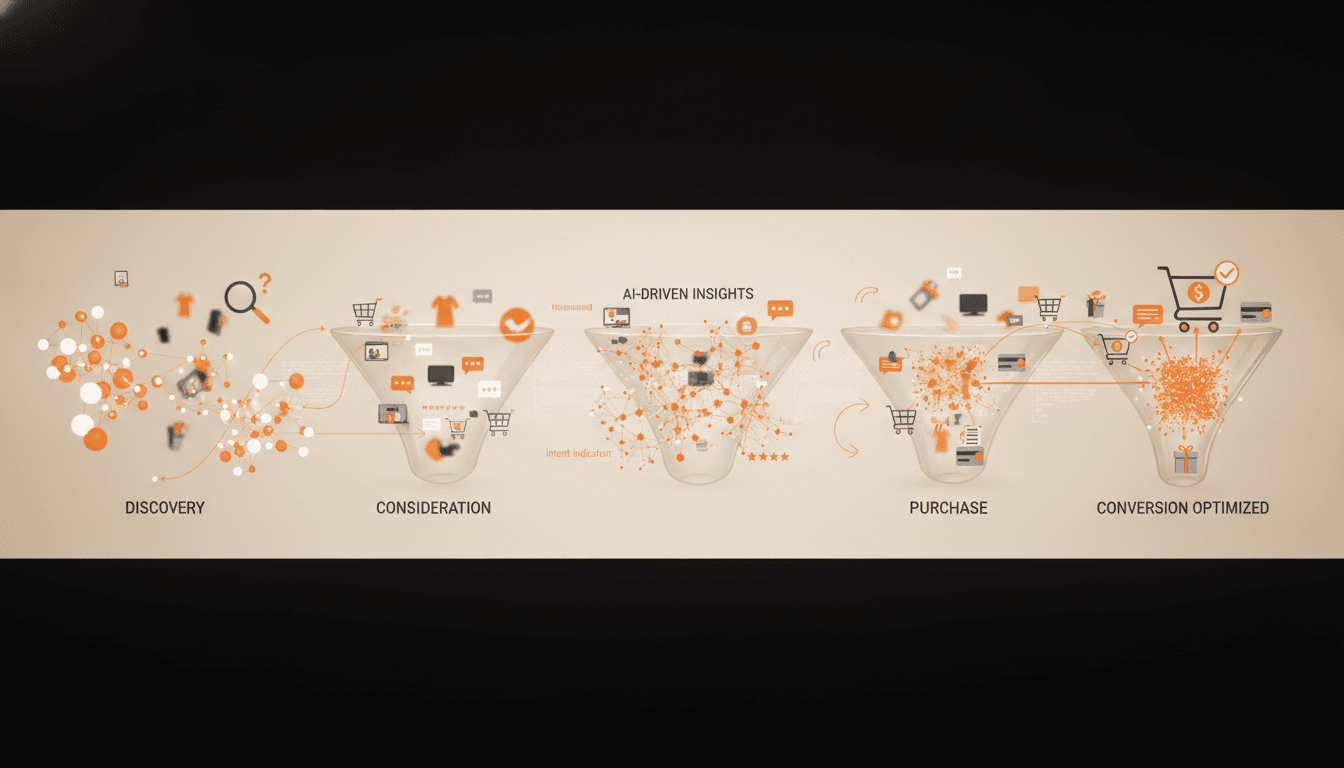
Best Practices for Structuring Medium-Intent AI Optimized Health & Wellness Product Pages
AI-powered search is transforming health & wellness ecommerce. Discover actionable strategies to structure product pages for medium-intent shoppers—driving higher visibility, engagement, and conversions with Hexagon’s proven GEO optimization framework.
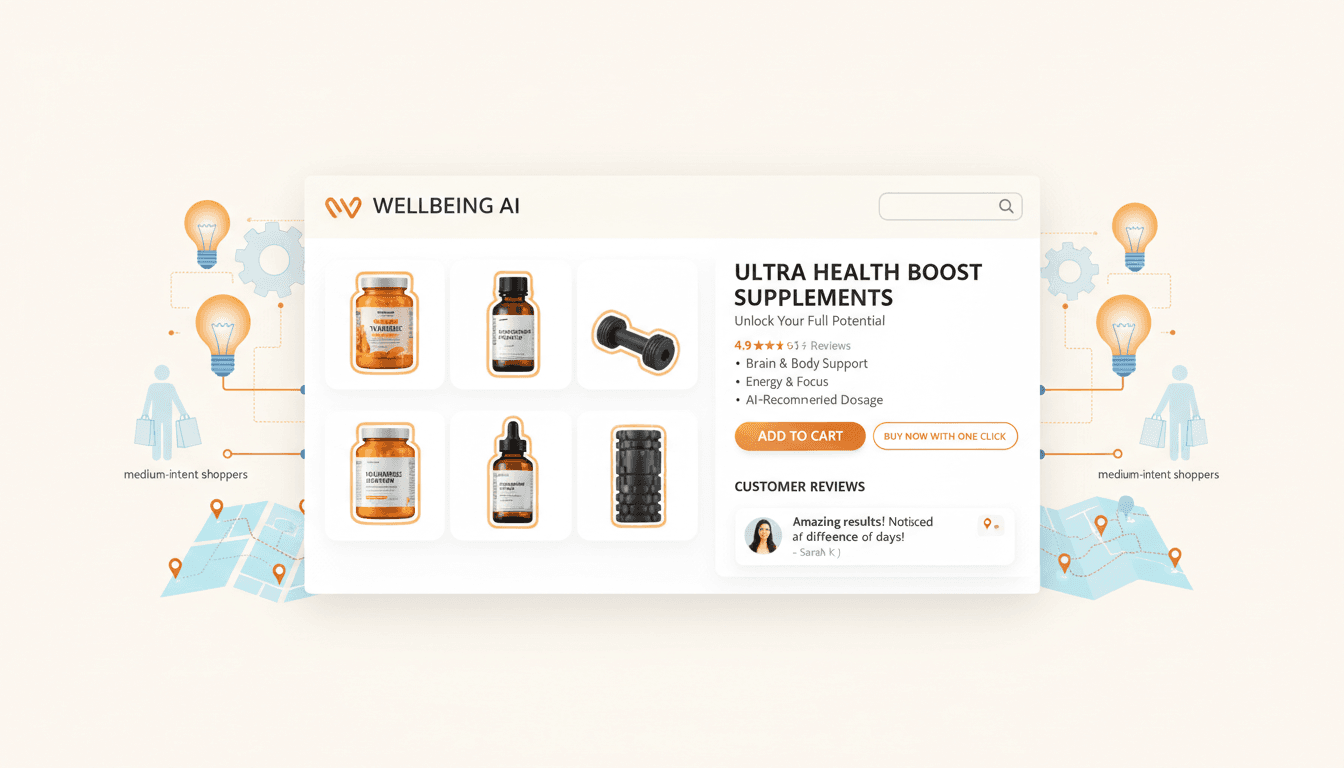
Best Practices for Structuring Medium-Intent AI Optimized Health & Wellness Product Pages
AI-powered search is revolutionizing health and wellness ecommerce. Unlock actionable strategies to structure product pages specifically for medium-intent shoppers—boosting visibility, engagement, and conversions through Hexagon’s proven GEO optimization framework.
[IMG: Person browsing health product pages on a mobile device, with AI search and product cards visible]
Understanding Medium-Intent Health Shoppers and AI Query Interpretation
Medium-intent shoppers form the driving force behind growth in health and wellness ecommerce. These consumers have a clear product category in mind—such as probiotics or vitamin supplements—but are actively comparing brands, ingredients, and benefits before making a purchase. Their search behavior often includes queries like “best probiotic for gut health” or “vitamin D3 vs D2 benefits,” which now represent over 60% of AI-generated recommendations in this category (Semrush Health E-commerce Search Trends).
These shoppers are primarily information seekers. They engage deeply with product pages that satisfy their curiosity by providing factual details and credible comparisons. According to the Salesforce Commerce Cloud Health Vertical Report, medium-intent shoppers spend 50% more time on AI-optimized product pages, reflecting higher consideration and a stronger likelihood of conversion. Their key objectives include:
- Comparing product efficacy and ingredient profiles
- Understanding third-party certifications and sourcing
- Reading user reviews and clinical validations
Modern AI-powered search engines and voice assistants interpret these medium-intent queries with impressive nuance. They prioritize pages that directly address user intent, utilizing structured data and natural language cues to deliver personalized, relevant results. As Barry Schwartz, CEO of RustyBrick, insightfully remarks:
“Medium-intent shoppers are information seekers. Meeting their needs with clear, factual, and engaging content is what powers both AI and user trust.”
Recognizing this intent shapes how product pages should be structured:
- Content Depth: Pages must comprehensively cover comparison points and answer common questions.
- Structured Data: Schema markup enables AI engines to parse features such as reviews, FAQs, and certifications effectively.
- Authority Signals: E-E-A-T (Experience, Expertise, Authoritativeness, Trustworthiness) are critical for health-related recommendations.
Brands that align their product pages with medium-intent queries consistently outperform competitors. AI-driven platforms now prioritize intent alignment, meaning that clarity and structure directly influence both discoverability and user engagement. For health and wellness brands, this presents a pivotal opportunity to capture, educate, and convert discerning shoppers amid fierce competition.
[IMG: Flowchart showing AI interpretation of medium-intent search queries on health product pages]
Implementing Schema Markup to Boost AI and Voice Assistant Visibility
Schema markup serves as the vital bridge between your product data and AI-powered discovery platforms. Ashley Berman Hale, VP of Professional Services at DeepCrawl, emphasizes:
“Schema markup is no longer optional for e-commerce. It’s the bridge between your product data and AI-powered discovery platforms.”
When implemented correctly, schema markup can increase AI product visibility by 42%, according to BrightEdge Research. It also boosts the likelihood of voice assistant recommendations by up to 38% (Schema.org Case Studies).
To structure your health and wellness product pages with the appropriate schema, focus on these essentials:
Essential Schema Types for Health Product Pages
- Product Schema: Defines critical details like product name, brand, price, availability, and SKU, enabling AI engines to identify your products accurately.
- Review Schema: Highlights customer ratings, review counts, and key quotes, enhancing search results and answer boxes.
- FAQ Schema: Surfaces frequently asked questions and answers, improving compatibility with voice assistants and eligibility for rich snippets.
[IMG: Example of schema code for Product, Review, and FAQ on a health supplement page]
Step-by-Step Approach to Adding Schema
- Identify Key Data Points: Include product details, ingredients, certifications, and use cases.
- Add Structured Data: Embed relevant schema (preferably JSON-LD) directly into each product page.
- Validate Markup: Use Google’s Rich Results Test or Schema.org Validator to ensure accuracy.
- Monitor Impact: Track visibility and rich snippet appearances via Google Search Console and third-party SEO tools.
The benefits of schema markup are tangible:
- A 42% uplift in AI product visibility for pages with complete schema (BrightEdge)
- A 38% higher chance of voice assistant recommendations when Product, Review, and FAQ schema are present (Schema.org Case Studies)
- Improved answer box placement for medium-intent queries
Schema markup empowers AI engines and voice assistants to interpret, categorize, and recommend your health products with precision. For wellness brands, adopting this structured approach is essential to stand out in an increasingly crowded AI-driven marketplace.
[IMG: Health product page search result with visible rich snippets for reviews and FAQs]
Optimizing Metadata for AI Parsing and Recommendation Engines
Metadata remains a foundational element of AI-driven ecommerce discovery. Modern recommendation engines rely heavily on well-structured metadata to assess product relevance and accurately match medium-intent queries.
To craft metadata that resonates with both AI and medium-intent shoppers, follow these guidelines:
- AI-Friendly Title Tags: Create clear, concise titles incorporating target keywords and product differentiators. For example, “Organic Probiotic Supplement – 30 Billion CFU, Non-GMO, NSF Certified.”
- Meta Descriptions: Summarize unique selling points, benefits, and key ingredients within 155-160 characters, mirroring the language used in medium-intent queries.
- Open Graph (OG) Tags: Ensure accurate and consistent product representation across social and messaging platforms, reinforcing your brand message.
Strategic keyword incorporation is critical. For instance, if shoppers frequently search “best vegan collagen powder,” naturally include this phrase in your metadata. Avoid keyword stuffing; instead, prioritize clarity and intent alignment. AI engines increasingly favor language that reflects user search patterns and addresses comparison needs.
Applying GEO (Guided, Engaging, Optimized) principles to metadata means:
- Titles and descriptions directly address common comparison points
- Metadata reinforces authority and transparency
- Social sharing is seamless and visually compelling
Health brands with optimized product pages experience a 35% increase in AI recommendations compared to non-optimized competitors (Hexagon Internal Analytics). This highlights the significant impact thoughtful metadata has on discoverability and conversion rates.
[IMG: Screenshot highlighting optimized metadata fields for a health supplement product page]
Creating Authoritative, E-E-A-T-Driven Product Content
Experience, Expertise, Authoritativeness, and Trustworthiness—collectively known as E-E-A-T—are indispensable for health and wellness brands navigating the AI era. AI search engines and voice assistants increasingly favor product pages that embody these qualities, especially for health-related queries (Google Search Quality Evaluator Guidelines 2023).
Lily Ray, Senior Director of SEO at Amsive Digital, emphasizes:
“For health and wellness brands, demonstrating trustworthiness and expertise through E-E-A-T principles is paramount for AI-driven discoverability.”
To craft product content that appeals both to AI and medium-intent shoppers, focus on these areas:
Detail Benefits, Ingredients, Use Cases, and Certifications
- Comprehensive Descriptions: Provide over 300 words that cover benefits, clinical evidence, ingredient sourcing, and unique selling points. According to the Content Marketing Institute, this strategy increases average time on page by 27%.
- Ingredient Transparency: List all active and inactive ingredients, including sourcing details and third-party verifications such as NSF or USDA Organic. Transparency builds trust and aligns with AI’s preference for credible sources (Gartner: The Future of E-commerce and AI Discovery).
- Use Case Examples: Clearly explain who should use the product, how to use it, and expected outcomes. Address common scenarios like “best probiotic for IBS” or “vegan-friendly protein powder.”
[IMG: Product detail section showing clinical study data and third-party certification logos]
Incorporate Clinical Evidence and Transparent Sourcing
- Cite relevant clinical studies supporting product efficacy.
- Reference certifications and batch testing results.
- Link to third-party documentation or authoritative sources whenever possible.
Reinforce Authoritativeness and Trust
- Feature expert quotes or testimonials from registered dietitians, doctors, or qualified health professionals.
- Showcase awards, certifications, and industry endorsements prominently.
- Regularly update content to reflect the latest research and industry trends.
Adam Audette, Chief Knowledge Officer at Blend360, notes:
“AI assistants rely on structured data and comprehensive product content to surface the most relevant options for shoppers with medium intent.”
For health and wellness ecommerce, authoritative content is more than a ranking factor—it underpins conversions, repeat purchases, and long-term brand loyalty.
Actionable Tips for E-E-A-T Product Content
- Maintain a professional, fact-based tone
- Reference reputable sources and scientific studies
- Avoid unsubstantiated health claims
- Update content promptly as new certifications or research emerge
Prioritizing E-E-A-T positions brands as trusted advisors rather than mere sellers. This approach drives longer engagement, stronger AI visibility, and more confident purchasing decisions.
[IMG: Comparison table of health supplements with ingredient transparency and E-E-A-T signals]
Integrating Dynamic FAQ Sections to Address Medium-Intent Questions
Dynamic FAQ sections are a powerful asset for engaging users and enhancing AI visibility. They directly address the specific information needs of medium-intent shoppers, who often seek precise answers before finalizing a purchase.
Common questions from this audience include:
- “What certifications does this product have?”
- “Can I take this supplement with other medications?”
- “Is this product suitable for vegans or those with allergies?”
- “What’s the difference between D3 and D2 vitamins?”
By proactively answering these questions, brands can:
- Reduce purchase hesitancy
- Increase time on page and overall engagement
- Boost conversion rates
Incorporating FAQ schema markup is essential. Schema.org Case Studies reveal that FAQ schema increases the likelihood of voice assistant recommendations by 38%. These sections also improve answer box placement and attract qualified traffic from AI-powered search engines (Moz SEO for Health E-commerce).
Best Practices for Dynamic FAQ Integration
- Update FAQ content regularly based on customer feedback and AI trend analysis
- Provide concise, factual answers that comply with regulatory guidelines
- Use clear formatting and proper schema markup to optimize AI parsing
To keep FAQs dynamic and relevant:
- Monitor search query reports and customer support tickets for emerging questions
- Collaborate with product experts and customer service teams to refine responses
- Optimize content for both text and voice search, using natural, conversational language
A well-crafted FAQ section not only addresses shopper concerns but also strengthens AI discoverability and trust—crucial elements for winning medium-intent customers.
[IMG: Example of a dynamic FAQ section with AI-powered search highlights]
Designing Mobile-First, Fast, and Accessible Product Pages
Mobile-first design has become essential in health and wellness ecommerce. AI-powered discovery platforms and voice assistants increasingly favor mobile-friendly, fast-loading pages in their ranking algorithms. According to the Google Mobile Performance Report 2024, mobile-friendly pages enjoy a 23% higher AI assistant engagement rate in this sector.
To optimize product pages for both mobile users and AI-driven platforms, implement the following:
- Responsive Design: Employ flexible layouts and scalable images to ensure smooth navigation on any device.
- Fast Loading Times: Compress images, leverage browser caching, and minimize code to speed up load times. Page speed is a crucial ranking factor for AI search and user satisfaction alike.
- Accessibility Compliance: Adhere to WCAG guidelines to make content accessible to all users, including those with disabilities. Accessibility signals increasingly influence AI ranking algorithms.
[IMG: Health product page displayed on multiple mobile devices with accessibility features]
Technical Best Practices Aligned with GEO Principles
- Use clear, prominent CTAs and legible fonts
- Organize content into bite-sized sections with distinct headings
- Avoid intrusive interstitials or pop-ups, especially on mobile devices
Mobile-first product pages not only enhance user experience but also correlate strongly with improved AI search rankings and engagement. For example, a streamlined mobile layout enables voice assistants to surface your products more effectively during “near me” and on-the-go health queries.
Looking forward, brands that fully embrace mobile-first, accessible design as a core optimization strategy will consistently outperform competitors in both search visibility and conversion metrics.
Monitoring AI Discoverability and Adapting to Emerging Search Trends
The AI-powered health ecommerce landscape is rapidly evolving. Continuous monitoring and agile adaptation are vital to maintaining and enhancing product page relevance and discoverability.
To stay ahead, implement these practices:
- Use Analytics Tools: Leverage platforms like Google Search Console, SEMrush, and proprietary AI analytics to track impressions, engagement, and AI-driven recommendations.
- Monitor Key Metrics: Focus on AI-driven traffic, rich snippet appearances, voice search placements, and time on page. Reference benchmarks such as the 35% lift in AI recommendations for optimized pages (Hexagon Internal Analytics).
- Analyze AI Search Trends: Stay current with emerging keywords and question formats. Adapt content and metadata proactively based on trend analysis and shopper behavior.
A continuous improvement cycle looks like this:
- Analyze performance data monthly
- Update schema, metadata, and content based on insights
- Test new FAQ entries and mobile enhancements
Ongoing optimization is the key to sustaining and growing a 35% lift in AI recommendations. Brands that proactively adjust to evolving AI and voice search algorithms will maintain leadership in visibility, engagement, and conversions.
Ready to transform your health product pages for AI-driven success?
Schedule a personalized consultation with Hexagon’s AI marketing experts today.
Conclusion: Elevate Your Health Product Pages for AI-Driven Commerce
AI-powered discovery has fundamentally changed what it takes to capture medium-intent shoppers in health and wellness ecommerce. By deeply understanding shopper intent, implementing robust schema markup, optimizing metadata, and delivering authoritative E-E-A-T content, brands can significantly enhance product visibility and engagement.
Here’s a quick recap of best practices:
- Address medium-intent queries with comprehensive, comparison-focused content
- Use Product, Review, and FAQ schema to unlock AI and voice assistant visibility
- Optimize metadata for AI parsing and recommendation engines
- Build trust through transparent ingredients, certifications, and clinical backing
- Integrate dynamic FAQ sections that answer real shopper questions
- Prioritize mobile-first, accessible design to boost engagement
- Continuously monitor performance and adapt to AI search trends
Brands investing in these strategies today will become tomorrow’s leaders in AI-driven health ecommerce.
Take the next step:
Schedule your AI optimization strategy session with Hexagon and position your health products for measurable growth and authority in the AI era.
[IMG: Hexagon AI team consulting with a health brand on product page optimization]
Hexagon specializes in AI-powered marketing strategies for health and wellness ecommerce brands. For more insights, visit joinhexagon.com.
Hexagon Team
Published May 13, 2026