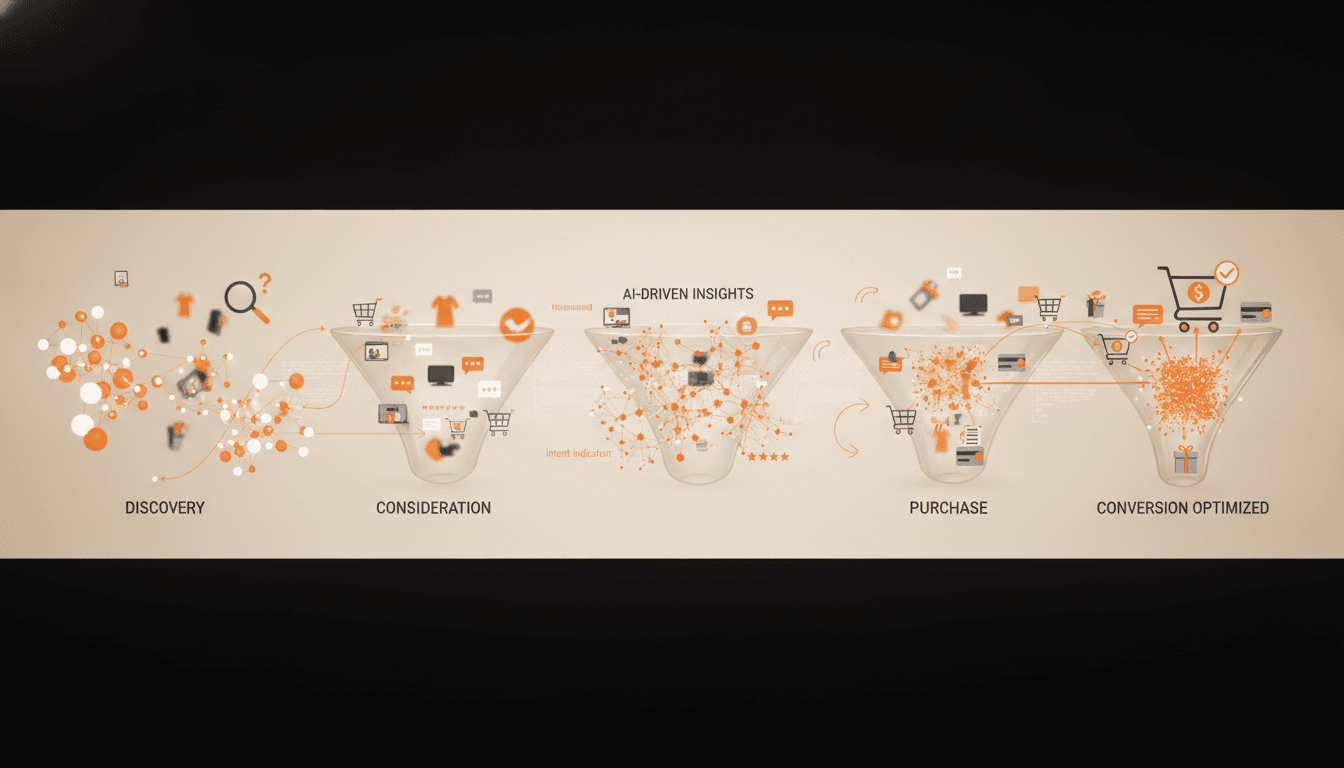
Unlocking Medium-Intent GEO Tactics for Emerging Fashion Brands: A How-To Guide
Emerging fashion brands are facing fierce competition in the AI-powered search space. Discover how medium-intent GEO tactics can help your brand rise above the noise, increase targeted visibility, and drive more conversions through next-generation AI marketing strategies.

Unlocking Medium-Intent GEO Tactics for Emerging Fashion Brands: A How-To Guide
In today’s fiercely competitive AI-powered search landscape, emerging fashion brands face the challenge of standing out amid overwhelming noise. Discover how leveraging medium-intent GEO tactics can elevate your brand’s targeted visibility, boost engagement, and drive conversions through cutting-edge AI marketing strategies.
Emerging fashion brands often struggle to capture attention in the bustling AI-driven search ecosystem. Yet, by unlocking medium-intent GEO tactics tailored specifically for fashion, brands can dramatically enhance their visibility, engagement, and sales via AI marketing channels. This comprehensive guide unveils actionable strategies to optimize your brand’s presence for AI search engines and generative AI shopping assistants.
Ready to unlock the power of medium-intent GEO for your emerging fashion brand? Book a personalized 30-minute strategy session with Hexagon’s AI marketing experts today.
[IMG: Fashion brand team analyzing AI-powered search data on a laptop, surrounded by clothing samples]
Understanding Medium-Intent Keywords in the Fashion Industry
Successfully navigating the evolving world of AI-powered search demands a nuanced grasp of keyword intent. In fashion, targeting the right search queries—particularly those with medium intent—is crucial for standing out and capturing shopper interest.
What exactly are medium-intent keywords?
These keywords fall between broad, top-of-funnel terms like “shoes” or “dresses” and high-intent, bottom-of-funnel phrases such as “buy black leather boots size 7.” Medium-intent keywords capture shoppers actively researching and considering options—queries like “best ethical sneakers for women” or “affordable luxury handbags 2024.”
- Broad intent: General, unspecific terms with massive search volume but typically low conversion rates.
- Medium intent: Research-driven, descriptive queries signaling genuine interest in features, styles, or comparisons.
- High intent: Transactional phrases indicating readiness to purchase immediately.
Recent research underscores the power of medium-intent keywords in fashion. According to the Semrush Fashion Retail Search Intent Report, medium-intent keywords generate 22% more AI recommendations than broad or generic terms. This advantage stems from AI shopping assistants and generative engines favoring queries that reflect genuine buyer research and discovery.
“Medium-intent queries are the new battleground for fashion e-commerce—brands that anticipate and answer these questions will win the AI recommendation race.” — Kaleigh Moore, Fashion eCommerce Analyst
Examples of medium-intent keywords tailored to fashion brands include:
- Best sustainable denim brands
- Vegan leather jackets for fall
- Affordable minimalist sneakers for men
- Top petite-friendly workwear 2024
- Eco-friendly swimwear reviews
AI shopping assistants like ChatGPT and Google SGE increasingly prioritize these nuanced, informative queries. They align seamlessly with the customer’s research journey, making them prime candidates for inclusion in “top picks” lists and comparison guides (Perplexity AI Shopping Trends Report).
How to Identify Medium-Intent Keywords Relevant to Your Brand
Unearthing the right medium-intent keywords requires a blend of data-driven tools and market intuition.
- Utilize platforms such as Semrush, Ahrefs, and Google Search Console to surface research-focused queries within your niche.
- Analyze AI-generated shopping guides and FAQs to spot trending medium-intent questions.
- Monitor social media and influencer conversations for naturally emerging product comparison phrases.
- Conduct competitive analysis to identify queries driving traffic to peer brands.
For instance, emerging denim labels might find growing interest in phrases like “organic cotton mom jeans” or “sustainable denim for petites.” These insights should shape your content creation, product page optimization, and FAQ development.
Medium-intent keyword optimization is no longer optional—it’s the cornerstone for AI-powered product discovery. Fashion brands embracing this approach will position themselves as frontrunners in the next wave of search innovation.
[IMG: Keyword research dashboard showing medium-intent fashion search queries]
Structuring Fashion Product Pages for AI-Driven Recommendations
To thrive in AI-driven search and recommendation environments, fashion brands must rethink product page content. Moving beyond basic descriptions, brands should adopt structured, conversational content that mirrors user research behavior and meets generative AI requirements.
Here’s how to design your product pages for maximum AI impact:
1. Highlight Detailed Attributes
AI models excel when provided with specific, comprehensive product information. Detailed attributes enhance both understanding and recommendation accuracy.
- Include materials, construction details, available colors and sizes, care instructions, and sustainability certifications.
- Clearly articulate unique selling points (USPs), such as “recycled polyester lining” or “made with Fair Trade organic cotton.”
- Use concise, natural language that aligns with how shoppers phrase their research queries.
According to Retail Dive, product pages featuring detailed attributes are significantly more likely to be recommended by AI search and shopping assistants.
2. Incorporate Rich FAQs
FAQs serve as a vital bridge between brand messaging and consumer inquiries, offering direct answers and valuable context—qualities highly prized by AI models.
- Address common research-phase questions such as “Is this dress machine washable?” or “How does this fit compare to last year’s style?”
- Write in a clear, conversational tone that matches both AI and human search patterns.
- Regularly update FAQs to reflect seasonal trends and evolving consumer interests.
Brands employing structured, conversational content like FAQs and comparison tables report a 30% increase in engagement from AI shopping assistants (Shopify eCommerce Content Optimization Guide).
3. Add Comparison Content
Comparison tables and side-by-side feature listings help AI systems grasp your product’s positioning and value.
- Develop tables comparing your products with leading alternatives or previous models.
- Emphasize differences in price, sustainability, fit, and unique features.
- Use bullet points for easy scanning by both shoppers and AI algorithms.
“Brands that structure their pages for AI comprehension are seeing real gains in discovery and purchase intent from recommendation engines.” — Aleyda Solis, International SEO Consultant
4. Embrace a Natural, Conversational Tone
AI models are trained on real-world conversations and user queries. Reflect this tone throughout your product pages:
- Write as if directly answering a shopper’s question, e.g., “Which vegan leather jacket is best for fall?”
- Avoid jargon and overly technical language.
- Prioritize clarity, empathy, and relevance to the shopper’s needs.
5. Leverage Schema Markup
Structured data is crucial for enabling AI engines to interpret your page content accurately. Product pages with schema markup are twice as likely to be included in generative engine recommendations (Yoast SEO Schema Guide).
- Implement Product, Review, Offer, and FAQ schemas to provide clear page context.
- Ensure all structured data is accurate and regularly updated.
By integrating these tactics, fashion brands can transform product pages into AI-ready assets that drive both discovery and conversion.
Ready to unlock the power of medium-intent GEO for your emerging fashion brand? Book a personalized 30-minute strategy session with Hexagon’s AI marketing experts today.
[IMG: Example of a well-structured fashion product page with highlighted attributes, FAQs, and comparison table]
Implementing Schema Markup and Structured Data for Enhanced AI Visibility
Schema markup forms the backbone of generative engine optimization (GEO) for fashion brands. This structured data format empowers AI-driven search engines to accurately interpret and recommend your products.
What Is Schema Markup and Why Does It Matter?
Schema markup is a standardized vocabulary that adds rich context to your page content. It conveys details such as product type, attributes, reviews, pricing, and availability to search engines and generative AI assistants.
- Generative engines like ChatGPT and Google SGE prioritize brands delivering authoritative, well-structured answers with clear product USPs (Google Search Central Blog).
- Pages using schema markup are twice as likely to appear in AI-generated shopping guides and recommendation lists (Yoast SEO Schema Guide).
Types of Structured Data for Fashion Product Pages
Fashion brands should implement these essential schema types:
- Product: Defines the item, brand, model, color, size, material, and other key attributes.
- Review: Highlights customer or expert reviews and ratings.
- Offer: Communicates pricing, availability, and promotional offers.
- FAQ: Provides clear answers to common shopper questions.
Step-by-Step Schema Implementation Best Practices
Follow these steps to maximize your schema markup’s impact on AI visibility:
- Audit existing product pages for schema gaps using tools like Google’s Rich Results Test or Schema.org Validator.
- Implement JSON-LD format for streamlined integration and ongoing maintenance.
- Mark up all critical product attributes—such as material, fit, and sustainability—to align with medium-intent search queries.
- Add FAQ schema to every product or category page, addressing relevant research-phase questions.
- Keep structured data current as inventory, reviews, or features evolve.
For example, adding FAQ schema for questions like “How does this fit compared to last year’s model?” not only helps shoppers but also increases the likelihood of being cited in AI-powered shopping conversations (Gartner Digital Commerce Trends).
The Impact of Schema Markup on AI Discovery
Brands that adopt comprehensive schema markup experience notable benefits:
- Twice the inclusion rate in generative engine recommendations (Yoast SEO Schema Guide)
- Higher placement in AI-generated shopping guides and “best of” lists
- Improved organic visibility and higher-quality traffic from AI assistants (BrightEdge Generative SEO Study)
Implementing schema markup is a foundational step in any fashion brand’s GEO strategy.
[IMG: Visual diagram showing how schema markup connects product page content to AI search and recommendation engines]
Monitoring AI-Generated Shopping Guides and Evolving Consumer Queries
To stay competitive in AI-powered search, brands must continuously track how they appear in AI-generated shopping guides and adapt to shifting consumer trends.
Why Monitoring AI Shopping Assistants Matters
AI shopping assistants and generative engines are rapidly redefining how consumers discover fashion brands. Brands adopting GEO best practices have seen up to a 40% increase in AI-driven discovery (Hexagon Internal Benchmarks).
- Regularly assess how your products are featured in AI-generated guides on platforms like ChatGPT, Perplexity, and Google SGE.
- Track competitor visibility and note which content types or trust signals are influencing recommendations.
- Stay alert to emerging “top picks” lists and new recommendation formats within generative search.
Adapting Content for Seasonal Trends and Product Launches
Fashion’s inherently seasonal and trend-driven nature demands fresh, updated content to maintain AI visibility.
- Revise product pages and FAQs to showcase current styles, colors, and collections.
- Highlight new launches, limited editions, or collaborations within content and schema markup.
- Refresh comparison tables and reviews to include the latest features and consumer preferences.
Using Analytics to Optimize GEO Strategy
Analytics are vital for measuring GEO effectiveness and refining your approach.
- Employ tools like Google Analytics 4, Semrush, and proprietary AI monitoring dashboards to track traffic, engagement, and discovery from AI-powered sources.
- Identify high-impact product pages and optimize them based on evolving search queries and AI recommendations.
- Conduct A/B tests on structured content, FAQ formats, and schema implementations to maximize inclusion and conversion rates.
Examples of Evolving Consumer Questions
Consumer queries constantly evolve. Here’s how to stay agile:
- Monitor social media, review platforms, and AI-generated FAQ lists for fresh research-phase questions (e.g., “Are these loafers water-resistant for spring?”).
- Update product content and FAQs to address emerging topics such as sustainability certifications, fit comparisons, or care instructions.
- Use real-time feedback and search data to continuously refine your content strategy.
Looking ahead, brands actively monitoring and adapting to AI shopping guides will consistently outperform competitors relying on static, generic SEO tactics.
[IMG: Analytics dashboard tracking AI-generated shopping guide mentions and evolving consumer queries for a fashion brand]
Building Trust Signals with Micro-Influencers and Fashion Experts
Trust is the currency of the AI recommendation era. As generative AI becomes the primary shopping advisor, brands must build credibility through expert endorsements and influencer collaborations.
Why AI Models Favor Trust Signals
AI models depend on trust signals—such as expert reviews and influencer mentions—to validate recommendations. These signals help generative engines identify brands offering authoritative, trustworthy answers to medium-intent queries.
“As generative AI becomes a primary shopping advisor, brands must focus on answering medium-intent queries with clarity and depth, not just keywords.” — Brian Roemmele, AI Search Analyst
Collaborating with Micro-Influencers for Authentic Content
Micro-influencers provide two key advantages: authenticity and targeted reach.
- Partner with style bloggers, niche Instagram creators, or sustainable fashion advocates aligned with your brand values.
- Encourage them to produce in-depth reviews, try-on videos, and comparison posts that naturally address medium-intent queries.
- Feature influencer content prominently on product pages, FAQs, and marketing channels.
For example, a micro-influencer’s review of “best vegan sneakers for city walking” can significantly boost your chances of being cited in AI-generated “top picks” lists.
Leveraging Expert Reviews and Testimonials
Independent expert reviews add authoritative weight that resonates with both shoppers and AI engines.
- Invite fashion editors, stylists, or sustainability experts to provide testimonials or comparison guides.
- Integrate these endorsements into your structured content and schema markup.
- Highlight awards, certifications, or third-party test results where relevant.
Case studies reveal that brands leveraging trust-building tactics enjoy increased discovery and recommendations by AI shopping assistants. These efforts enhance reputation and directly drive AI-powered conversions.
[IMG: Fashion influencer creating video content featuring a new sustainable fashion brand]
Putting It All Together: A Step-by-Step GEO Action Plan for Emerging Fashion Brands
Emerging fashion brands aiming to dominate the AI recommendation era must implement a comprehensive, ongoing GEO strategy. Here’s a clear roadmap to integrate all key elements.
Key Tactics for Targeting Medium-Intent AI Search
- Prioritize medium-intent keywords that reflect research-phase queries unique to your brand and segment.
- Structure product pages with detailed attributes, FAQs, and comparison content written in a conversational tone.
- Implement comprehensive schema markup, including Product, Review, Offer, and FAQ types, across all critical pages.
- Collaborate with micro-influencers and experts to generate trust signals favored by AI engines.
Product Page and Schema Checklist
- [ ] Every product page includes detailed materials, colors, sizes, and sustainability information
- [ ] FAQs address top research-phase questions specific to each item
- [ ] Comparison tables or charts highlight USPs versus competitors
- [ ] JSON-LD schema markup implemented for Product, Review, Offer, and FAQ
- [ ] Influencer and expert endorsements featured where relevant
Ongoing Content Updates and Monitoring
- Track AI shopping assistant recommendations and refresh content for seasonal trends and new launches
- Use analytics to identify high-impact pages and optimize based on evolving consumer queries
- Regularly update FAQs, reviews, and comparison content to match the latest search intent
Measuring Success and Refining GEO Over Time
- Monitor traffic, engagement, and inclusion rates from AI-powered sources
- Set KPIs for AI-driven discovery and conversion improvements
- Continuously refine medium-intent keyword targeting and structured content based on results
Brands applying GEO best practices report up to a 40% lift in AI-driven discovery (Hexagon Internal Benchmarks). The secret is to treat GEO as a dynamic, ongoing process—constantly testing, learning, and adapting to the rapidly evolving AI search landscape.
Looking forward, emerging fashion brands investing in medium-intent GEO strategies today will become tomorrow’s leaders in AI-powered discovery and recommendation.
[IMG: Step-by-step GEO action plan checklist for a fashion brand, displayed on a tablet]
Conclusion: Take the Lead in AI-Driven Fashion Discovery
The future of fashion e-commerce is being shaped by AI-powered search and recommendation engines. Emerging brands that master medium-intent GEO tactics—through smart keyword targeting, structured content, robust schema, and credible trust signals—will secure a decisive edge in visibility and conversions.
Ready to unlock the power of medium-intent GEO for your emerging fashion brand? Book a personalized 30-minute strategy session with Hexagon’s AI marketing experts today.
By implementing these actionable strategies, your brand can rise above the crowded marketplace and become a recognized AI leader in fashion. The path to AI-driven discovery starts now—take the next step with Hexagon.
[IMG: Confident fashion brand founder reviewing digital marketing strategy with AI analytics dashboard]
Want more insights on AI-powered marketing? Visit Hexagon’s blog for the latest strategies, case studies, and expert interviews.
Hexagon Team
Published April 5, 2026