Understanding AI-Driven Consumer Intent: Essential Insights for E-commerce Marketers
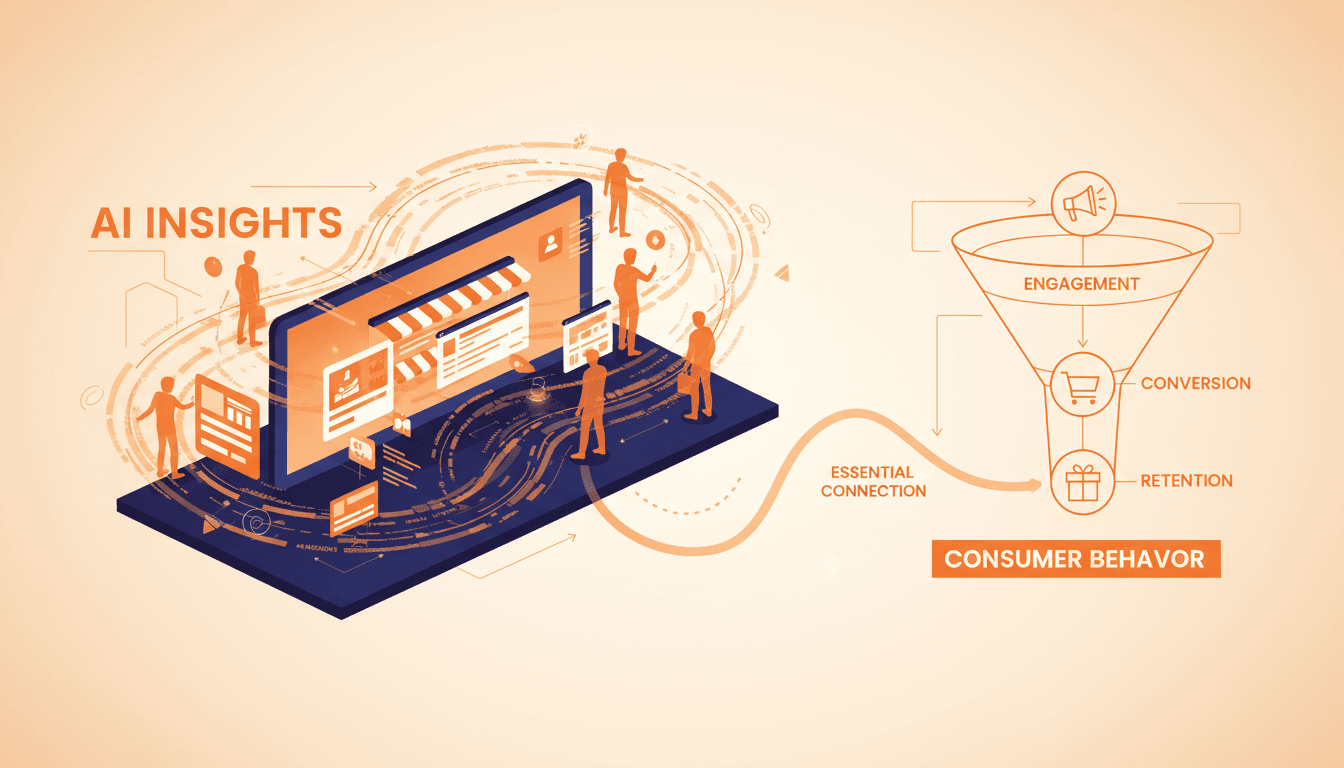
Decoding consumer intent has become the linchpin of modern e-commerce success. Discover how AI-driven insights are transforming how marketers engage, convert, and retain online shoppers—and learn actionable strategies to future-proof your digital storefront.
Understanding AI-Driven Consumer Intent: Essential Insights for E-commerce Marketers
Decoding consumer intent has become the cornerstone of modern e-commerce success. Explore how AI-driven insights are revolutionizing the way marketers engage, convert, and retain online shoppers—and discover actionable strategies to future-proof your digital storefront.
In today’s fiercely competitive e-commerce landscape, understanding what drives your customers’ decisions is no longer a matter of guesswork—it’s a precise, AI-powered science. With an impressive 91% accuracy in distinguishing purchase intent, AI engines are transforming how brands uncover shopper behavior and tailor their marketing strategies. As consumer expectations soar and search platforms evolve, e-commerce marketers face a pivotal choice: embrace AI-driven intent detection or risk falling behind in the race for attention and sales.
Here’s how AI is reshaping the game:
- Achieves 91% accuracy in differentiating purchase queries from informational ones (MIT Sloan Management Review)
- Influences 35% of product searches on retail giants like Amazon and Walmart through AI intent recognition (McKinsey & Company)
- Enables brands optimizing for AI-recognized intent to realize up to 28% higher conversion rates (Salesforce State of Commerce 2024)
Eager to harness AI-driven consumer intent to skyrocket your e-commerce conversions?
Schedule a free 30-minute strategy session with Hexagon’s AI marketing experts today: https://calendly.com/ramon-joinhexagon/30min
What Is AI-Driven Consumer Intent and Why It Matters for E-commerce
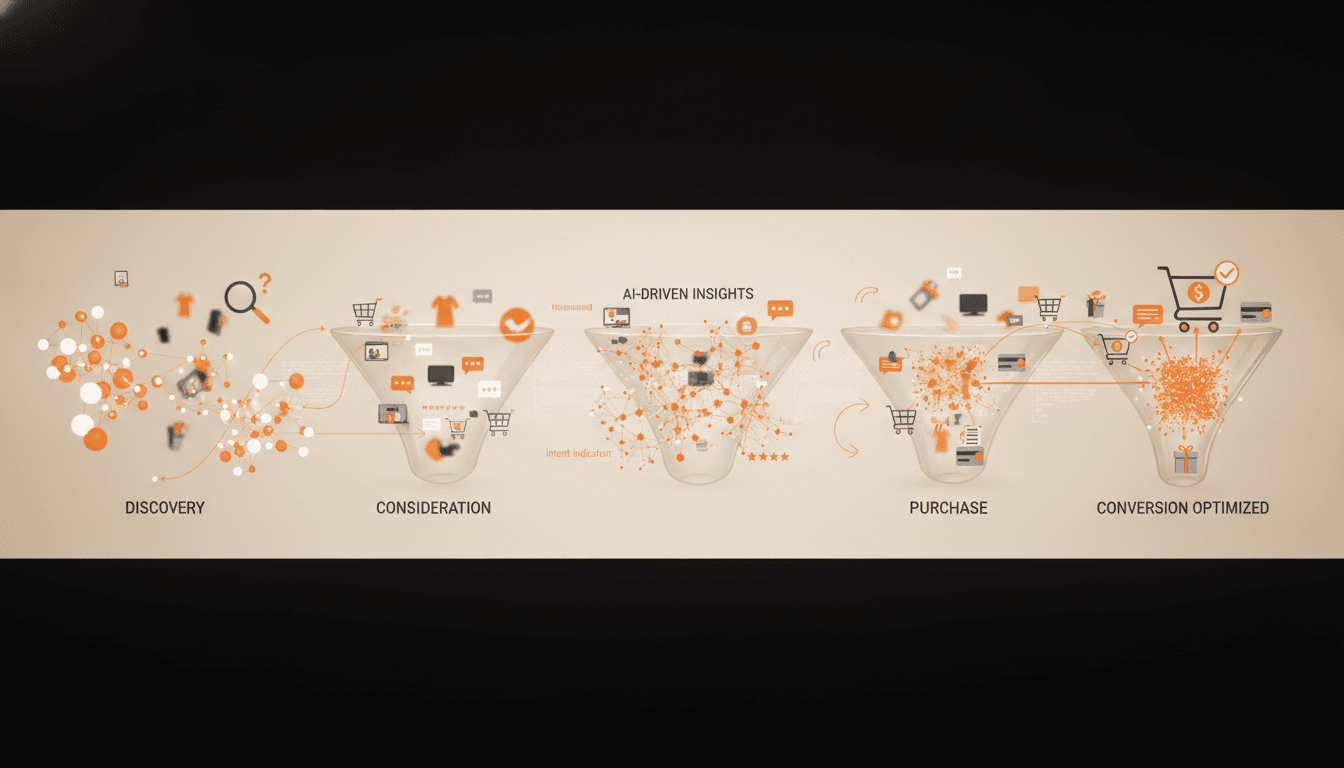
Understanding consumer intent goes beyond knowing what shoppers are searching for—it means uncovering why they search. Today, artificial intelligence powers this critical insight. AI-driven consumer intent uses sophisticated algorithms to analyze shopper signals—ranging from keyword patterns to real-time behaviors—to reveal their underlying motivations. This level of understanding transforms how marketers engage customers at every interaction point.
AI models combine natural language processing (NLP) with behavioral analytics to differentiate a user ready to purchase from one seeking information or casually browsing. For instance, AI can distinguish between “buy running shoes” and “best running shoes for flat feet,” dynamically tailoring recommendations and content in real time. Leading AI systems now boast 91% accuracy in separating purchase intent from informational queries (MIT Sloan Management Review).
Intent signals have become the backbone of e-commerce search and recommendation engines. According to McKinsey, 35% of product searches on top platforms are now directly influenced by AI’s recognition of these signals (McKinsey & Company). This means brands that align their content and offers with AI-detected intent gain a significant edge in both visibility and conversion. Tina Moffett, Principal Analyst at Forrester, sums it up: “The brands that are winning today are those that align their content and product data with the way AI engines interpret intent.”
[IMG: Illustration of AI analyzing e-commerce shopper data, highlighting intent signals]
How AI Engines Detect and Categorize Consumer Intent
The power of AI to decode intent hinges on the synergy between natural language processing (NLP) and machine learning. These technologies sift through millions of data points—in real time—across search queries, click patterns, dwell times, and purchase histories to assemble a comprehensive picture of each shopper’s intent.
Here’s the process AI uses to analyze intent:
- Search Queries: Pinpoints keywords and phrases signaling buying, researching, or browsing behavior.
- Click Patterns: Monitors which products, categories, or recommendations shoppers engage with.
- Dwell Time: Measures the length of time users spend on specific product or informational pages.
- Purchase History: Leverages past purchases to forecast current needs or preferences.
For example, a user searching “compare noise-cancelling headphones” and spending time on review pages signals informational or comparison intent. Conversely, a shopper who searches “buy Bose QuietComfort 45” and clicks on pricing details exhibits clear transactional intent.
AI’s capabilities go beyond broad intent categories. Increasingly, models detect micro-intents—specific motivations such as “gift shopping,” “price comparison,” or “review seeking.” As Sajal Kohli from McKinsey points out, “AI can now detect nuanced shopper micro-intents, enabling retailers to deliver highly targeted offers at precisely the right moment.”
Key intent categories AI detects include:
- Transactional: Ready to purchase (e.g., “purchase,” “order now”)
- Informational: Researching or learning (e.g., “best,” “reviews of”)
- Navigational: Searching for a specific brand or page (e.g., “Nike store”)
- Micro-intents: Precise signals like “compare,” “gift for mom,” “eco-friendly options”
Recognizing these signals makes a tangible difference. 60% of online shoppers now expect personalized recommendations that reflect both their intent and behavior, according to Forrester Research (Forrester Research). Brands leveraging this intelligence see enhanced engagement and customer loyalty.
[IMG: Diagram showing AI workflow from data signals (queries, clicks) to intent categories and recommendations]
Types of Consumer Intent That Matter Most for E-commerce
Not all shopper intent carries the same weight. For e-commerce marketers, grasping the three primary types—and their subtle nuances—is essential for precise targeting and maximizing conversions.
The three primary intent types are:
- Transactional Intent: The shopper is ready to buy.
Example queries: “buy Canon EOS R50,” “order running shoes online,” “cheap wireless earbuds.”
Behavioral cues: Clicking ‘Add to Cart,’ checking price details, initiating checkout quickly. - Informational Intent: The shopper is researching or comparing options.
Example queries: “best laptops for college students,” “how to clean suede shoes,” “Fitbit vs Garmin comparison.”
Behavioral cues: Reading reviews, watching product videos, spending time on FAQs or guides. - Navigational Intent: The shopper seeks a specific brand, store, or product page.
Example queries: “Apple official store,” “Target Black Friday deals,” “Samsung support.”
Behavioral cues: Direct site searches, repeated brand navigation, clicking branded social links.
Micro-intents add a deeper layer of precision. For instance, a search like “best gifts for dads under $50” combines informational and transactional micro-intents. AI models now surface tailored offers or curated gift collections in response, greatly increasing the chance of conversion.
By sorting queries and behaviors into these intent buckets, marketers can tailor content, recommendations, and ads to meet shoppers’ exact needs—at precisely the right moment.
[IMG: Table or chart mapping query examples to intent types and recommended marketing actions]
Tailoring Content to AI-Recognized Intent: Best Practices
Winning in today’s AI-first e-commerce environment means optimizing every touchpoint for intent detection. This involves crafting product listings, descriptions, and site content that AI engines can effortlessly interpret and align with shopper motivations.
Best practices for creating intent-optimized content include:
- Use Natural Language and Clear Value Propositions: Write product titles and descriptions in the language shoppers actually use. Incorporate common intent keywords like “buy,” “compare,” and “review.”
- Implement Structured Data and Schema Markup: Utilize schema.org and other structured formats to make product details, availability, reviews, and pricing easily machine-readable for AI assistants and search engines.
- Tailor Content for Each Stage of the Buyer Journey: Develop unique content for transactional intents (clear calls-to-action, urgency messaging), informational intents (detailed guides, FAQs), and navigational intents (branded landing pages).
- Optimize Metadata and Product Attributes: Clearly define product attributes such as color, size, and price in both visible content and backend data.
For example, an e-commerce brand that optimized its listings for AI-recognized purchase intent experienced a 28% increase in conversion rates (Salesforce State of Commerce 2024). Similarly, CXL Institute reports that brands using intent-optimized titles and descriptions saw conversion lifts as high as 30%.
To get started:
- Conduct a thorough audit of your product pages and content for intent alignment.
- Add structured data markup to all listings, prioritizing high-value products.
- Use analytics tools to identify which queries drive the most engagement and conversions.
- Continuously test new copy and page structures to find what resonates best with both AI engines and human shoppers.
Brian Solis, Global Innovation Evangelist at Salesforce, emphasizes: “AI-powered intent detection is the next frontier for e-commerce personalization. Brands that master intent optimization will own the customer journey.”
Ready to align your content with AI-detected intent for higher conversions?
Book a free 30-minute strategy session with Hexagon’s AI marketing experts: https://calendly.com/ramon-joinhexagon/30min
[IMG: Screenshot or mockup of an intent-optimized product listing highlighting schema markup and natural language]
Case Studies: Brands Winning with AI-Driven Intent Optimization
Real-world success stories highlight the tangible benefits of aligning e-commerce strategies with AI-detected consumer intent. Here’s how leading brands are translating insight into impressive results.
Case Study 1: Electronics Retailer Boosts Conversion with Micro-Intent Targeting
A top electronics retailer used AI-powered search to identify shoppers comparing wireless earbuds. By customizing landing pages and recommendations to address the “comparison” micro-intent, the brand saw a 20% lift in add-to-cart rates and a 15% drop in bounce rates. The secret lay in leveraging behavioral signals—such as dwell time on comparison tables—to dynamically feature the most relevant products.
Case Study 2: Apparel Brand Personalizes Based on Navigational Intent
A global fashion brand analyzed navigational queries like “Nike summer sale” and “Zara returns policy.” By tailoring landing pages for these high-intent searches and applying schema markup for promotions, the brand boosted click-through rates by 18%. This strategy also enhanced customer satisfaction by minimizing irrelevant search results.
Lessons Learned:
- Micro-intent targeting significantly improves engagement at critical decision points.
- Structured content and metadata empower AI to surface the most relevant results.
- Personalization grounded in intent signals drives measurable gains in conversion and loyalty.
These case studies demonstrate that brands embracing AI-driven intent optimization not only increase revenue but also cultivate lasting customer relationships.
[IMG: Before-and-after graph showing conversion rates for brands pre- and post-intent optimization]
Future Trends: The Growing Role of AI in E-commerce Search and Recommendations
AI’s impact on e-commerce is accelerating rapidly, with intent detection and prediction at the core of this evolution. As AI models grow more sophisticated, they will shift from simply recognizing intent to proactively predicting shopper desires—even before a query is entered.
Emerging AI capabilities transforming e-commerce include:
- Predictive Intent Modeling: AI anticipates shopper needs by analyzing historical and real-time data, surfacing relevant products or content ahead of demand.
- Contextual Personalization: Recommendations adapt not only to intent but also to external factors like seasonality, device type, and geographic location.
- Conversational Shopping: AI assistants such as ChatGPT and Perplexity interpret nuanced queries and micro-intents, delivering personalized suggestions in natural language.
The adoption curve is steep. Gartner reports that 74% of e-commerce marketers plan to invest in AI-based intent detection tools within the next 12 months (Gartner Digital Commerce Survey). This shift signals that AI-powered personalization is rapidly becoming the industry standard.
Looking forward, evolving AI technologies will:
- Enable 1:1 personalization at scale
- Reduce friction throughout the online shopping journey
- Help brands stay ahead of swiftly changing consumer behaviors
Jeff Dean, Senior Fellow at Google Research, sums it up: “Understanding user intent is key to delivering relevant recommendations and minimizing friction in the online shopping experience.”
[IMG: Futuristic concept image of AI-driven e-commerce dashboard predicting shopper intent]
Actionable Steps for E-commerce Marketers to Prepare for AI-Driven Intent Detection
To stay ahead, e-commerce marketers must begin aligning their strategies and operations with AI-driven intent detection now.
Key steps to prepare:
- Audit Current Content and Listings: Review product pages, search metadata, and site content to ensure they align with key intent categories and micro-intents.
- Implement Structured Data: Apply schema markup and structured formats to make your product information easily interpretable by AI engines and virtual assistants.
- Invest in AI Tools and Training: Equip your team with cutting-edge AI marketing platforms and develop internal expertise in intent optimization.
- Monitor and Refine: Continuously track performance metrics, analyze AI-driven insights, and iterate on content and campaigns to maximize relevance and conversion.
By adopting these practices, marketers can guarantee their e-commerce storefronts remain discoverable and competitive as AI-driven consumer intent becomes the norm.
Ready to future-proof your e-commerce strategy with AI-driven intent detection?
Book your free 30-minute strategy session with Hexagon’s AI marketing experts: https://calendly.com/ramon-joinhexagon/30min
[IMG: Checklist graphic of actionable steps for AI intent optimization]
Conclusion
The e-commerce marketplace is evolving rapidly—and consumer intent, powered by AI, sits at the heart of this transformation. With AI models achieving unprecedented accuracy in detecting and predicting shopper motivations, brands that adapt their strategies will not only increase conversions but also deepen customer loyalty.
From optimizing product listings with structured data to leveraging micro-intent targeting, the path forward is unmistakable: embrace AI-driven insights or risk being left behind. Industry experts agree that aligning with AI-powered intent detection isn’t merely an opportunity—it’s an essential strategy for market leaders.
Are you ready to unlock the full potential of AI-driven consumer intent? Book your free strategy session with Hexagon’s specialists and start converting more shoppers today:
https://calendly.com/ramon-joinhexagon/30min
[IMG: Group of e-commerce marketers reviewing AI analytics dashboard, collaborating on strategy]
Hexagon Team
Published March 13, 2026