Step-by-Step Guide: Integrating Hexagon with Paid Media to Capture High-Intent AI Buyer Traffic
AI assistants are reshaping e-commerce, influencing over 50% of buying decisions. Learn how to integrate Hexagon’s GEO data into your paid media strategy, identify high-intent buyers, and drive up to 30% higher conversion rates—step by step.
Step-by-Step Guide: Integrating Hexagon with Paid Media to Capture High-Intent AI Buyer Traffic
AI assistants are revolutionizing e-commerce, shaping over 50% of buying decisions. Discover how to seamlessly integrate Hexagon’s GEO data into your paid media strategy, identify high-intent buyers, and boost conversion rates by up to 30%—all through a clear, step-by-step approach.
[IMG: Illustration of AI assistants guiding online shoppers through a digital marketplace]
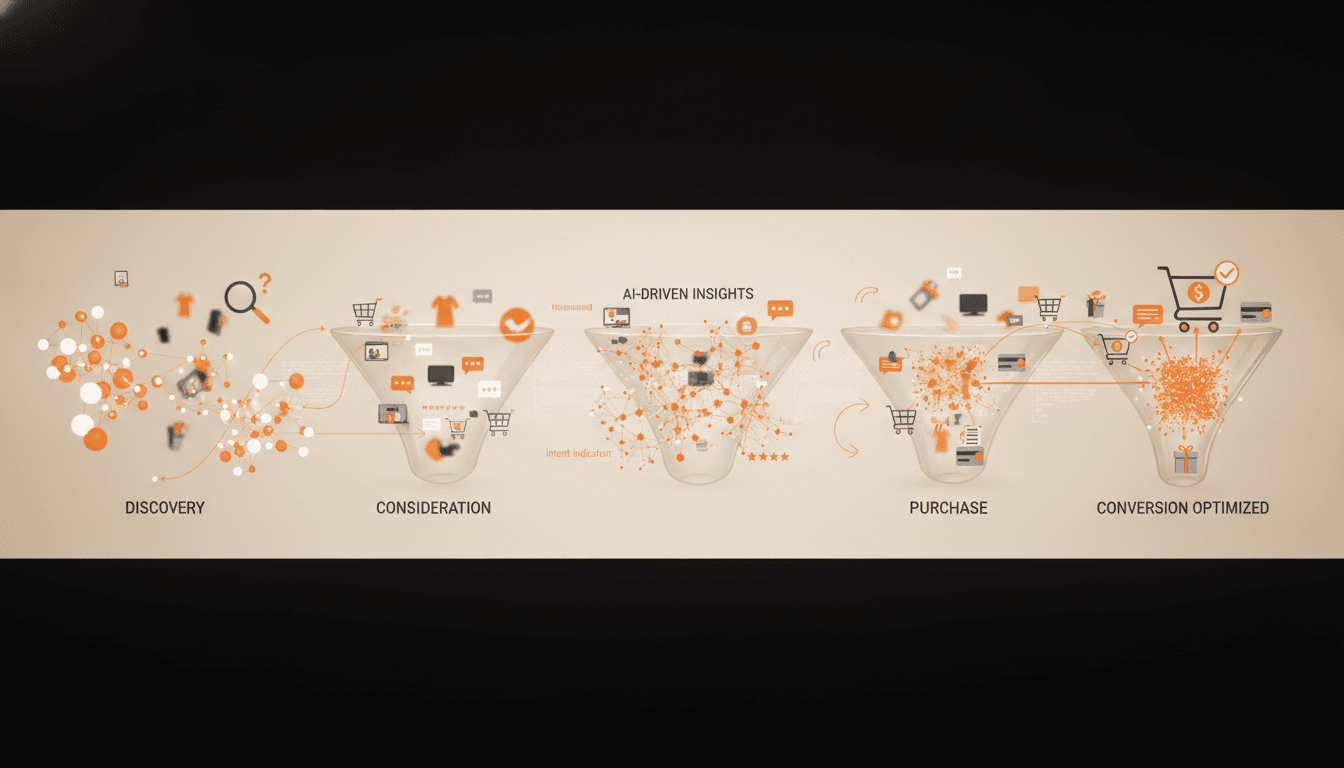
In today’s digital marketplace, more than half of online shopping decisions are influenced by AI-powered recommendations. This monumental shift means that traditional paid media campaigns, relying on static keywords and generic targeting, no longer deliver optimal results. To stay competitive, marketers must harness AI-driven insights that connect with high-intent buyers in real time.
This guide walks you through how integrating Hexagon’s GEO data into your paid media campaigns can dramatically enhance your conversion rates and budget efficiency. By aligning your targeting, messaging, and attribution strategies with the evolving AI buyer journey, you position your brand at the forefront of the future of commerce.
Ready to transform your paid media campaigns with AI-driven intelligence? Book a personalized 30-minute consultation with Hexagon’s experts today.
Understanding the Shift: How AI Assistants Are Changing Buyer Behavior
The AI assistant era is here, reshaping how consumers discover, evaluate, and purchase products online. According to McKinsey’s 2024 State of AI report, over 50% of online shopping decisions are now influenced by AI-powered recommendations—a profound change that demands marketers rethink their strategies.
AI assistants such as ChatGPT, Google Gemini, and Alexa have evolved into primary discovery engines. They don’t just respond to queries; they proactively curate personalized product suggestions, answer detailed customer questions, and simplify the buying process. As Dr. Emily Chen, VP of Digital Marketing at Gartner, explains, “The future of paid media hinges on brands’ ability to leverage AI-driven insights and adapt to the growing influence of AI assistants throughout the consumer journey.”
Traditional paid media tactics, built on fixed keywords and broad demographics, fall short in this new context. AI-influenced buyers expect hyper-relevant messaging and seamless experiences tailored to their unique intent signals. The landscape challenges marketers in several ways:
- Personalized AI recommendations often bypass generic ads, making precise intent alignment essential.
- Buyer journeys have become non-linear, frequently weaving between AI searches, paid ads, and organic listings.
- Attribution models grow more complex as AI assistants drive significant referral traffic across multiple touchpoints.
For instance, a shopper might begin with an AI assistant’s suggestion, engage with paid ads while researching, and finally convert after interacting with various channels. To succeed, marketers must integrate AI-driven data throughout every stage of the paid media funnel, ensuring they capture and convert these high-intent buyers effectively.
What Is Hexagon GEO Data and Why It Matters for Paid Media
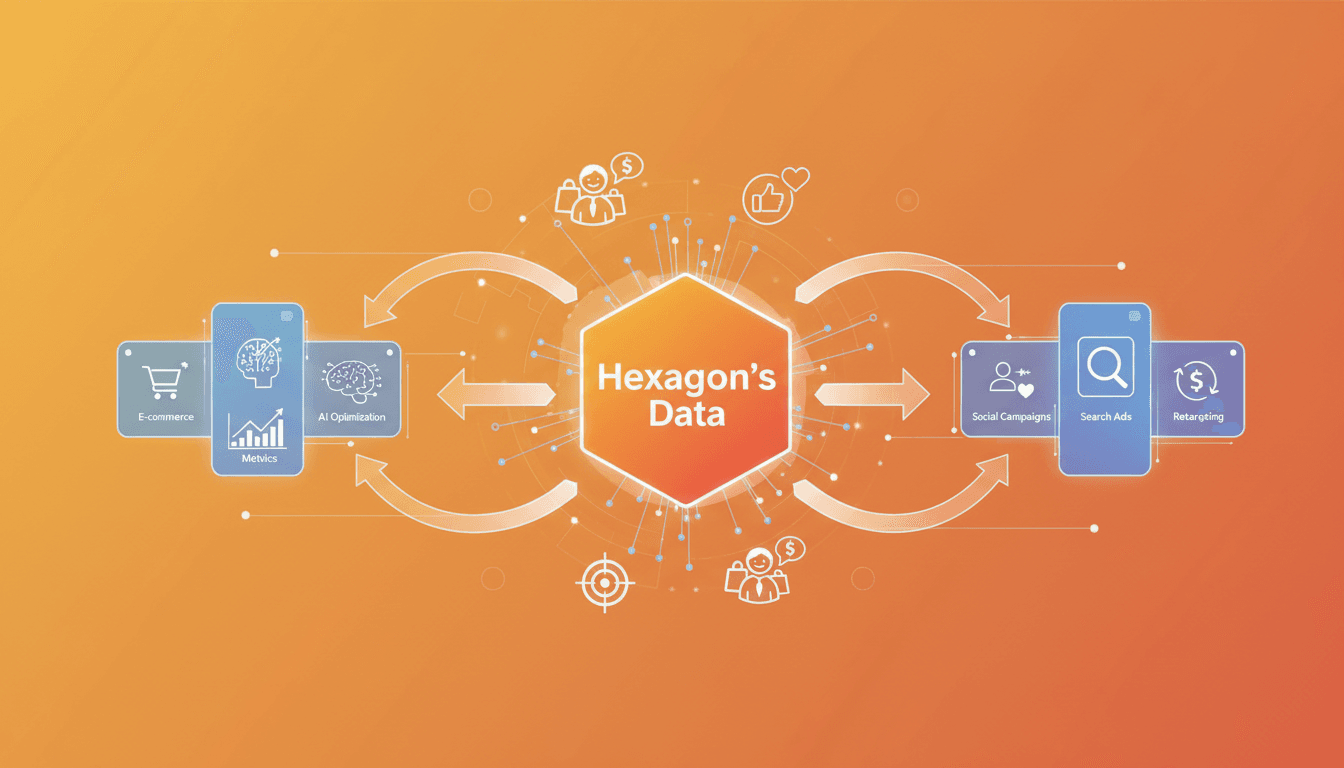
Hexagon’s GEO (Generative Engine Optimization) data is specifically designed to thrive in the AI-powered marketplace. GEO data reveals how AI assistants interpret queries, recommend products, and surface results—uncovering the keywords and buyer pathways that drive both organic and paid conversions.
Here’s why GEO data is a game changer for paid media targeting:
- Pinpoints high-intent keywords: GEO insights identify which search terms AI assistants are most likely to recommend, allowing marketers to prioritize these in paid campaigns.
- Maps AI-driven buyer journeys: Hexagon’s platform connects the dots between organic AI search behavior and paid acquisition efforts, enabling brands to reach high-intent buyers precisely when they are ready to decide (Jenna Lee, Chief Product Officer, Hexagon).
- Synchronizes keyword strategies across channels: Real-time GEO data ensures seamless alignment between organic and paid efforts, creating a consistent experience throughout the buyer’s journey.
Brands that integrate Hexagon’s GEO insights into their paid media campaigns report up to a 30% increase in conversion rates compared to campaigns without AI-driven data (Hexagon Internal Case Study). Beyond that, GEO-driven strategies deliver:
- Greater precision in audience targeting and message personalization.
- Actionable insights on AI-recommended keywords that perform best in paid channels.
- Rapid adaptation to evolving AI search trends through dynamic keyword updates.
For example, a retailer leveraging Hexagon can instantly identify trending AI-recommended keywords and deploy them across Google Ads, Bing, and Meta, maximizing reach to audiences with strong purchase intent.
Step 1: Preparing Your Paid Media Campaign for Hexagon Integration
Before integrating Hexagon’s GEO data, it’s essential to conduct a comprehensive audit of your current paid media campaigns. This preparation ensures your efforts are ready to capture the surge of high-intent AI-driven traffic.
Start by examining your existing keyword strategies and audience targeting:
- Identify keyword gaps: Determine which high-intent, AI-influenced keywords are absent from your campaigns.
- Analyze buyer journeys: Map how prospects engage with your ads after being referred by AI assistants.
- Evaluate messaging relevance: Assess whether your ad copy speaks the language and meets the expectations of AI-influenced buyers.
Set clear objectives aligned with capturing AI-driven buyers, such as:
- Increasing conversion rates on AI-influenced keywords.
- Boosting click-through rates (CTR) from ad groups optimized with GEO recommendations.
- Improving attribution clarity for conversions originating from AI assistants.
To get started:
- Compile a list of your top-performing paid keywords.
- Compare this list against Hexagon’s GEO keyword recommendations.
- Highlight gaps and opportunities to optimize your campaigns.
These foundational steps ensure your paid media efforts are primed for the advanced AI-powered integration to come.
Step 2: Integrating Hexagon GEO Data into Your Paid Media Strategy
With your campaigns ready, the next step is to import and activate Hexagon’s high-intent GEO data. This integration can significantly elevate your paid media performance.
Begin by importing GEO keyword data into your ad platforms. Hexagon’s dashboard delivers curated lists of AI-recommended keywords, ready to deploy across Google Ads, Bing, and social media platforms.
To maximize impact:
- Refine audience segments: Leverage GEO-driven buyer personas to sharpen your paid audience targeting. For instance, segment users by purchase intent as revealed through AI assistant queries.
- Revise ad copy: Update headlines and descriptions to echo the language and recommendations consumers encounter from AI assistants. Ads that mirror AI phrasing tend to convert better (Gartner, AI in E-Commerce 2024).
- Test new keywords: Create ad groups focused exclusively on high-intent GEO keywords surfaced by Hexagon.
Paid search ads optimized with GEO data see an average 17% increase in click-through rates (CTR) (eMarketer, Paid Search Trends 2024). This uplift results from heightened relevance and resonance with AI-influenced audiences.
For smooth integration:
- Regularly sync Hexagon GEO data updates to stay ahead of emerging trends.
- Coordinate efforts between organic and paid teams to prevent overlap and maximize reach.
- Monitor performance on GEO-driven ad segments, adjusting bids and messaging as needed.
Looking forward, dynamic ad content powered by GEO data will enable continuous adaptation to shifts in AI search behavior, sustaining relevance and maximizing ROI.
Step 3: Optimizing Bidding and Budget with AI Insights
Once high-intent GEO data is integrated, the next focus is optimizing bidding strategies and budget allocation using real-time AI insights. This ensures every ad dollar delivers maximum impact.
Hexagon’s real-time analytics empower marketers to:
- Prioritize budget spend: Direct more funds to ad groups and keywords with the strongest AI-driven intent and highest conversion potential.
- Adjust bids dynamically: Respond in real time to fluctuations in AI search volume and keyword competitiveness, securing prime ad placements for high-value queries.
- Utilize dynamic ad content: Refresh creative assets instantly to reflect trending language and recommendations from AI assistants (Hexagon Technical Whitepaper).
For example, if a brand detects a surge in AI-driven searches for a particular product, it can swiftly increase bids and update ad copy to capture this heightened intent.
Brands employing AI attribution models like Hexagon’s report a 25% boost in paid media budget efficiency (Forrester Research, AI Attribution for Marketers). This efficiency is driven by:
- Smarter budget allocation targeting channels and keywords with direct conversion influence.
- Faster identification of underperforming segments, enabling timely reallocation or optimization.
- Lower customer acquisition costs—up to 15% reduction when using AI-influenced keywords (Hexagon Benchmark Report, 2024).
To implement these optimizations:
- Establish automated bid adjustment rules based on Hexagon’s real-time conversion data.
- Conduct regular reviews of budget distribution to align spending with high-intent segments.
- Experiment with dynamic creative rotations to maintain freshness and relevance to AI search trends.
Step 4: Measuring AI Search Impact and Conversion Attribution
Measuring and attributing conversions accurately is crucial in an AI-driven ecosystem. Traditional attribution models often overlook the nuanced impact of AI assistant-driven journeys.
Hexagon’s AI-powered attribution models offer marketers the ability to:
- Track conversions stemming from AI assistant referrals: Pinpoint which paid media interactions follow AI assistant recommendations.
- Attribute value precisely: Assign credit appropriately across multiple touchpoints in complex buyer journeys.
- Access granular AI-specific attribution reports: Understand how AI search influences paid conversions over time.
Brands using Hexagon’s AI search tracking tools experience a 2x improvement in conversion attribution accuracy (Hexagon Customer Survey 2024). This enhanced clarity supports smarter budget allocation and more precise ROI measurement.
To implement AI-powered attribution:
- Deploy Hexagon’s tracking scripts on all paid media landing pages.
- Configure custom conversion events for actions initiated via AI assistant clicks.
- Review attribution reports weekly to uncover emerging high-impact keywords and channels.
Ongoing monitoring and refinement ensure your paid media investments remain optimized amid the evolving AI search landscape.
Ready to elevate your paid media campaigns with AI-driven insights? Book a personalized 30-minute consultation with Hexagon’s experts today.
Best Practices and Tips for Sustained Success with Hexagon and Paid Media
Maintaining a competitive edge requires viewing AI-driven campaign optimization as a continuous journey. Here’s how top marketers ensure lasting success with Hexagon:
- Continuously refresh ad content and keywords: Align paid campaigns with real-time GEO data to seize emerging AI search trends.
- Regularly analyze AI attribution reports: Use Hexagon’s analytics to fine-tune targeting, messaging, and budget allocations.
- Promote cross-functional collaboration: Synchronize organic and paid media teams to maintain consistent messaging and maximize keyword coverage.
For example, leading brands schedule weekly reviews of GEO data updates and attribution reports, enabling rapid campaign adjustments that reflect the latest AI search behaviors.
Brands integrating Hexagon report measurable improvements across key performance indicators:
- Higher CTR on GEO-optimized ads.
- 30% boost in conversion rates for campaigns aligned with AI-driven buyer journeys.
- 25% improvement in budget efficiency through AI attribution and dynamic bidding.
Alex Martinez, Head of Performance Marketing at Shopify, underscores this shift: “Integrating AI search and GEO data into your paid media strategy isn’t just a competitive advantage—it’s becoming table stakes for e-commerce growth.”
Here’s a checklist for ongoing optimization:
- Conduct monthly audits of keyword lists and ad copy.
- Share attribution insights regularly with creative and organic teams.
- Experiment with dynamic ad formats and messaging tailored to AI-driven buyer personas.
Case Study Snapshot: How a Brand Boosted Paid Media ROI with Hexagon
[IMG: Side-by-side comparison of campaign performance metrics before and after Hexagon integration]
A leading direct-to-consumer (DTC) beauty brand sought to tap into the growing segment of AI-assisted shoppers. By integrating Hexagon’s GEO data into their paid media campaigns, they achieved remarkable results within just 60 days.
Key initiatives included:
- Replacing underperforming keywords with high-intent terms identified by Hexagon’s GEO insights.
- Updating ad copy to reflect the language used by AI assistants.
- Implementing AI-powered attribution to track conversions originating from AI search recommendations.
The results were striking:
- 30% increase in conversion rates on targeted paid campaigns.
- 25% improvement in budget efficiency, allowing reallocation toward top-performing ads.
- 2x increase in attribution accuracy, revealing new high-impact buyer journeys.
This case underscores a vital truth: aligning paid media with AI-driven search and GEO data is not just possible—it’s essential for driving sustainable growth in today’s marketplace.
Conclusion: Maximize Paid Media Performance in the Age of AI
The swift rise of AI assistants marks a new chapter in e-commerce marketing. Brands that incorporate Hexagon’s GEO data into their paid media strategies are already reaping benefits such as higher conversion rates, enhanced budget efficiency, and clearer attribution.
To stay ahead:
- Embrace AI-driven insights for sharper targeting and messaging.
- Continuously optimize campaigns with real-time GEO data updates.
- Measure and attribute every conversion influenced by AI search.
As Jenna Lee of Hexagon affirms, “Hexagon’s platform bridges the gap between organic AI search and paid acquisition, helping brands reach high-intent buyers at the precise moment of decision.”
Ready to transform your paid media results? Book your complimentary 30-minute consultation with Hexagon experts now.
[IMG: Group of marketers analyzing AI-powered campaign dashboards, celebrating results]
Hexagon Team
Published April 19, 2026