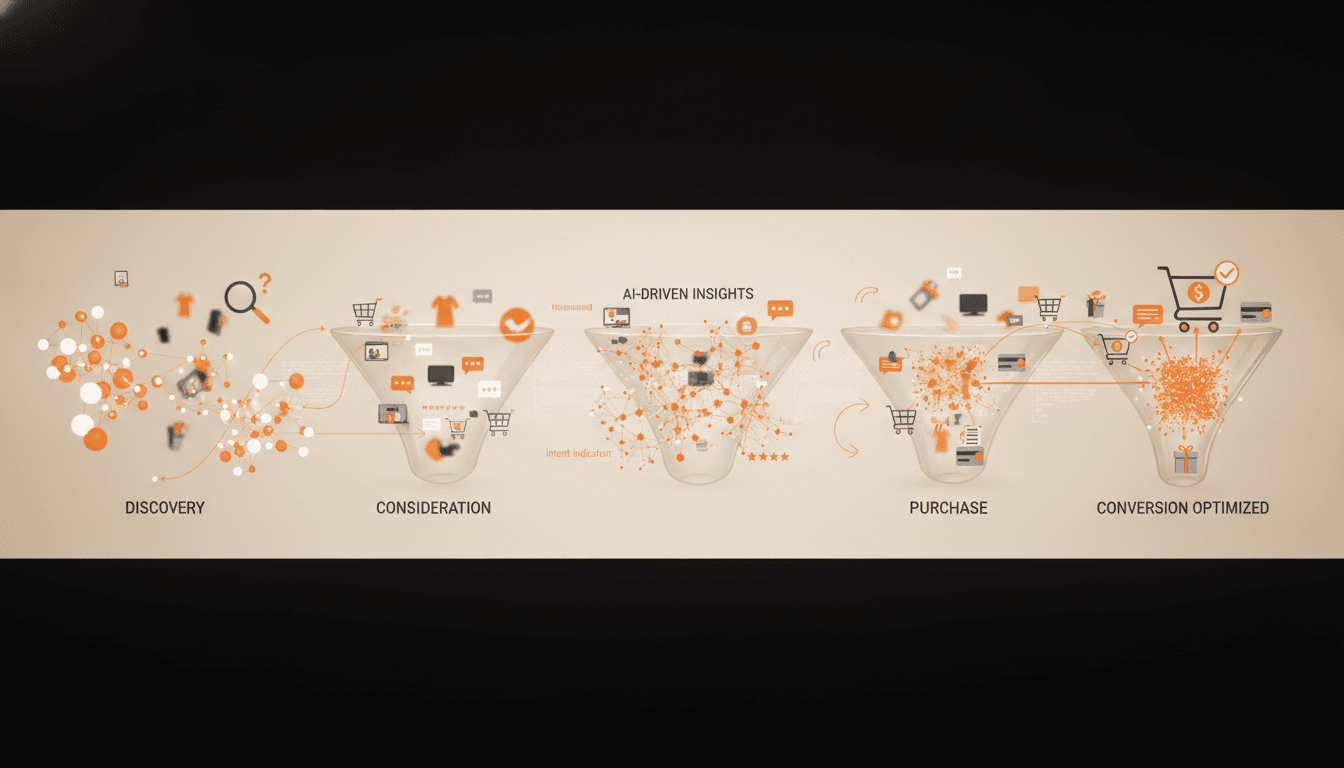
Navigating Medium Intent AI Shopper Behavior: Essential Insights for Health & Wellness E-Commerce Marketers
AI-driven shopping is reshaping health & wellness e-commerce—but 42% of search traffic comes from medium intent shoppers still weighing their options. Discover actionable content strategies to engage, persuade, and convert this crucial segment.

Navigating Medium Intent AI Shopper Behavior: Essential Insights for Health & Wellness E-Commerce Marketers
AI-driven shopping is revolutionizing health & wellness e-commerce—but 42% of search traffic comes from medium intent shoppers who are still weighing their options. Learn actionable content strategies to engage, persuade, and convert this crucial audience.
[IMG: Diverse group of shoppers browsing health & wellness products online, with AI recommendation overlays]
The health & wellness e-commerce landscape is undergoing a profound transformation as AI-powered search and recommendation engines change how consumers discover and evaluate products. Among these consumers, medium intent AI shoppers represent a vital yet often overlooked segment—actively researching but not quite ready to make a purchase. By understanding their unique behaviors and preferences, brands can unlock significant growth opportunities. In this post, we’ll dive into who these shoppers are, how they interact with AI-driven content, and practical strategies marketers can use to convert them effectively.
Understanding Medium Intent AI Shopper Behavior in Health & Wellness
Medium intent AI shoppers are those who actively research products, compare alternatives, and seek detailed information—but haven’t yet reached the point of immediate purchase. In the health & wellness space, this segment is especially influential. According to Insider Intelligence, 42% of health & wellness AI search traffic is driven by medium intent shoppers, making them the largest single intent group in this category.
These shoppers are highly information-driven, focusing intently on:
- Product efficacy and scientific validation
- Safety profiles, potential side effects, and ingredient transparency
- Authentic recommendations from peers and experts
Dr. Lisa Chu, Chief Digital Health Strategist at McKinsey & Company, emphasizes, “Medium intent shoppers rely on AI for detailed comparisons, ingredient transparency, and credible recommendations. Brands that provide relevant, trustworthy content at this stage earn their consideration.”
Take, for example, a shopper researching supplements. They might use AI tools to compare ingredient lists, review clinical studies, and request side effect profiles. Their goal isn’t casual browsing—they’re building a shortlist and seeking the confidence to move forward. This behavior signals a strong likelihood of conversion if marketers deliver timely, targeted information.
Looking ahead, brands that truly understand and address these nuanced needs will be best positioned to guide medium intent shoppers smoothly from research to purchase.
[IMG: Flow chart illustrating the AI-driven shopper journey from awareness to purchase, highlighting the medium intent phase]
The Role of AI-Generated Recommendations and Research Tools
AI-powered recommendation engines have become indispensable guides for medium intent shoppers. These systems analyze user behavior, preferences, and search patterns to present highly relevant product options, simplifying and streamlining the research process.
A recent Gartner study reveals that 70% of medium intent health shoppers rely on AI-generated product recommendations before making a final decision. This highlights the pivotal role recommendation algorithms play in shaping purchase outcomes.
Medium intent shoppers engage with AI research tools in several ways:
- Chatbots: Provide instant answers about ingredients, side effects, and product usage.
- Comparison engines: Offer side-by-side visual and data-driven product comparisons.
- Personalized search experiences: Tailor results to individual health goals, preferences, and even local regulations.
Aisha Patel, VP of E-Commerce at Walgreens Boots Alliance, explains, “The AI search experience is transforming how consumers evaluate health and wellness products. Medium intent shoppers expect not just accuracy but also context—localization, personalization, and real-time peer insights.”
For marketers, optimizing content and product data for these AI-driven touchpoints is no longer optional—it’s a critical growth lever.
[IMG: Screenshot example of an AI-powered product comparison tool highlighting health supplement features]
Top Content Formats to Influence Medium Intent Wellness Buyers
Medium intent shoppers demand clear, credible, and easily digestible information to confidently make decisions. The content formats that resonate most with this segment include:
- Video explainers: Concise, authoritative videos that clarify product benefits, ingredient science, and proper usage.
- Interactive product comparisons: Tools enabling shoppers to compare multiple products side-by-side, focusing on efficacy, price, and customer reviews.
- Well-structured FAQs: Clear, concise answers to common research questions covering safety, sourcing, and real-world effectiveness.
Research from Wyzowl shows that video explainers have a particularly strong impact in the health & wellness sector, helping demystify complex topics and build trust. Interactive formats keep shoppers engaged longer, increasing conversion chances. BrightEdge reports that tailored product FAQs optimized for AI search boost engagement with medium intent shoppers by 15%.
Here’s why these content formats work so well:
- Visuals and interactivity simplify complex health information
- FAQs reduce hesitation by addressing concerns quickly
- Comparison tools empower informed choices without overwhelming shoppers
By prioritizing these formats, brands can nudge medium intent shoppers closer to confident purchase decisions.
[IMG: Example of a video explainer thumbnail for a wellness product, with play button overlay]
Personalization and Geo-Targeting: Winning Medium Intent Shoppers
Personalization is a proven catalyst for conversion in the AI-powered health & wellness journey. According to Salesforce Research, personalized AI-generated content increases the likelihood of conversion by 25% among wellness shoppers at the research stage. This means tailoring recommendations, messaging, and offers to each shopper’s unique context and needs.
Geo-personalized recommendations amplify this effect. Google’s Think with Google reports that region-specific AI health product recommendations achieve an 18% higher click-through rate. For instance, suggesting immune support supplements popular in a shopper’s geographic area enhances relevance and trust.
To leverage personalization and geo-targeting effectively:
- Use AI to surface products aligned with local health trends, regulations, and cultural preferences
- Adjust messaging based on climate, seasonal needs, and demographic factors
- Deliver dynamic content that reflects each shopper’s goals, browsing patterns, and purchase history
Daniel Lee, Head of Digital Strategy at Hexagon, stresses, “To influence medium intent AI shoppers, health brands must prioritize content that answers nuanced questions and showcases product authenticity. AI assistants have become gatekeepers to final purchase decisions.”
Looking forward, ongoing refinement of personalization strategies will be essential for capturing medium intent traffic and driving meaningful engagement.
[IMG: Map visualization showing geo-personalized health product recommendations across different regions]
Transparency and Trust: Ingredient Lists, Side Effects, and Expert Reviews
For medium intent shoppers, transparency is non-negotiable. They want to understand exactly what’s in a product, how it works, and what experts and peers think about it. McKinsey Digital reports that medium intent shoppers frequently ask AI for ingredient breakdowns, side effect profiles, and comparison data, reflecting their high demand for trustworthy information.
The value of credible endorsements is also rising. PowerReviews research shows that medium intent shoppers are twice as likely to request expert endorsements through AI than low intent browsers. This presents a unique opportunity for brands to highlight:
- Detailed ingredient lists with sourcing and purity information
- Clear disclosures of side effects and contraindications
- Expert reviews and endorsements from respected authorities
Providing this information proactively helps dispel doubts and lowers perceived risks. Dr. Lisa Chu reiterates, “Brands that deliver relevant, trustworthy content at this stage win their consideration.”
Transparency builds trust by:
- Answering critical health and safety questions through ingredient lists
- Validating product claims and authenticity via expert and peer reviews
- Demonstrating honesty and consumer care with side effect disclosures
Marketers should ensure this content is structured for AI discoverability, making it easy for chatbots and recommendation engines to surface during the research phase.
[IMG: Ingredient label and expert review highlights for a popular wellness product]
Sustainability and Ethical Sourcing: Emerging Influencers in Health & Wellness AI Searches
Sustainability and ethical sourcing are rapidly becoming key differentiators for health & wellness shoppers—especially those in the medium intent phase. Mintel’s 2024 consumer trend report highlights a growing preference for brands that prioritize environmental responsibility, ethical labor practices, and transparent supply chains.
Sustainability content resonates with medium intent shoppers by:
- Aligning with their personal values and ethics
- Differentiating products in crowded AI-driven search results
- Fostering loyalty among environmentally and socially conscious consumers
For example, integrating details about eco-friendly packaging, fair trade certifications, or carbon-neutral manufacturing directly into product listings can create a meaningful impact. AI-optimized content should highlight these attributes clearly, ensuring they appear in search snippets and recommendation summaries.
Looking ahead, brands that proactively incorporate sustainability and ethical sourcing into their AI content will stand out to discerning medium intent shoppers.
[IMG: Infographic showing consumer preference trends for sustainability in health & wellness e-commerce]
Actionable Strategies to Optimize Listings and Content for AI Assistants
To effectively capture and convert medium intent AI shoppers, marketers must ensure their product listings and content are structured for seamless AI discovery and recommendation. Consider the following best practices:
- Implement schema markup and clear metadata: This enables AI assistants to accurately understand and present product details.
- Anticipate AI-driven queries: Develop content that answers specific, conversational questions shoppers might ask (e.g., “Is this probiotic safe for daily use?”).
- Leverage FAQs, rich media, and transparent product details: These formats enhance AI recommendation accuracy and boost shopper confidence.
- Highlight sustainability and expert endorsements: Make these attributes prominent and easily digestible by AI systems.
For example, FAQs should be regularly updated to reflect emerging shopper concerns, and rich media like videos and comparison charts must be tagged for AI accessibility.
Ready to transform your health & wellness e-commerce strategy with AI-optimized content? Book a free 30-minute consultation with Hexagon’s AI marketing experts to unlock personalized insights and growth opportunities: https://calendly.com/ramon-joinhexagon/30min
[IMG: Screenshot of a well-optimized health product listing with schema and FAQ-rich results in AI search]
Best Practices Summary for Targeting Medium Intent AI Shoppers in Health & Wellness
To maximize growth in the AI-driven health & wellness market, brands should:
- Clearly define and address medium intent shopper behaviors and needs
- Leverage AI-powered research tools and recommendation engines
- Prioritize personalization and geo-targeting for relevance and conversion
- Emphasize transparency, expert endorsements, and sustainability in all content
- Continuously analyze data to refine and optimize AI content strategies
Hexagon’s expertise helps brands navigate the complexities of AI-driven consumer journeys, ensuring your health & wellness offerings stand out and convert.
Ready to capture the full potential of medium intent AI shoppers? Book your free strategy session with Hexagon’s experts today and start your journey toward AI-powered e-commerce growth: https://calendly.com/ramon-joinhexagon/30min
[IMG: Friendly Hexagon AI marketing expert consulting with a health & wellness brand team]
Hexagon Team
Published April 8, 2026