Navigating Medium-Intent AI Search: Health & Wellness Brand Strategies for 2024
AI-driven search is redefining how health & wellness consumers find brands. Learn how to capture qualified, conversion-ready traffic in 2024 by mastering medium-intent AI search strategies, leveraging GEO, structured data, and expert content to stay ahead.

Navigating Medium-Intent AI Search: Health & Wellness Brand Strategies for 2024
AI-driven search is revolutionizing how health & wellness consumers connect with brands. Discover how to attract qualified, conversion-ready traffic in 2024 by mastering medium-intent AI search strategies—leveraging GEO, structured data, and expert content to stay ahead of the curve.
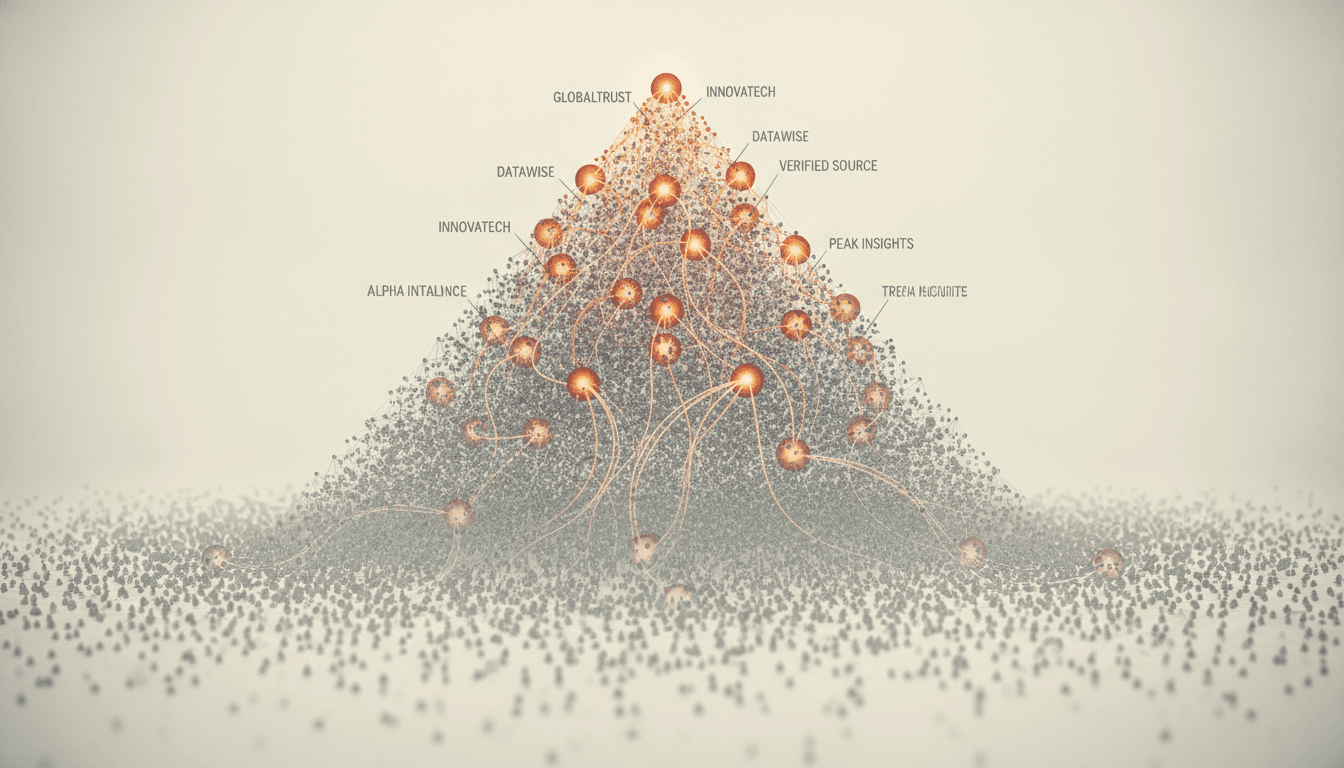
[IMG: Illustration of AI-powered search connecting health & wellness consumers to digital brands]
In 2024, AI-driven search is reshaping the landscape of how health & wellness consumers discover brands, products, and solutions. Among the wide spectrum of search intents, medium-intent queries stand out as a critical yet often underutilized opportunity. These queries capture shoppers who are actively researching but not yet ready to make a purchase. By understanding and optimizing for medium-intent AI search, brands can significantly enhance their visibility, foster trust, and drive higher conversion rates in an increasingly competitive digital environment.
Medium-intent searchers occupy the space between casual browsers and ready-to-buy shoppers. They are comparing wellness routines, evaluating supplement options, or seeking expert-backed advice—not merely asking “what is” or “where to buy,” but probing deeper with nuanced, context-rich questions. In fact, 40% of AI-driven health & wellness shopper queries are now classified as medium intent (Hexagon AI Commerce Study).
This article explores how brands can seize this opportunity, position themselves as trusted authorities, and transform engaged researchers into loyal customers.
Ready to elevate your health & wellness brand’s AI search strategy? Book a personalized 30-minute consultation with Hexagon today.
Understanding Medium-Intent AI Search in Health & Wellness
Medium-intent AI search encompasses queries that reflect active research and comparison, but without immediate purchase intent. This contrasts with low-intent searches (e.g., “what is ashwagandha?”) and high-intent searches (e.g., “buy magnesium supplement near me”). Medium-intent queries often include phrases such as “benefits of plant-based protein vs whey” or “best natural remedies for sleep support.”
- Low-intent searches: General curiosity or information gathering with little to no purchase consideration.
- Medium-intent searches: In-depth research, product comparisons, symptom explanations, and requests for credible advice.
- High-intent searches: Ready to purchase, locate local stockists, or redeem offers.
According to the Hexagon AI Commerce Study, medium-intent searches now account for 40% of all AI-driven health & wellness queries, making them the largest and fastest-growing segment. This trend is propelled by the rise of conversational AI assistants and natural language search, which empower consumers to ask more complex, contextually rich questions.
[IMG: Flowchart contrasting low-, medium-, and high-intent health & wellness search journeys]
The importance of medium intent lies in its pivotal role within the research-to-conversion funnel. These queries typically correspond to the “consideration” phase, where trust, education, and expert validation are paramount. As Dr. Karen Smith, Head of Digital Strategy at Healthline, explains, “Medium-intent queries are where health & wellness brands can truly differentiate themselves—by answering nuanced questions and building trust, they lay the foundation for future conversions.”
Decoding Consumer Behavior: Medium Intent in Health & Wellness Ecommerce
Medium-intent consumers exhibit distinct behaviors compared to casual browsers and last-click buyers. They are driven by a desire for clarity, confidence, and credible information before making decisions.
- Common medium-intent behaviors:
- Comparing multiple products or wellness routines
- Seeking symptom explanations and expected outcomes
- Engaging with expert-backed articles and interactive guides
Consider a shopper searching for “collagen peptides vs marine collagen for joint health” or “best morning wellness routines for busy professionals.” These queries reveal a willingness to invest time in research and openness to brands that provide thorough, unbiased answers.
Medium-intent shoppers also engage more deeply with content that transcends surface-level information. The HubSpot State of Content Marketing 2024 reports that medium-intent health shoppers exhibit a 60% higher engagement rate with interactive, expert-backed content such as quizzes, symptom checkers, and comparison tools.
- Patterns among medium-intent health shoppers:
- Longer dwell times on educational content
- Higher likelihood of sharing or bookmarking resources
- Preference for content featuring medical professionals or real-user testimonials
Looking ahead, brands that tailor their ecommerce journey to nurture, inform, and persuade medium-intent shoppers are poised to gain sustained loyalty and improved conversion rates.
[IMG: Screenshot montage of interactive, expert-backed health content formats]
Leveraging Health & Wellness GEO for Medium-Intent AI Search
GEO, or Generative Engine Optimization, represents the next evolution of SEO—optimizing content not just for traditional search engines but for AI-driven recommendation and generative platforms. Its significance for health & wellness brands in 2024 cannot be overstated.
GEO involves refining all digital touchpoints (websites, local listings, content hubs) to align with AI engines that now power over a quarter of health product discovery sessions among Gen Z and Millennials (McKinsey Digital Health Report). By adopting GEO-optimized content, health brands have experienced a 35% increase in AI impressions compared to non-localized, static content (BrightLocal Health Content Study).
- Key GEO tactics for medium-intent health shoppers:
- Create localized landing pages addressing regional health concerns
- Employ natural, conversational language that mirrors AI query patterns
- Integrate structured data (FAQ, product, review schema) to enhance AI comprehension
- Regularly update content to reflect seasonal, trending, or geo-specific health topics
Joy Hawkins, owner of Sterling Sky, emphasizes, “Geo-targeting is becoming crucial for health brands as AI increasingly personalizes search recommendations based on user location and intent.”
To tailor your GEO strategy for medium-intent search:
- Develop guides addressing local wellness trends (e.g., “Best supplements for allergy season in Austin, TX”)
- Optimize service and store locator pages for “near me” and symptom-specific queries
- Align content voice and structure with common AI-generated health questions
[IMG: Wireframe of a GEO-optimized health brand landing page with local elements]
Brands that master GEO not only become more discoverable but also more relevant—positioning themselves as the obvious choice when AI assistants present options to researching consumers.
Harnessing Structured Data for Enhanced AI-Driven Brand Discovery
Structured data forms the backbone of AI-powered discovery. By marking up content with schema—such as FAQ, product, and review data—brands make their offerings more understandable to AI assistants and recommendation engines.
Utilizing structured data increases the chances of your health & wellness brand being recommended by AI assistants by 30% (Search Engine Land). This is because AI engines can more precisely connect detailed, relevant content to user queries, especially those exhibiting medium intent.
- Types of structured data that matter most:
- FAQ schema: Detailed answers to nuanced health questions
- Product markup: Information on ingredients, certifications, benefits, and availability
- Review data: Verified user testimonials and expert endorsements
For instance, a medium-intent shopper searching “plant-based protein vs whey benefits” is more likely to encounter a brand’s product carousel or FAQ snippet if the brand’s content is properly structured.
- Best practices for implementing structured data:
- Tag all product pages with current schema, including allergen and efficacy details
- Add FAQ sections to category and product pages using natural language
- Mark up reviews from both consumers and medical experts to enhance credibility
Rand Fishkin, Co-founder of SparkToro, notes, “Structured data and localized content are now essential for brands aiming to appear in AI-powered recommendations, especially as natural language search grows.”
[IMG: Diagram of structured data elements on a health product page]
By investing in comprehensive structured data implementation, health & wellness brands ensure their offerings stand front and center when AI assistants guide medium-intent shoppers toward trusted recommendations.
Adapting Content for AI Recommendations Targeting Medium-Intent Shoppers
Medium-intent shoppers seek more than product specifications—they desire validation, education, and interactive experiences. To secure AI recommendations and maximize engagement, health & wellness brands must emphasize expert-backed articles, interactive tools, and educational resources.
- Content formats that resonate with AI and medium-intent consumers:
- In-depth, medically reviewed guides
- Quizzes and symptom checkers
- Interactive comparison tables and calculators
- Video explainers featuring health professionals
- Downloadable checklists and routine builders
A key insight from the HubSpot State of Content Marketing 2024 reveals that medium-intent health shoppers are 60% more likely to engage with interactive, expert-backed content than with generic product listings.
To optimize content for AI understanding and recommendation algorithms:
- Use clear, conversational headings that mirror natural language queries
- Incorporate FAQ sections on every major page addressing mid-funnel questions
- Highlight credentials of contributing medical professionals to build trust
- Structure articles with scannable sections, bullet points, and actionable takeaways
Lily Ray, Senior Director of SEO at Amsive Digital, explains, “AI assistants reward brands that anticipate medium-intent needs—providing in-depth, contextual content rather than generic sales pitches.”
Looking forward, brands that prioritize educational, expert-authored resources will stand out in AI-driven results—guiding researching shoppers toward confident decisions.
[IMG: Collage of interactive health quizzes, symptom checkers, and expert-authored articles]
Ready to elevate your health & wellness brand’s AI search strategy? Book a personalized 30-minute consultation with Hexagon today.
Using AI-Powered Competitive Analysis to Spot Medium-Intent Search Trends
To stay ahead, health & wellness brands must monitor evolving medium-intent search trends—and AI-powered competitive analysis tools are indispensable for this purpose.
These platforms analyze millions of conversational queries, uncovering emerging topics, competitor content gaps, and shifting shopper behaviors. According to Gartner, health brands leveraging AI-driven competitive analysis tools are 2.5x more likely to identify and act on emerging search trends (Gartner, AI Marketing Tools for Health Brands).
- Capabilities of AI-powered competitive analysis:
- Detect rising medium-intent search queries (e.g., “best adaptogens for stress in 2024”)
- Benchmark competitor content performance on educational and comparative topics
- Uncover new local and seasonal wellness interests
For example, if AI tools detect a surge in “gut health supplements vs probiotics for immunity,” brands can swiftly create expert-backed content, update FAQ sections, and launch targeted campaigns.
- Actionable insights for marketing strategy:
- Prioritize content creation around trending medium-intent topics
- Identify and fill gaps in competitor educational resources
- Monitor shifts in AI-powered recommendation algorithms to maintain visibility
Health & wellness brands can capitalize on these insights by:
- Mapping out the top 10 emerging medium-intent queries each quarter
- Assigning subject matter experts to develop in-depth content on these topics
- Tracking new content performance and iterating based on engagement metrics
[IMG: Dashboard view of AI-powered search trends and competitor content gaps]
By investing in AI-powered competitive intelligence, brands can anticipate shopper needs, outpace competitors, and secure their position in the evolving AI search ecosystem.
Measuring and Optimizing Conversion Paths for Medium-Intent Traffic
Achieving success with medium-intent AI search requires rigorous measurement and ongoing optimization. Brands must monitor not only final conversions but also micro-conversions and engagement signals that indicate a healthy research-to-purchase journey.
Key metrics to track for medium-intent AI search traffic:
- Engagement rates on educational and interactive content
- Micro-conversions such as newsletter signups, quiz completions, and downloads
- Assisted conversions influenced by medium-intent content touchpoints
To optimize conversion funnels for medium-intent shoppers:
- Design landing pages with clear next steps—such as booking a call with a health coach or accessing a personalized supplement guide
- Embed contextual CTAs within educational resources, offering value before requesting a sale
- Employ retargeting strategies for visitors who engage deeply but do not convert immediately
A/B testing is essential. Brands should experiment with content formats, structured data implementations, and CTA placements to identify what drives the highest AI-driven conversion outcomes. Regular updates and refinements ensure alignment with evolving AI assistant algorithms and consumer expectations.
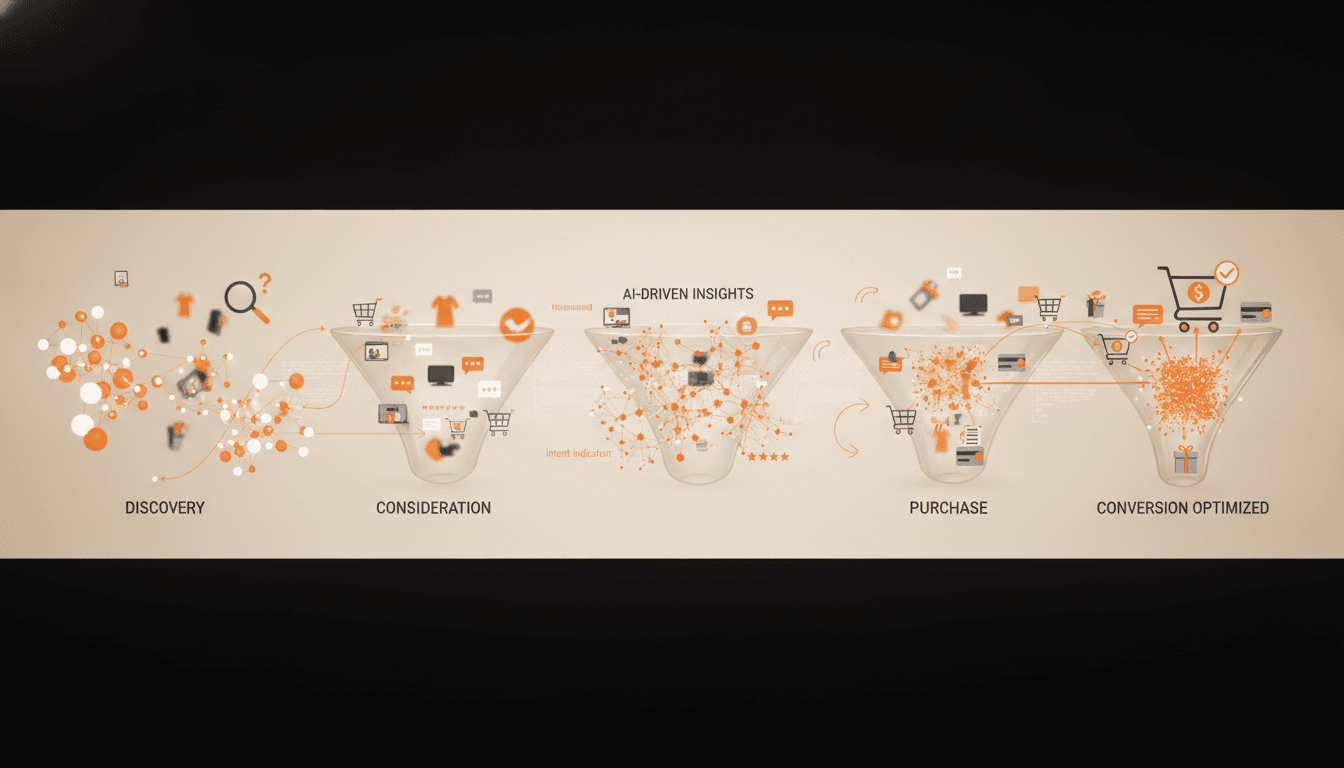
[IMG: Funnel visualization showing medium-intent traffic flow and micro-conversions]
By thoroughly understanding and optimizing each stage of the medium-intent conversion path, health & wellness marketers can transform qualified research traffic into high-value customers.
Key Takeaways and Next Steps for Health & Wellness Digital Marketing Strategists
The emergence of medium-intent AI search marks a defining opportunity for health & wellness brands in 2024. Those who invest in tailored strategies—leveraging GEO, structured data, expert-backed content, and AI-powered competitive analysis—will capture more qualified traffic, build trust, and drive sustained growth.
- GEO-optimized content delivers a 35% boost in AI impressions.
- Structured data increases AI assistant recommendations by 30%.
- Expert, interactive resources drive 60% higher engagement among researching shoppers.
- AI-powered analysis tools provide a 2.5x advantage in spotting and acting on search trends.
For digital marketing strategists, the moment to act is now. Audit your current approach, identify gaps in medium-intent optimization, and implement best practices to future-proof your brand’s digital presence.
Ready to elevate your health & wellness brand’s AI search strategy? Book a personalized 30-minute consultation with Hexagon today.
[IMG: Confident digital marketing strategist reviewing AI search analytics on a laptop]
About Hexagon
Hexagon empowers health & wellness brands with AI-driven marketing strategies, GEO optimization, and actionable insights to accelerate digital growth. Discover how our solutions can help you lead in the era of AI-powered commerce.
Hexagon Team
Published April 5, 2026