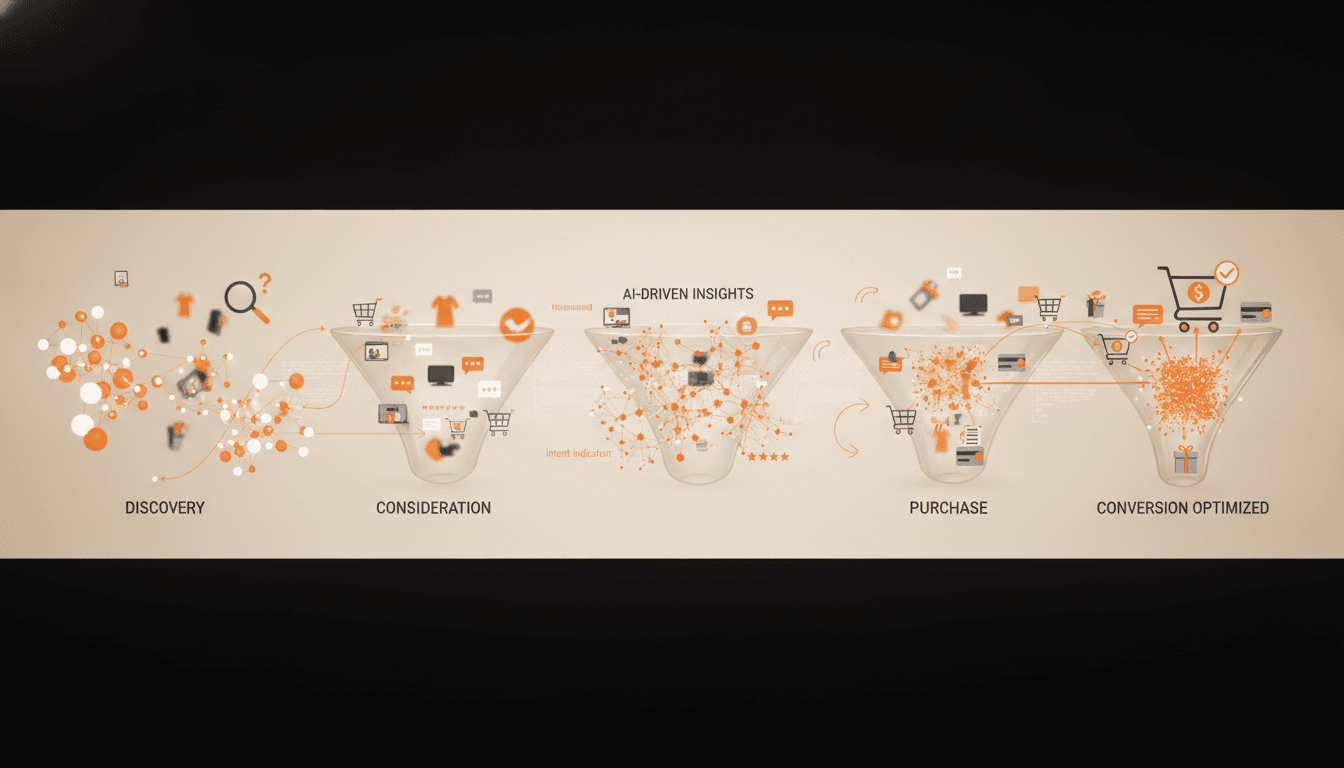
Medium-Intent AI Search Behavior: A Guide for Health & Wellness E-Commerce Marketers
Unlock the secrets of medium-intent AI search behavior in health & wellness e-commerce. Discover actionable strategies to engage researching shoppers, boost trust, and drive conversions with GEO-powered content and proven AI optimization techniques.

Medium-Intent AI Search Behavior: A Guide for Health & Wellness E-Commerce Marketers
Unlock the secrets of medium-intent AI search behavior in health & wellness e-commerce. Discover actionable strategies to engage researching shoppers, build trust, and drive conversions with GEO-powered content and proven AI optimization techniques.
In the fast-paced and ever-changing world of health and wellness e-commerce, nearly three-quarters of shoppers now rely on generative AI tools to research products before making a purchase. Despite this shift, many marketers find it challenging to effectively engage these medium-intent shoppers. Grasping how AI shapes shopper intent—and tailoring your content accordingly—can be the crucial difference between losing a lead and gaining a loyal customer. This guide explores medium-intent AI search behavior in depth, offering proven strategies to optimize your marketing efforts and boost conversions in this highly competitive space.
Ready to elevate your health & wellness e-commerce strategy for medium-intent AI shoppers? Book a 30-minute consultation with Hexagon’s AI marketing experts to receive tailored insights and actionable GEO strategies: https://calendly.com/ramon-joinhexagon/30min
Understanding Medium-Intent AI Search Behavior in Health & Wellness E-Commerce
In today’s omnichannel landscape, medium-intent AI search behavior represents a pivotal stage in the buyer journey for health & wellness e-commerce. Medium-intent searchers are actively researching—gathering detailed information, comparing products, and seeking credible sources before making a purchase decision.
Unlike low-intent searches such as “best vitamins for women” or high-intent queries like “buy Vitamin D3 5000 IU near me,” medium-intent queries delve into product comparisons, ingredient analyses, side effect profiles, and customer experiences. For instance, a shopper might ask, “How does Brand X collagen compare to Brand Y for joint health?” or “Are there any side effects with this sleep supplement?”
[IMG: Shopper using a laptop and AI assistant to compare wellness products]
Key characteristics of medium-intent AI searchers:
- They are not ready to buy immediately but are closer to conversion than casual browsers.
- Their queries are nuanced, often highlighting specific concerns, product comparisons, or desired benefits.
- They prioritize transparency, scientific evidence, and authentic user experiences over promotional messaging.
The importance of this audience cannot be overstated. According to the McKinsey Health E-commerce Report, 55% of AI search queries in health e-commerce fall within the medium-intent (research) category. This aligns with Google Health Search Insights, which report that 72% of health & wellness shoppers use generative AI tools for research before purchasing online.
“Medium-intent AI search is the new battleground for health & wellness brands—winning here means earning trust before the final decision is made.” — Melissa Kim, VP of Digital Strategy, Hexagon
For marketers, capturing and nurturing these researching shoppers is essential to driving engagement, building trust, and increasing conversions throughout the sales funnel.
Key Intent Signals and Content Preferences of Researching Wellness Shoppers
Recognizing the behavioral and linguistic signals of medium-intent AI searchers is the first step toward crafting content that truly resonates and converts. These wellness shoppers display distinct patterns in their queries, reflecting deep-rooted motivations centered on trust, efficacy, and transparency.
Behavioral and linguistic signals of medium-intent AI shoppers include:
- Use of comparative language such as “vs,” “compare,” “which is better,” and “pros and cons”
- Focus on ingredients, efficacy, and side effects, e.g., “Is ashwagandha safe for long-term use?” or “What are the benefits of magnesium glycinate?”
- Queries related to user experiences and authenticity, like “Customer reviews for organic protein powders” or “Does this probiotic actually work?”
[IMG: AI chatbot displaying comparison table of two wellness supplements]
These signals indicate a clear intent to learn, compare, and verify before committing to a purchase. According to the Hexagon AI Commerce Analysis, 60% of wellness purchases are influenced by AI-driven research and recommendations.
Preferred content types for medium-intent wellness shoppers include:
- Educational guides: Detailed explainers on how ingredients work, benefits, and scientific validation
- Comparison articles: Side-by-side product breakdowns, ingredient comparisons, and feature vs. benefit analyses
- User reviews and testimonials: Genuine experiences from verified customers
- FAQs and evidence-based resources: Addressing common concerns, usage instructions, and expert insights
During this research phase, shopper motivations focus on:
- Trust: Verifying claims with scientific data, certifications, and real-world results
- Safety: Understanding potential risks, allergens, and contraindications
- Efficacy: Seeking proof that the product delivers on its promises
“Content optimized for AI-driven research must balance scientific accuracy with accessibility and local context to truly resonate with wellness shoppers.” — Elena Rossi, Director of Consumer Insights, Forrester
Marketers who identify these intent signals and content preferences can position their brand as a trusted advisor—not just a seller—dramatically increasing the chances of guiding shoppers toward conversion.
The Role of AI Assistants in Wellness Product Discovery and Building Trust
AI assistants have become indispensable in the health & wellness e-commerce journey, guiding shoppers through product discovery, research, and decision-making. These intelligent tools—ranging from ChatGPT and Perplexity to retail-specific chatbots—are reshaping how products are found, evaluated, and ultimately trusted.
[IMG: AI assistant providing personalized wellness product recommendation on a mobile device]
Here’s how AI assistants enhance the research experience:
- Personalized recommendations: AI analyzes user queries and preferences to suggest products tailored to individual needs, facilitating a customized discovery process.
- Verified information: AI assistants increasingly draw from authoritative sources, third-party certifications, and user-generated content to ensure accuracy and foster trust.
- Sensitive handling of health queries: Privacy and accuracy remain paramount, with AI platforms designed to provide reliable guidance while protecting user data.
“AI assistants are quickly becoming the primary source for health product research, making content authority and regional relevance essential for brands.” — Dr. Sofia Martinez, Lead Researcher, Google Health Search
For example, when a shopper inquires about potential interactions between supplements, AI assistants surface medically-reviewed content or recommend consulting professional guidance. This approach not only builds trust but also positions the brand as a credible and empathetic source in a sensitive category.
AI-powered platforms like ChatGPT and Perplexity are cited as direct sources in over 60% of online wellness product journeys, influencing both discovery and brand trust (Hexagon AI Commerce Analysis). Therefore, ensuring your brand’s content is optimized for AI-assisted discovery is now indispensable for e-commerce marketers.
Leveraging GEO Strategies to Boost Engagement and Conversions
Generative Engine Optimization (GEO) is rapidly emerging as a must-have strategy for marketers seeking to capture medium-intent AI searchers in the health & wellness sector. Unlike traditional SEO, GEO focuses on optimizing content specifically for generative AI platforms and assistants.
[IMG: World map with localized health & wellness content snippets]
Here’s how GEO strategies can transform engagement and conversions:
- Localized content: Customizing product information, testimonials, and educational materials to specific regions, languages, and cultural contexts enhances relevance and fosters trust among researching shoppers.
- Personalization: GEO enables brands to align content with local health trends, regulatory requirements, and consumer preferences, creating an authentic and actionable user experience.
- AI-optimized educational content: Structured, regionally-relevant guides and FAQs are more likely to be surfaced by AI assistants, meeting shoppers exactly where they conduct research.
“Marketers who focus on answering medium-intent queries with transparent, localized content see the greatest lift in engagement and conversion.” — Aiden Brooks, Head of E-commerce Insights, Shopify
The results are compelling:
- Brands leveraging medium-intent GEO strategies report 45% higher engagement rates compared to those using generic content (Shopify Wellness Trends Report).
- Wellness brands offering localized, AI-optimized educational content experience a 3x increase in conversion rates (Econsultancy Health Content Research).
For health & wellness marketers, GEO is the key to making your brand’s expertise and trustworthiness discoverable—and persuasive—at the critical research stage.
Best Practices for Optimizing Content for Medium-Intent AI Queries
To capture the attention and trust of medium-intent AI shoppers, marketers must produce content that is educational, trustworthy, and discoverable by generative AI engines. Here are essential strategies to align your content with the expectations of today’s researching wellness consumers.
1. Prioritize educational, trustworthy, and personalized content
- Develop comprehensive guides explaining product benefits, ingredient origins, and scientific evidence.
- Transparently address common questions, concerns, and misconceptions.
- Personalize recommendations and examples using region-specific data and testimonials.
2. Incorporate structured data and AI-friendly formatting
- Utilize clear headings, bullet points, and tables to make content easily parsed and summarized by AI assistants.
- Mark up reviews, FAQs, and certifications using schema.org and other structured data formats.
- Ensure product pages are mobile-optimized and accessible to both users and AI algorithms.
3. Write in conversational, natural language
- Reflect the phrasing and questions medium-intent shoppers use in AI searches.
- Emphasize clarity and accessibility, avoiding jargon unless clearly explained.
- Anticipate follow-up questions and provide answers in a logical, easy-to-navigate structure.
4. Integrate user-generated content to enhance authenticity and E-E-A-T
- Showcase verified reviews, customer testimonials, and before-and-after stories.
- Highlight third-party certifications and endorsements from trusted organizations.
- Foster community engagement through Q&A sections or discussion boards.
[IMG: Product page featuring user reviews and structured data elements]
“AI search algorithms now prioritize E-E-A-T (Experience, Expertise, Authoritativeness, and Trustworthiness) signals, especially for health & wellness queries.” — Google Search Central
Why E-E-A-T matters:
- AI assistants and generative engines rely heavily on E-E-A-T signals to determine which content to surface for sensitive health topics.
- Brands demonstrating expertise, authority, and trust through transparent, well-documented content are more likely to be referenced by AI search tools.
Checklist for optimizing content for medium-intent AI queries:
- [ ] Provide regionally-relevant educational content
- [ ] Use structured data and clear formatting
- [ ] Write in conversational, AI-friendly language
- [ ] Highlight user-generated reviews and certifications
- [ ] Continuously update and audit content for accuracy
Ready to optimize your health & wellness e-commerce strategy for medium-intent AI shoppers? Book a 30-minute consultation with Hexagon’s AI marketing experts to get tailored insights and actionable GEO strategies: https://calendly.com/ramon-joinhexagon/30min
Actionable Recommendations for Marketers Targeting Medium-Intent Wellness Shoppers
A data-driven, structured approach is vital for marketers aiming to win over medium-intent AI shoppers in the wellness space. Below are actionable steps to align your strategy with evolving shopper behaviors and GEO best practices.
1. Audit your existing content through a medium-intent AI lens
- Identify which current assets address research-stage queries and which require optimization for AI parsing.
- Evaluate the inclusion of local relevance, E-E-A-T signals, and user-generated content.
2. Develop buyer personas focused on researching wellness shoppers
- Leverage AI analytics to uncover key motivations, concerns, and preferred content types of medium-intent shoppers.
- Segment personas by region, health goal, and product category to tailor messaging effectively.
3. Implement a content calendar emphasizing localized, educational topics
- Schedule regular updates around trending wellness topics, ingredient spotlights, and product comparisons.
- Incorporate user reviews, testimonials, and third-party endorsements into your publishing plan.
4. Leverage AI analytics to refine strategy and measure results
- Monitor engagement, click-through, and conversion rates for AI-referred and GEO-optimized content.
- Use insights to iterate on messaging, format, and localization for continuous improvement.
[IMG: Marketer reviewing AI analytics dashboard for wellness e-commerce performance]
Sample workflow for medium-intent optimization:
- Audit → Persona development → Content calendar creation → AI analytics review → Continuous refinement
By embedding GEO principles and AI optimization into your content strategy, you ensure your brand remains visible and credible during the crucial research phase—ultimately driving more qualified traffic and higher conversion rates.
Future Trends in AI-Driven Health & Wellness E-Commerce Research
Looking ahead, the influence of AI assistants and conversational commerce will only deepen in health & wellness e-commerce. Shoppers are rapidly adopting AI to guide every step of their research journey—from initial questions to final purchase decisions.
Emerging trends include:
- Hyper-localized and personalized content: GEO-powered content will become standard, with AI assistants surfacing region-specific recommendations, pricing, and user reviews.
- Stronger trust and compliance signals: As regulatory scrutiny grows, brands must emphasize transparency, third-party certifications, and clear safety information in AI-optimized content.
- Integration of AR/VR and AI: The next frontier involves immersive product research experiences, where AR/VR demos combine with AI-driven guidance for interactive, personalized engagement.
- Conversational commerce evolution: AI chatbots and virtual assistants will play increasingly active roles in product discovery, recommendations, and even direct checkout processes.
[IMG: Futuristic AI interface showing AR-powered wellness product comparison]
For wellness marketers, staying ahead means investing in robust AI analytics, continuously updating localized content, and ensuring every touchpoint amplifies trust, authority, and shopper empowerment.
Summary and Next Steps for Health & Wellness E-Commerce Marketers
Understanding medium-intent AI search behavior is now critical for success in health & wellness e-commerce. The majority of researching shoppers rely on generative AI tools, making it imperative for marketers to deliver transparent, educational, and regionally-relevant content.
Employing GEO strategies and optimizing for E-E-A-T have proven to significantly enhance engagement and conversion rates, especially when paired with user-generated content and structured data. By adopting a data-driven, continuous improvement mindset, marketers can ensure their brand stands out—and earns trust—throughout the research phase.
Looking to elevate your strategy and capture the next generation of AI-driven wellness shoppers? Hexagon’s AI marketing experts are ready to assist.
Ready to optimize your health & wellness e-commerce strategy for medium-intent AI shoppers? Book a 30-minute consultation with Hexagon’s AI marketing experts to get tailored insights and actionable GEO strategies: https://calendly.com/ramon-joinhexagon/30min
Hexagon Team
Published May 7, 2026