How to Optimize Image Assets for Medium-Intent AI Product Discovery in Fashion and Beauty
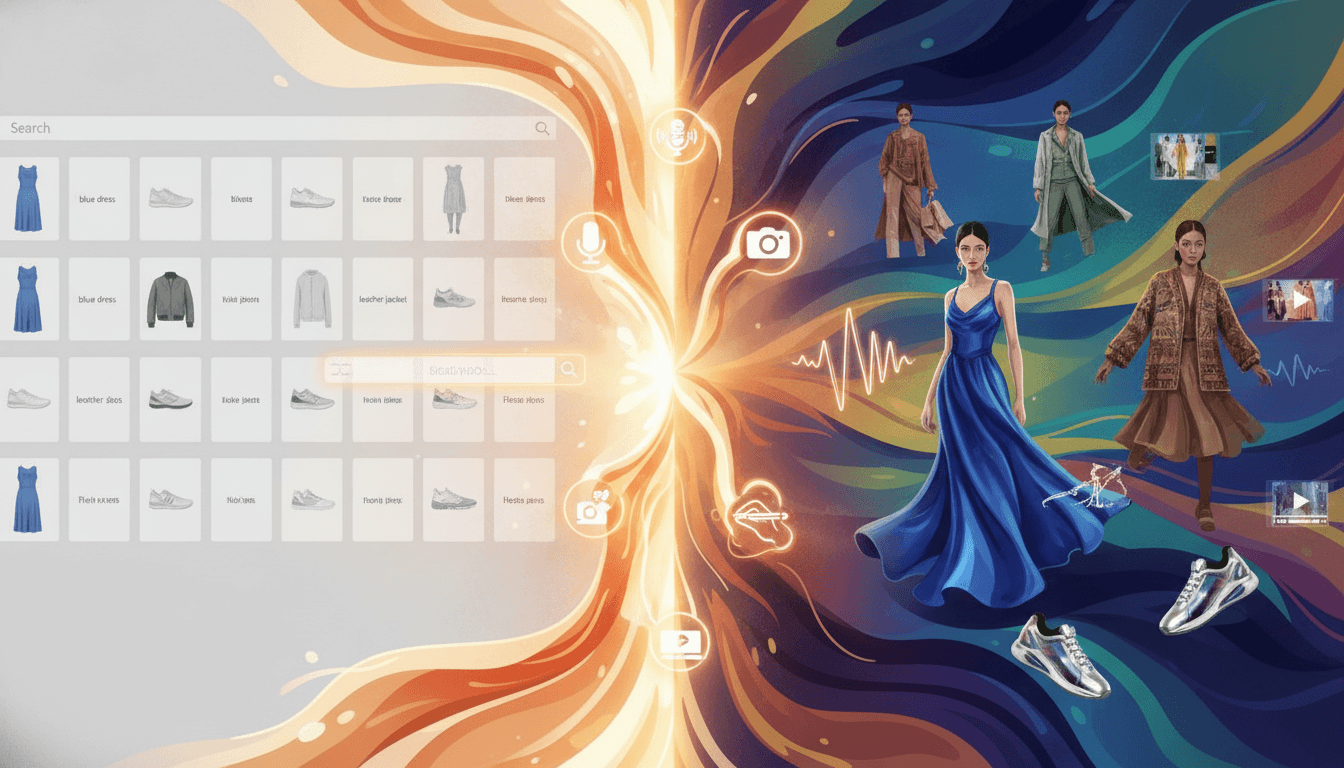
As AI-powered search engines reshape how fashion and beauty products are discovered, mastering image optimization for medium-intent shoppers is essential. This guide explores actionable strategies to elevate your brand’s visibility and conversion rates through advanced image asset optimization.

How to Optimize Image Assets for Medium-Intent AI Product Discovery in Fashion and Beauty
As AI-powered search engines revolutionize how fashion and beauty products are found, mastering image optimization for medium-intent shoppers is crucial. This guide reveals actionable strategies to boost your brand’s visibility and conversion rates through advanced image asset optimization.
In today’s rapidly evolving digital landscape, AI-powered search engines are reshaping how medium-intent shoppers discover fashion and beauty products. Brands that strategically optimize their image assets gain a decisive competitive edge. This guide dives into how targeted image optimization can elevate your brand’s presence and drive conversions in this new era of AI-assisted product discovery.
[IMG: Diverse shoppers using AI search on mobile devices for fashion and beauty products]
Understanding Medium-Intent AI Shopper Behavior in Fashion and Beauty
Medium-intent shoppers are a fast-growing segment in the fashion and beauty market, especially as AI-driven discovery tools become mainstream. These shoppers aren’t casually browsing nor are they ready to buy immediately; instead, they actively compare options, seek inspiration, and validate their choices. Their queries often blend exploratory and transactional intent, such as “best moisturizing lipstick for medium skin” or “summer linen dress inspiration.”
Research highlights the critical role of visual content for this audience. According to McKinsey & Company, 87% of medium-intent shoppers say image quality and relevance influence their purchase decisions (The State of Fashion E-Commerce 2024). For instance, a shopper might leverage an AI assistant to compare two similar products, relying heavily on images alongside contextual information to make a choice.
AI-driven, multimodal search is transforming discovery in several ways:
- 15% of all fashion and beauty e-commerce queries now utilize multimodal AI search (Forrester Research), which combines text, images, and sometimes voice for richer, more nuanced results.
- Medium-intent searches often reflect a dual desire for inspiration (“outfit ideas for fall wedding”) and readiness to shortlist or purchase.
- Images serve as both data sources and decision influencers—their relevance, clarity, and surrounding context directly affect conversion rates.
“In the era of AI-powered shopping, images are more than decoration—they are data. Optimizing image assets ensures your products are understood and recommended by smart search systems.” — Aleyda Solis, International SEO Consultant, Orainti
Brands that understand and optimize for these evolving behaviors are best positioned to lead in AI-assisted fashion and beauty discovery.
[IMG: Visual showing a shopper comparing fashion products using AI visual search]
Crafting Descriptive and Context-Rich Alt Text for AI and Medium-Intent Shoppers
Alt text has evolved far beyond accessibility compliance—it now forms a vital link between your product visuals and AI-driven discovery. As AI assistants and multimodal search engines interpret images, descriptive, context-rich alt text significantly boosts match rates and relevance.
Platforms like ChatGPT and Google’s Vision AI heavily rely on alt text to interpret product images. A Shopify SEO study found that including product type, color, and style in alt text leads to a 63% increase in AI-driven product matches (Shopify SEO Guide for Fashion Brands). For fashion and beauty e-commerce, this means alt text should go beyond generic descriptions like “red dress” to detailed phrases such as “women’s sleeveless red linen dress with floral print, styled for summer events.”
To craft alt text that resonates with both AI systems and medium-intent shoppers, consider:
- Including essential attributes: Product type, color, material, and style (e.g., “matte nude lipstick in rose beige shade on fair skin”).
- Adding contextual cues: Usage scenarios or styling context (“worn at evening event,” “paired with gold earrings”).
- Ensuring clarity and conciseness: Avoid keyword stuffing; focus on natural, descriptive language.
Examples:
- Ineffective:
alt="shoes" - Effective:
alt="women’s white leather sneakers with gold accents, styled with cropped jeans"
Best practices for fashion and beauty alt text:
- Be specific and accurate: Describe exactly what is visible in the photo.
- Prioritize accessibility: Well-crafted alt text enhances inclusion and indirectly boosts SEO through improved engagement (W3C Web Accessibility Initiative).
- Align with shopper intent: Incorporate details medium-intent shoppers typically seek—attributes, use cases, and current trends.
“Detailed alt text and structured data are foundational for enabling AI assistants to accurately recommend fashion and beauty products to shoppers with medium purchase intent.” — Lizzi Sassman, Technical Writer, Google Search Central
By investing in thorough alt text, brands enhance accessibility while maximizing their visibility in AI-powered search results.
[IMG: Example of optimized alt text for a fashion product image]
Choosing the Right Image Data Formats to Support Multimodal AI Search Engines
Selecting the right image formats is critical to ensuring your visuals are efficiently processed and indexed by AI search engines. Traditional formats like JPEG and PNG are increasingly being replaced by next-generation options such as WebP and JPEG XL, which deliver superior compression and richer metadata support.
These advanced formats support AI-powered discovery by:
- Offering improved compression efficiency: WebP and JPEG XL reduce file sizes without compromising quality, leading to faster load times and enhanced user experiences (Google Developers).
- Enabling richer metadata embedding: Both formats support extensive metadata, which AI engines use to better understand image context.
- Providing broad compatibility: Leading AI multimodal platforms—including Google, OpenAI, and Perplexity—prioritize images in these formats for their technical advantages.
For example, switching from JPG to WebP can reduce image load times by up to 30%, directly improving engagement for medium-intent shoppers who expect quick, seamless results.
Key recommendations:
- Convert your most trafficked image assets to WebP or JPEG XL whenever possible.
- Preserve metadata during conversion to maintain AI interpretability.
- Test display compatibility across devices and platforms to prevent issues.
By adopting modern image formats, brands future-proof their assets to meet the demands of AI-powered, multimodal search.
[IMG: Comparison of image formats (WebP, JPEG XL, JPEG, PNG) with file size and quality metrics]
Implementing Structured Data and Metadata to Enhance Image Discoverability
AI search engines do more than just “see” images—they depend on structured data and metadata to fully understand and recommend products. Schema.org’s ImageObject markup is a powerful tool that provides AI with rich image context, which is especially crucial in fashion and beauty.
Structured data enhances AI-driven discovery by:
- Enabling Schema.org/ImageObject: Embedding this schema allows AI systems like Google’s Vision AI to contextualize images far beyond basic file names (Google Search Central).
- Including geolocation metadata: Adding location details helps AI personalize recommendations based on regional trends and availability (Search Engine Journal).
- Supplementing accessibility metadata: Alongside alt text, metadata such as captions and licensing information ensures inclusivity and broadens image reach.
Brands integrating structured data see tangible benefits:
- 21% higher click-through rates from AI-assisted product recommendations (BrightEdge, Visual Content Optimization Study 2024).
- Improved AI recommendation accuracy, as images align more precisely with user queries.
To implement structured data effectively:
- Embed schema.org/ImageObject properties using JSON-LD or Microdata on product pages.
- Include details like
name,description,contentUrl,license,author, andlocationCreated. - Regularly audit metadata for completeness and accuracy.
“Brands that invest in multimodal image optimization—combining visual quality with rich metadata—are seeing measurable gains in AI-driven discovery and higher conversion rates.” — Brian Hennessy, CEO, Talkoot
Looking forward, structured data and metadata form the backbone of AI-powered personalization, fueling both discovery and conversion for fashion and beauty brands.
[IMG: Screenshot of schema.org/ImageObject JSON-LD applied to a product image]
Leveraging Lifestyle Imagery and Diverse Representation to Connect with Medium-Intent Shoppers
Static product shots alone no longer suffice for today’s discerning medium-intent shoppers. Lifestyle imagery—depicting products in real-world, relatable scenarios—resonates more deeply and drives stronger engagement. This is especially true as AI systems increasingly prioritize images that reflect authentic use and inclusivity.
Lifestyle imagery impacts AI discovery and shopper engagement by:
- Meeting medium-intent shoppers’ needs for inspiration and validation. These shoppers gravitate toward images that help them envision how a product fits into their lives (McKinsey & Company).
- Promoting diverse representation. Featuring models of varied skin tones, body types, and real-life contexts increases relatability and expands your audience.
- Aligning with AI search priorities. Images showing products in action—such as a serum applied during a morning routine or a dress worn at an event—are more likely to appear in multimodal search results.
Tips for optimizing lifestyle imagery:
- Choose photos that showcase products in realistic, aspirational environments.
- Ensure diversity in models and settings to signal inclusivity.
- Annotate images with descriptive alt text and metadata that capture context and representation.
For example, an image of a moisturizer being applied by a model with visible skin texture under natural light will typically outperform a sterile flat lay in both AI-driven discovery and shopper connection.
[IMG: Lifestyle beauty shoot featuring diverse models using skincare products]
Auditing and Testing Image Assets Across AI Assistants and Multimodal Platforms
Image asset optimization is an ongoing journey—regular auditing and testing are vital to maintain discoverability and performance across AI-powered platforms. As tools like ChatGPT, Perplexity, and Claude become key to product discovery, brands must ensure their images meet evolving AI interpretation standards.
Effective audit and test strategies include:
- Assessing discoverability: Use leading AI assistants and multimodal search tools to observe how your images are displayed and ranked.
- Validating metadata and alt text: Employ browser extensions and SEO audit tools to confirm that structured data and alt text are complete, accurate, and context-rich.
- Simulating user journeys: Evaluate how medium-intent shoppers experience your brand across various devices and platforms.
Recommended tools and workflows:
- Google Search Console: Track image indexing and performance.
- Lighthouse & Screaming Frog: Conduct technical SEO audits, verifying metadata and alt text quality.
- AI assistant simulations: Run test prompts on platforms like ChatGPT and Perplexity to see how your images appear in AI-generated results.
Brands that institutionalize regular image audits can quickly adapt to AI search algorithm updates, securing a lasting competitive advantage.
Ready to elevate your fashion or beauty brand’s AI product discovery with expert image optimization? Book a personalized consultation with Hexagon’s AI marketing specialists today.
Tracking Performance Metrics to Refine Image Optimization Strategies
Continuous refinement is essential to sustain strong visibility in AI-powered product discovery. By tracking key performance metrics, brands can fine-tune their image optimization tactics for ongoing success.
Important metrics to monitor:
- Click-through rate (CTR): Measures how often shoppers engage with AI-driven product recommendations.
- Recommendation rates: Tracks the frequency your products appear in AI-powered search suggestions.
- Engagement from AI-driven searches: Analyzes user behaviors such as time on page and conversion rates stemming from multimodal search traffic.
For example, Gartner research reveals a 28% increase in product recommendations for brands with optimized images in AI-driven search engines (Gartner, AI in Retail: Product Search and Discovery Trends). This boost not only drives more traffic but also signals to search algorithms that your content aligns with shopper intent.
To convert metrics into action:
- Analyze data regularly: Use analytics platforms to identify top-performing images and those needing enhancement.
- Iterate based on insights: Refresh underperforming assets with richer alt text, improved metadata, or new lifestyle imagery.
- Benchmark against industry standards: Compare your CTR and recommendation rates to sector averages to set achievable goals.
By adopting this iterative approach, brands stay ahead of evolving AI trends and shopper behaviors—ensuring their image assets consistently fuel both discovery and conversion.
Conclusion
AI-powered, multimodal search is radically transforming fashion and beauty product discovery. Optimizing image assets—through context-rich alt text, next-generation formats, structured metadata, and inclusive lifestyle imagery—is essential for engaging medium-intent shoppers.
Brands embracing these strategies are already experiencing up to 28% more AI-driven product recommendations and 21% higher click-through rates. As AI assistants become the new gatekeepers of e-commerce, image optimization is no longer optional—it’s a strategic imperative.
Ready to transform your brand’s AI product discovery? Book a personalized consultation with Hexagon’s AI marketing specialists today.
[IMG: Hexagon AI marketing team collaborating on image optimization for a fashion brand]
Hexagon Team
Published April 23, 2026