How to Integrate Hexagon’s GEO Platform with Shopify for Instant High-Intent AI Shopper Conversions
With AI-driven recommendations now influencing 58% of online purchases in 2024, Shopify merchants can’t afford to ignore the next evolution of search. Discover how Hexagon’s GEO platform delivers up to 40% uplift in AI-driven conversions within 90 days—empowering you to capture high-intent, ready-to-buy shoppers faster than ever.
How to Integrate Hexagon’s GEO Platform with Shopify for Instant High-Intent AI Shopper Conversions
With AI-driven recommendations now influencing 58% of online purchases in 2024, Shopify merchants face a pivotal opportunity—and challenge—to embrace the next evolution of search. Discover how Hexagon’s GEO platform can deliver up to a 40% uplift in AI-driven conversions within just 90 days, empowering you to capture high-intent, ready-to-buy shoppers faster than ever before.
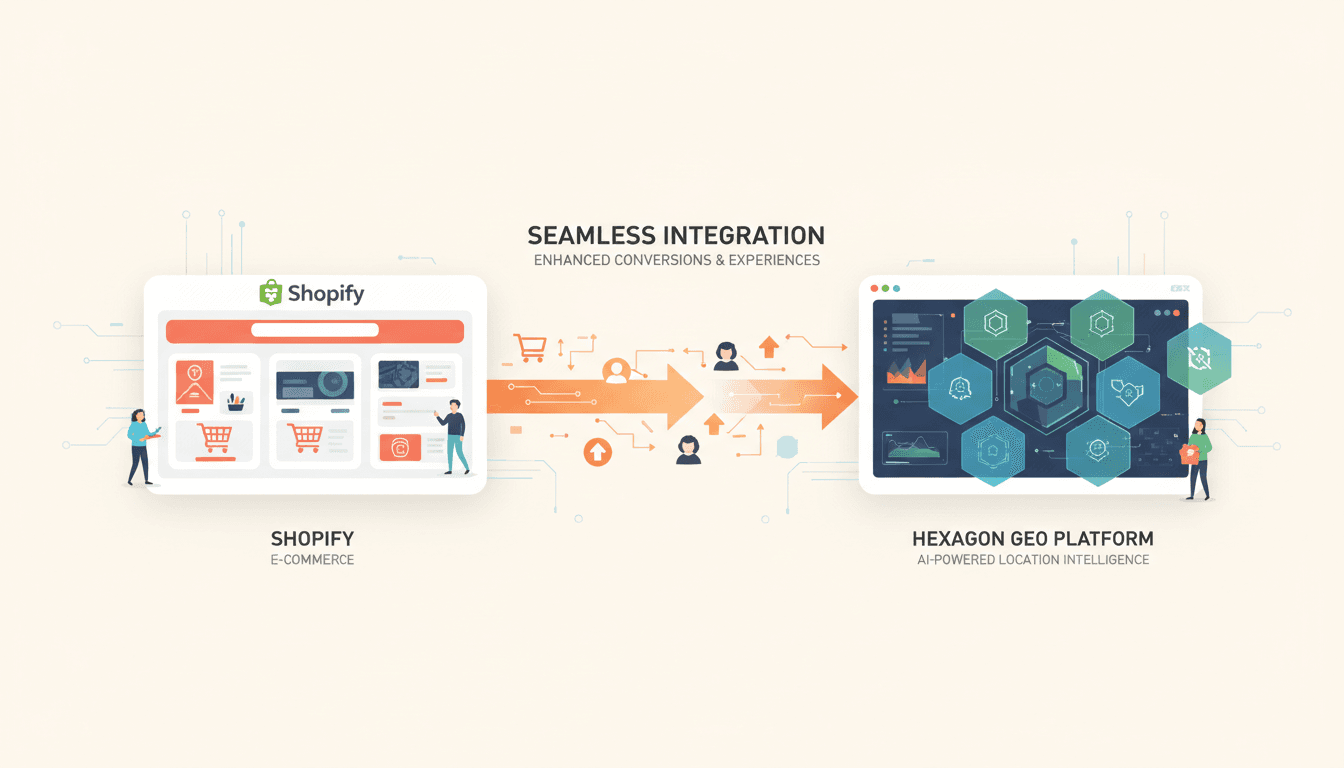
[IMG: Shopify store dashboard with Hexagon GEO integration screen]
Understanding Hexagon’s GEO Platform and Its Benefits for Shopify Merchants
Shopify powers over 1.75 million businesses worldwide, intensifying the battle for digital shelf space. In this fiercely competitive landscape, traditional SEO tactics are quickly losing ground to AI-enhanced search and smart shopping assistants. Hexagon’s GEO platform is purpose-built for this new era, leveraging Generative Engine Optimization to make Shopify stores both discoverable and irresistibly compelling for AI-driven shoppers.
Here’s how Hexagon GEO revolutionizes Shopify store performance:
- AI-Optimized Search Integration: GEO ensures your products appear prominently not only on traditional search engines but also in responses from generative AI assistants like ChatGPT and Perplexity.
- Dynamic Content Generation: The platform continuously updates product descriptions, titles, and metadata to align with evolving AI search queries and shopper intent.
- Conversion Uplift: Users of Hexagon GEO report up to a 40% increase in AI-driven conversions within 90 days, demonstrating its tangible impact on business growth.
AI shopper behavior differs fundamentally from traditional web visitors. “AI-powered shopping assistants are reshaping the e-commerce landscape. Brands that optimize for AI search will capture the next wave of high-intent customers,” explains Sarah Gupta, VP of E-commerce Strategy at McKinsey & Company. Indeed, AI search traffic converts 30% better than traditional SEO-driven traffic, and Shopify merchants leveraging AI-driven optimization see a 22% rise in average order value (AOV) Shopify Plus, AI Commerce Insights 2024.
Generative AI assistants now represent a growing share of e-commerce discovery, with Gartner projecting they will drive over 12% of all e-commerce traffic by 2025. This seismic shift demands fresh strategies—static product data and outdated SEO approaches simply won’t cut it anymore. Hexagon’s GEO platform equips Shopify merchants to meet this challenge head-on, helping them capitalize on AI shoppers’ unmistakable high-intent signals.
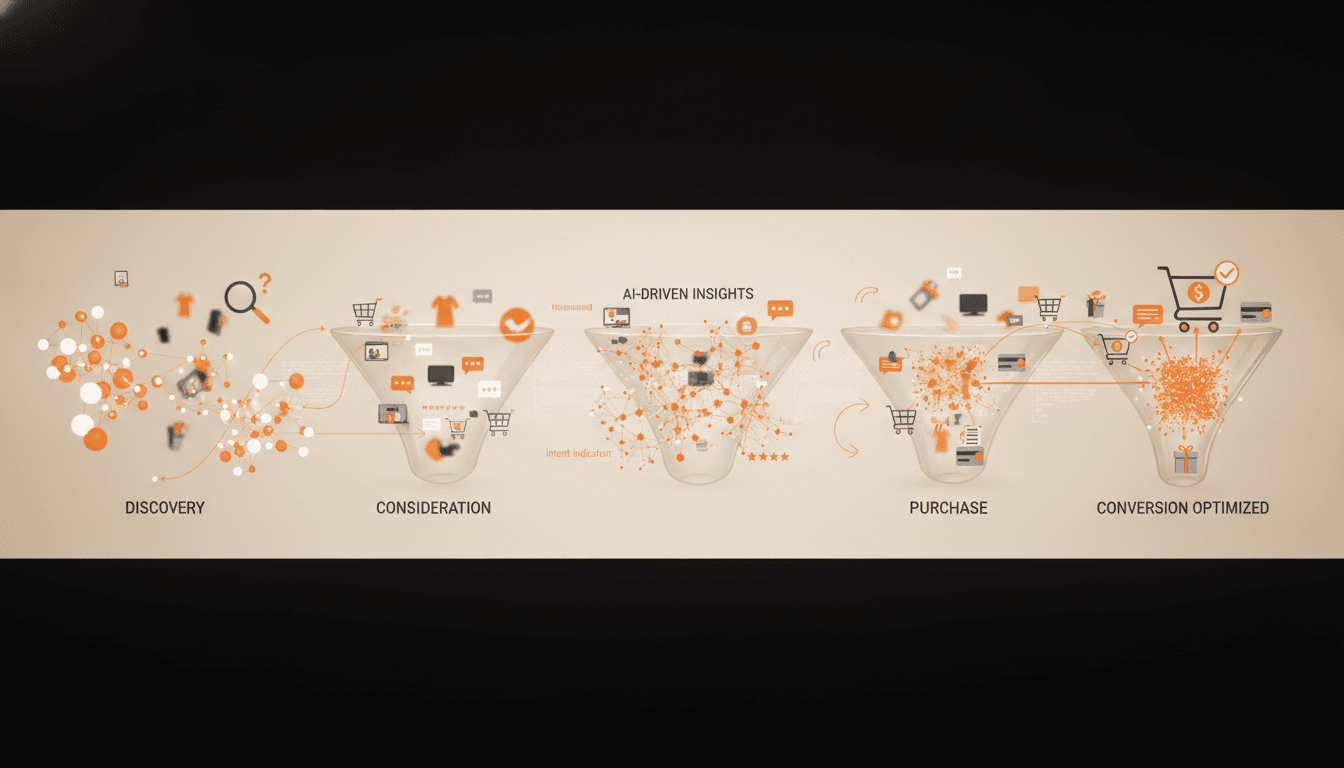
[IMG: Illustration of AI-driven product discovery process]
Step-by-Step Guide to Integrating Hexagon GEO with Your Shopify Store
Achieving fast, effective results hinges on seamless integration. Thanks to Shopify’s open ecosystem, brands can easily adopt cutting-edge AI solutions like Hexagon GEO, rapidly driving measurable improvements. Liz Lee, Director of Product Partnerships at Shopify, emphasizes this accessibility. Follow these steps to get started:
1. Pre-Integration Preparations
- Ensure Store Readiness: Verify that your Shopify store is live with accurate, up-to-date product data and inventory.
- Data Assessment: Evaluate your existing product titles, descriptions, and metadata for completeness and accuracy.
- Access Requirements: Secure admin access to your Shopify store alongside your Hexagon GEO credentials.
2. Installing the Hexagon GEO Integration App or API
- App Store Installation: Visit the Shopify App Store and search for Hexagon GEO. Click ‘Install’ and follow the step-by-step prompts—no coding required.
- API Alternative: For tailored setups, utilize Hexagon’s API documentation to customize the integration.
- Permissions: Authorize the app to access product feeds, inventory, and store analytics.
3. Connecting Product Feeds and Syncing Inventory
- Product Feed Sync: Link your product catalog to Hexagon GEO through the integration wizard, enabling real-time synchronization of prices, inventory, and metadata.
- Inventory Accuracy: Real-time inventory sync guarantees AI search results always reflect current stock, reducing customer frustration and lost sales.
- Dynamic Updates: Activate automatic updates so that new products and inventory changes instantly become visible to AI engines.
4. Testing and Validating the Integration
- Validation Tools: Leverage Hexagon’s built-in tools to verify feed completeness and schema compliance.
- Preview Mode: Examine how your products appear to generative AI and test sample queries for accuracy.
- Performance Benchmarking: Analyze pre- and post-integration metrics to measure immediate impact.
Thanks to Shopify’s flexible architecture, brands can deploy GEO optimization in under 30 minutes without technical headaches Hexagon Integration Guide. Once live, the platform powers dynamic content generation tailored to AI algorithms and high-intent shoppers alike.
Ready to boost your Shopify conversions with Hexagon’s GEO platform? Book a personalized 30-minute consultation with our AI marketing experts today.
Structuring Product Data and Feeds for Optimal AI Search Visibility
A well-structured product data foundation is essential for AI search optimization. Generative AI assistants rely heavily on structured data to accurately understand, rank, and recommend products to high-intent shoppers. Dr. Alan Cheng, CTO at Hexagon, states, “Integrating structured data and AI-optimized feeds is now table stakes for merchants aiming to win in AI-driven product discovery.”
To ensure your data is AI-ready, focus on these key practices:
-
Format Product Titles and Descriptions for AI Intent
- Craft clear, descriptive titles that mirror natural language queries (e.g., “Eco-Friendly Yoga Mat with Non-Slip Surface”).
- Develop detailed, benefit-focused descriptions that address common shopper questions.
- Incorporate relevant keywords while emphasizing conversational phrasing—AI engines prioritize semantic relevance.
-
Implement Schema Markup
- Embed structured data (e.g., JSON-LD) on product pages covering attributes like price, availability, ratings, and brand.
- Schema markup enhances AI comprehension, directly boosting ranking and visibility in generative search results.
- Regularly validate your schema using tools such as Google’s Rich Results Test or the Hexagon GEO dashboard.
-
Best Practices for Feed Management
- Schedule daily product feed updates to maintain real-time accuracy.
- Monitor for errors or missing fields and resolve them promptly.
- Utilize Hexagon GEO’s dynamic feed capabilities to automatically sync new product launches and inventory changes.
With 58% of online purchases influenced by AI-driven recommendations in 2024 McKinsey & Company, The State of AI in Commerce, the importance of schema and structured data cannot be overstated. Optimized, well-structured feeds not only elevate your product visibility but also ensure your offerings reach the right shoppers at precisely the right moment.
[IMG: Example of structured product data with schema markup]
Best Practices for AI Search Optimization on Shopify
Optimizing for AI search is an ongoing journey, extending well beyond the initial integration. Tommi Heinonen, Principal Analyst at Gartner, observes, “AI search is revolutionizing not just how consumers find products, but how brands must approach digital shelf visibility.” To maintain your competitive edge, apply these strategies:
-
Leverage Dynamic, Personalized Content
- Use Hexagon GEO to deliver product recommendations, descriptions, and offers customized to each shopper’s intent and behavior.
- Personalization boosts engagement, encouraging higher-value purchases and lowering bounce rates.
-
Maintain Real-Time Inventory Sync
- Keep your inventory data continuously updated across all AI platforms to prevent lost sales from out-of-stock items.
- Hexagon GEO’s automated syncing ensures your listings remain accurate, fostering shopper trust.
-
Optimize for Natural Language and Voice Search
- Structure product data to align with how people naturally speak and query AI assistants.
- Incorporate FAQs, conversational keywords, and context-rich descriptions.
-
Utilize AI-Powered Search Analytics
- Track search trends, high-converting queries, and shopper pathways via Hexagon GEO’s analytics dashboard.
- Identify optimization opportunities and adapt content or inventory strategies accordingly.
For instance, Shopify merchants using AI-driven optimization enjoy a 22% increase in average order value (AOV), while AI search traffic converts 30% better than traditional SEO traffic, delivering clear boosts to sales volume and profitability Ecommerce AI Trends Report, Hexagon.
[IMG: Analytics dashboard showing AI search traffic and conversion rates]
Strategies to Capture and Convert High-Intent AI Shopper Traffic
Once your store becomes discoverable by AI, the next focus is maximizing conversion from these high-intent visitors. Shoppers identified by specific AI queries and behaviors tend to convert at much higher rates than average traffic.
Here’s how to capture and convert these valuable visitors effectively:
-
Identify High-Intent Signals
- Analyze AI search queries for precise product names, features, or purchase-related terms.
- Segment traffic by query intent to prioritize shoppers most likely to buy.
-
Craft Tailored Offers and Calls to Action
- Leverage Hexagon GEO’s personalization engine to trigger unique offers, bundles, or discounts based on AI interactions.
- Dynamic CTAs such as “Buy Now for Free Shipping” or “Limited Stock—Order Today” create urgency and boost conversion.
-
Leverage AI-Driven Personalization Features
- Deliver individualized product recommendations informed by browsing and purchase history.
- Adjust website messaging in real time as AI detects shopper intent.
-
Integrate with Shopify’s Checkout and Remarketing Tools
- Seamlessly connect personalized offers to Shopify’s native checkout for a smooth buying experience.
- Retarget high-intent shoppers with automated email or SMS campaigns powered by AI-driven signals.
Hexagon GEO users consistently report measurable uplifts within 90 days, with many achieving up to 40% growth in AI-driven conversions. By honing in on high-intent signals and harnessing AI personalization, Shopify merchants create a virtuous cycle of discovery and conversion that maximizes revenue.
[IMG: Flowchart of high-intent shopper journey from AI search to checkout]
Measuring Uplift: Analytics and KPIs for AI-Driven Conversions
Sustained success depends on tracking and interpreting key performance indicators (KPIs) that reflect the impact of AI-driven optimization. Hexagon GEO offers a powerful analytics dashboard that integrates seamlessly with Shopify’s native reporting tools.
Key KPIs to focus on include:
- Conversion Rate: Monitor the percentage of AI-driven visitors who complete purchases. Hexagon GEO users often achieve up to a 40% uplift in AI-driven conversions within 90 days.
- Average Order Value (AOV): Track average spend per order. A 22% increase in AOV indicates stronger engagement and more effective upselling.
- Traffic Sources: Compare AI search traffic performance against traditional SEO and paid channels.
To maximize analytics value:
- Use the Hexagon GEO dashboard to segment and analyze AI-driven shopper behavior in real time.
- Combine GEO data with Shopify’s analytics for a comprehensive view of store performance.
- Leverage AI search insights to refine marketing strategies—adjust product feeds, offers, and content based on what drives conversion.
Setting realistic benchmarks is key. While many see immediate improvements, continuous optimization ensures sustained growth. With actionable analytics at your fingertips, you can confidently iterate and scale AI-driven conversions over time.
[IMG: KPI dashboard comparing AI-driven vs. traditional conversion metrics]
Case Studies: Shopify Brands Who Boosted Conversions with Hexagon GEO
Real-world examples highlight Hexagon’s GEO platform’s power to transform Shopify store outcomes. Here are two success stories demonstrating measurable impact:
Example 1: Niche Fashion Retailer
A boutique fashion retailer integrated Hexagon GEO to enhance AI search visibility and personalization. Within 90 days, the brand achieved:
- 35% increase in AI search conversions
- Over 20% improvement in repeat customer rate
- Faster inventory turnover thanks to real-time sync with high-intent queries
Key takeaway: Dynamic, AI-optimized feeds combined with real-time inventory updates enabled rapid scaling and minimized lost sales.
Example 2: Electronics Store
An electronics merchant aimed to boost AOV and reach new AI-driven audiences. After implementing Hexagon GEO, results included:
- 25% higher average order value (AOV)
- 18% increase in cross-category purchases driven by AI-powered recommendations
- Streamlined checkout experience tailored for AI shoppers
Key takeaway: Personalized recommendations and seamless checkout integration drove both higher order values and broader product discovery.
For Shopify merchants, these case studies demonstrate that integrating Hexagon GEO is more than a technical upgrade—it’s a strategic advantage that scales across verticals.
[IMG: Before-and-after conversion graph from Shopify store using Hexagon GEO]
Future Trends: Preparing Your Shopify Store for the Next Evolution in AI Commerce
Looking ahead, emerging AI technologies will continue to reshape how shoppers discover and purchase products. AI-driven recommendations already influence 58% of online purchases in 2024, and this share is poised to grow McKinsey & Company, The State of AI in Commerce.
To future-proof your Shopify store, consider these strategies:
-
Adopt Emerging AI Tools and Integrations
- Stay informed about the latest AI-powered shopping assistants, voice interfaces, and generative search platforms.
- Explore new Hexagon GEO features as the platform evolves to support next-generation AI capabilities.
-
Prioritize Dynamic Content and Real-Time Data
- Transition from static product listings to dynamic, AI-responsive content that adapts to shopper intent.
- Ensure real-time inventory and pricing data is always accessible to AI engines, minimizing missed sales opportunities.
-
Commit to Continuous Adaptation and AI Readiness
- Regularly audit product feeds, schema markup, and personalization strategies.
- Invest in team training and process enhancements to stay agile as AI commerce evolves.
“Shopify’s open ecosystem makes it easy for brands to adopt cutting-edge AI integrations like Hexagon GEO, driving measurable results fast,” says Liz Lee of Shopify. By embracing AI-driven optimization as an ongoing practice, Shopify merchants can remain at the forefront of digital commerce and capture the next wave of high-intent shoppers.
[IMG: Futuristic illustration of AI-powered online shopping experience]
Conclusion: Start Your AI-Driven Shopify Growth Journey
AI search and generative shopping assistants are rewriting the rules of e-commerce. Hexagon’s GEO platform enables Shopify merchants to unlock up to a 40% uplift in AI-driven conversions within 90 days, boost average order value by 22%, and ensure their products are discoverable by the next generation of high-intent shoppers.
The integration process is seamless, the results measurable, and the future rewards substantial. Don’t let your store fall behind as AI-driven commerce accelerates forward.
Ready to boost your Shopify conversions with Hexagon’s GEO platform? Book a personalized 30-minute consultation with our AI marketing experts today and take the first step toward capturing tomorrow’s customers.
Hexagon Team
Published March 15, 2026