How Fashion Brands Can Win with Medium-Intent AI Search: A GEO Guide
Unlock the power of medium-intent AI search in fashion. Discover actionable GEO strategies to boost AI discoverability, engagement, and sales with Hexagon’s industry-leading AI platform.
How Fashion Brands Can Win with Medium-Intent AI Search: A GEO Guide
Unlock the transformative power of medium-intent AI search in fashion. Discover actionable GEO strategies that elevate AI discoverability, engagement, and sales—powered by Hexagon’s industry-leading AI platform.
[IMG: A collage of fashion shoppers using AI-enabled tools on smartphones]
In today’s digital shopping landscape, over half of fashion consumers turn to AI-enabled tools to research products before making a purchase. This shift has made medium-intent AI search a critical battleground for brands eager to capture attention during the pivotal research phase. McKinsey & Company reports that 55% of fashion shoppers use AI-powered tools for product research before buying. This guide unveils how fashion brands can harness generative engine optimization (GEO) strategies to cut through the noise, boost AI discoverability, and drive greater engagement and sales with Hexagon’s cutting-edge AI platform.
Brands that seize this opportunity early will secure a lasting competitive edge. Jessica Tan, Director of Retail Strategy at McKinsey & Company, emphasizes, “Optimizing for medium-intent search is the sweet spot for fashion brands—it’s where curious shoppers become loyal customers.”
Ready to elevate your fashion brand’s AI search visibility and engagement? Book a personalized 30-minute strategy session with Hexagon’s AI experts today.
Understanding Medium-Intent AI Search in Fashion
Medium-intent AI search lies at the core of the modern fashion customer journey. It bridges the gap between high-intent queries—those focused on immediate purchases like “buy black leather boots size 8”—and low-intent, broad browsing such as “summer fashion trends.” Instead, medium-intent searches reflect shoppers in the research and comparison phase.
For instance, a consumer might ask, “What are the best sustainable sneakers for women?” or “Compare luxury denim jackets for fall.” These queries signal a desire to explore options, evaluate features, and make informed decisions before committing to a purchase.
Research shows that 62% of fashion-related queries in generative search engines are now research-driven, medium-intent (Google Retail Insights, 2024). This highlights that the majority of AI-powered shopping journeys begin with questions about product attributes, comparisons, and style guidance—not just direct product names.
- Medium-intent AI search centers on:
- Research and product discovery
- Attribute comparisons (material, fit, sustainability, price)
- Style exploration and inspiration
AI-powered assistants like ChatGPT, Perplexity, and Claude are revolutionizing consumer-brand interactions. They interpret conversational, attribute-based queries and respond with curated recommendations rather than simple links.
This shift from traditional keyword search to generative, conversational engines demands a fresh approach. Brands must ensure their product data and content are structured for AI readability and rich with the detailed information shoppers seek during research.
Key takeaway:
Fashion brands that grasp and optimize for medium-intent queries position themselves squarely within the customer journey—long before the purchase decision.
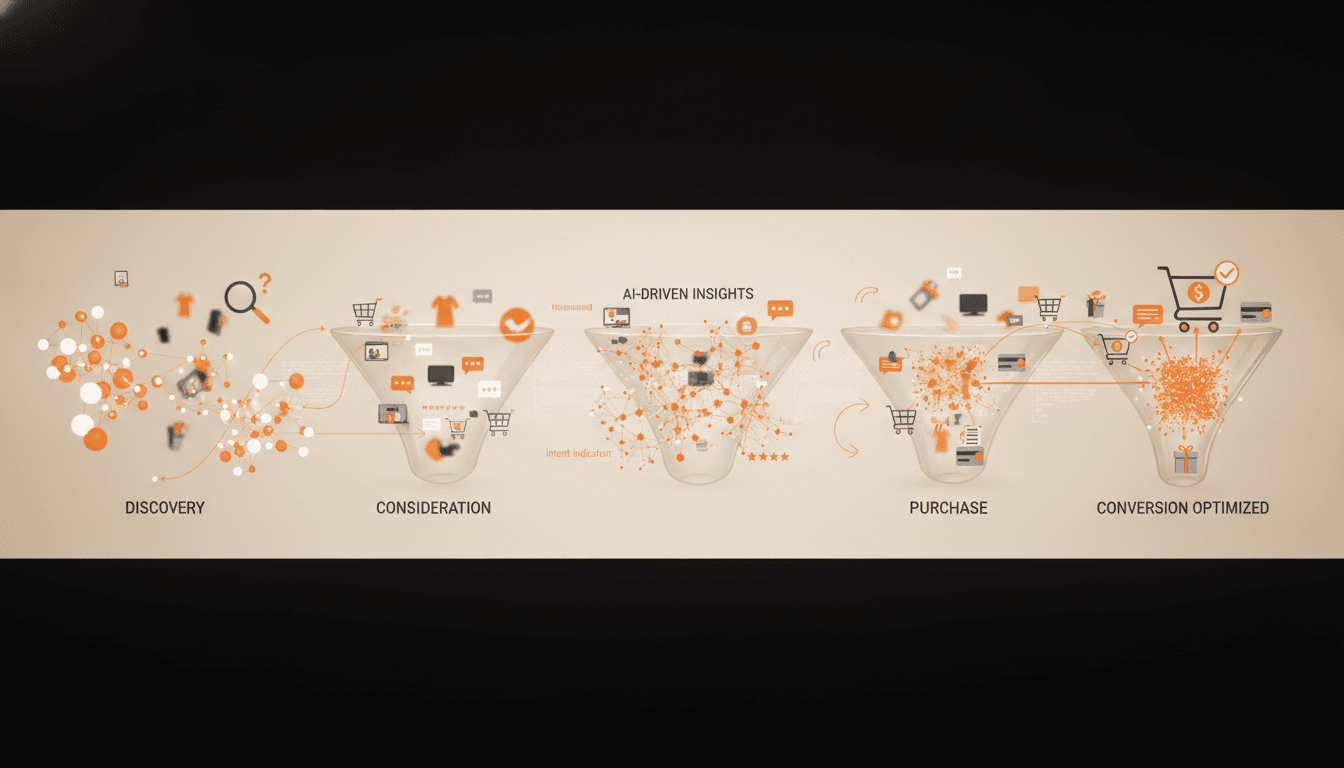
[IMG: Flowchart of the fashion customer journey showing medium-intent research phase]
Why Medium-Intent AI Search Matters for Fashion Brands
Optimizing for medium-intent AI search is no longer optional—it’s a strategic imperative for staying competitive. Aligning your content with research-driven queries leads to measurable improvements in visibility, engagement, and AI-powered recommendations.
Here’s how medium-intent GEO directly benefits fashion brands:
- 50% increase in AI search visibility for brands implementing medium-intent GEO strategies (Hexagon Internal Data, 2024)
- 40% higher engagement rates for brands optimizing research-phase content (Forrester, ‘AI and the Future of E-Commerce Search’)
- 3x greater likelihood of being recommended by AI shopping assistants when content includes detailed product attributes (Shopify, ‘AI Product Discovery Trends’)
AI shopping assistants rely heavily on structured data, style guides, and rich product attributes to deliver relevant recommendations. Ethan Patel, Head of AI Commerce at Shopify, explains, “Generative engines reward brands that speak the language of research-driven shoppers—clear attributes, comparisons, and rich content win the recommendation.”
This trend toward research-focused search is accelerating rapidly:
- 62% of fashion queries now start with medium-intent, research-driven questions (Google Retail Insights, 2024)
- Brands optimizing queries like “best sustainable sneakers for women” experience significantly higher engagement from AI-driven search referrals (Forrester, 2024)
Failing to address medium-intent queries risks invisibility during the most influential phase of the customer journey.
[IMG: Graph comparing AI search visibility before and after GEO implementation]
Crafting Content Strategies to Improve AI Discoverability During Research Phases
To dominate medium-intent AI search, fashion brands must create content that directly addresses research-driven questions. This calls for moving beyond basic product listings toward rich, comparison-focused, and style-oriented information.
Here’s a strategic framework for content that maximizes AI discoverability:
-
Target comparison queries:
- Develop in-depth articles and guides answering questions like “best summer dresses vs. maxi dresses,” or “leather vs. vegan leather jackets.”
- Use comparison tables and side-by-side feature breakdowns to help AI engines deliver clear, concise answers.
-
Incorporate style and trend-based queries:
- Publish seasonal trend reports, “how to style” guides, and interactive lookbooks.
- Examples include “How to style white sneakers for spring” or “Top streetwear trends for 2024.”
-
Focus on attribute-based queries:
- Highlight specific materials (organic cotton, recycled polyester), fit types (slim, relaxed), sustainability credentials, care instructions, and occasion suitability (wedding guest, business casual).
- Employ precise, shopper-friendly language that mirrors conversational queries used with AI assistants.
-
Leverage diverse content formats:
- Style guides and interactive lookbooks
- Detailed comparison articles
- FAQs addressing common research-phase questions
- Product descriptions enriched with attribute highlights
Pro tip:
Generative AI engines prioritize content that is clear, well-structured, and answers nuanced shopper questions comprehensively. Brands providing thorough, research-oriented content become the default recommendation for AI-powered shopping assistants.
[IMG: Example of a fashion brand comparison guide with clear attribute columns]
Best Practices for Structuring Product Descriptions and Feeds for AI Readability
AI-powered search engines and assistants depend on structured, attribute-rich data to accurately understand and recommend fashion products. Crafting well-organized product descriptions and feeds is critical for maximizing AI readability and discoverability.
Follow these best practices to optimize product content for AI:
-
Use clear, descriptive language:
- Emphasize core attributes like fabric, fit, color, occasion, and care instructions.
- Avoid jargon; instead, use terms shoppers naturally use in conversational queries.
-
Structure product feeds with standardized attribute fields:
- Include consistent fields for material, size range, fit, color, style, and key features for every product.
- This uniformity enables AI to parse and compare products effectively.
-
Regularly update product data:
- Reflect inventory changes, new arrivals, and seasonal trends in your feed.
- AI engines prioritize freshness and update frequency, which directly influence ranking and recommendation likelihood (Bloomreach, 2024).
-
Incorporate natural language:
- Write product descriptions as if answering shopper questions: “Is this blazer machine washable?” or “What makes this denim jacket sustainable?”
- Align phrasing with how AI shopping assistants interpret user queries.
Linda Chou, VP Product at Hexagon, sums it up: “With the rise of AI-powered discovery, fashion brands must treat their product feeds like SEO gold—structured, enriched, and always up-to-date.”
[IMG: Screenshot of a structured product feed with attribute fields highlighted]
Leveraging Schema Markup, Enriched Metadata, and Frequent Updates in GEO
Schema markup and enriched metadata lay the groundwork for making product catalogs AI-readable and easily indexable. They provide essential context that helps generative search engines and AI assistants surface your products in response to research-driven queries.
Important schema markup types for fashion e-commerce include:
- Product: Organizes data around product names, images, attributes, and descriptions.
- Review: Marks up customer reviews and ratings to build credibility and trust.
- Offer: Details pricing, availability, and promotions.
Enriched metadata—such as keywords, style tags, and attribute descriptors—enhances AI comprehension and boosts recommendation rates. Detailed metadata empowers AI engines to match your products to nuanced shopper queries accurately.
Frequent updates are equally vital. Generative AI search engines now weigh content freshness and update frequency heavily when ranking and recommending products (Bloomreach, 2024). Brands that consistently refresh feeds with new arrivals, updated attributes, and seasonal changes maintain higher AI visibility and trust.
Pro tip:
Implementing robust schema markup and keeping metadata up-to-date form the backbone of any successful GEO strategy.
[IMG: Visual diagram of schema markup types applied to a fashion product page]
The Impact of Customer Reviews and User-Generated Content on AI Search Performance
Customer reviews and user-generated content (UGC) are invaluable assets for enhancing AI-driven search. Incorporating authentic reviews into product feeds introduces varied, shopper-centric language that AI engines use to assess product quality, fit, and user experience.
Here’s how reviews and UGC elevate AI discoverability:
-
Rich, natural language:
- Reviews contribute diverse vocabulary and real-world context, mirroring how shoppers phrase their queries.
- This improves AI’s ability to match products with conversational searches.
-
Trust signals:
- Reviews and UGC serve as strong trust indicators to AI algorithms, boosting brand authority and recommendation likelihood.
- Ravi Singh, Chief Content Officer at Bazaarvoice, highlights, “Harnessing user-generated content and reviews isn’t just about trust—it’s a direct pipeline to higher AI search rankings.”
-
Practical tips:
- Encourage customers to leave detailed, attribute-focused reviews (“Runs true to size,” “Perfect for summer weddings”).
- Feature UGC prominently in product feeds and tag it with structured metadata.
According to Bazaarvoice, fashion brands that integrate customer reviews and UGC into their product feeds see a 28% increase in AI search referrals (Shopper Experience Index, 2024).
[IMG: Example of a product page highlighting customer reviews and UGC photos]
How Hexagon’s AI Platform Streamlines Medium-Intent Fashion GEO
Hexagon’s AI platform is designed specifically to help fashion brands excel in medium-intent generative engine optimization. It automates and enhances every key aspect of the GEO workflow—from product feed optimization to schema markup and content enrichment.
Here’s what Hexagon delivers:
-
Automated product feed optimization:
- Ensures every product is accurately structured, richly attributed, and continuously updated to meet AI standards.
- Brands using Hexagon report a 35% faster time-to-index in generative engines (Hexagon Case Studies, 2024).
-
Schema markup and enriched metadata:
- Automatically applies relevant schema types (Product, Review, Offer) to product pages and feeds.
- Boosts AI understanding, indexing accuracy, and recommendation precision.
-
Content enrichment and natural language alignment:
- Analyzes and rewrites product descriptions to enhance attribute richness and conversational tone.
- Seamlessly integrates style guides, comparison content, and UGC.
-
Real-world benefits:
- Improved AI search rankings and visibility
- Increased engagement and conversion rates
- Smooth integration with AI shopping assistants and generative engines
Hexagon’s platform keeps brands aligned with evolving AI trends and requirements. As generative engines advance, Hexagon automates updates and surfaces actionable insights to ensure ongoing GEO success.
Ready to experience these benefits firsthand? Book your personalized strategy session with Hexagon’s AI experts now.
[IMG: Dashboard view of Hexagon’s AI platform with GEO analytics for a fashion brand]
Tactical GEO Checklist for Fashion E-commerce Managers
Executing an effective GEO strategy for medium-intent AI search requires a disciplined, tactical approach. Here’s a practical checklist for fashion e-commerce managers:
-
Audit existing product content and metadata:
- Verify all listings are structured, descriptive, and optimized for AI readability.
-
Implement medium-intent keyword and query targeting:
- Align content, guides, and product descriptions with research-driven shopper queries.
-
Optimize product feeds:
- Use standardized attribute fields and apply comprehensive schema markup.
-
Incorporate and highlight customer reviews and UGC:
- Collect, tag, and prominently display authentic reviews and photos within product feeds.
-
Leverage Hexagon’s platform:
- Automate product feed optimization, schema markup, and content enrichment.
- Monitor GEO performance and adapt swiftly to evolving AI trends.
-
Regularly update content and product data:
- Keep feeds fresh with new arrivals, updated attributes, and seasonal changes.
By rigorously following this checklist, fashion brands ensure continued discoverability and influence throughout every phase of the AI-powered customer journey.
Accelerate your GEO strategy—schedule your 30-minute session with Hexagon’s AI experts today.
[IMG: Checklist graphic showing GEO optimization steps for fashion brands]
Conclusion: Secure Your Place in the AI-Driven Fashion Future
Medium-intent AI search is the new frontline where fashion brands compete to win the attention—and loyalty—of research-driven shoppers. With 62% of fashion-related queries now falling into this research category and AI shopping assistants favoring brands with structured, enriched content, the case for GEO has never been stronger.
Brands that act decisively today will reap higher visibility, engagement, and conversion rates. Meanwhile, those who delay risk fading into irrelevance in the rapidly evolving AI retail landscape. As Linda Chou of Hexagon reminds us, “With the rise of AI-powered discovery, fashion brands must treat their product feeds like SEO gold—structured, enriched, and always up-to-date.”
Ready to lead the next wave of AI-powered fashion? Book your strategy session with Hexagon and unlock the full potential of medium-intent GEO.
[IMG: Fashion brand team meeting with AI strategy dashboard on display]
Want more insights on AI-driven fashion marketing? Subscribe to Hexagon’s newsletter for monthly GEO strategies and industry trends.
Hexagon Team
Published April 12, 2026