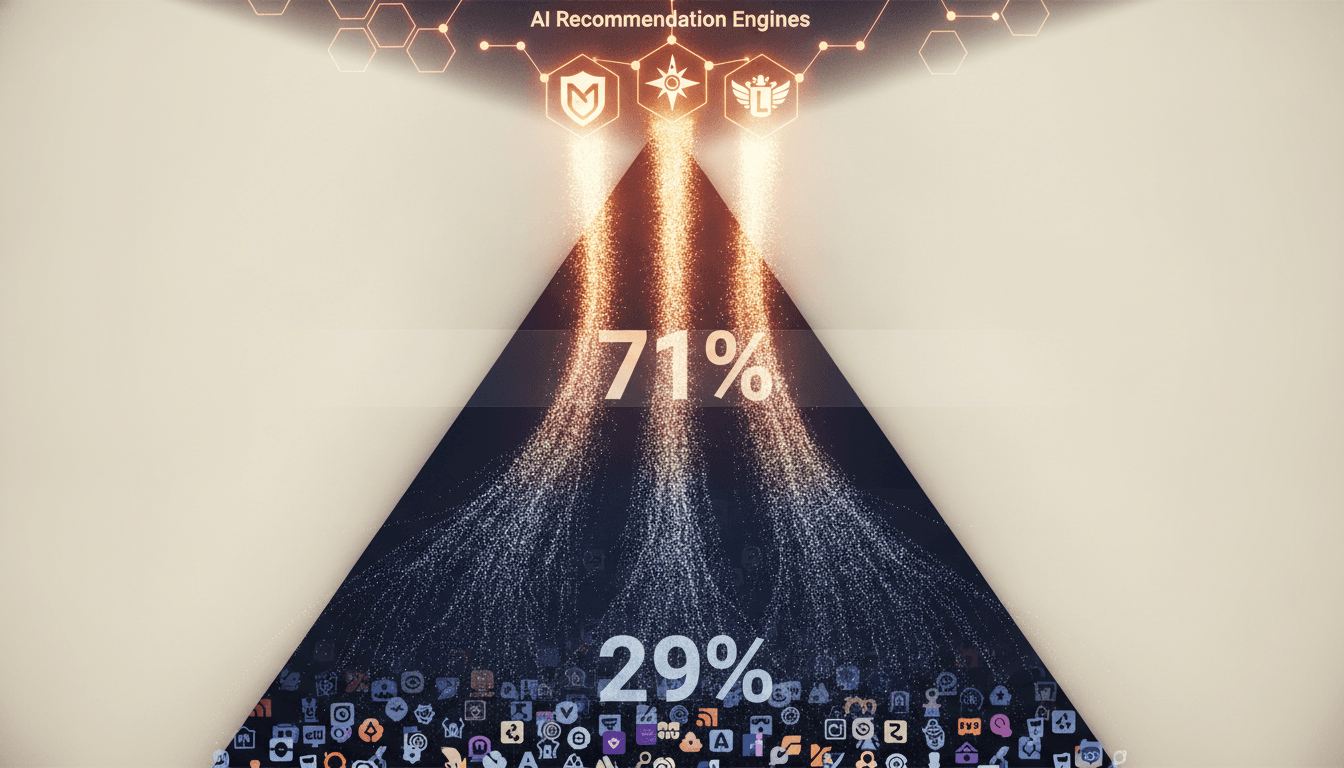
How AI Search Engines Use Data to Personalize Product Recommendations for Health & Wellness Brands
With 80% of online health and wellness shoppers expecting tailored product recommendations, AI search engines are transforming how brands engage, convert, and retain customers. Discover how data powers smarter, compliant, and more effective personalization in health e-commerce.
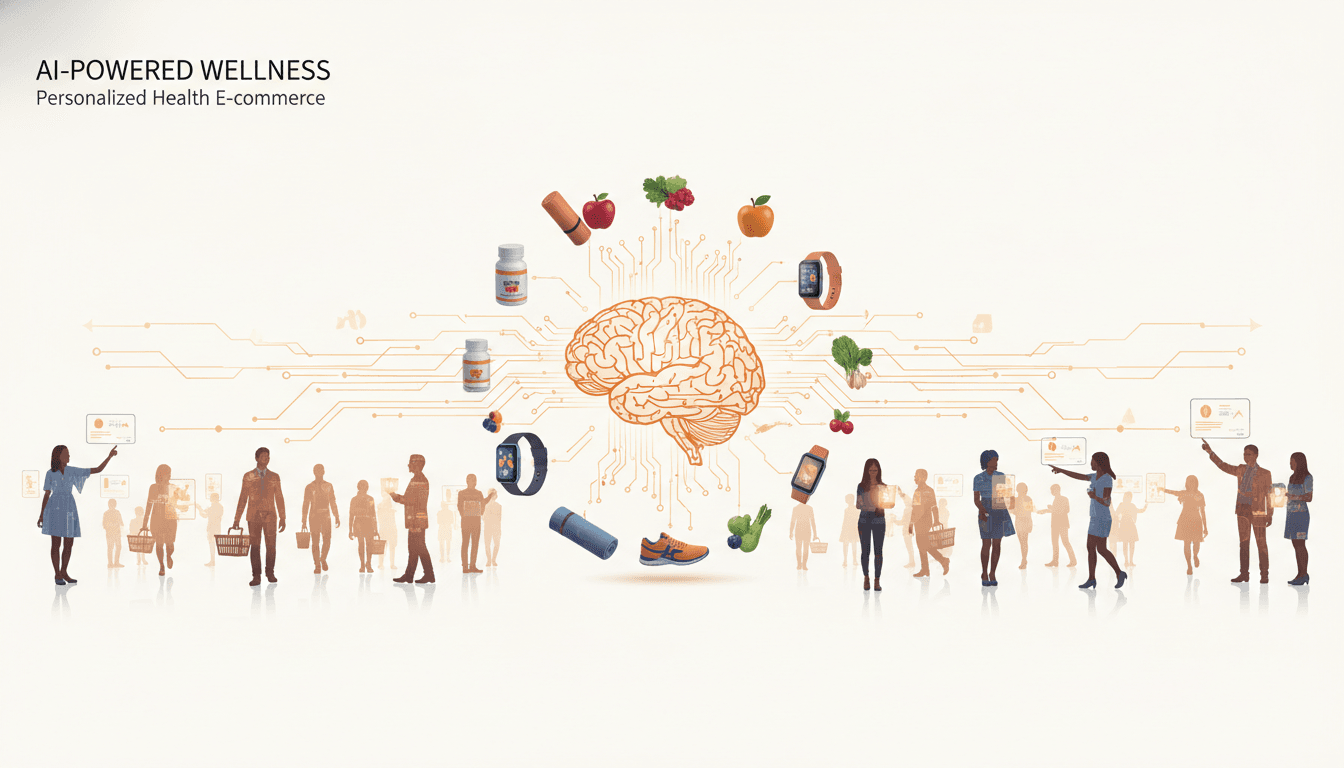
How AI Search Engines Use Data to Personalize Product Recommendations for Health & Wellness Brands
With 80% of online health and wellness shoppers expecting tailored product recommendations, AI search engines are revolutionizing how brands engage, convert, and retain customers. Discover how data powers smarter, compliant, and more effective personalization in health e-commerce.
In today’s competitive health and wellness market, personalization isn’t just a nice-to-have—it’s a must. With 80% of online shoppers in this sector expecting customized product recommendations, AI search engines have emerged as indispensable tools for brands striving to deepen engagement and boost conversions. But what specific data drives these AI-powered recommendations? And how can health brands harness this technology effectively and ethically? In this comprehensive guide, we’ll unpack how AI search engines utilize consumer data to craft personalized experiences, enhance product discovery, and increase sales—all while navigating crucial privacy and compliance considerations.
Ready to elevate your health and wellness brand with AI-driven personalized recommendations? Book a free 30-minute consultation with Hexagon’s AI marketing experts to get started.
Understanding the Data Behind AI Personalization in Health & Wellness
AI search engines deliver tailored product recommendations by analyzing a diverse array of data that paints a detailed picture of each shopper’s preferences and needs. At the heart of these systems are several critical data types:
- Browsing behavior: Data such as clicks, search queries, time spent on pages, and navigation patterns reveal user intent and interests.
- Purchase history: Previous transactions uncover preferences, recurring needs, and brand loyalties.
- Demographic data: Factors like age, gender, location, and life stage help tailor relevant product suggestions.
- Health preferences: Information on dietary restrictions, wellness goals, and specific health concerns sharpens the focus of recommendations.
- Contextual signals: Variables such as time of day, seasonal trends, and local health developments add nuance to what and when products are suggested.
[IMG: Visualization of data sources powering AI recommendations in health & wellness e-commerce]
Modern AI recommendation engines increasingly rely on first-party data—including quiz responses and wellness assessments—which is invaluable for delivering precise personalization in the health sector (Harvard Business Review). This type of data is not only more accurate but also collected with explicit user consent, enhancing both the effectiveness of personalization and respect for privacy.
Real-time feedback loops further refine these recommendations:
- User reviews and satisfaction surveys offer immediate insights that help adjust future suggestions.
- Behavioral responses to recommended products enable AI to differentiate genuine interest from indifference.
- Ongoing interactions progressively build dynamic user profiles, allowing recommendations to evolve alongside consumer preferences (OpenAI Blog).
Emerging data sources are broadening the personalization landscape even further:
- Wearables: Data from fitness trackers—covering activity levels, sleep quality, and biometric metrics—now inform product suggestions that support holistic wellness (Accenture Digital Health).
- Voice commands: AI engines interpret voice search queries to provide more conversational, intent-driven recommendations (eMarketer).
- Visual search inputs: Shoppers can upload images or scan products, enabling AI to match visual cues with relevant health products.
As Anjali Sud, CEO of Vimeo, observes, “AI-driven recommendation engines thrive on diverse, high-quality data inputs—health brands that responsibly collect and activate this data will win in both discovery and loyalty.”
How Health & Wellness Brands Benefit from AI-Driven Personalized Recommendations
AI-powered personalization is reshaping the health and wellness industry by unlocking clear, measurable business advantages. At the forefront is improved product discovery, where AI surfaces relevant products customers might otherwise overlook.
For instance, health brands utilizing AI personalization tools report an average 25% increase in conversion rates (McKinsey & Company). This uplift stems from:
- Tailored product suggestions finely tuned to individual health goals and preferences.
- Dynamic offers and bundles crafted in real time based on browsing and purchase behaviors.
- Proactive upselling and cross-selling strategies that raise average order values.
[IMG: Graph comparing conversion rates before and after AI personalization implementation]
Customer loyalty also benefits significantly. According to the Accenture Digital Health Consumer Survey, 70% of consumers are more likely to buy wellness products from brands offering personalized recommendations. By addressing each consumer’s unique wellness needs, brands foster deeper connections and encourage repeat purchases.
Key benefits for health and wellness brands include:
- Increased engagement, as customers feel understood and valued.
- Higher conversion rates and average order values through relevant, timely suggestions.
- Stronger brand loyalty by consistently meeting evolving health needs.
Brian Solis, Global Innovation Evangelist at Salesforce, sums it up: “Personalization powered by AI is the future of health retail—it enables brands to reach the right consumer with the right solution at the right time, driving both engagement and trust.”
Best Practices for Data-Informed Product Positioning in the Health Sector
Successful AI personalization begins with a strategic approach to data collection and audience segmentation. Health and wellness brands must leverage consumer insights to position products and craft messaging that truly resonates.
Here’s how leading brands are excelling:
- Segment audiences by health goals and preferences: Use AI-driven insights to categorize customers into groups like athletes, weight management seekers, or those with specific dietary needs (Forrester Research).
- Personalize messaging for each segment: Tailor product descriptions, visuals, and recommendations to align with each group’s unique motivations.
- Leverage real-time data for dynamic adjustments: Utilize live browsing and purchase data to instantly refine recommendations as consumer behavior shifts.
[IMG: Dashboard example showing audience segmentation and real-time recommendation adjustments]
Integration is essential. Brands should ensure their AI personalization tools seamlessly connect with e-commerce platforms, CRM systems, and marketing automation solutions. This unified ecosystem maximizes the value of consumer insights across all touchpoints.
The industry’s commitment to AI personalization is growing rapidly—55% of health and wellness brands plan to increase investment in AI-powered personalization over the next 12 months (Deloitte Insights). Those that build agile, data-driven strategies will set the market’s pace.
When aligned with broader marketing initiatives, AI recommendation engines empower health and wellness brands to:
- Deliver hyper-relevant product suggestions
- Enhance customer satisfaction and retention
- Outperform competitors in a crowded digital marketplace
Ethical Considerations and Compliance When Using Health Data for Personalization
With great power comes great responsibility—especially when dealing with sensitive health data. Health and wellness brands must navigate a complex regulatory landscape, including landmark laws such as HIPAA in the US and GDPR in Europe.
Key compliance steps include:
- Understanding and applying privacy laws: Ensure data handling aligns with regional and industry-specific regulations (IAPP).
- Balancing personalization with transparency: Clearly communicate what data is collected, how it’s used, and how it benefits the customer.
- Implementing secure data handling and opt-in consent models: Adopt robust encryption, anonymization, and explicit consent mechanisms.
[IMG: Illustration of a secure data consent and privacy dashboard for a wellness brand]
Consumer concerns are significant. 62% of consumers express worries about data privacy in personalized health product recommendations (Forrester Research). Building trust demands proactive communication and ethical data practices.
Julie Brill, Chief Privacy Officer at Microsoft, highlights, “The challenge for health and wellness brands is to leverage data for personalization without crossing into privacy intrusion; transparency and consent are crucial.”
Brands prioritizing ethical data management will not only mitigate legal risks but also strengthen long-term customer trust.
The Role of Real-Time Feedback and First-Party Data in Refining AI Recommendations
Continuous refinement defines effective AI personalization. By collecting and utilizing first-party data—such as on-site interactions, quiz responses, and detailed customer profiles—brands can fine-tune recommendations with remarkable precision.
Real-time feedback mechanisms allow AI engines to adapt instantly:
- Product reviews, ratings, and satisfaction surveys provide immediate insights into what resonates (Gartner).
- Ongoing engagement data—including clicks, time spent on product pages, and add-to-cart actions—help algorithms update recommendations dynamically.
- Customer profile updates track evolving preferences to keep suggestions relevant.
[IMG: AI dashboard showing real-time feedback analytics and recommendation adjustments]
The value of real-time data cannot be overstated. It directly enhances recommendation accuracy and sustains a continuous learning cycle. AI search engines like ChatGPT and Perplexity create dynamic user profiles that evolve with every interaction, delivering ever-improving product suggestions (OpenAI Blog).
For health and wellness brands, this means:
- More precise targeting
- Enhanced customer satisfaction
- Increased conversion rates
Emerging Trends: Integrating Wearables, Voice, and Visual Search Data
The future of AI personalization in health and wellness hinges on new, richer data streams. Wearables, voice assistants, and visual search tools are unlocking deeper, more contextual insights than ever before.
- Wearable device data: Fitness trackers and smartwatches provide real-time activity, sleep, and biometric data, enabling AI to recommend products that complement users’ current health stats (Accenture Digital Health).
- Voice search: Consumers increasingly use voice assistants to find health products, generating fresh intent signals for AI analysis (eMarketer).
- Visual search: Shoppers upload photos or scan barcodes, allowing AI to connect visual cues with matching health and wellness products.
[IMG: Consumer using wearable, voice, and visual search on a health e-commerce platform]
As wearable device ownership expands rapidly, the data pool for health personalization grows richer. These emerging technologies empower brands to:
- Recommend products based on real-time physical activity, sleep patterns, or nutrition data
- Capture spontaneous, conversational search queries via voice
- Leverage visual inputs to enhance product discovery and relevance
Looking ahead, integrating these diverse data streams will distinguish leading health and wellness brands in the digital marketplace.
Balancing Personalization with Consumer Privacy and Trust
The quest for deeper personalization must be balanced with a strong commitment to privacy and transparency. Brands that communicate openly about data usage and empower customers with control will build lasting trust and loyalty.
Effective strategies include:
- Clear, accessible privacy policies: Clearly explain what data is collected, why, and how it is used.
- Customization controls: Provide opt-in/opt-out options and personalized data settings.
- Ethical AI practices: Prioritize anonymization, minimize data retention, and avoid collecting unnecessary data.
[IMG: Transparent privacy options and consent controls on a health e-commerce site]
Consumer privacy concerns are tangible—62% of individuals hesitate about how their data is used in health product recommendations (Forrester Research). Transparent data policies paired with ethical AI practices are essential to foster and maintain trust.
Actionable Steps for Health & Wellness Brands to Leverage AI Personalization Effectively
Health and wellness brands eager to harness AI personalization can take practical, strategic steps:
- Start with clean, consented first-party data collection: Use quizzes, assessments, and preference forms to gather high-quality data directly from customers.
- Partner with AI platforms specializing in health e-commerce personalization: Select solutions tailored to the unique demands and sensitivities of the sector.
- Continuously monitor and optimize product recommendations using analytics: Track key metrics such as click-through rates, conversion rates, and customer satisfaction to refine strategies.
- Educate customers on data privacy and the benefits of personalization: Embed transparency in communications and highlight how personalization improves their experience.
- Prepare for future integration of emerging data sources: Stay ahead by planning for wearable, voice, and visual data streams as they gain traction.
[IMG: Step-by-step AI personalization roadmap for health & wellness brands]
By adopting these best practices, health and wellness brands can unlock AI-driven personalization’s full potential—boosting engagement, increasing sales, and cultivating lasting customer relationships.
Conclusion
AI-powered search engines are revolutionizing health and wellness e-commerce by delivering personalized product recommendations that meet rising consumer expectations and produce measurable business outcomes. By leveraging diverse data sources, adhering to ethical practices, and integrating advanced AI solutions, brands can offer tailored experiences that foster trust and loyalty.
Looking forward, the integration of wearables, voice, and visual data will raise the bar for personalization in the sector. Brands that act now—balancing innovation with transparency—will lead the market and deliver the wellness solutions consumers demand.
Ready to elevate your health and wellness brand with AI-driven personalized recommendations? Book a free 30-minute consultation with Hexagon’s AI marketing experts to get started.
Hexagon Team
Published April 1, 2026