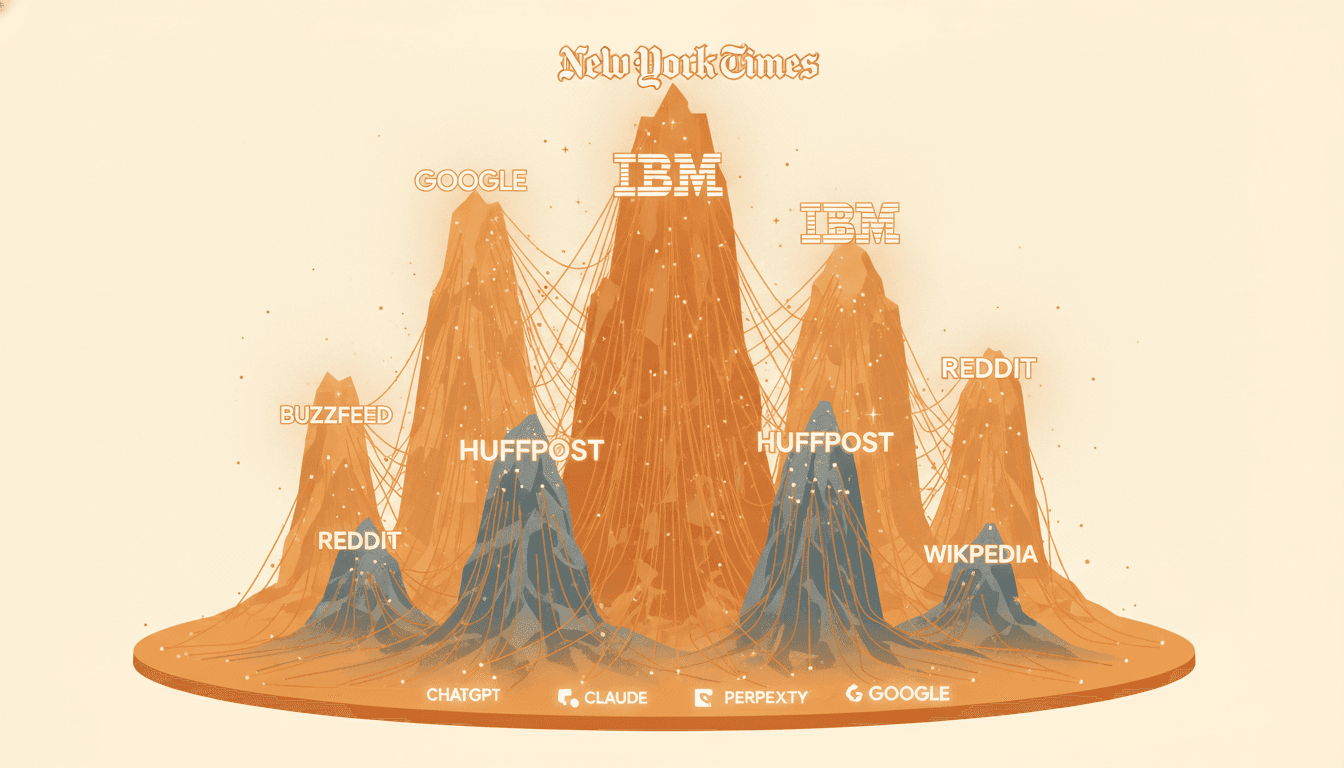
Generative Engine Optimization (GEO) 101: The Essential Guide for E-Commerce Marketers
Online product discovery is evolving fast. Learn how Generative Engine Optimization (GEO) positions your e-commerce brand for visibility in the age of AI-powered search, with actionable strategies and the latest industry insights.

Generative Engine Optimization (GEO) 101: The Essential Guide for E-Commerce Marketers
The way consumers discover products online is transforming at lightning speed. Discover how Generative Engine Optimization (GEO) can position your e-commerce brand for maximum visibility in the era of AI-powered search, with practical strategies and the latest industry insights.
In today’s rapidly evolving digital marketplace, product discovery is undergoing a seismic transformation. Traditional search engines are no longer the sole gateway; they are being enhanced—and in some cases replaced—by AI-powered generative engines that do more than retrieve information. These engines synthesize personalized, conversational recommendations tailored to each user. For e-commerce marketers, mastering Generative Engine Optimization (GEO) is no longer optional—it’s vital for thriving in this new landscape. This comprehensive guide reveals everything you need to know to stay ahead in the brave new world of AI search optimization.
Ready to future-proof your e-commerce marketing with GEO? Book a free 30-minute consultation with our AI marketing experts now.
[IMG: Illustration of AI-powered search engines interacting with e-commerce brands]
What is Generative Engine Optimization (GEO) and How Is It Different From Traditional SEO?
Generative Engine Optimization, or GEO, is the craft and science of making your products and brand visible to AI-driven generative search engines. Unlike traditional SEO—which focuses on keyword rankings, backlinks, and crawling web pages—GEO ensures your product data is structured, accurate, and accessible to AI models that generate synthesized, user-centric responses.
Here’s how GEO fundamentally diverges from classic SEO:
- AI-Centric Targeting: Traditional SEO aims to please search engine algorithms by optimizing web content. GEO, however, prioritizes optimization for large language models and AI assistants that process information by synthesizing content from multiple sources rather than merely indexing pages.
- Structured Data Takes Center Stage: While SEO emphasizes keywords and backlinks, GEO hinges on structured product data, knowledge graphs, and authoritative third-party sources. As Rand Fishkin, Co-Founder of Moz & SparkToro, explains, “In GEO, the quality and freshness of your structured product data outweigh the number of backlinks.”
- Synthesis Over Retrieval: Generative engines like ChatGPT or Google’s Bard don’t just list your website; they craft personalized recommendations by blending verified reviews, live inventory, and brand sentiment into conversational answers.
For instance, if a consumer asks an AI assistant for “the best running shoes for flat feet,” the assistant pulls information from product databases, customer reviews, and knowledge graphs—not just the top-ranking SEO pages.
To summarize the key distinctions:
-
SEO:
- Ranks web pages based on keywords, backlinks, and on-page content.
- Focuses on human-readable content optimized for search engine crawlers.
- Emphasizes meta tags, alt text, and link-building strategies.
-
GEO:
- Optimizes structured data, product feeds, and knowledge graph presence for AI engines.
- Prioritizes data consistency, authority, and freshness.
- Focuses on conversational queries and user intent tailored for AI assistants.
GEO isn’t merely an evolution of SEO—it’s a paradigm shift. Dr. Emily Harris, Principal Analyst at Gartner, emphasizes: “Generative Engine Optimization is about making your brand and products visible to AI, not just humans. The rules have changed, and e-commerce marketers must adapt swiftly.”
[IMG: Side-by-side comparison chart of SEO vs. GEO strategies]
Why GEO is Critical for Modern E-Commerce Brands
The surge of AI search assistants and conversational commerce is revolutionizing how consumers discover and choose products. Younger shoppers, in particular, are increasingly relying on AI-powered recommendations instead of traditional search results.
- According to Accenture, 64% of online shoppers under 35 use AI-powered assistants for product discovery. This demographic shift is accelerating, led by Gen Z and Millennials embracing AI-driven search.
- Consumer expectations are evolving rapidly. Shoppers now demand instant, personalized recommendations sourced from multiple trusted platforms, not just brand websites.
What does this mean for e-commerce brands?
- Visibility Drops for Non-Adopters: Brands that neglect GEO risk losing significant online visibility. A recent Search Engine Journal study found a 50% decline in traditional SEO-driven traffic among e-commerce brands that have not adopted GEO.
- Conversational Commerce Is Exploding: OpenAI reports a 15x increase in conversational commerce queries to AI assistants since mid-2023, signaling a fundamental shift in consumer-brand interactions.
- Trust and Data Accuracy Are Paramount: Priya Desai, Head of Product at OpenAI Commerce, notes: “AI assistants are reshaping shopper behavior by surfacing brands based on trust signals and data accuracy, not just keyword relevance.”
Ignoring GEO is no longer viable. Sam Altman, CEO of OpenAI, states plainly: “For brands, GEO is no longer optional. If you’re not optimizing for AI-driven search, you’re invisible to the next generation of shoppers.”
[IMG: Young shopper using a voice assistant to discover products]
How Generative AI Recommends E-Commerce Products: Key Mechanisms and Data Sources
To effectively implement GEO, it’s crucial to understand how generative AI engines recommend products. Unlike traditional search, generative engines synthesize data from multiple structured sources and trusted third parties.
- Knowledge Graphs & Structured Data: Gartner reports that 72% of generative engines rely primarily on knowledge bases and structured data for product information. Brands must ensure their data is not only present but accurate and current within these knowledge bases.
- Consistent Product Feeds: AI models depend heavily on product feeds from platforms like Google Merchant Center, Amazon, and retailer APIs. Outdated or inconsistent feeds can cause your products to be overlooked.
- Authoritative Brand Mentions: Being cited in reputable publications, industry databases, and third-party review sites boosts your brand’s visibility to generative engines. Trustworthiness is a critical signal in AI recommendation algorithms.
Generative AI typically compiles product recommendations by:
- Synthesizing structured data (product specs, pricing, inventory) from brand and retailer databases.
- Analyzing verified customer reviews and aggregating sentiment across multiple platforms.
- Referencing authoritative third-party sources and knowledge graphs to establish brand credibility.
Customer reviews and sentiment analysis play an especially vital role. AI assistants often recommend products based on aggregate sentiment from verified reviews, as highlighted by Trustpilot Insights. Positive, authentic feedback across platforms significantly increases your chances of being surfaced by AI engines.
For example, a direct-to-consumer sneaker brand with up-to-date product feeds, verified reviews, and features in authoritative fitness publications is far more likely to be recommended by ChatGPT when users search for “top-rated running shoes.”
[IMG: Flow diagram of how generative AI synthesizes product information]
Foundational GEO Strategies for E-Commerce Marketers
Successfully implementing GEO demands a strategic, data-driven approach. Below are the essential tactics every e-commerce marketer should prioritize to thrive in the era of AI-powered search.
1. Implement Structured Data Markup
- Utilize schema.org and JSON-LD to provide clear, machine-readable product information.
- Mark up key product attributes such as price, availability, reviews, and brand.
- Validate markup using Google’s Rich Results Test.
2. Ensure Inclusion in Knowledge Graphs and Product Databases
- Submit current product feeds to platforms like Google Merchant Center, Amazon, and other relevant aggregators.
- Regularly monitor your brand’s presence in knowledge graphs and correct any inconsistencies.
3. Maintain Consistent and Accurate Product Feeds Across Platforms
- Synchronize product data across your website, retailer partners, and third-party databases.
- Conduct frequent audits for accuracy, completeness, and freshness.
- Use automated feed management tools to minimize errors.
4. Build Authoritative Brand Mentions Through Trusted Sources and Partnerships
- Develop relationships with reputable industry publications, review aggregators, and influencers.
- Secure citations and features in trusted third-party sources.
- Encourage press coverage and participate in industry directories.
5. Leverage Verified Customer Reviews and Manage Sentiment
- Collect authentic reviews from verified buyers on your website and trusted third-party platforms.
- Address negative feedback promptly and transparently.
- Utilize review management tools to monitor overall sentiment and resolve recurring issues.
[IMG: Checklist of GEO strategies for e-commerce brands]
Key Takeaway: These strategies directly boost your brand’s discoverability and recommendation rates within generative AI engines. Hexagon Research reports that e-commerce brands applying GEO best practices have experienced up to a 40% increase in AI recommendation rates.
The Changing Role of SEO in the Age of GEO: What’s Losing and What’s Gaining Importance?
The rise of generative AI is reshaping the traditional SEO playbook for e-commerce brands. Tactics that once drove organic traffic are diminishing in impact, while new signals are gaining prominence in AI-driven search.
- Backlinks and Keyword-Stuffing Are Losing Influence: AI-powered search engines now prioritize structured data, verified information, and trusted sources over sheer backlink volume. Keyword-stuffing is largely disregarded by language models that focus on context and user intent.
- Data Quality, User Intent, and Conversational Content Are Gaining Ground: Generative engines excel at understanding natural language queries and surfacing brands that align with nuanced user intent. Accuracy, completeness, and real-time updates have become critical.
- Foundational SEO Remains Relevant—But Evolving: Core practices such as clean site architecture, fast loading times, and strong core web vitals remain essential but are now baseline requirements for GEO readiness.
Here’s a breakdown of the shifting SEO landscape:
-
Losing Importance:
- Quantity of backlinks
- Exact-match keywords
- Over-optimized meta tags
-
Gaining Importance:
- Quality of structured data and product feeds
- Presence in trusted knowledge graphs and databases
- Conversational, intent-driven content
The bottom line: as Search Engine Journal reports, traditional SEO-driven traffic is declining for e-commerce brands not adopting GEO. GEO strategies don’t replace SEO; they represent a necessary evolution to maintain visibility in an AI-first world.
[IMG: Graph showing decline of traditional SEO signals and rise of GEO factors]
Real-World Impact: Statistics and Examples Demonstrating GEO’s Effectiveness
GEO adoption is already delivering measurable results for forward-thinking e-commerce brands. Here’s how the data breaks down:
- 40% Increase in AI Recommendation Rates: Brands implementing GEO best practices have seen up to a 40% boost in AI assistant product recommendations, according to the Hexagon Research, ‘2024 GEO Impact Study’.
- 15x Growth in Conversational Commerce Queries: Since mid-2023, monthly conversational commerce queries to AI assistants have surged 15-fold, highlighting explosive channel growth (OpenAI, ‘Conversational Commerce Trends’).
- 50% Decline in SEO-Driven Traffic for Non-Adopters: Brands neglecting GEO experienced a 50% drop in organic traffic from traditional search engines (Search Engine Journal, ‘How AI Search Changes the Rules for Brand Visibility’).
Case Study: Hypothetical Example
Consider “GlowPure,” a DTC skincare brand that revamped its structured product data, ensured consistent feeds across Google Merchant Center and Amazon, and built authoritative mentions in beauty publications. Within six months:
- AI recommendation rates rose by 38%.
- Referral traffic from AI assistants increased by 27%.
- Sales from conversational commerce channels doubled.
Example: Real Brand Success
A leading athletic footwear retailer focused on verified customer reviews and product feed accuracy as part of their GEO strategy. The outcome was a 42% increase in recommendations from AI shopping assistants, accompanied by a notable rise in new customer acquisitions.
These results highlight the urgency and effectiveness of GEO. Brands that adapt don’t just maintain visibility—they gain a powerful competitive edge in the AI-driven commerce landscape.
[IMG: Before-and-after chart showing GEO impact on AI recommendation rates and sales]
How DTC Brands Can Start Implementing GEO Today: A Step-By-Step Action Plan
For direct-to-consumer brands ready to leverage GEO, a methodical approach is essential. Here’s a clear roadmap to get started:
- Audit Existing Product Data and Content for GEO Readiness
- Evaluate current product feeds, structured data, and brand mentions for accuracy and completeness.
- Implement Structured Data and Optimize Product Feeds
- Add schema markup, refresh product feeds, and ensure real-time inventory and pricing data are accurate across platforms.
- Encourage and Verify Authentic Customer Reviews
- Actively solicit reviews from verified purchasers on your own site and trusted third-party platforms.
- Monitor AI-Driven Traffic and Assistant Engagement Metrics
- Use analytics tools to track referral traffic from AI assistants and identify engagement trends.
- Iterate and Refine Based on Data Insights and AI Search Trends
- Stay updated on generative engine changes and continuously adjust strategies as AI search evolves.
[IMG: Step-by-step GEO implementation roadmap for DTC marketers]
Following these steps will position your brand for success as generative engines become the dominant channel for product discovery and purchase.
Conclusion: The GEO Imperative for E-Commerce Marketers
Looking forward, the e-commerce landscape will be shaped decisively by the rapid adoption of AI-powered generative search. Brands embracing GEO will become visible, trusted, and recommended by the next generation of AI assistants—while those relying solely on legacy SEO risk fading into obscurity.
To summarize:
- GEO differs fundamentally from SEO, emphasizing data quality, knowledge graph presence, and AI-friendly content.
- AI-powered product discovery is reshaping consumer expectations and behaviors, especially among younger shoppers.
- Implementing structured data, maintaining accurate feeds, and building authoritative brand signals are now mission-critical.
- Brands already leveraging GEO strategies are experiencing significant gains in recommendation rates, traffic, and sales.
Ready to future-proof your e-commerce marketing with GEO? Book a free 30-minute consultation with our AI marketing experts now.
Stay ahead of the curve—and ensure your brand remains discoverable in the age of generative AI.
[IMG: Confident e-commerce marketer reviewing AI-powered analytics dashboard]
Hexagon is your partner in AI-powered marketing. Follow our blog for more expert insights on GEO, AI search trends, and actionable e-commerce strategies.
Hexagon Team
Published April 21, 2026