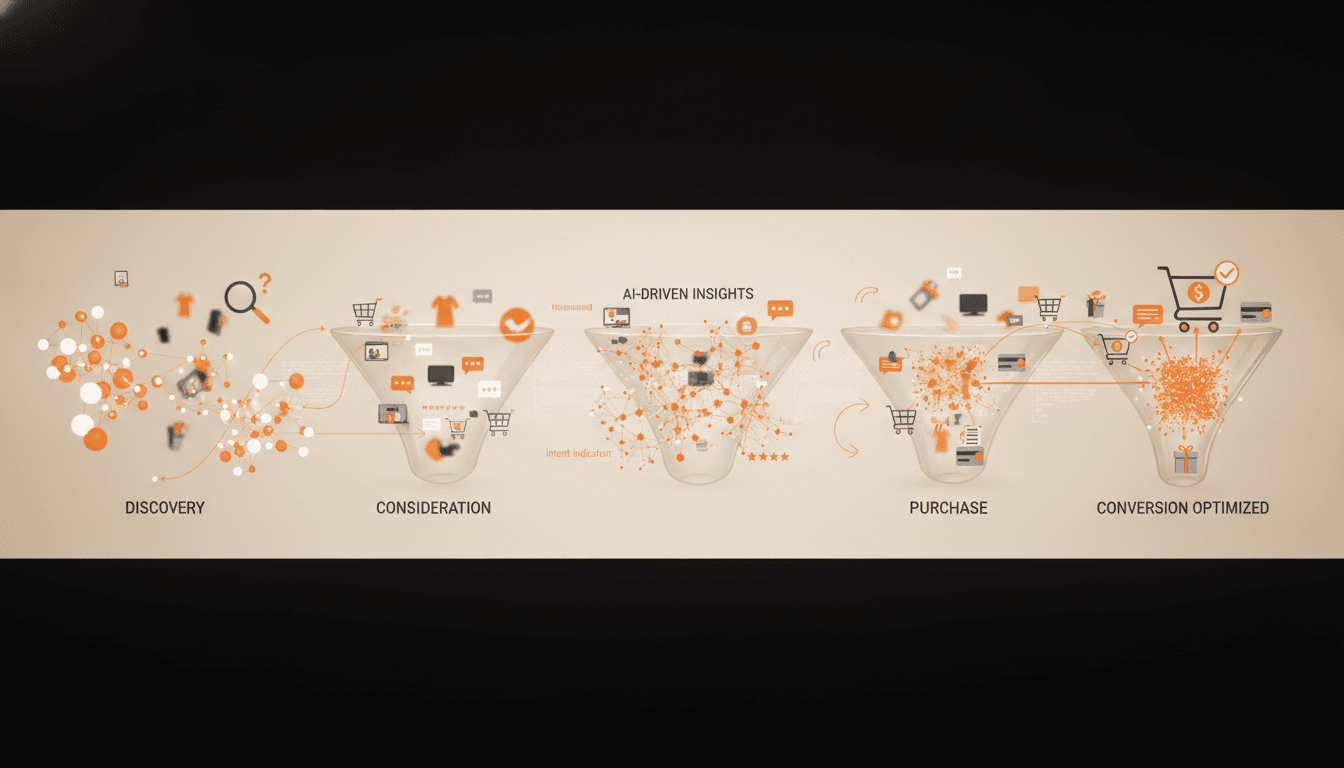
Decoding Medium-Intent AI Shopper Behavior: Essential Insights for Beauty E-Commerce Marketers
As AI-powered search transforms beauty e-commerce, medium-intent shoppers emerge as the largest and most influential segment. Discover how brands can decode their behavior, leverage GEO insights, and implement actionable content and SEO strategies to win conversions and maximize AI recommendations.

Decoding Medium-Intent AI Shopper Behavior: Essential Insights for Beauty E-Commerce Marketers
As AI-powered search reshapes beauty e-commerce, medium-intent shoppers have emerged as the largest and most influential segment. Learn how brands can decode their behavior, harness GEO insights, and implement targeted content and SEO strategies to win conversions and maximize AI recommendations.
[IMG: Modern beauty shopper engaging with AI-powered product search on a mobile device]
As AI-powered search becomes the primary gateway for beauty shoppers, understanding medium-intent AI behavior is more crucial than ever for brands striving to boost engagement and conversions. Nearly half of AI-generated beauty product queries come from shoppers who are actively researching but not yet ready to buy. This critical phase in the buyer journey demands a precise and tailored marketing approach.
In this comprehensive guide, Hexagon unpacks medium-intent AI shopper behavior and reveals actionable strategies to optimize your content by leveraging GEO insights and AI search optimization. These tactics will help you capture and convert this influential audience.
Ready to elevate your beauty e-commerce strategy for medium-intent AI shoppers?
Book a free 30-minute consultation with Hexagon’s AI marketing experts today.
What Is Medium-Intent AI Shopper Behavior and Why It Matters in Beauty E-Commerce?
Medium-intent AI shopper behavior describes the research-driven actions of users interested in beauty products but not yet committed to purchasing. These shoppers fall between casual browsers (low intent) and ready-to-buy consumers (high intent). In AI search contexts, medium-intent queries typically revolve around learning, comparing, and evaluating options.
Distinguishing this segment is vital. For instance, low-intent users might search broad terms like “skincare tips,” while high-intent users enter transactional queries such as “buy retinol serum online.” Medium-intent shoppers, however, use more nuanced phrases like “best retinol serums for sensitive skin.” This group plays a pivotal role in beauty e-commerce conversion funnels.
- 45% of all AI-generated beauty product queries originate from medium-intent shoppers, making them the largest segment in AI-driven purchase journeys (Hexagon AI Shopper Insights, Q1 2024).
- These shoppers are critical to nurture because they are actively building trust and seeking clarity before committing.
- Brands that understand and prioritize this audience position themselves to capture more conversions as these shoppers progress down the funnel.
Medium-intent shoppers occupy the crucial research phase—where opinions form, preferences solidify, and brand loyalty begins. As Emily Weiss, Founder of Glossier, emphasizes:
“Medium-intent shoppers seek clarity and confidence. Brands offering transparent, comparative, and educational content are far more likely to be recommended by AI search engines and ultimately win conversions.”
[IMG: Flowchart illustrating the buyer journey with emphasis on medium intent phase]
Understanding the Queries and Content Types Medium-Intent AI Beauty Shoppers Use
Medium-intent AI shoppers craft queries that reveal their research-driven mindset. These searches are often question-based, comparative, and geo-specific, reflecting a need for detailed information rather than immediate purchases.
- Typical query formats include:
- “Best moisturizer for oily skin in [city/region]”
- “Niacinamide vs. Vitamin C serum benefits”
- “Top cruelty-free mascaras with reviews”
- “Is this sunscreen safe for sensitive skin?”
- 55% of medium-intent AI queries incorporate geo-specific elements such as climate, regional skin types, or local product availability (Google Beauty Shopping Insights, 2024).
- Shoppers seek educational guides, product comparisons, ingredient explainers, and authentic reviews.
These queries illustrate their intent clearly:
- They ask detailed questions about ingredients, effectiveness, and suitability for their unique needs.
- They compare alternatives, weighing pros and cons, user testimonials, and expert endorsements.
- Transparency and trust are paramount; third-party validation is highly valued.
This phase is less about price or checkout and more about gathering the insights needed to feel confident about a future purchase.
As Dr. Saliha Afridi, Consumer Psychologist, explains:
“AI assistants reward content that answers nuanced questions—ingredient safety, product comparisons, and real-world testimonials are critical at the consideration stage.”
[IMG: Screenshot collage of AI-generated beauty queries highlighting medium intent keywords]
Why Educational, Comparison, and Trust-Building Content Are Crucial for Medium-Intent AI Shoppers
For medium-intent shoppers, knowledge is power. Educational content bridges information gaps, while comparison guides and trust signals nudge shoppers closer to confident purchasing decisions.
- Educational content—such as ingredient explainers and step-by-step routines—empowers informed choices.
- Comparison pieces—including side-by-side product breakdowns—directly address medium-intent queries.
- Trust signals—like user reviews, expert endorsements, and testimonials—reassure shoppers and influence AI recommendations.
According to the Hexagon Beauty Brand Benchmark, 2024:
- Brands optimizing content for medium-intent users enjoy a 30% higher AI recommendation inclusion rate.
- User-generated content and expert endorsements carry substantial weight in AI search rankings.
- Medium-intent shoppers are twice as likely to convert when encountering unbiased comparisons and transparent ingredient information (McKinsey Digital Beauty Consumer Survey, 2024).
To meet these needs:
- Focus on content that answers “why” and “how”—not just “what” or “where to buy.”
- Provide clear, side-by-side product comparisons and detailed ingredient breakdowns.
- Showcase real customer experiences alongside expert advice.
Building trust during this research phase not only increases AI visibility but also lays the foundation for lasting customer loyalty.
[IMG: Example of a beauty product comparison table with expert and user reviews]
Leveraging Geo-Targeted and Localized Content to Capture Medium-Intent Beauty Shoppers
Geo-targeted content is a powerful lever for medium-intent shoppers, who frequently include location or climate details in their AI searches.
- 55% of medium-intent AI beauty queries contain geo-specific needs, such as “best sunscreen for humid climates” or “moisturizer for dry winters in Toronto” (Google Beauty Shopping Insights, 2024).
- Localized content strategies boost both relevance and AI recommendation rates among these shoppers.
- Brands that tailor product recommendations and offers regionally see significant spikes in engagement and conversion.
To integrate GEO insights effectively:
- Develop regional landing pages addressing local beauty concerns, trends, and climate-specific needs.
- Provide store locators, local promotions, and regionally relevant FAQs.
- Highlight ingredients or product attributes that resonate with local preferences.
For example, featuring “best lightweight moisturizers for Texas summers” or “top K-beauty trends in California” instantly increases content relevance.
Rohan Kapoor, Head of E-commerce at L’Oréal APAC, asserts:
“Brands ignoring geo-targeted queries or failing to localize content for AI are missing out on the fastest-growing segment in beauty e-commerce.”
[IMG: Map highlighting regional beauty trends and product preferences]
Technical SEO Best Practices to Enhance AI Search Recommendations for Medium-Intent Shoppers
A robust technical SEO foundation is essential for AI visibility. Search engines and AI assistants depend on structured data, schema markup, and site performance to deliver relevant results for medium-intent queries.
- Optimizing structured data and schema markup enables AI to accurately interpret your products, reviews, and content relationships.
- Site speed, mobile optimization, and secure protocols (HTTPS) remain critical ranking factors for AI-driven search.
- Ensuring content is discoverable and properly indexed guarantees AI assistants can surface your products effectively during the research phase.
According to Search Engine Journal, ‘AI Search & E-commerce SEO’, 2024:
- Technical SEO enhancements can reduce time-to-purchase by 18% among medium-intent shoppers using AI search.
- Product schema, FAQ markup, and regularly updated content are especially vital for beauty brands.
- Unstructured or outdated content is deprioritized by AI engines, diminishing your chances of recommendation.
To implement technical SEO for AI search:
- Apply [Product], [Review], and [FAQ] schema to structure your content.
- Optimize images and loading speeds for mobile-first experiences.
- Conduct regular audits to fix crawl errors, eliminate duplicate content, and repair broken links.
Lily Ray, Senior Director of SEO at Amsive Digital, emphasizes:
“Technical SEO is no longer optional. If your product data isn’t structured for AI, your beauty brand simply won’t appear to medium-intent shoppers.”
[IMG: Annotated screenshot of structured data and schema markup on a beauty e-commerce site]
The Impact of User-Generated Content and Expert Endorsements on AI Search Outcomes
AI algorithms prioritize trust signals when recommending beauty products to medium-intent shoppers. Authentic reviews, testimonials, and influencer endorsements significantly enhance content credibility and relevance in AI search results.
- User-generated content (UGC)—including genuine reviews, before-and-after photos, and testimonials—is highly favored in AI search (Bazaarvoice AI Shopper Study, 2024).
- Expert endorsements—from dermatologists, beauty editors, or influencers—position your brand as authoritative and trustworthy.
- Encouraging authentic UGC boosts both AI visibility and conversion rates.
Brands can capitalize by:
- Actively soliciting and prominently displaying customer reviews and ratings on product pages.
- Integrating expert quotes, certifications, and media mentions throughout their content.
- Featuring real user stories and testimonials within educational and comparison articles.
Looking forward, brands that consistently generate fresh, authentic content will remain favored by AI assistants and discerning medium-intent shoppers alike.
[IMG: Carousel of user-generated reviews and expert endorsements on a product page]
Actionable Content Strategies to Engage Medium-Intent AI Beauty Shoppers Effectively
Capturing and converting medium-intent shoppers requires a layered content strategy aligned with AI search trends and shopper expectations.
Effective engagement tactics include:
- Developing in-depth guides, how-tos, and comparison pieces tailored to research-phase shoppers.
- Leveraging GEO insights to personalize content and address local needs.
- Embedding trust elements—such as reviews, testimonials, and expert endorsements—throughout your site.
- Applying technical SEO best practices to maximize AI visibility and recommendation rates.
For example, a beauty brand could launch a “Retinol Explainer Guide” featuring dermatologist insights, side-by-side product comparisons, and location-specific advice for different skin types. Including user reviews and transparent ingredient breakdowns further builds trust and enhances AI discoverability.
Key benefits include:
- Brands optimizing for medium-intent AI search see a 22% increase in organic traffic from AI assistants (Similarweb Beauty Industry Report, 2024).
- Educational and comparative content raises the chance of inclusion in AI product recommendations by 30%.
- Personalized, GEO-targeted content drives higher engagement and shortens time-to-purchase.
Ready to transform medium-intent AI shoppers into loyal customers?
Schedule your free 30-minute AI marketing consultation with Hexagon.
[IMG: Step-by-step flowchart of an optimized content strategy for AI shopper engagement]
Case Studies: Brands Winning with Medium-Intent AI Shopper Optimization in Beauty E-Commerce
Several beauty brands have successfully engaged medium-intent AI shoppers, achieving measurable results.
Case Study 1: GlowLab Cosmetics
- Challenge: Low inclusion in AI-powered beauty recommendations.
- Strategy: Rolled out educational content, regional product guides, and robust technical SEO (schema, speed).
- Results:
- 30% higher AI recommendation inclusion rate
- 18% reduction in time-to-purchase among research-phase shoppers
- Surge in user-generated reviews post-purchase
Case Study 2: PureSkin Naturals
- Challenge: Underperformance in geo-targeted AI searches.
- Strategy: Created localized landing pages, region-specific offers, and climate-adaptive product lists.
- Results:
- 55% of medium-intent queries captured via GEO-optimized content
- Significant boost in organic traffic from AI assistants
Case Study 3: UrbanEve Beauty
- Challenge: Low trust and engagement during consideration.
- Strategy: Integrated expert endorsements, before-and-after customer photos, and comparison tables.
- Results:
- 22% increase in organic traffic from AI search
- Higher conversion rates among medium-intent shoppers
Lessons learned:
- Aligning content with medium-intent needs and AI preferences drives visibility and conversions.
- GEO insights and technical SEO are essential to maximize AI search outcomes.
- Consistent investment in user and expert-generated content keeps brands top-of-mind for AI-powered recommendations.
[IMG: Side-by-side case study infographics with traffic, recommendation, and conversion stats]
Conclusion: Winning the Medium-Intent AI Shopper
Medium-intent AI shoppers constitute the most influential—and often overlooked—segment in beauty e-commerce. By decoding their search behaviors and delivering educational, comparative, and trust-building content, brands can significantly boost AI search visibility and conversion rates.
- 45% of AI-generated queries stem from medium-intent shoppers
- Brands targeting this segment enjoy 30% higher AI recommendation rates and a 22% increase in organic traffic
- GEO-targeted and technically optimized content is vital to future-proof your beauty e-commerce strategy
Looking forward, brands investing in medium-intent shopper optimization will not only capture today’s sales but also build the loyalty and authority required to thrive in tomorrow’s AI-driven market.
Ready to unlock the full potential of medium-intent AI shoppers for your beauty brand?
Book your free consultation with Hexagon’s AI marketing experts now.
[IMG: Confident beauty marketing team reviewing AI shopper analytics dashboard]
Hexagon Team
Published April 5, 2026