Decoding AI Search Algorithms: The Hidden Factors Driving E-Commerce Brand Recommendations in 2026
In 2026, the e-commerce battlefield is dominated by AI search algorithms—complex systems that analyze intent, citations, and data quality to determine which brands rise to the top. This comprehensive guide reveals the hidden ranking factors and actionable strategies e-commerce leaders need to future-proof their brand visibility and conversions in the era of generative engine optimization (GEO).

Decoding AI Search Algorithms: The Hidden Factors Driving E-Commerce Brand Recommendations in 2026
In 2026, the e-commerce landscape is fiercely competitive, and AI search algorithms have emerged as the ultimate gatekeepers. These sophisticated systems analyze user intent, citation authority, and data quality to determine which brands rise to prominence. This comprehensive guide uncovers the hidden ranking factors and provides actionable strategies that e-commerce leaders must master to future-proof their brand visibility and boost conversions in the era of generative engine optimization (GEO).
Understanding AI Search Algorithms in E-Commerce: The 2026 Landscape
E-commerce search has transformed dramatically. By 2026, AI-powered search engines no longer rely on simple keyword matching. Instead, they interpret user intent, contextualize queries, and analyze an extensive network of data signals to deliver personalized, highly relevant brand recommendations. This shift demands a fundamentally new approach to digital visibility for e-commerce brands.
Modern AI models evaluate over 70 distinct signals—including brand authority, customer sentiment, and real-time inventory status—when generating recommendations (Hexagon AI Competitive Analysis Platform). As Dr. Priya Agarwal, Head of AI Commerce Research at MIT, explains, “AI shopping assistants have evolved beyond keyword matching; they now assess a brand’s entire digital footprint, data accuracy, and real-world reputation before making recommendations.” The message is clear: legacy SEO tactics alone are no longer sufficient.
This evolution has given rise to generative engine optimization (GEO), a new paradigm that prioritizes structured data, citation authority, and optimization for intent-driven, conversational queries. Notably, 58% of AI-driven shopping queries in 2026 are ‘brand agnostic’—focusing on product features and reviews rather than specific brand names (Gartner AI Shopping Trends). For brands, the imperative is urgent: adapt swiftly to AI-powered search or risk fading into obscurity.
[IMG: Futuristic dashboard showing AI analyzing e-commerce product data and user intent]
Ready to transform your e-commerce brand’s AI search visibility? Book a personalized 30-minute consultation with our Hexagon experts to unlock tailored generative engine optimization strategies.
Key Factors Influencing AI-Driven E-Commerce Brand Recommendations
Though AI-driven e-commerce search algorithms are complex and often opaque, several critical factors have emerged as decisive in 2026. Understanding these can help brands secure coveted spots in AI recommendations.
Citation Frequency and Authority
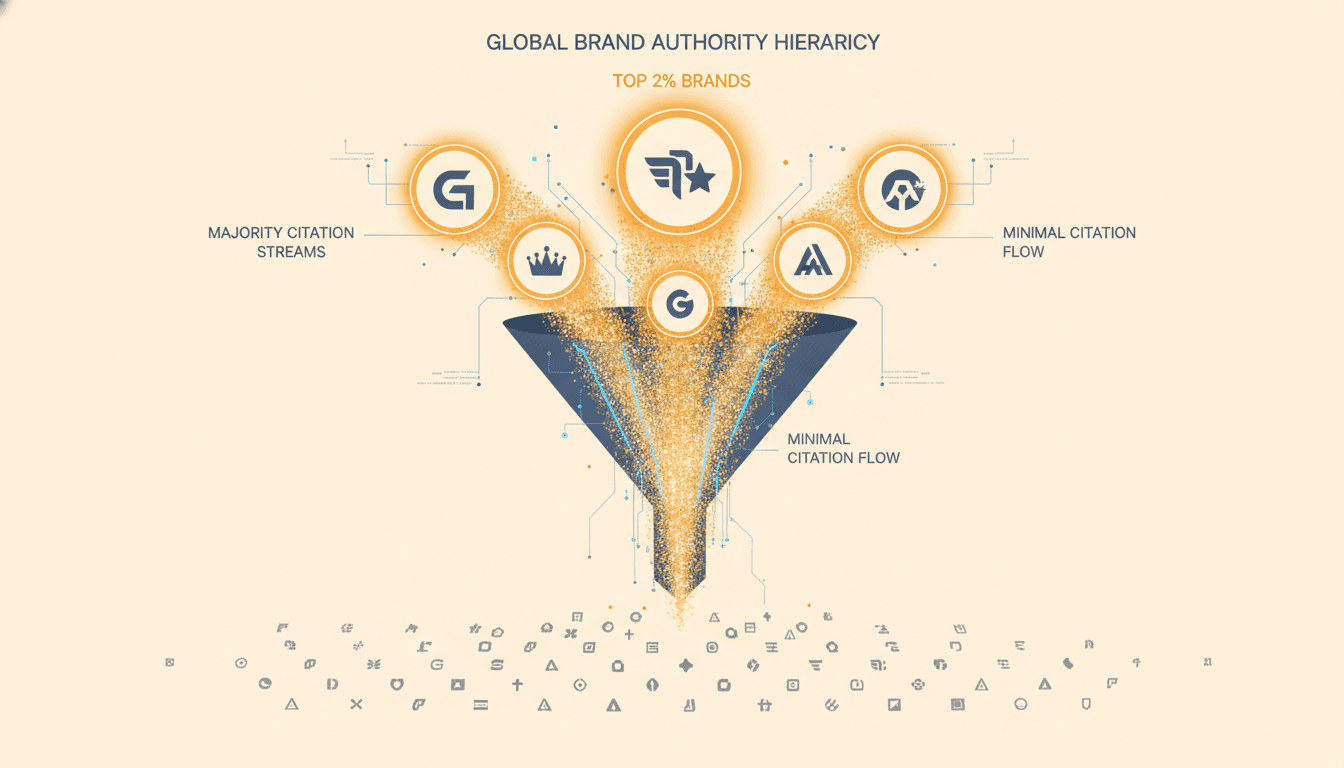
Citation frequency stands out as a dominant signal in AI-generated recommendations. Brands referenced in authoritative sources are three times more likely to be favored by AI assistants like ChatGPT and Perplexity (Hexagon Proprietary Data). In fact, 44% of AI-generated e-commerce recommendations now include at least one citation from reputable third-party review sites (Hexagon AI Citation Benchmark).
- Trusted citations from platforms such as Amazon, Trustpilot, and leading industry publications significantly elevate a brand’s visibility.
- AI search engines actively assess citation quality, filtering out references from low-authority or spammy sources.
- Brands maintaining a robust, positive citation footprint often dominate conversational, intent-driven shopping queries.
Emily Carter, Director of AI Search at Google, underscores this trend: “The future of e-commerce search is conversational, contextual, and citation-driven. Without citations from trusted sources, your brand remains invisible to the next generation of AI shoppers.”
Structured, Machine-Readable Data (Schema Markup)
Structured data is essential for AI search engines to accurately interpret product details, availability, and relevance. Products featuring up-to-date schema.org markup are 4.2 times more likely to be recommended by AI assistants (Search Engine Land Structured Data Study).
- Schema markup enables algorithms to effortlessly extract product features, pricing, and customer reviews.
- Brands with consistent and comprehensive structured data are 2.7 times more likely to appear in AI-generated shopping answers.
- Conversely, outdated or inconsistent schema markup results in missed opportunities as AI systems deprioritize incomplete data.
First-Party and Multimodal Data
AI assistants increasingly prioritize first-party data—verified product specifications, direct customer reviews, and real-time stock updates (Forrester AI Commerce Trends Report 2025). Multimodal data—images, videos, and audio reviews—now contributes up to 40% of the relevance score in AI-driven recommendations (MIT Technology Review, Multimodal AI in Commerce).
- Brands investing in rich, verifiable content outperform those relying solely on text.
- AI algorithms cross-reference product images, videos, and audio testimonials to verify authenticity and relevance.
- Consistently updated first-party data builds AI trust and boosts recommendation likelihood.
Markus Feldman, Lead Analyst at Gartner Digital Commerce, observes: “With the rise of multimodal AI, brands that invest in rich, verifiable content—images, videos, and expert reviews—consistently outperform those relying on text alone.”
User Intent Modeling and Real-Time Personalization
User intent modeling has become central to AI-driven shopping results (Google AI Shopping Innovations 2025). AI systems dynamically tailor recommendations based on subtle query context, shopping history, seasonality, and emerging trends.
- Personalization engines adapt in real-time, considering location, past purchases, and regional preferences.
- Brands aligning content with current user intent enjoy higher engagement and conversion rates.
- Real-time inventory and price adjustments further increase AI trust and recommendation likelihood.
Alicia Zhang, VP of Growth Strategy at Hexagon, notes: “Generative engine optimization is the new battleground for e-commerce visibility. Brands that structure their data and cultivate reputable citations are seeing outsized gains in AI-driven sales.”
[IMG: AI-powered shopping assistant displaying personalized product recommendations with cited sources]
Generative Engine Optimization (GEO): The New Frontier for E-Commerce Brands
Generative Engine Optimization (GEO) has become the cornerstone of e-commerce success. GEO encompasses the comprehensive practice of optimizing content, data, and brand presence specifically for generative AI search algorithms.
Why is GEO so critical in 2026? Traditional SEO metrics—like keyword rankings and basic backlinks—no longer guarantee visibility. Instead, GEO emphasizes structured data, a strong citation network, and rich multimodal content that AI can easily parse and recommend. Impressively, 62% of top e-commerce brands are actively investing in GEO strategies to shape AI-driven recommendations (Ecommerce Leaders Benchmark 2025).
GEO’s impact on performance is significant:
- Brands optimized for generative engine algorithms experience a 27% increase in conversion rates compared to those relying on traditional SEO (Ecommerce Optimization Council).
- GEO strategies enable brands to appear in conversational, “brand agnostic” queries, capturing shoppers focused on features and reviews rather than brand names.
- The resulting lift in product discovery and recommendation frequency translates directly into increased sales and market share.
Best practices for GEO include:
- Ensuring all product data is structured and machine-readable using up-to-date schema markup.
- Building and maintaining a strong citation footprint across trusted review sites and third-party platforms.
- Investing in multimodal content—high-quality images, videos, and expert reviews—to enhance brand relevance in AI scoring.
- Continuously monitoring and optimizing data feeds for accuracy and freshness.
Looking forward, GEO is poised to become a core marketing discipline. As AI search continues to evolve, only brands embracing these practices will maintain visibility and competitiveness.
Ready to see how GEO can elevate your e-commerce brand? Book your 30-minute Hexagon consultation and unlock your AI-driven growth strategy.
[IMG: Visual comparison of traditional SEO vs. GEO impact on e-commerce conversion rates]
The Power of Citation Footprint: How to Monitor and Enhance Your Brand’s Authority
In the AI-driven search ecosystem, a strong citation footprint is a key driver of brand authority and recommendation frequency. But what exactly constitutes a citation footprint, and how can e-commerce brands leverage it effectively?
Defining Citation Footprint and Its Significance
A citation footprint encompasses the quantity and quality of references to your brand or products across trusted third-party platforms. Unlike basic link-building, citations include reviews, mentions, and expert endorsements that AI systems verify and weigh within their algorithms.
- Citation frequency is a leading predictor of brand visibility in AI product recommendations.
- Brands cited in authoritative sources are three times more likely to be recommended by advanced AI search engines.
- There’s been a 36% annual growth in e-commerce brands actively monitoring their citation footprint (Hexagon Competitive Analysis Platform).
Strategies for Building and Maintaining High-Quality Citations
To strengthen your citation footprint, consider these approaches:
- Partner with reputable review sites and industry publications to generate authentic, verified product reviews.
- Encourage satisfied customers to leave detailed feedback on trusted third-party platforms.
- Develop relationships with industry influencers and experts who can provide endorsements or in-depth product analyses.
Monitoring Citation Presence and Quality
Tracking and managing your citation footprint is essential. Here’s how:
- Utilize AI-powered citation monitoring tools to identify where your brand is mentioned and evaluate each source’s authority.
- Regularly audit your citation network to remove or correct outdated, low-quality, or irrelevant references.
- Benchmark your citation performance against key competitors to uncover growth opportunities.
For instance, AI search engines penalize brands with inconsistent citations or low review authenticity scores, resulting in reduced visibility and lost sales. A proactive approach ensures your brand remains prominent—and favored—in a crowded marketplace.
[IMG: Infographic showing steps to build and monitor a strong citation footprint for e-commerce brands]
Avoiding Data Pitfalls: How Low-Quality or Outdated Information Harms AI Rankings
As AI search engines place increasing emphasis on data integrity, low-quality or outdated information can severely damage brand visibility. Here’s how to sidestep common data pitfalls and earn AI trust.
Risks Associated with Inconsistent, Outdated, or Low-Quality Data
- AI algorithms actively filter out brands with inconsistent product listings, stale inventory data, or low review authenticity.
- Outdated schema markup or incomplete product information drastically lowers the chance of AI recommending your brand.
- Poor data quality erodes AI trust, resulting in lower rankings and diminished shopper engagement.
How Poor Data Quality Lowers AI Trust and Reduces Recommendations
- AI systems cross-validate data from multiple sources; discrepancies flag your listings as unreliable.
- Conflicting or incomplete information—such as varying specs across platforms—signals to AI that your brand may not meet customer expectations.
- Negative sentiment from low-quality reviews further reduces recommendation frequency.
Best Practices for Maintaining Accurate, Timely, and Comprehensive Data Feeds
- Implement real-time inventory and pricing updates across all product feeds and platforms.
- Standardize data entry processes and conduct regular audits to identify errors or inconsistencies.
- Leverage structured data and schema markup to ensure machine readability and maintain up-to-date information.
Brands prioritizing data quality and consistency will continue to earn AI trust—and reap the benefits of increased high-value recommendations.
[IMG: Example of a product listing dashboard highlighting real-time data accuracy and quality scores]
Actionable Strategies to Optimize Your E-Commerce Brand for AI Search Algorithms
To claim a leading position in the AI-driven e-commerce landscape, brands must take decisive, data-driven steps. Here’s how to optimize your presence for maximum AI visibility and conversion.
1. Implement Structured Data and Schema Markup Consistently
- Use schema.org markup to describe product features, pricing, reviews, and stock status.
- Ensure all product pages are machine-readable and regularly updated with the latest attributes.
- Validate your structured data using industry-standard testing tools.
2. Leverage First-Party and Multimodal Data
- Collect and showcase verified customer reviews, expert testimonials, and real-time inventory updates.
- Invest in high-quality images, demonstration videos, and audio reviews to strengthen multimodal relevance.
- Update content regularly to reflect the latest consumer trends and product enhancements.
3. Build Authoritative Citation Networks
- Partner with reputable third-party review sites and industry publications.
- Encourage customer and influencer-generated content that AI systems can cite.
- Audit your citation footprint and pursue new opportunities for high-quality endorsements.
4. Adopt Real-Time Personalization and User Intent Signals
- Employ AI-powered personalization engines to tailor content and recommendations for diverse user segments.
- Align product messaging with seasonality, regional trends, and evolving consumer preferences.
- Monitor behavioral data to refine your approach and anticipate user needs.
5. Monitor AI Search Performance and Citation Footprint Regularly
- Track your brand’s presence in AI-generated shopping results using competitive analysis tools.
- Benchmark citation quality and frequency against top competitors.
- Adapt your strategies based on performance insights and emerging AI search trends.
Brands combining structured data, rich multimodal content, and a robust citation network consistently outperform peers. The key to success lies in ongoing, proactive optimization—keeping your brand aligned with the latest AI search signals.
[IMG: Hexagon analytics dashboard showing AI search performance, citation footprint, and structured data implementation]
Conclusion: Staying Ahead in the AI-Driven E-Commerce Landscape
The hidden factors driving AI brand recommendations in 2026 are no longer mysteries—they are actionable strategies every e-commerce leader can harness. Citation authority, data integrity, and generative engine optimization form the pillars of success in this new search paradigm.
Brands investing in GEO and diligently managing their citation footprint are already witnessing measurable gains in visibility and conversions. Looking forward, the winners will be those who adopt a data-driven, AI-aligned marketing strategy—continually adapting to evolving algorithms and optimizing for relevance, authority, and trust.
Ready to future-proof your e-commerce growth? Book your 30-minute Hexagon consultation and unlock the strategies that will define e-commerce success in the AI era.
Hexagon Team
Published April 10, 2026