Decoding AI Citation: How Medium-Intent E-Commerce Brands Win Generative Search Trust
Generative AI search engines are transforming the e-commerce landscape. Discover how medium-intent brands can leverage AI citation to boost trust, visibility, and conversions in the age of AI-powered discovery.

Decoding AI Citation: How Medium-Intent E-Commerce Brands Win Generative Search Trust
Generative AI search engines are revolutionizing product discovery in e-commerce. Learn how medium-intent brands can harness AI citation to boost trust, visibility, and conversions in this new era of AI-powered search.
As generative AI reshapes the way consumers find products, medium-intent e-commerce brands face an urgent challenge: becoming trusted sources that AI actively recommends. Understanding AI citation and its trust signals is no longer optional—it’s the gateway to increased visibility, deeper engagement, and higher sales. This comprehensive guide reveals how brands can build authority strategically in the age of generative search, positioning themselves as the preferred recommendations for AI-driven shoppers.
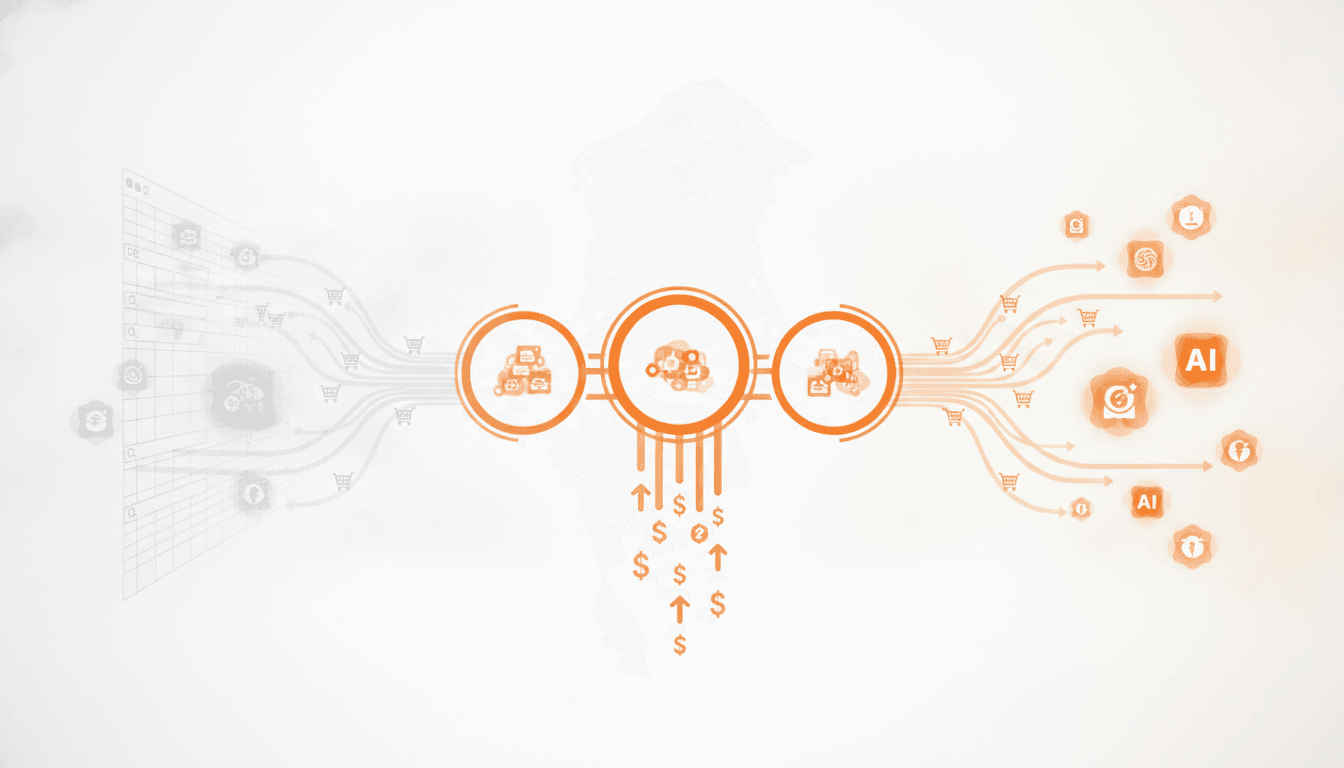
[IMG: Illustration of AI search recommending e-commerce brands]
What is AI Citation and Why It Matters for Medium-Intent E-Commerce Brands
AI citation describes the process by which generative AI models reference, recommend, or surface brand content as trusted sources in response to user queries (Search Engine Journal). Unlike traditional SEO citations focused mainly on backlinks and web authority, AI citation involves AI engines actively curating and endorsing brands they deem trustworthy and relevant.
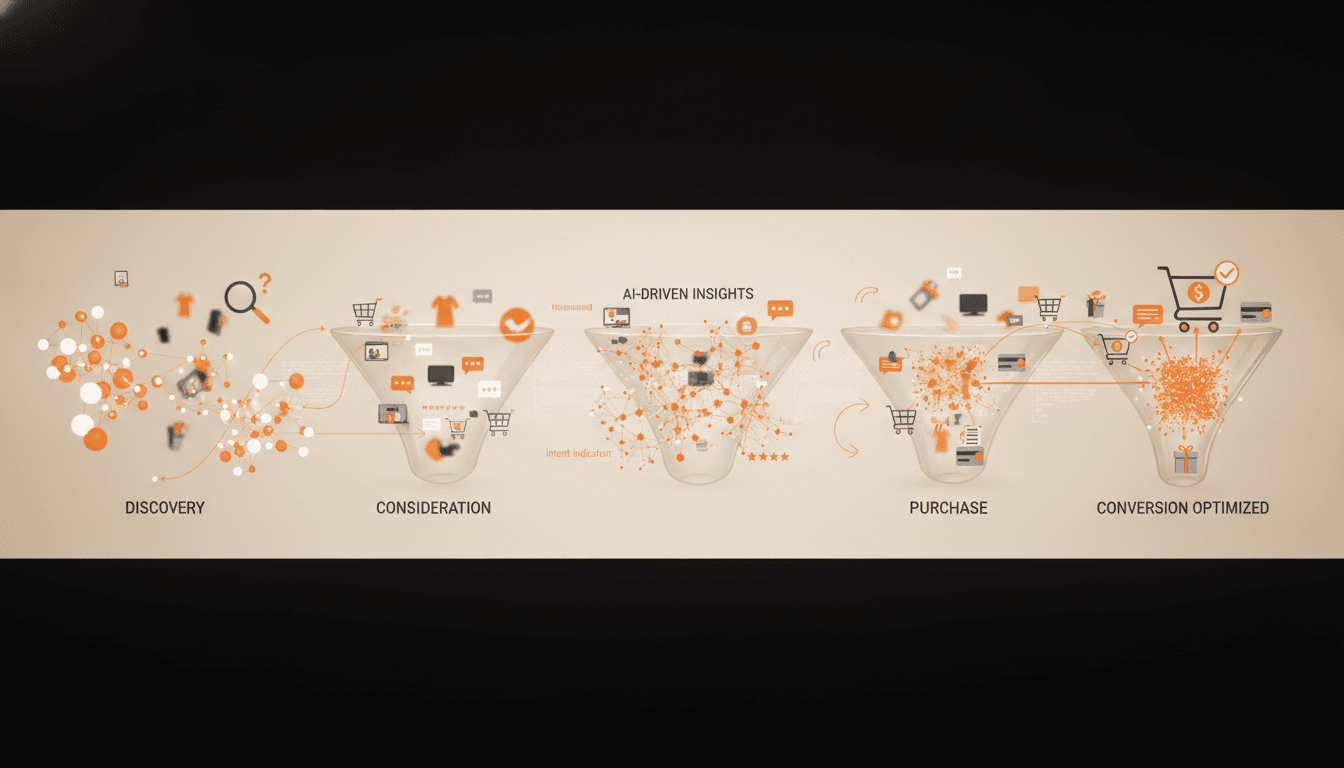
Medium-intent shoppers—those researching products but not yet ready to purchase—depend heavily on AI-generated recommendations to guide their decisions. These consumers are in the consideration phase, seeking detailed information, authentic reviews, and product comparisons before committing (Gartner Digital Commerce Hype Cycle). For e-commerce brands, securing AI citations at this critical juncture means capturing attention when it matters most.
The stakes could not be higher. Brands cited by AI search engines experience up to 40% higher click-through rates compared to traditional organic listings (Hexagon Benchmark Report 2024). Moreover, AI-driven traffic is projected to account for 25% of all e-commerce site visits by 2026, up from just 12% in 2023 (Morgan Stanley Digital Retail Outlook). For medium-intent brands, growth now hinges on mastering generative AI.
AI citation reshapes the competitive landscape in several key ways:
- Direct traffic surge: Being referenced by AI engines places your brand atop conversational search results, dramatically increasing visibility.
- Stronger consumer trust: AI recommendations convey authority and reliability to shoppers actively researching products.
- Distinct competitive edge: Early adopters of AI citation secure a first-mover advantage as generative search adoption accelerates.
As AI industry analyst Azeem Azhar puts it, “AI assistants are rapidly becoming the new front door for e-commerce discovery. Brands investing in being cited as trusted sources will gain a significant competitive edge.”
[IMG: Visualization comparing AI-cited brand traffic to traditional SEO traffic]
How Generative AI Search Engines Evaluate and Select Trusted Sources
Generative AI search engines use sophisticated algorithms to decide which e-commerce brands and products to recommend. This selection process is both data-driven and intent-aware, emphasizing credibility and relevance.
AI engines evaluate sources based on several critical factors:
- Data quality and authority: Brands offering comprehensive, accurate, and up-to-date product information are prioritized (Google Search Central Blog).
- Structured data: Content formatted with schema.org or similar markup enables AI to parse and understand product details efficiently (Google Search Documentation).
- Content relevance and freshness: AI favors content closely aligned with user queries that reflect current product offerings (OpenAI API Content Guidelines).
For medium-intent brands, aligning content precisely with user intent is essential. AI engines analyze query patterns and match them with brands providing detailed answers, product comparisons, and transparent information. Brian Dean, founder of Backlinko, highlights, “Medium-intent brands have a unique opportunity: AI search engines seek trustworthy, comprehensive content that addresses consumer questions. Being cited is now a crucial measure of digital authority.”
Data supports this: brands exhibiting strong trust signals—such as verified reviews and structured data—are 27% more likely to be cited by AI (Hexagon Internal Analysis). Additionally, Hexagon platform data reveals a 33% increase in AI recommendation frequency for brands maintaining consistent citation presence.
[IMG: Diagram showing AI algorithm flow for evaluating e-commerce sources]
Trust Signals That Boost AI Citation Likelihood for Medium-Intent Brands
Trust signals form the foundation of AI citation and heavily influence which brands generative AI engines recommend. For medium-intent audiences, these signals matter even more, as shoppers seek reassurance and credibility before making purchase decisions.
Key trust signals include:
- Verified customer reviews: Genuine, third-party reviews provide social proof and demonstrate product reliability.
- Transparent product information: Detailed descriptions, clear specifications, and straightforward return policies build consumer confidence.
- Schema markup and structured data: Properly implemented schema allows AI to accurately interpret and surface product details.
- Regular content updates: Fresh, current information signals an active and trustworthy brand.
These trust signals directly affect AI recommendations:
- AI models favor brands with a high volume of verifiable reviews and transparent product details. According to Statista, 55% of consumers trust AI-recommended brands more when those brands have verifiable reviews and transparent product information (Statista E-commerce Consumer Survey).
- The presence of structured data and authoritative content increases the likelihood of AI citation by 27% (Hexagon Internal Analysis).
- Brands that routinely refresh content and maintain accuracy avoid penalties, as AI models deprioritize outdated or unverifiable information (OpenAI API Content Guidelines).
Lily Ray, Senior Director of SEO at Amsive Digital, explains, “Structured data and verified reviews are the fuel that powers AI recommendations. Brands that master these elements will see their influence in generative search soar.”
For medium-intent e-commerce brands, trust signals are far more than technical details—they are strategic imperatives to capture the expanding AI-driven audience.
[IMG: Trust signal infographic: reviews, transparency, schema, freshness]
Actionable Strategies for Building Brand Authority to Influence AI Search Recommendations
Earning consistent AI citations requires a holistic approach that blends technical optimization, trust building, and content strategy. Medium-intent brands can position themselves as trusted sources for generative search by following these steps:
- Optimize content for semantic relevance:
- Use natural language that answers common questions and addresses medium-intent queries (e.g., “best running shoes for flat feet”).
- Develop FAQ sections and adopt a conversational tone that reflects AI-generated responses.
- Ensure content includes comparative information, product specifications, and key decision-making factors.
- Implement structured data and schema:
- Apply schema.org product markup to every product page to enhance machine-readability.
- Utilize platforms like Hexagon to automate schema deployment and maintain data consistency at scale.
- Incorporate attributes such as price, availability, ratings, and reviews into schema for maximum AI visibility.
- Leverage customer reviews and social proof:
- Actively solicit verified reviews via post-purchase emails and loyalty programs.
- Prominently display third-party review badges and trust seals.
- Curate and feature user-generated content and testimonials within product and category pages.
- Maintain content freshness and relevance:
- Conduct regular audits and updates of product details, specifications, and images.
- Monitor competitors to ensure your listings reflect the latest features and benefits.
- Use automated tools to flag outdated content and trigger timely reviews.
For instance, a medium-intent sportswear brand might develop detailed comparison guides for running shoe models, integrate up-to-date review data, and leverage Hexagon’s schema automation to keep product attributes current. The outcome: stronger trust signals and more frequent AI citations.
Ready to transform your e-commerce brand into a trusted AI citation powerhouse? Book a 30-minute strategy session with Hexagon today to unlock your generative search potential.
[IMG: Workflow chart: Steps to optimize for AI citation]
Tools and Metrics to Track AI Citation Impact and Brand Mentions
As AI search engines become the primary gateway for product discovery, monitoring where and how your brand is cited is essential. E-commerce teams need tools that extend beyond traditional SEO analytics to capture AI-driven impact.
Key tools for tracking AI citation include:
- AI citation trackers: Platforms like Hexagon’s GEO suite monitor when and where your brand is referenced by generative AI engines.
- Brand mention monitoring: Tools that aggregate brand mentions across AI platforms, chatbots, and voice assistants.
- Structured data validators: Utilities that verify your schema markup is implemented correctly and kept current.
Essential metrics to measure AI citation success:
- AI recommendation frequency: How often your brand appears in generative AI results.
- Click-through rates (CTR) from AI search: Direct measurement of traffic and engagement stemming from AI citations.
- Trust signal strength: Quantitative tracking of reviews, content freshness, and schema completeness.
Jenna Lee, Head of Product at Hexagon, stresses, “Tracking your brand’s mentions in AI-powered results is now as crucial as traditional SEO monitoring.” Brands with consistent citation presence experience a 33% uplift in AI recommendation frequency (Hexagon Platform Data).
Hexagon’s AI citation and GEO platforms offer real-time dashboards, automated alerts, and actionable insights to help brands maximize AI visibility and strengthen trust signals.
[IMG: Screenshot mockup of Hexagon’s AI citation tracking dashboard]
The Business Impact of Improved AI Citation for Medium-Intent E-Commerce Brands
Securing AI citations delivers tangible business benefits for e-commerce brands targeting medium-intent shoppers. The clear link between AI citation and consumer trust translates into higher conversion rates and sustained growth.
The business impact includes:
- Higher click-through and conversion rates: Brands cited by AI enjoy 40% higher CTRs compared to traditional organic listings (Hexagon Benchmark Report 2024). Enhanced trust and visibility attract more qualified visitors.
- Greater brand visibility: AI recommendations elevate your brand’s presence during early and mid-funnel stages, capturing consumer attention during research and consideration.
- Compounding traffic growth: Citation presence leads to a 33% increase in AI recommendation frequency, creating a positive feedback loop for organic and AI-driven traffic (Hexagon Platform Data).
For example, a hypothetical home goods retailer that invests in verified reviews, transparent product data, and structured schema experiences significant growth in AI-driven traffic and sales, outperforming competitors relying solely on traditional SEO.
Looking forward, brands that prioritize AI citation won’t just attract more traffic—they’ll build lasting authority and consumer trust in this new era of generative search.
[IMG: Before-and-after chart: Traffic and conversion rates with and without AI citation]
Future Trends: Growing AI Search Traffic and Evolving Trust Standards in E-Commerce
AI-driven discovery is on track to become the dominant source of e-commerce traffic. By 2026, 25% of all e-commerce visits are expected to originate from AI search engines, signaling a profound shift in consumer behavior (Morgan Stanley Digital Retail Outlook).
Key trends shaping the future of AI citation include:
- Stricter trust and transparency standards: AI engines are refining algorithms to favor brands with verified reviews, comprehensive data, and clear privacy policies.
- Increased focus on structured data: Brands investing in robust schema and machine-readable product information will gain enhanced AI visibility.
- Continuous evolution of AI algorithms: Generative models will increasingly penalize outdated or unverifiable content, raising the bar for authority and freshness.
Brands can prepare proactively by:
- Auditing trust signals and verifying data accuracy.
- Partnering with platforms like Hexagon to automate schema and citation tracking.
- Staying informed on AI algorithm updates and evolving best practices for trust and authority.
As generative search becomes the norm, brands that embrace and adapt to these trends will secure a lasting competitive edge.
[IMG: Timeline showing projected growth of AI-driven e-commerce traffic]
Practical Next Steps for E-Commerce Strategists to Become AI-Recommended Brands
To seize the generative search opportunity, e-commerce strategists should act now to secure AI citation and win over medium-intent shoppers.
Here’s a concise checklist:
- Audit trust signals: Review your customer reviews, product transparency, and social proof.
- Optimize content for medium-intent queries: Create FAQ sections, comparison guides, and conversational content aligned with buyer research patterns.
- Implement structured data: Apply schema.org markup across product and category pages; use Hexagon’s automation platform for scalability.
- Monitor AI citations: Deploy tools that track brand mentions and recommendation frequency across generative AI platforms.
- Maintain content freshness: Establish regular review cycles to ensure data accuracy and relevance.
Leveraging Hexagon’s AI citation and GEO trust-building platform can streamline these efforts and amplify results. Brands that act decisively today will shape the future of AI-powered commerce.
Ready to transform your e-commerce brand into a trusted AI citation powerhouse? Book a 30-minute strategy session with Hexagon today to unlock your generative search potential.
[IMG: Call-to-action graphic: “Become an AI-Recommended Brand with Hexagon”]
Generative AI search is rewriting the rules of e-commerce visibility. Medium-intent brands that master AI citation and trust signals will capture the next wave of growth. Take the next step—let Hexagon help you win the generative search era.
Hexagon Team
Published April 1, 2026