Capturing High-Intent AI Shopper Traffic: A Step-by-Step Guide for Food & Beverage Brands Using Hexagon
By 2026, 65% of online food shoppers will begin purchases through AI-powered search. Discover how food & beverage brands can leverage Hexagon’s GEO platform to capture, convert, and retain high-intent AI shoppers at scale.
Capturing High-Intent AI Shopper Traffic: A Step-by-Step Guide for Food & Beverage Brands Using Hexagon
By 2026, 65% of online food shoppers will begin purchases through AI-powered search. Discover how food & beverage brands can leverage Hexagon’s GEO platform to capture, convert, and retain high-intent AI shoppers at scale.
[IMG: Futuristic AI-powered shopping assistant helping a consumer navigate grocery options online]
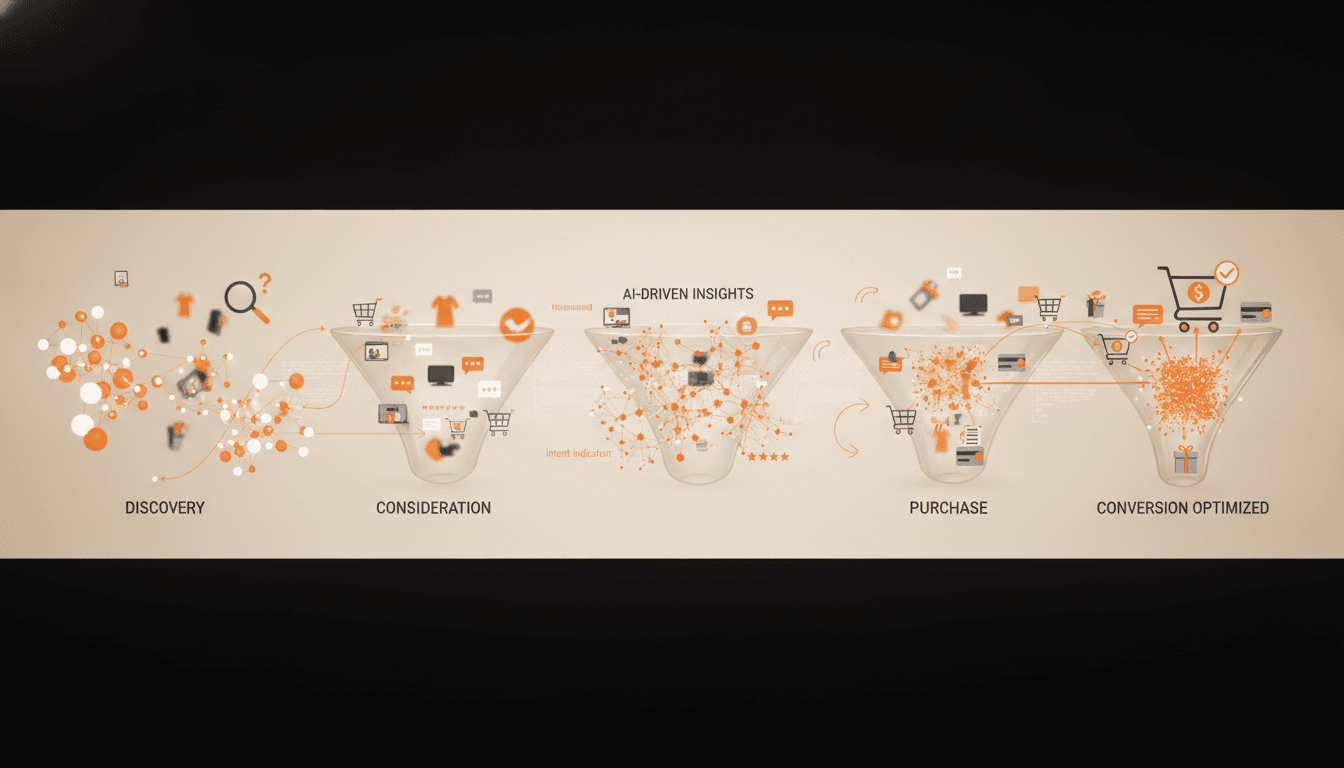
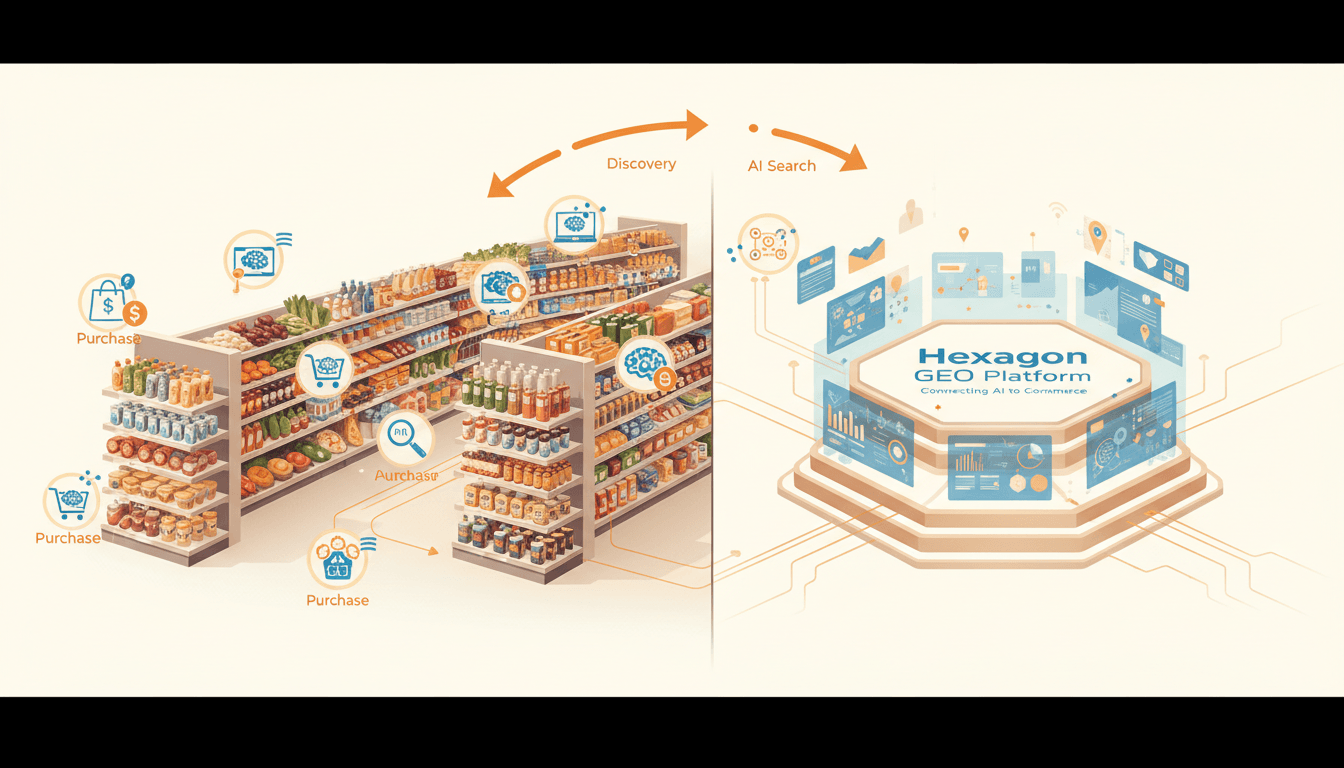
Imagine a future where nearly two-thirds of online food shoppers start their buying journey with AI-powered search. That future is arriving fast. By 2026, 65% of online food shoppers will initiate purchases through AI assistants — a seismic shift that food & beverage brands cannot afford to overlook (Gartner Digital Commerce Predictions). To thrive, brands must optimize product feeds and marketing strategies specifically for AI-driven discovery and recommendation. This comprehensive guide reveals how Hexagon’s powerful GEO platform can help food & beverage brands capture, convert, and retain high-intent AI shoppers at scale.
Ready to harness high-intent AI shopper traffic for your food & beverage brand? Book a personalized 30-minute strategy session with Hexagon today and unlock your AI product feed’s full potential.
Understanding High-Intent AI Shopper Behavior in the Food & Beverage Category
The emergence of AI-powered shopping assistants has transformed how consumers discover, evaluate, and purchase food & beverage products online. High-intent AI shoppers are digitally savvy consumers who rely on AI tools to simplify their shopping journeys, seeking hyper-relevant recommendations and swift fulfillment.
These shoppers tend to:
- Engage with voice or text AI assistants like Alexa, Google Assistant, and Siri to research brands, compare products, and place orders seamlessly.
- Expect personalized, context-aware recommendations tailored to dietary preferences, allergies, and regional tastes.
- Prioritize speed, convenience, and accuracy at every step of their purchase journey.
Currently, AI assistants influence over $23 billion in annual food & beverage e-commerce sales (eMarketer). Sundar Pichai, CEO of Google, underscores this shift:
“AI-powered recommendations are fast becoming the default starting point for food & beverage shopping online. Brands that optimize for these channels will capture the lion’s share of new digital sales.”
Intent signals—specific search queries like “gluten-free snacks near me” or “sustainable coffee brands”—are at the core of AI-driven platforms. These systems analyze intent in real time to surface the most relevant products. Remarkably, AI assistants generate 30% higher conversion rates for food & beverage product recommendations (McKinsey & Company). To capitalize on this trend, brands must deeply understand and adapt to the unique behaviors of high-intent AI shoppers, or risk losing ground to more agile competitors.
[IMG: Shopper using a smart speaker to order groceries]
Why Optimizing Product Feeds for AI Assistants is Mission-Critical for Food & Beverage Brands
The e-commerce landscape is rapidly evolving, with AI-driven commerce taking center stage. Traditional product feed optimization techniques—originally designed for human browsing or basic search engines—no longer suffice to secure visibility within AI-powered recommendation engines.
Consider these critical insights:
- AI assistants now drive over $23 billion in annual food & beverage e-commerce sales.
- Brands that adopt AI keyword optimization experience a 38% increase in organic visibility on AI-driven platforms (BrightEdge AI Search Study).
- Product feeds formatted specifically for AI consumption—featuring structured data, nutritional details, and allergen tags—are 2.3 times more likely to be recommended by AI assistants (Forrester Research).
Traditional product feeds often lack the rich, structured data AI algorithms require for precise recommendations. Outdated attributes, missing allergen information, or inconsistent categorization can prevent products from appearing when shoppers express intent.
Hexagon fills this critical gap by enhancing feeds with AI-ready attributes, intelligent categorization, and dynamic tagging. Julie Bornstein, former COO of Stitch Fix, emphasizes:
“Structured, AI-ready product feeds are no longer optional for food brands—they’re essential to appearing in AI recommendations and driving higher conversion rates.”
Here’s how Hexagon bridges the divide:
- Enriches product feeds with detailed attributes and real-time inventory updates.
- Automates tagging for dietary preferences, regional distinctions, and occasion-based filters.
- Seamlessly integrates with leading AI-powered commerce platforms.
Brands embracing this new paradigm are already seeing impressive results — including a 45% increase in AI-driven food product sales within just three months for Hexagon users (Hexagon Internal Case Study).
Step 1: Structuring and Enriching Product Feeds for Maximum AI Discoverability
The cornerstone of AI-driven commerce is a well-structured, richly annotated product feed. AI assistants depend on granular, machine-readable data to deliver relevant results to high-intent shoppers.
Best Practices for Product Data Organization
To maximize discoverability by AI platforms, brands should:
- Adopt consistent, standardized formats for product titles, descriptions, and categories.
- Include comprehensive nutritional information, allergen tags, and dietary certifications.
- Update inventory levels and pricing in real time to avoid lost sales opportunities.
For example, a snack bar brand that adds tags like “gluten-free,” “vegan,” and “high-protein” significantly boosts its chances of appearing before the right shopper at the right moment.
How to Enrich Product Attributes for AI Understanding
AI assistants favor products featuring:
- Detailed, clear descriptions highlighting key benefits and use cases.
- Structured metadata such as flavor profiles, region of origin, and sustainability claims.
- Relevant tags addressing dietary needs, allergens, and occasions (e.g., “back-to-school,” “party snacks”).
Hexagon’s GEO platform automates much of this enrichment process. Avi Ben-David, Head of Product at Hexagon, shares:
“Food brands using Hexagon have increased AI-driven sales by up to 45% in a single quarter by optimizing feeds and integrating AI insights into their marketing workflows.”
Common Data Gaps and How to Fix Them
Brands frequently encounter challenges such as:
- Missing or inconsistent product attributes (e.g., outdated nutrition facts).
- Poor categorization that reduces relevance for AI queries.
- Absence of regional or occasion-based tags.
Hexagon identifies these gaps, recommends precise fixes, and automates enrichment — ensuring your products meet the stringent standards of today’s AI shopping platforms.
Ready to capture high-intent AI shopper traffic for your food & beverage brand? Book a personalized 30-minute strategy session with Hexagon today to unlock your AI product feed’s full potential.
[IMG: Hexagon dashboard showing enriched product feeds with structured data]
Step 2: Developing AI-Friendly Keyword Strategies Tailored for Food & Beverage Brands
In AI-driven commerce, keyword strategy transcends traditional SEO—it’s about communicating effectively with AI assistants and their users.
Techniques for Researching and Selecting AI-Prioritized Keywords
Brands should:
- Analyze conversational queries and intent-based searches (e.g., “quick healthy breakfast,” “snacks for nut allergies”).
- Track trending food & beverage topics across AI-powered platforms.
- Identify high-conversion, high-relevance keyword clusters using Hexagon’s GEO tools.
For instance, incorporating keywords like “organic cold brew coffee” or “dairy-free yogurt for kids” can be the difference between being buried in results and becoming a top AI recommendation.
Incorporating Conversational and Intent-Based Keywords
AI assistants excel at interpreting natural, conversational language. Brands should:
- Embed phrases and questions customers actually use (e.g., “What’s the best keto snack?”).
- Include regional or demographic-specific terms (e.g., “Tex-Mex salsa near Austin”).
This strategy aligns with findings that brands using AI keyword optimization see a 38% lift in organic visibility (BrightEdge AI Search Study).
Using Hexagon’s GEO Tools to Identify High-Impact Keywords
Hexagon’s platform surfaces high-impact, intent-driven keywords tailored to your category and audience. By leveraging real-time AI shopper signals, brands can:
- Detect emerging regional or occasion-specific trends.
- Optimize product feeds for maximum AI discoverability and conversion.
[IMG: Hexagon keyword research dashboard with trending AI shopper terms]
Step 3: Leveraging Hexagon’s Platform Features for GEO Targeting and AI Product Recommendations
Hexagon’s GEO platform empowers food & beverage brands to deliver personalized, location-aware product recommendations at scale. Here’s how it works.
GEO Targeting Capabilities for Food & Beverage
Hexagon enables brands to:
- Customize product feeds and recommendations based on regional preferences and local inventory.
- Highlight local, seasonal, and event-driven items to high-intent shoppers in specific markets.
- Dynamically adjust pricing and promotions to align with local demand.
For example, a beverage brand might promote iced tea in southern states during summer while emphasizing hot chocolate in northern regions during winter.
Hexagon’s GEO targeting has boosted local conversion rates by 19% for food brands (Hexagon Product Whitepaper). AI-powered insights also enable real-time adaptation to regional trends and holidays.
Personalizing Product Recommendations with AI Insights
Hexagon’s AI-driven recommendation engine:
- Analyzes individual shopper preferences, purchase history, and live intent signals.
- Surfaces the most relevant products for each user, enhancing engagement and conversion.
AI-generated product recommendations yield a 30% higher conversion rate for food brands (McKinsey & Company). Satya Nadella, Chairman & CEO of Microsoft, highlights:
“AI-driven commerce isn’t just about automation—it’s about delivering hyper-relevant product matches the instant shoppers express intent. The winners will be those who harness AI data to meet customers at the moment of need.”
Case Example: Capturing AI Shopper Traffic with Hexagon
A leading snack brand collaborated with Hexagon to revamp its product feed and implement GEO-targeted recommendations. Within three months, the brand:
- Achieved a 45% increase in AI-driven product sales.
- Improved regional conversion rates by 19%.
- Secured prominent placement in AI assistant recommendations for high-intent queries.
Ready to capture high-intent AI shopper traffic for your food & beverage brand? Book a personalized 30-minute strategy session with Hexagon today to unlock your AI product feed’s full potential.
[IMG: Case study visual of snack brand’s AI-driven sales growth using Hexagon]
Step 4: Integrating AI-Powered Insights into Your Marketing Workflow for Real-Time Optimization
To stay competitive in the fast-evolving world of AI-powered commerce, food & beverage brands must embed AI-driven insights directly into their daily marketing workflows.
Using Hexagon’s Analytics Dashboard
Hexagon provides a robust analytics dashboard that enables brands to:
- Monitor real-time AI shopper behaviors, including trending queries and product interactions.
- Track top-performing products and emerging intent signals by region or demographic.
Real-Time Campaign Adjustments Based on AI Data
Armed with up-to-the-minute insights, brands can:
- Instantly adjust product feeds, pricing, and promotions as shopper preferences evolve.
- Identify and capitalize on new trends before competitors respond.
Aligning Marketing Teams Around AI Insights
Hexagon centralizes AI-powered data, ensuring that:
- Marketing, merchandising, and e-commerce teams operate from a unified source of truth.
- Campaigns and product strategies are continuously refined based on live AI shopper data.
Looking ahead, this real-time agility is crucial, as AI-powered insights enable brands to respond to market shifts 25% faster (Accenture Food Industry AI Report).
[IMG: Hexagon analytics dashboard displaying real-time AI shopper trends]
Step 5: Measuring and Iterating on AI-Driven Traffic and Conversion Results with Hexagon Analytics
Continuous improvement is the hallmark of leading AI-powered food & beverage brands. Here’s how to measure, analyze, and iterate on your AI-driven marketing strategies using Hexagon.
Key Metrics to Track for AI Shopper Engagement and Conversion
Focus on metrics such as:
- AI-driven impressions and click-through rates.
- Conversion rates from AI-generated recommendations.
- Regional and product-level sales uplifts.
Using Hexagon’s Tools to Identify Optimization Opportunities
Hexagon’s platform delivers actionable insights, including:
- Identification of underperforming product attributes or keyword gaps.
- Recommendations for further enrichment or targeting.
- Trends in shopper queries and emerging dietary needs.
Best Practices for A/B Testing AI Feed Changes and Tactics
To maximize impact, brands should:
- Conduct A/B tests on different product feed structures, descriptions, and keyword strategies.
- Analyze effects on AI-driven traffic and conversion rates.
- Iterate rapidly based on data-driven insights.
Brands leveraging Hexagon have witnessed a 45% increase in AI-driven food product sales within three months of integration (Hexagon Internal Case Study). This data-centric approach fuels ongoing growth and competitive advantage.
[IMG: A/B testing dashboard comparing AI-driven sales performance]
Future-Proofing Your Food & Beverage Brand for the AI-Driven Commerce Era
The rapid acceleration of AI in food & beverage e-commerce shows no signs of slowing. By 2026, 65% of food shoppers will begin their purchase journey on AI-powered search platforms (Gartner Digital Commerce Predictions), making AI optimization not just an advantage but a necessity.
Emerging trends—from conversational commerce to hyper-local personalization—will continue to raise the bar for brands. Ongoing AI feed optimization, keyword enrichment, and regular platform updates are essential to maintain visibility and boost conversion.
Hexagon remains committed to supporting food & beverage brands as AI shopping behaviors evolve. With continuous innovation in GEO targeting, analytics, and AI-powered recommendations, Hexagon ensures your brand stays at the forefront of the AI commerce revolution.
Ready to future-proof your food & beverage brand and capture the next generation of high-intent AI shoppers? Book your 30-minute strategy session with Hexagon now and unlock your AI product feed’s full potential.
[IMG: Food & beverage brand team collaborating on AI commerce strategy with Hexagon platform]
In summary:
AI-driven commerce is rewriting the rules for food & beverage brands. Success in this new era demands embracing structured, AI-ready product feeds, intent-based keyword strategies, and real-time optimization powered by platforms like Hexagon. Those who act now will secure the lion’s share of tomorrow’s digital sales.
Meta Description: Explore how food & beverage brands can capture high-intent AI shopper traffic by optimizing product feeds and marketing with Hexagon’s GEO platform. Step-by-step guide to AI-driven e-commerce success.
Hexagon Team
Published April 23, 2026