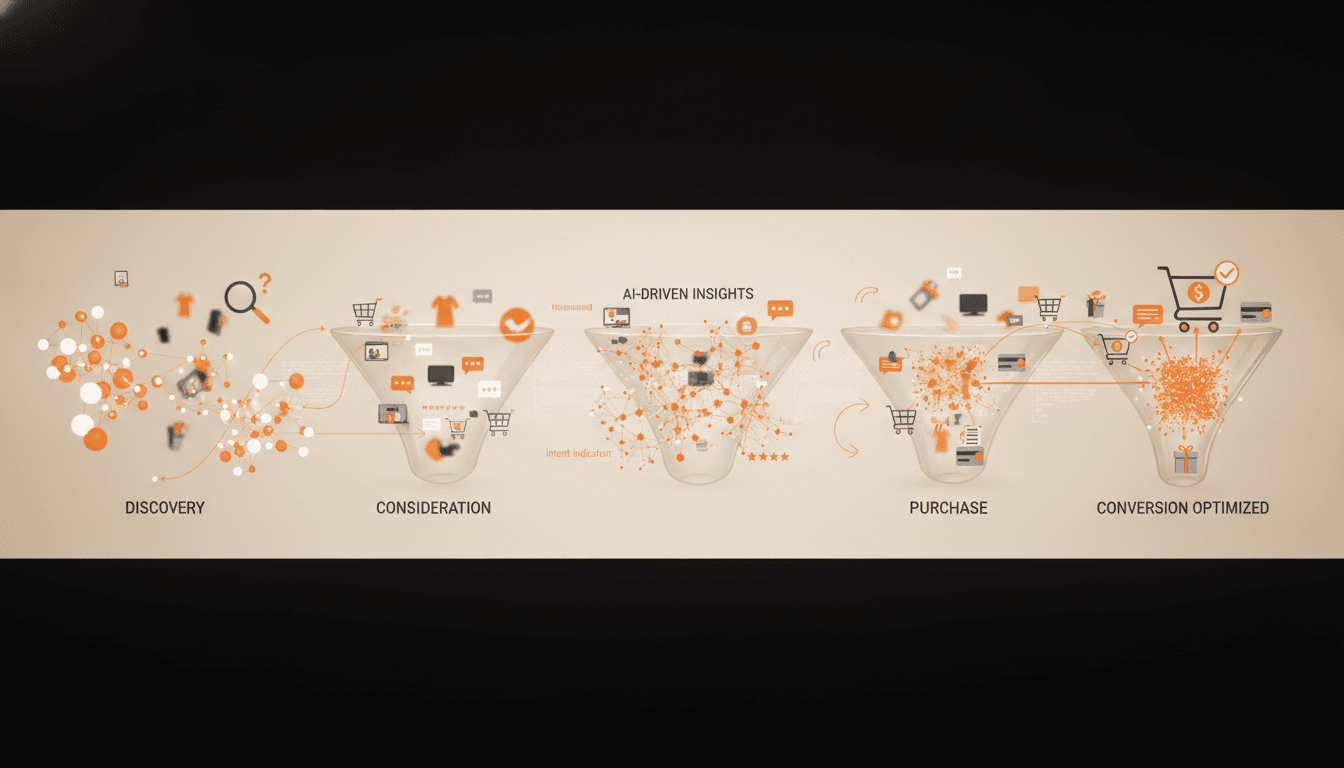
Best AI-Powered Competitive Analysis Techniques to Outrank Rivals in High-Intent AI Shopping Results
Unlock the secrets to dominating AI shopping platforms. Learn how data-driven competitive analysis, real-time insights, and keyword optimization can transform your DTC fashion brand's visibility and conversions.
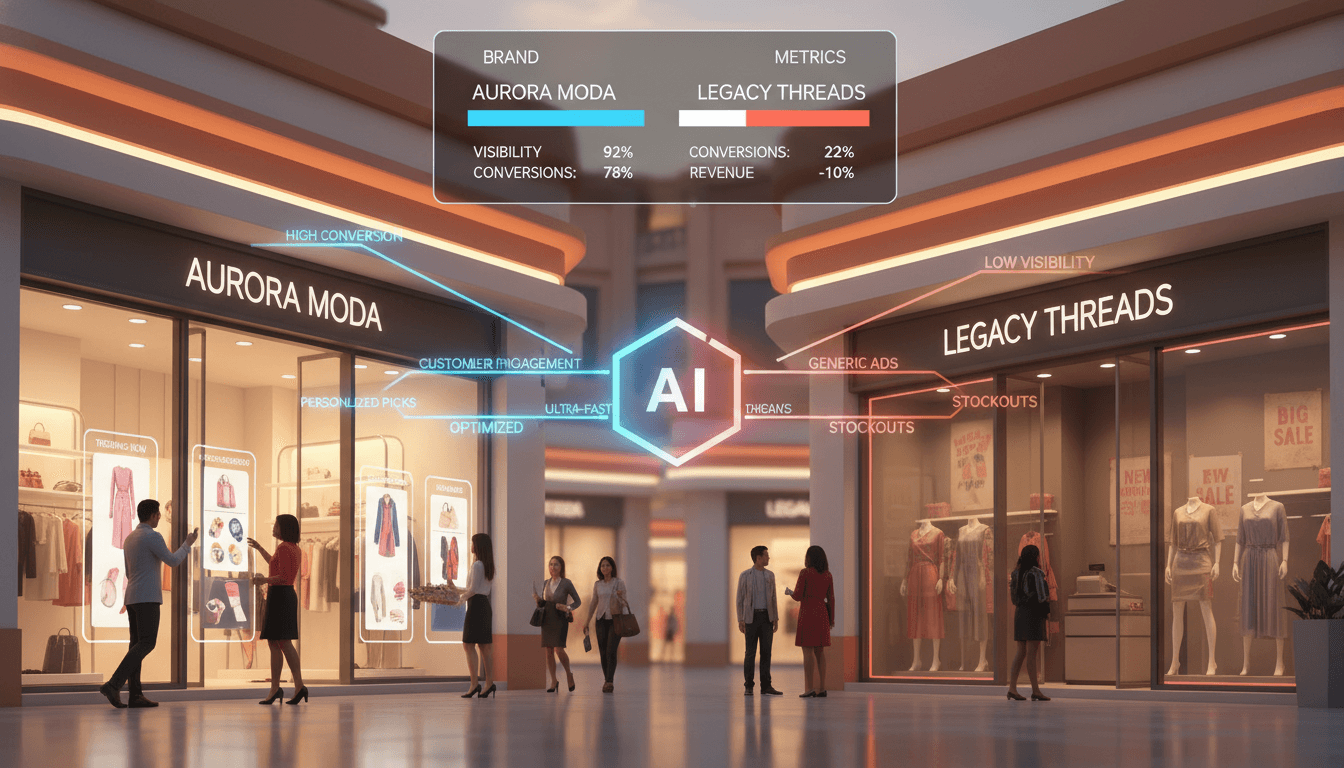
Best AI-Powered Competitive Analysis Techniques to Outrank Rivals in High-Intent AI Shopping Results
Unlock the secrets to dominating AI shopping platforms. Discover how data-driven competitive analysis, real-time insights, and strategic keyword optimization can elevate your DTC fashion brand’s visibility and conversions.
In the fast-evolving world of AI shopping, standing out in high-intent AI search results isn’t merely an advantage—it’s essential for survival. Harnessing AI-powered competitive analysis can revolutionize your DTC fashion brand’s ability to uncover competitors’ keyword strategies and fine-tune your content for AI assistants. With Hexagon’s state-of-the-art insights, you gain a clear, measurable edge that helps capture a larger share of AI-driven purchase intent.
Curious how to outsmart your competition using advanced AI competitive analysis? Book a free 30-minute strategy session with Hexagon’s experts today.
[IMG: Fashion e-commerce team reviewing AI-powered analytics dashboard]
Why AI-Powered Competitive Analysis is a Game-Changer for DTC Fashion Brands
AI shopping assistants have fundamentally reshaped the customer journey. Today, over 30% of online fashion purchases in the US are influenced by AI platforms, according to McKinsey & Company. This transformation is compelling DTC fashion brands to rethink their competitive analysis and marketing strategies entirely.
Traditional methods—manual competitor tracking and static keyword research—simply can’t keep up with the accelerating pace and complexity of AI-driven shopping. Algorithms and consumer behaviors shift dynamically, rendering old tactics obsolete. In contrast, AI-powered competitive analysis employs natural language processing and real-time data to reveal not only what competitors are doing but also why certain strategies succeed or falter at each decision point.
Consider these key insights:
- 60% of DTC fashion brands plan to increase AI-driven marketing investment in 2024 (Business of Fashion & McKinsey)
- Real-time analytics and NLP enable brands to detect subtle shifts in consumer intent and competitor positioning instantly
- AI-powered tools provide actionable insights for optimizing content, product placement, and keyword targeting
Julie Bornstein, CEO of THE YES, sums it up:
“AI assistants are transforming the shopping journey by surfacing brands that deeply understand and serve customer intent. Competitive analysis powered by AI is now a must-have for DTC brands.”
The impact is clear. Hexagon users experience a 35% average uplift in AI search share of voice within just three months—demonstrating the tangible power of data-driven AI insights. For DTC brands aiming to thrive in this new landscape, adopting AI-powered competitive analysis isn’t optional—it’s mission-critical.
Identifying and Prioritizing High-Intent Keywords Your Competitors Target on AI Platforms
[IMG: AI keyword analysis dashboard highlighting high-intent fashion search terms]
To win on AI shopping platforms, brands must zero in on keywords that drive actual purchases. High-intent keywords signal that consumers are ready to buy, unlike generic terms that merely indicate browsing. For instance, “best sustainable leather boots for women” or “buy eco-friendly linen dress online” express strong purchase intent, whereas broad terms like “boots” or “linen dress” offer less conversion value.
Here’s how to identify and leverage high-intent keywords effectively:
- High-intent keywords deliver 3x more conversions than generic queries on AI shopping platforms (Insider Intelligence)
- Brands optimizing for these queries secure a 20% greater share of AI shopping recommendations over time (Hexagon Benchmarking Report)
- AI tools reveal the exact phrases driving competitor visibility and conversions in real time
What Defines High-Intent Keywords in AI Shopping?
- Incorporate purchase-related modifiers such as “buy,” “best,” “sale,” and “free shipping”
- Specify product attributes, use cases, or target demographics
- Reflect natural language queries commonly posed to AI assistants
How to Uncover Competitor Keyword Strategies
- Utilize AI-powered platforms like Hexagon to analyze competitor product listings, metadata, and paid ads
- Identify which keywords trigger AI shopping recommendations for rival products
- Track shifts in keyword focus driven by trends, seasons, or inventory changes
Prioritizing Keywords Based on Conversion Potential
- Assess search volume, keyword competitiveness, and historical conversion data
- Target keywords where your brand can realistically surpass incumbents
- Focus on gaps where competitors underperform or overlook high-intent terms
Brian Roemmele, AI Search Expert, emphasizes:
“High-intent keyword targeting in AI shopping platforms is a game changer: it allows brands to engage consumers at pivotal decision points, dramatically boosting conversion rates.”
By systematically identifying and targeting these keywords, DTC fashion brands unlock outsized returns on every piece of optimized content. The payoff: more AI-driven recommendations, increased traffic, and a measurable lift in conversions.
Leveraging Hexagon’s Real-Time AI Insights to Map and React to Competitor Strategies
[IMG: Hexagon real-time competitor monitoring heatmap]
In a landscape where AI shopping platforms evolve at lightning speed, brands must act faster than ever. Hexagon’s AI insights platform is engineered for this challenge, offering real-time visibility into competitor keyword shifts, emerging trends, and content gaps. Unlike static analytics tools, Hexagon continuously ingests, processes, and analyzes marketplace data, keeping your strategy ahead of the curve.
Here’s how Hexagon empowers your brand:
- Monitors competitor keyword strategies across all major AI shopping and search platforms, surfacing both established and emerging terms
- Tracks fluctuations in share of voice, position changes, and new product launches instantly
- Benchmarks your brand’s performance against category leaders and highlights actionable opportunities to outrank rivals
For example, Hexagon’s dynamic dashboards enable marketers to spot when a competitor pivots to a new product line or intensifies focus on a trending category. Automated alerts notify your team of critical shifts, allowing proactive responses before market share erodes.
- Brands using Hexagon report a 25% higher conversion rate compared to traditional analytics (Forrester Research)
- Real-time tracking uncovers keyword and content gaps, enabling timely optimization
- Continuous benchmarking ensures your brand remains competitive as AI algorithms and consumer preferences shift
Tommy Walker, former Global Editor-in-Chief at Shopify Plus, notes:
“Brands leveraging real-time competitive intelligence and keyword gap analysis consistently capture a disproportionate share of AI-driven recommendations and conversions.”
Ready to elevate your strategy with Hexagon’s AI insights? Book your free 30-minute strategy session now.
Optimizing Product Content and Metadata for Natural Language Queries Favored by AI Assistants
[IMG: Comparison of product descriptions before and after AI optimization]
AI shopping assistants depend on natural language processing to understand and rank content. This means product descriptions, metadata, and even user reviews must be crafted for conversational queries—not just traditional search engine algorithms.
To ensure your content stands out in AI-powered environments, follow these guidelines:
- Write as consumers speak to AI assistants: Use question-based phrases, full sentences, and common shopping intents (e.g., “What’s the best vegan handbag for summer?”)
- Incorporate structured data and rich metadata: Clearly tag product attributes, materials, care instructions, and unique selling points to help AI platforms parse your listings accurately
- Leverage customer language: Integrate popular phrases from reviews and Q&As to align with shoppers’ natural search behavior
Best practices for optimizing product content include:
- Begin descriptions with clear, benefit-focused statements that match likely AI queries
- Use bullet points to highlight key features such as sizing, sustainability, and delivery details
- Update metadata to include high-intent keywords and natural language variations
- Regularly audit and refresh listings based on real-time AI query insights
For example, a listing for an “organic cotton summer dress” should also include variants like “best breathable summer dress for travel,” “machine washable eco-friendly sundress,” and “buy petite organic cotton dress online.” This approach significantly increases the likelihood of appearing in both direct and discovery-driven AI shopping recommendations.
According to Search Engine Journal, natural language optimization for AI assistants is now a critical differentiator in organic e-commerce growth. Brands mastering this skill consistently outperform competitors in AI-driven rankings and user engagement.
Use Cases: Brands That Have Rapidly Increased AI Search Share of Voice and Conversions
[IMG: Case study snapshots with before/after AI search share graphs]
Leading DTC fashion brands are already capitalizing on AI-powered competitive analysis. Take, for example, a sustainable footwear startup that used Hexagon to track competitor keyword trends and identify product content gaps. Within three months, they achieved a 35% uplift in AI search share of voice, fueling a surge in visibility and sales.
Similarly, a luxury accessories label leveraged Hexagon’s competitor benchmarking to pinpoint high-intent queries missed by rivals. By optimizing product descriptions and metadata around these terms, they saw a 25% higher conversion rate from AI-driven traffic compared to their prior analytics approach.
These success stories reveal key lessons:
- Real-time competitor monitoring exposes opportunities to “own” high-intent keywords overlooked by others
- Continuous content optimization based on AI insights keeps brands relevant as shopping platforms evolve
- Integrating AI competitive analysis with broader marketing amplifies results across channels
Sucharita Kodali, VP & Principal Analyst at Forrester, underscores this shift:
“AI is fundamentally transforming e-commerce. Brands adapting their strategies to the new AI-powered discovery paradigm will secure a lasting competitive edge.”
For DTC brands targeting sustained growth, these examples provide a powerful blueprint for leveraging AI insights to capture and defend market share.
Monitoring and Adapting to Frequent Algorithm Changes in AI Shopping Platforms
[IMG: Timeline of AI shopping platform algorithm updates]
AI shopping platforms constantly evolve. Frequent updates to recommendation algorithms can dramatically alter which brands and products appear in high-intent search results. Staying ahead of these changes is vital for maintaining visibility and conversion rates.
To navigate this fluid environment:
- Regularly monitor AI platform updates and analyze their effects on your rankings and share of voice
- Use real-time competitive analysis tools like Hexagon to detect sudden shifts in keyword effectiveness and recommendation patterns
- Establish agile workflows that empower your team to pivot content and keyword strategies swiftly as algorithms evolve
Gartner emphasizes that real-time competitive intelligence is essential for maintaining visibility amid frequent AI algorithm updates. Brands relying on static or infrequently updated strategies risk losing ground to more agile competitors.
Hexagon’s platform offers automated alerts and trend analyses, enabling DTC marketers to respond to algorithm changes promptly—often before competitors even notice. By continuously benchmarking against category leaders and tracking keyword performance, your brand can adapt rapidly and sustain growth in this volatile landscape.
Building a Sustainable Edge by Continuously Benchmarking and Filling Content Gaps
[IMG: Content gap analysis dashboard with recommendations]
Winning in AI shopping is not a one-off project—it requires ongoing effort. Continuous benchmarking against competitors ensures your brand remains visible in AI search results, even as the market shifts.
Here’s how sustained benchmarking creates lasting advantage:
- Regularly audit your share of voice, keyword rankings, and product content relative to top competitors
- Identify and fill content gaps where competitors are weak or absent, especially for emerging high-intent searches
- Leverage Hexagon’s continuous insights to anticipate trends, consumer preferences, and algorithm updates
Prioritizing content updates and keyword optimizations based on real-time competitive data fosters a virtuous cycle of improvement. This approach not only preserves current visibility but also positions your brand to seize new opportunities as they emerge.
Remember: Brands consistently optimizing for high-intent queries maintain a 20% greater share of AI shopping recommendations over time (Hexagon Benchmarking Report). Ongoing benchmarking and gap analysis form the foundation of enduring e-commerce leadership.
Integrating AI Competitive Analysis with Broader E-Commerce and Marketing Strategies
[IMG: Workflow diagram connecting AI insights to SEO, paid media, and influencer marketing]
AI-powered competitive analysis must be woven into the fabric of your overall marketing strategy to maximize impact. DTC brands should integrate AI insights across SEO, paid media, influencer marketing, and e-commerce operations.
Here’s how to achieve seamless alignment:
- Use AI-driven keyword and content recommendations to guide SEO campaigns, paid ads, and influencer partnerships
- Coordinate messaging and creative assets across channels based on real-time trends and competitor moves uncovered by Hexagon
- Implement workflows that translate AI insights into actionable growth initiatives—from product launches to seasonal campaigns
For instance, high-intent keywords identified through AI analysis can shape both organic and paid search strategies, ensuring your brand dominates every stage of the customer journey. Insights into competitors’ influencer collaborations can inform your outreach, amplifying share of voice where it matters most.
By embedding AI competitive analysis at the core of your marketing operations, you unlock cross-channel synergies and ensure every campaign is data-driven, agile, and optimized for maximum ROI.
Conclusion: Outrank Rivals and Capture High-Intent AI Shopping Demand
The future of DTC fashion is being shaped by AI—both in how consumers discover products and how brands outsmart competitors. AI-powered competitive analysis is no longer a luxury; it’s the backbone of sustainable e-commerce growth.
- Hexagon users achieve a 35% uplift in AI search share of voice within 3 months
- Brands leveraging AI-driven insights realize up to 25% higher conversion rates and a 20% greater share of AI shopping recommendations over time
Looking ahead, brands that continuously benchmark, fill content gaps, and align AI insights with broader marketing strategies will capture the lion’s share of high-intent AI shopping demand.
Ready to transform insights into action? Book your free 30-minute strategy session with Hexagon’s experts today and start outranking your rivals.
[IMG: DTC fashion brand celebrating AI search growth results]
Hexagon Team
Published April 27, 2026