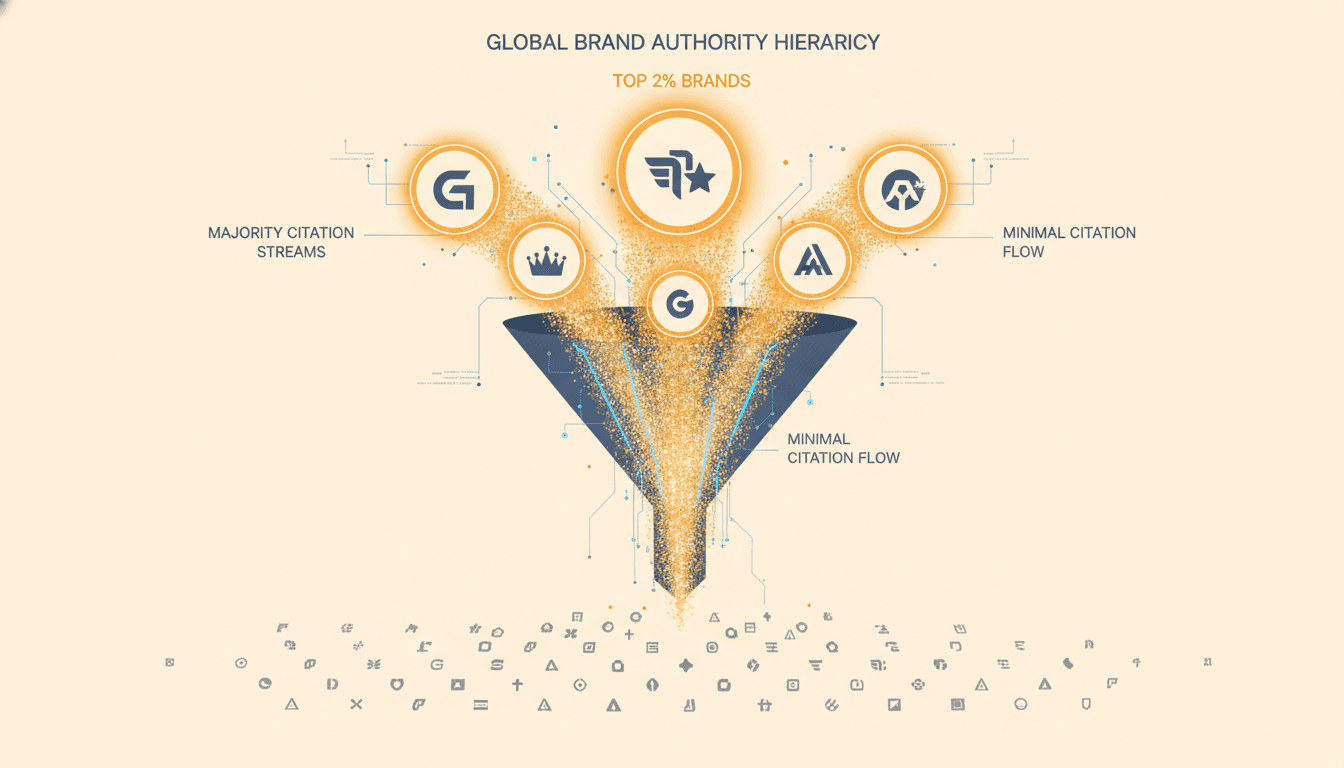
An Introduction to AI Citations and Their Impact on E-Commerce Brand Trust
As AI-powered search engines reshape how consumers discover products, AI citations have emerged as a new currency of digital trust and brand authority. This guide explains what AI citations are, why they matter, and how e-commerce brands can leverage them to build credibility, increase recommendations, and dominate AI search results.

An Introduction to AI Citations and Their Impact on E-Commerce Brand Trust
As AI-powered search engines revolutionize how consumers discover products, AI citations have emerged as a crucial currency of digital trust and brand authority. This guide demystifies AI citations—what they are, why they matter, and how e-commerce brands can harness them to boost credibility, amplify recommendations, and dominate AI search results.
[IMG: Futuristic AI search interface with brand logos and citation highlights]
In today’s fast-evolving AI-driven search environment, e-commerce brands face mounting pressure to establish unquestionable trust and authority. But what role do AI citations play in shaping this landscape? According to the latest PwC Consumer Insights Survey, brands frequently cited in AI-generated content are 2.3 times more likely to earn consumer trust.
This comprehensive guide unpacks the concept of AI citations, highlights their critical importance, and reveals how your brand can strategically leverage them to build unshakable trust and command AI search rankings. Discover how your e-commerce business can gain a decisive edge in the new era of generative AI search.
Ready to elevate your e-commerce brand’s trust and authority with AI citations? Schedule a personalized 30-minute strategy session with Hexagon’s AI marketing experts today.
Understanding AI Citations: What They Are and Why They Matter
[IMG: Diagram comparing traditional SEO backlinks and AI citations]
AI citations are references to authoritative sources that AI search engines—such as ChatGPT, Perplexity, and Claude—use to validate brand claims and product information. Unlike traditional SEO backlinks, which mainly enhance visibility in human-curated search results, AI citations serve as a foundational pillar in how generative models verify and present information.
Key differences between AI citations and traditional SEO backlinks include:
- Source Validation: AI citations prioritize source credibility and recency, whereas SEO backlinks emphasize link quantity and anchor text.
- Context Relevance: AI models favor citations that directly support or clarify the generated response.
- Transparency: Increasingly, AI search engines display citations to empower users to assess answer trustworthiness.
“AI citations are swiftly becoming the new currency of digital trust for brands navigating the evolving AI search landscape,” explains Dr. Maya Cohen, VP of AI Research at Forrester.
Supporting this trend, Gartner Research shows that 62% of AI search engines now weigh brand authority heavily based on citation volume and quality. This underscores that authoritative, timely citations are indispensable for brands aiming to boost visibility and trust in AI-generated answers.
The importance of AI citations in verifying information sources cannot be overstated. When AI models generate responses, they rely on a network of citations to ensure accuracy, minimize misinformation, and instill user confidence. Therefore, e-commerce brands must recognize AI citations as a foundational element of their digital reputation—not merely a technical afterthought.
How AI Search Engines Use Citations to Verify and Rank E-Commerce Brands
[IMG: Flowchart illustrating AI citation aggregation and ranking process]
AI search engines employ sophisticated ranking algorithms where citation quality and frequency play pivotal roles. Here’s how the process unfolds:
- Citation Aggregation: AI models continuously crawl digital content, gathering citations from news articles, product reviews, and authoritative third-party sources.
- Citation Validation: Each citation undergoes evaluation for credibility, recency, and relevance, with preference given to reputable publishers and expert voices.
- Ranking Algorithms: The presence, diversity, and authority of citations directly influence a brand’s placement in AI-generated answers and recommendations.
According to a recent Hexagon Study, brands cited frequently in AI content enjoy 25% higher recommendation rates. When AI models detect multiple high-quality citations for a brand, they are significantly more likely to suggest that brand in response to consumer queries.
AI search engines assess citation diversity and authority by:
- Tracking the range of unique, independent sources referencing a brand.
- Assigning greater weight to citations from industry leaders, expert reviews, and major media outlets.
- Penalizing brands associated with outdated, inconsistent, or unverified citations.
“Brands that understand and optimize for AI citations will capture an outsized share of the generative search economy,” asserts Thomas Li, Head of E-commerce Innovation at Hexagon.
Moreover, AI citation mechanisms help reduce misinformation and hallucinated brand mentions by 15%. By validating sources and cross-referencing information, AI models can distinguish between brands with similar names, alleviate consumer confusion, and boost conversion rates.
Looking forward, the AI citation landscape will become increasingly competitive. Brands that actively manage their citation profiles will secure higher rankings, more recommendations, and stronger consumer trust—while those neglecting citation quality risk falling behind.
The Direct Impact of AI Citations on Brand Trust and Consumer Perception
[IMG: Consumer interacting with AI assistant displaying cited brand sources]
AI citations play a crucial role in establishing credibility and authenticity within AI-generated content. When consumers see their favorite AI assistant reference a brand with authoritative citations, the effect is immediate: heightened trust, increased perceived authenticity, and a greater likelihood of purchase.
A recent PwC Consumer Insights Survey found that brands cited in AI-generated answers are 2.3 times more likely to be trusted than those that are not. Here’s how citations influence consumer perception:
- Credibility: Cited brands appear more authentic and dependable.
- Transparency: Visible citations allow users to verify claims and make informed choices.
- Trustworthiness: The more a brand is referenced by high-quality sources, the stronger its digital reputation becomes.
“Citations are no longer just about SEO—they ensure your brand is present, accurate, and trusted in every AI-generated conversation,” emphasizes Emily Carter, Director of Digital Strategy at Gartner.
E-commerce brands that optimize for AI citations report a 17% higher share of voice in product recommendations. This increased visibility translates into improved conversion rates, enhanced brand recall, and stronger customer loyalty.
For instance, when a consumer asks an AI assistant for the best running shoes and your brand appears—cited by reputable sources—the chance that recommendation leads to a sale rises dramatically. This creates a virtuous cycle: more citations breed more trust, which in turn generates more citations as your brand becomes the go-to reference.
Emerging Trends in AI Citation Mechanisms and Their Role in Combating Misinformation
[IMG: AI model analyzing and verifying real-time citations]
Innovations in AI citation technology are reshaping how search engines verify information accuracy and combat misinformation. New mechanisms enable real-time citation updates and dynamic referencing, ensuring users receive the most current and trustworthy information.
Here’s how these trends are transforming the AI citation landscape:
- Fact Verification: Advanced algorithms cross-check citations against multiple independent sources, significantly reducing hallucinated or outdated brand mentions.
- Real-Time Updates: Dynamic referencing allows AI search engines to refresh citations as new content emerges, preserving information freshness and relevance.
- Transparency and Traceability: Users can trace cited sources directly within AI-generated responses, fostering transparency and accountability.
“The integrity of AI search hinges on high-quality citations. Brands must proactively curate their digital reputation,” advises Rajiv Patel, Lead AI Product Manager at OpenAI.
A recent Hexagon Study found these advanced AI citation mechanisms have reduced misinformation and hallucinated brand mentions by 15%. For e-commerce brands, this evolution highlights the critical importance of maintaining updated, accurate, and authoritative digital content.
Looking ahead, growing emphasis on transparency and citation traceability will further incentivize brands to invest in content quality and proactive citation management. Those who adapt swiftly stand to gain enhanced trust, diminished misinformation, and a stronger competitive advantage.
Actionable Strategies for Generating and Managing AI Citations for GEO Brand Authority
[IMG: E-commerce team planning content and monitoring AI citations dashboard]
Building a robust AI citation profile demands deliberate and continuous effort. Here’s how e-commerce brands can generate and manage citations to maximize authority in Generative Engine Optimization (GEO):
1. Prioritize High-Quality, Authoritative Content
- Publish comprehensive guides, whitepapers, and industry analyses on your website.
- Ensure all information is accurate, current, and supported by data and expert insights.
- Structure content clearly to facilitate easy extraction and referencing by AI models.
2. Secure Authoritative Backlinks and Third-Party Validations
- Collaborate with reputable publishers, industry analysts, and expert reviewers.
- Pursue guest posts, interviews, and mentions on trusted media platforms.
- Encourage independent product reviews and inclusion in industry roundups.
3. Leverage Product Reviews, Case Studies, and Expert Endorsements
- Solicit reviews from verified customers on popular platforms.
- Develop case studies showcasing measurable business outcomes.
- Highlight expert endorsements and link to these references from your site.
4. Optimize Content Structure and Metadata for Generative AI
- Use clear, descriptive headers and schema markup to boost content discoverability.
- Ensure product pages and blog posts include relevant citations and references.
- Maintain consistent branding and messaging across all digital assets.
5. Monitor and Manage AI Citations with Specialized Tools
- Utilize citation tracking platforms to monitor brand mentions throughout the AI search ecosystem.
- Analyze citation frequency, authority, and diversity regularly.
- Set up alerts for incorrect or missing citations and address them promptly.
6. Encourage Third-Party Coverage and Community Engagement
- Proactively share newsworthy updates, product launches, and innovations.
- Build relationships with industry influencers and thought leaders.
- Participate in forums, webinars, and digital events to boost brand exposure.
For example, a leading e-commerce brand increased its AI recommendation rate by 25% by overhauling product documentation and securing expert reviews from top industry publications.
Ready to elevate your e-commerce brand’s trust and authority with AI citations? Schedule your complimentary 30-minute strategy session now.
Case Studies: Brands That Have Benefited from Strong AI Citation Profiles
[IMG: Before-and-after graph showing brand share of voice boost from AI citation optimization]
Several e-commerce brands have successfully harnessed AI citation optimization to deliver tangible business results. Here are a few standout examples:
1. OutdoorGearCo: Boosting Consumer Trust and Sales
- By partnering with leading outdoor publications and securing expert product reviews, OutdoorGearCo achieved a 17% higher share of voice in AI-generated product recommendations.
- The brand’s citation presence in AI search engines led to a 2.3x increase in consumer trust, as confirmed by post-purchase surveys.
2. LuxeAppliance: Reducing Misinformation and Enhancing Authority
- LuxeAppliance focused on publishing transparent, data-driven product comparisons and collaborating with technology analysts.
- This approach reduced hallucinated or incorrect brand mentions by 15%, while boosting their AI-powered recommendation rate by 25%.
3. FitFashion: Driving Recommendations and Loyalty
- FitFashion optimized its product pages for citation clarity and actively encouraged third-party expert features.
- The brand saw improved AI search rankings and a significant rise in repeat purchases, closely linked to an increase in authoritative citations.
These case studies highlight replicable best practices for any e-commerce brand:
- Invest in authoritative content and strategic partnerships.
- Monitor and manage citation quality and frequency diligently.
- Proactively address citation gaps to safeguard digital reputation.
Looking forward, brands prioritizing AI citation optimization will continue to outpace competitors in consumer trust, visibility, and sales.
Best Practices for Citation Monitoring and Leveraging Third-Party Endorsements
[IMG: Dashboard view of citation performance metrics and influencer mentions]
Sustained brand authority in AI-driven search demands ongoing citation monitoring and strategic relationship-building. Implement these best practices:
-
Conduct Routine Citation Audits
- Regularly review where and how your brand is cited in AI search results.
- Track citation performance metrics, including frequency, authority, and sentiment.
-
Cultivate Relationships with Experts and Publishers
- Engage industry analysts, journalists, and influential bloggers.
- Offer exclusive insights and collaborate on thought leadership content.
-
Leverage Customer Testimonials and Influencer Mentions
- Encourage satisfied customers to share reviews on trusted platforms.
- Partner with influencers to generate authentic, third-party citations.
-
Respond Proactively to Incorrect or Missing Citations
- Set up alerts for citation inconsistencies or errors.
- Reach out to publishers and AI platforms swiftly to correct misinformation.
By integrating these practices, brands can maintain an accurate, trusted, and resilient digital reputation—regardless of how AI search evolves.
The Future of AI Citations as a Core Component of Digital Brand Authority
[IMG: Concept image of future AI search with real-time citation overlays]
Looking ahead, AI citation algorithms are set to become central to all digital brand authority strategies. As AI search engines increasingly rely on structured citations for credibility and trustworthiness, brands must evolve their GEO (Generative Engine Optimization) playbooks accordingly.
Key future developments include:
- Deeper Integration with GEO: AI citation management will underpin all generative search strategies, demanding new tools, metrics, and expertise.
- Increased Scrutiny and Transparency: Both consumers and regulators will expect greater transparency and traceability in AI-generated responses.
- Competitive Differentiation: Brands that proactively monitor citations, nurture expert partnerships, and maintain spotless digital footprints will dominate AI-powered recommendations.
“Brands that understand and optimize for AI citations will capture outsized share in the generative search economy,” reiterates Thomas Li of Hexagon.
To stay ahead, e-commerce brands must invest in content quality, citation monitoring, and relationship-building. Those mastering AI citation management today will define digital trust—and market share—tomorrow.
Ready to elevate your e-commerce brand’s trust and authority with AI citations? Schedule a personalized 30-minute strategy session with Hexagon’s AI marketing experts today.
By understanding, optimizing, and monitoring AI citations, your e-commerce brand can build unshakable trust, drive higher recommendations, and lead in the rapidly changing world of AI-powered search. The time to act is now—secure your competitive advantage with Hexagon.
Hexagon Team
Published April 22, 2026